Nuclear Theory archive — page 9

The Arithmetic of Two Alarm Clocks — How Probabilistic Safety Assessment (PSA) Measures Nuclear Risk
PSA combines fault trees and event trees to estimate how often accident sequences lead to core damage, treats common-cause failures separately, and reads its numbers as average rates and a map of weak spots rather than a verdict.

64 Million Versus 20: Lessons from a Snow Globe — What Containment Does in an Accident
In an accident the containment withstands peak pressure below its design limit, keeps leakage to a tested 0.1% per day, lets sprays and settling wash material down and buys time for decay, which is why TMI released about one three-millionth of its core iodine.
Watch Out When the Steam Clears — Why Hydrogen Explosions Can Happen at Nuclear Plants
Hydrogen from hot cladding reacting with steam can burn only within a band of hydrogen, air and steam proportions, so plants inert, recombine or burn it off early, and must watch hydrogen paths outside the containment as Fukushima showed.

Like Cones Slumping in a Kiln — The Order in Which Core Damage Progresses
A core that loses cooling fails in order of temperature thresholds, from cladding burst and runaway zirconium oxidation to melting and relocation, and at TMI-2 about half the core melted while the reactor vessel held.
A Pot on a Flame You Can't Turn Off — Why Losing Residual Heat Removal Is So Dangerous
Decay heat starts at about 6–7% of full power and cannot be switched off, so if residual heat removal fails, the water covering the fuel boils away on a scale of hours, and the later cooling is lost, the more time there is.
Three Jobs Left After the Campfire Is Out — The Three Safety Functions After Reactor Shutdown
After shutdown a reactor must keep three fundamental safety functions (reactivity control with k-eff below 1, removal of decay heat of about 6–7% of prior power, and confinement of radioactive material), which are interlocked and watched by operators as six critical safety functions.
Like Switching On Low-Power Mode at 20% — Station Blackout (SBO) and the Time a Plant Must Hold Out
A station blackout is the loss of offsite power and all emergency diesels, with batteries assumed to remain; the plant cools with steam-driven pumps for its coping time, stretched by load shedding, until alternate AC or mobile equipment restores power.
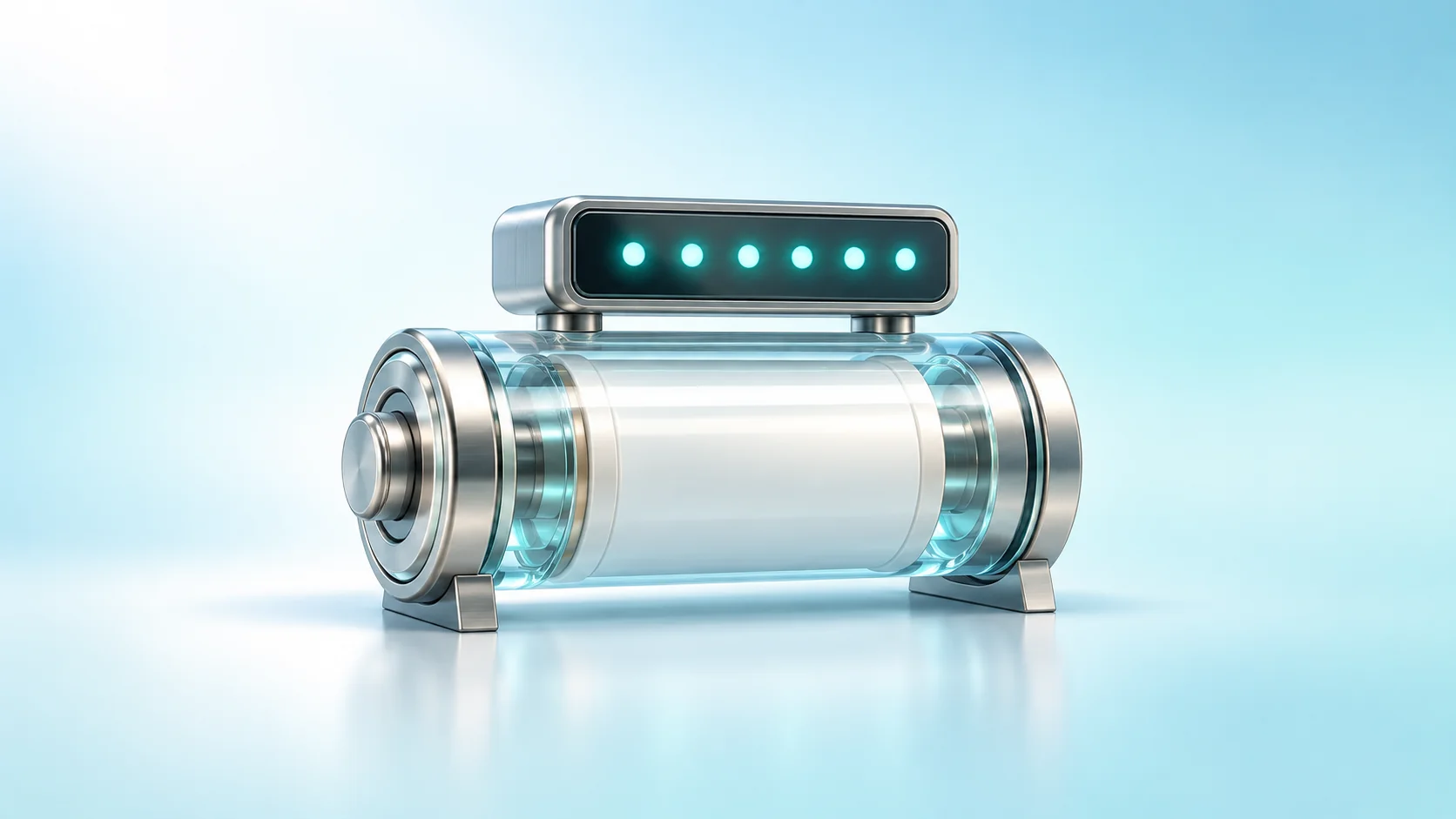
49 Seconds After the Lights Go Out — Loss of Offsite Power and the Safety Systems That Take Over
On a loss of offsite power the reactor shuts down, batteries keep protection and instrumentation alive, and emergency diesels start within seconds and pick up safety loads in sequence (about 7,427 kW in 30 s in an APR1400 example), with redundant, independent trains.

Why Researchers Strike Fuel Rods with Lightning on Purpose — The Line Inside a Reactivity-Initiated Accident
A reactivity-initiated accident is a sudden, unintended addition of reactivity; crossing about 0.65% (one dollar) shifts power growth from seconds to milliseconds, and the fuel's Doppler feedback and enthalpy limits such as 230 cal/g keep the core coolable.
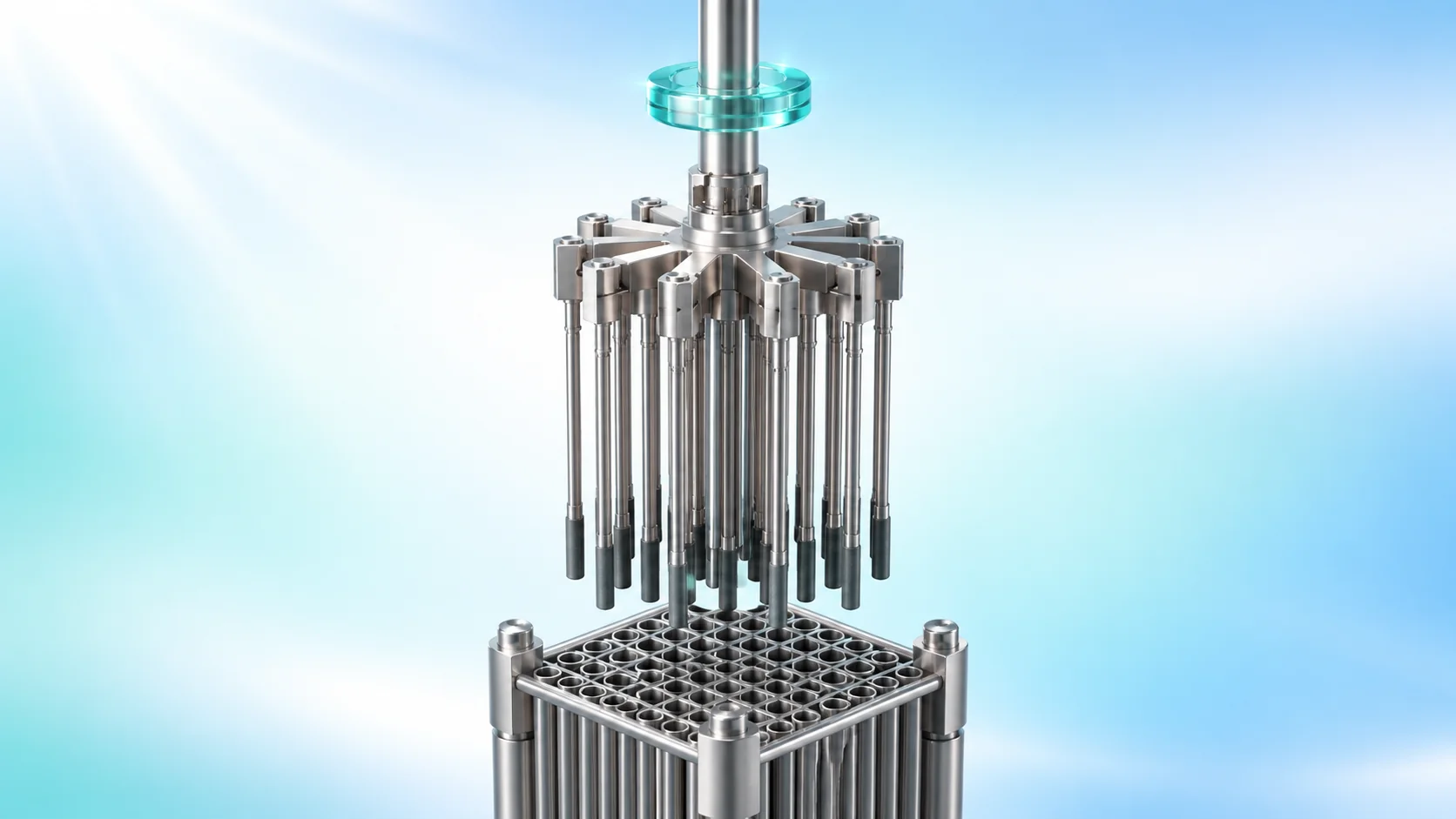
"Put It In!" — and It Came Out: The Control Rod Withdrawal Accident
A control rod withdrawal accident is an unintended, continuing withdrawal of control rods that raises reactor power; design speed limits, Doppler feedback, withdrawal blocks, power and overtemperature trips and a gravity drop stop it without fuel damage.