Nuclear Theory archive — page 25
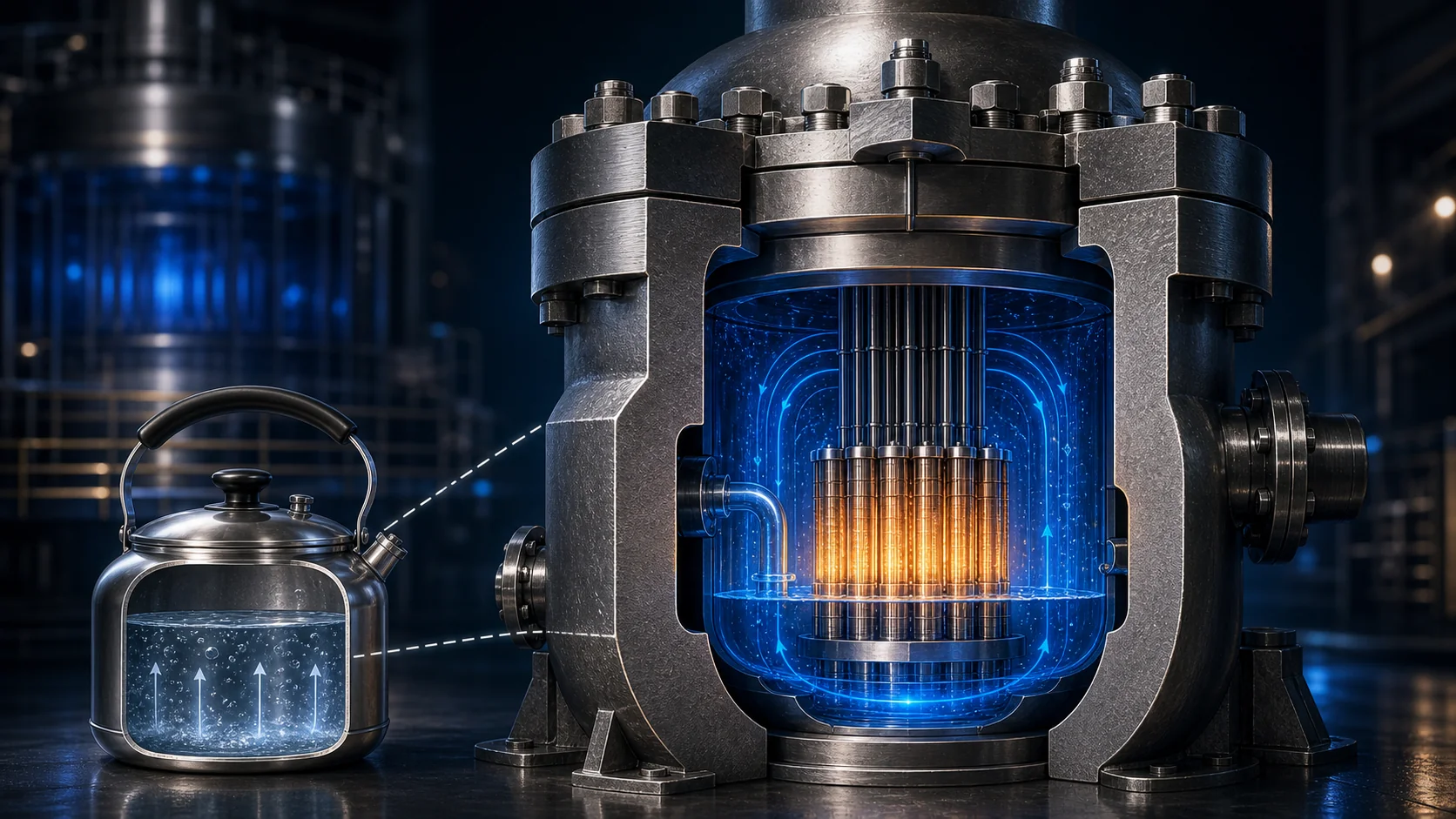
Built Like a Pressure Cooker — Why the Reactor Pressure Vessel Is So Thick
The reactor pressure vessel holds the whole core and is made of thick special steel to withstand high pressure, long-term radiation exposure and sudden temperature changes while serving as a safety barrier.
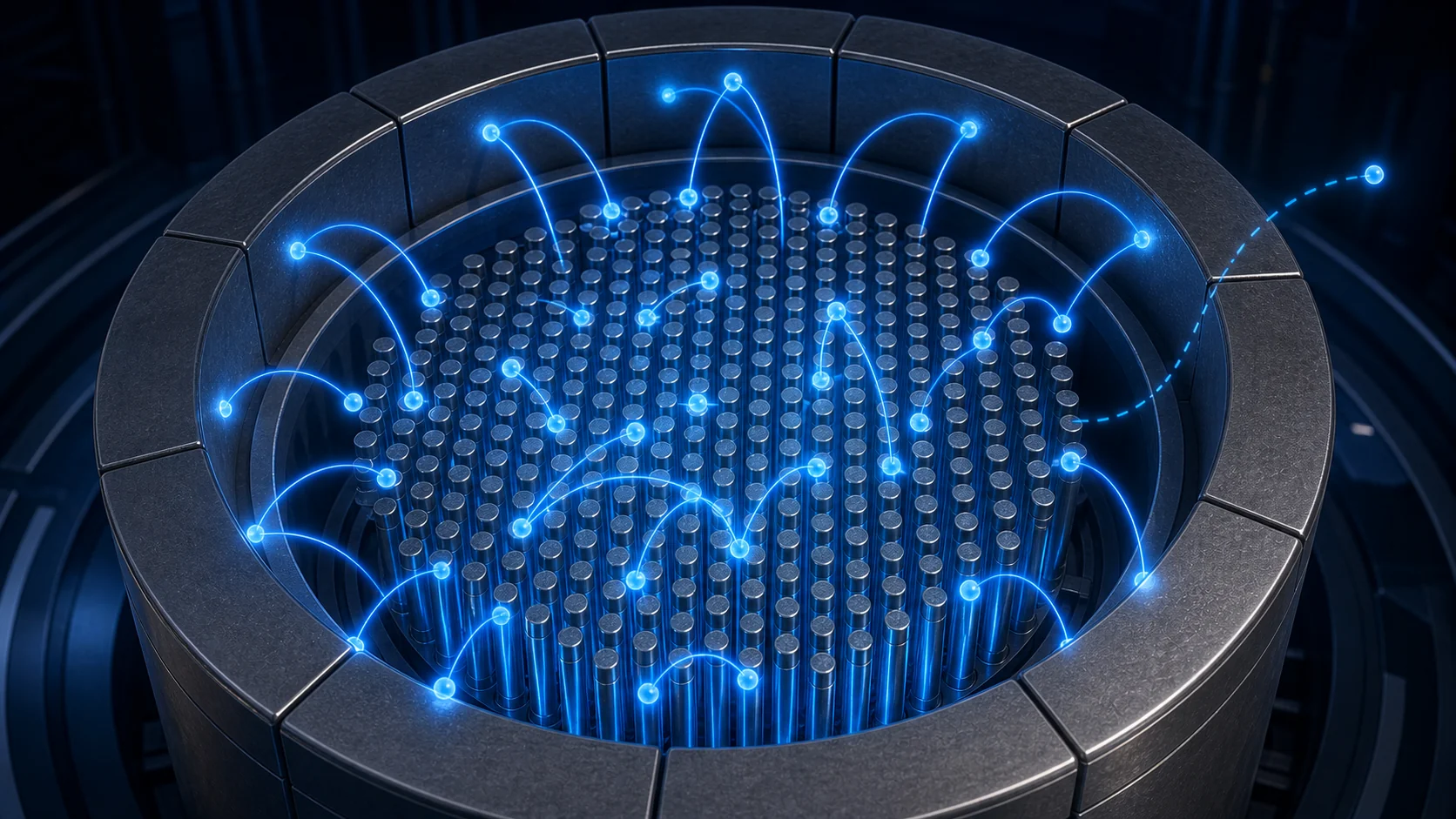
The Pool Table Cushion of the Core — How a Neutron Reflector Sends Neutrons Back
A reflector made of water, beryllium or graphite scatters leaking neutrons back into the core, so the core needs less fuel or can be smaller and its edge power is evened out.
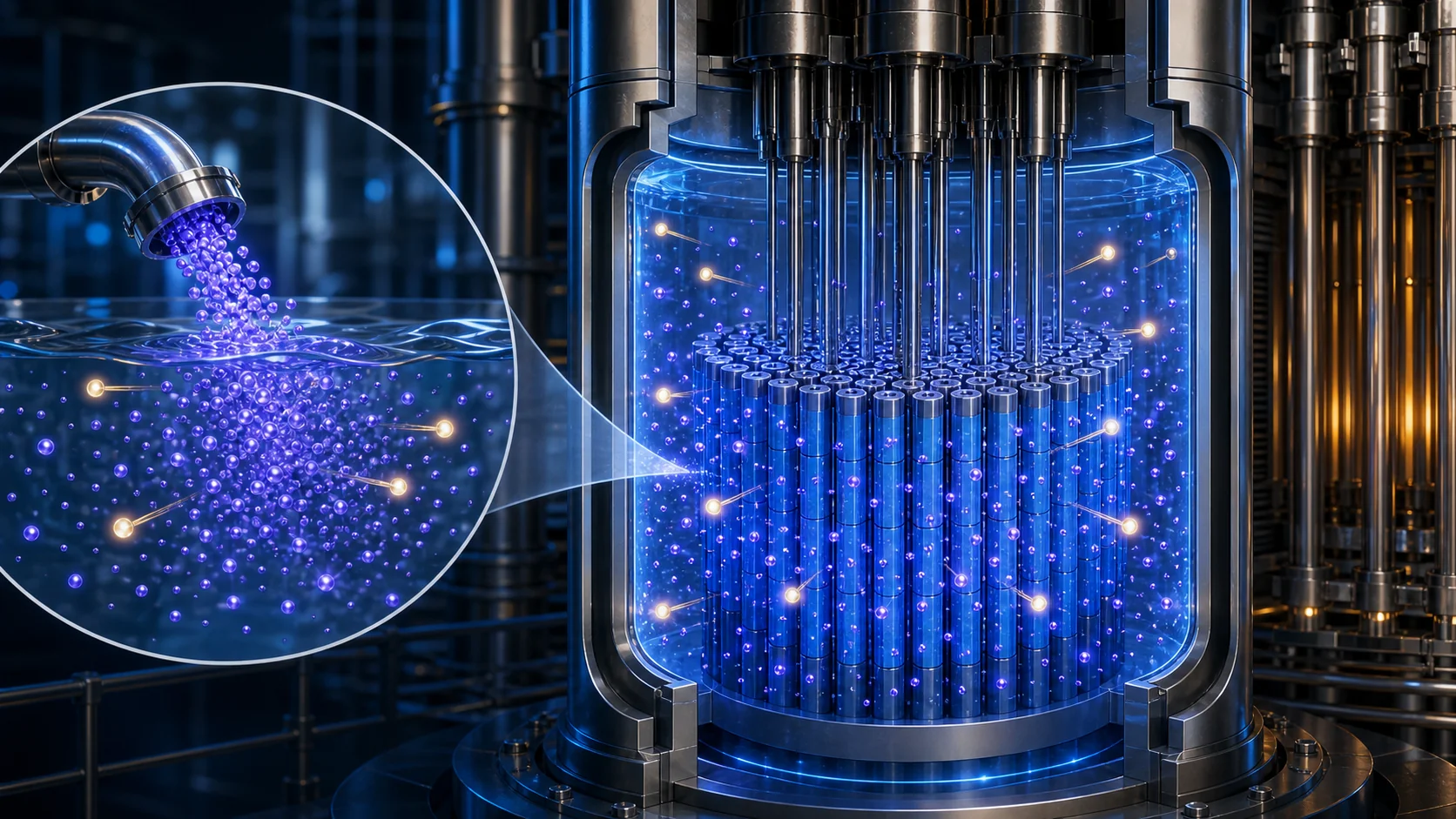
Like Bath Salts in the Tub — Is Borated Water Really a Liquid Control Rod?
Borated water absorbs neutrons like a control rod, but it acts evenly on the whole core over hours to days, while control rods act locally within seconds to minutes, so the two complement each other.
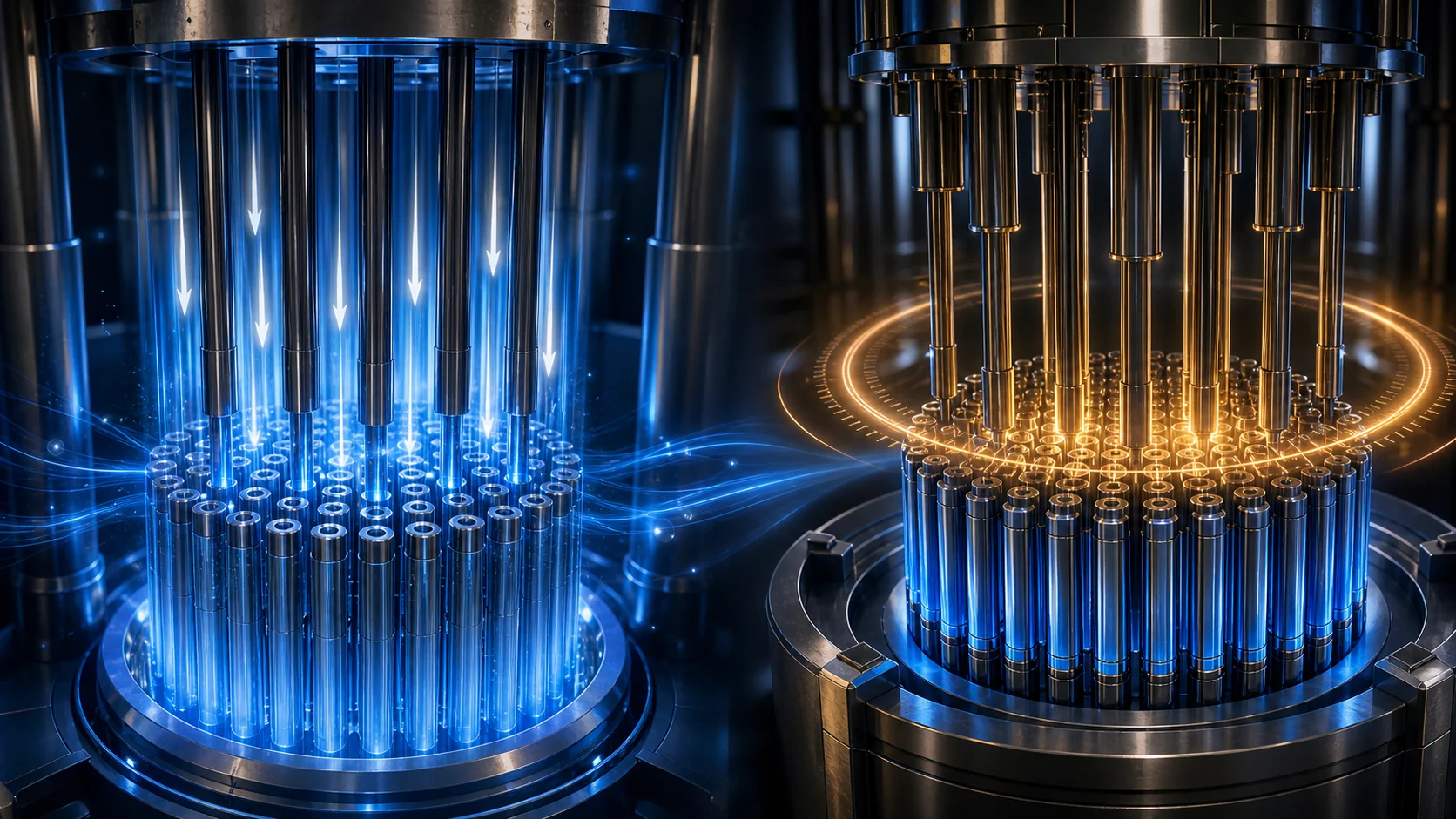
Brake or Gas Pedal? What Control Rods Really Do in a Reactor
Control rods absorb neutrons to lower reactivity the deeper they go, acting as a brake during a scram and as a fine-tuning control for power in normal operation.
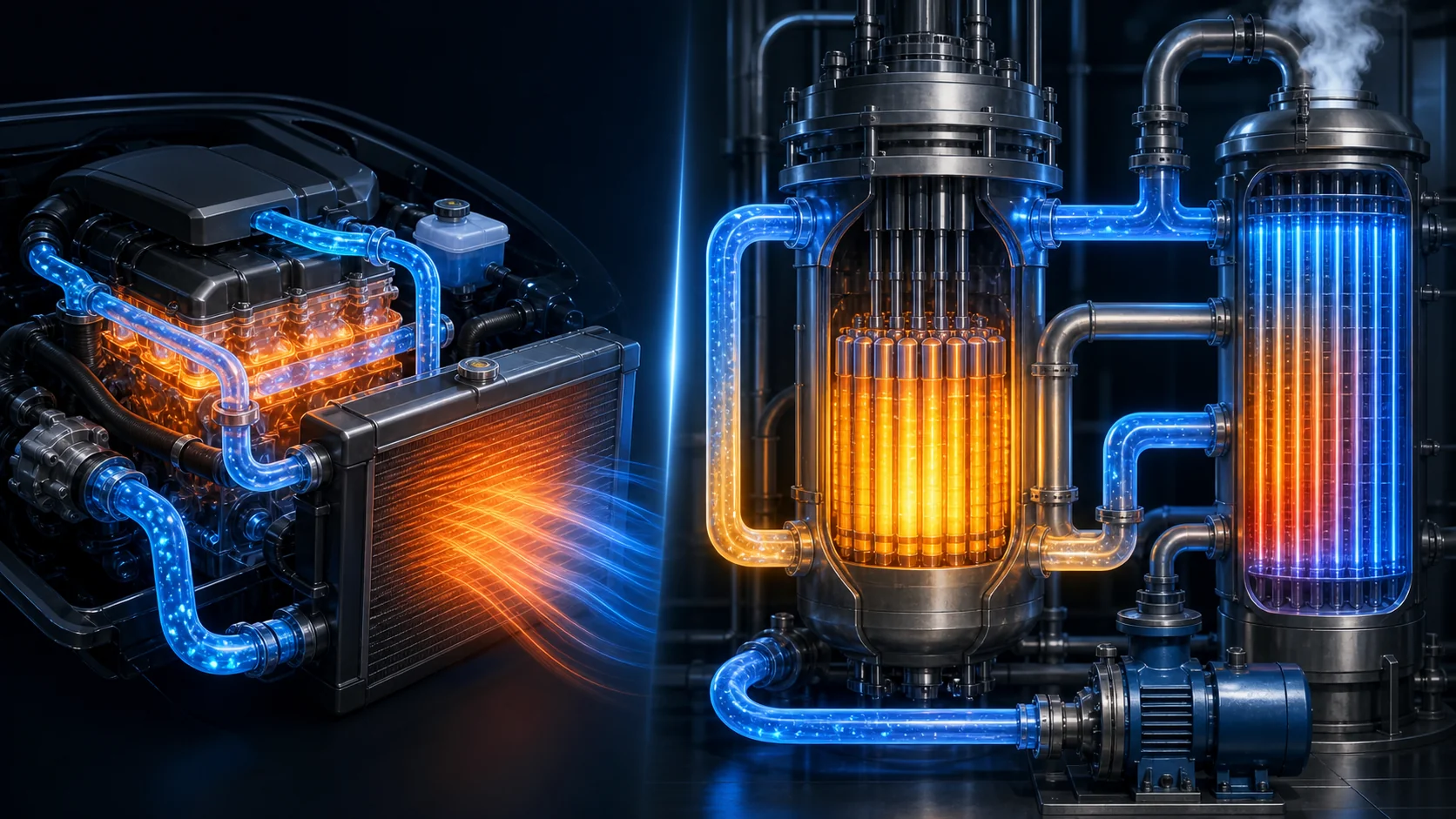
Like the Coolant in Your Car — What a Reactor Coolant Really Does
The coolant absorbs heat at the fuel rod surfaces and carries it to the steam generator in a closed loop, a different purpose from the moderator even when both are the same water.
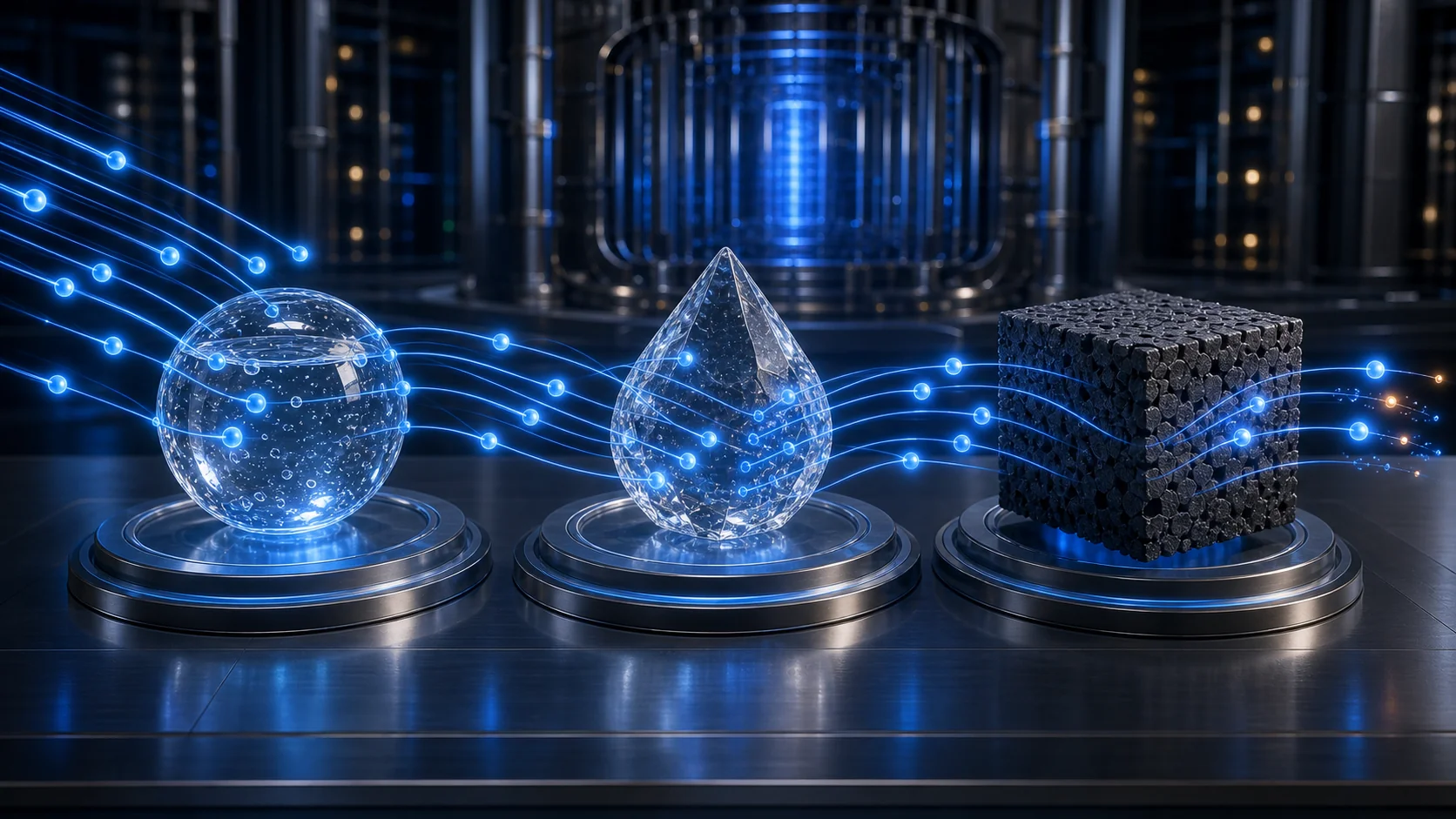
Picking Packing Material for Neutrons — How a Reactor Moderator Is Chosen
Light water slows neutrons well but absorbs some, so it needs low-enriched fuel; heavy water absorbs almost none and allows natural uranium; graphite is a solid with low absorption.
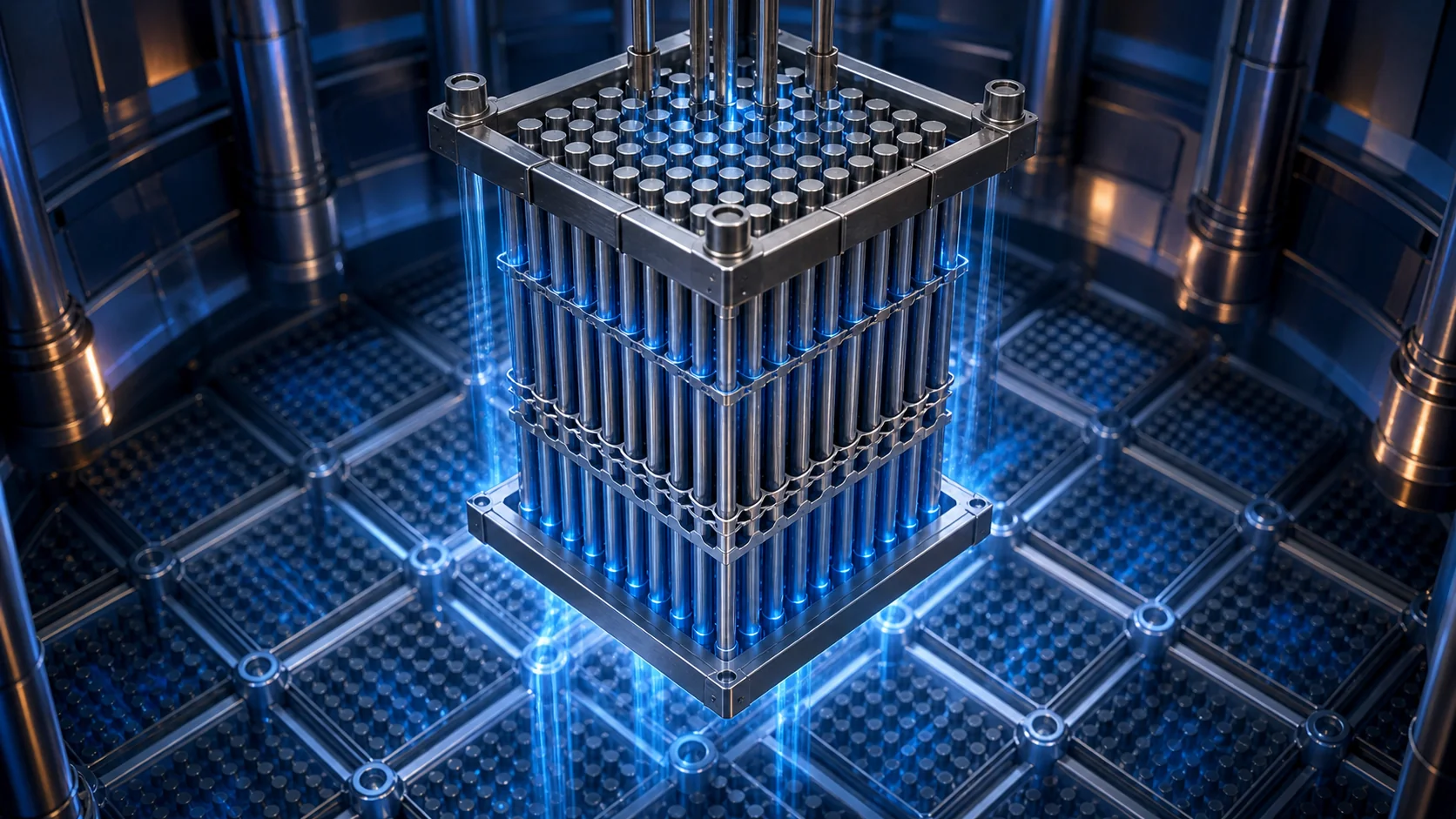
One Straw Falls, a Bundle Stands — Why Fuel Rods Come Packed in a Fuel Assembly
Fuel rods are held in grids of tens to hundreds by end fittings and spacer grids, which makes refueling practical, keeps coolant channels even and keeps long rods from bending.
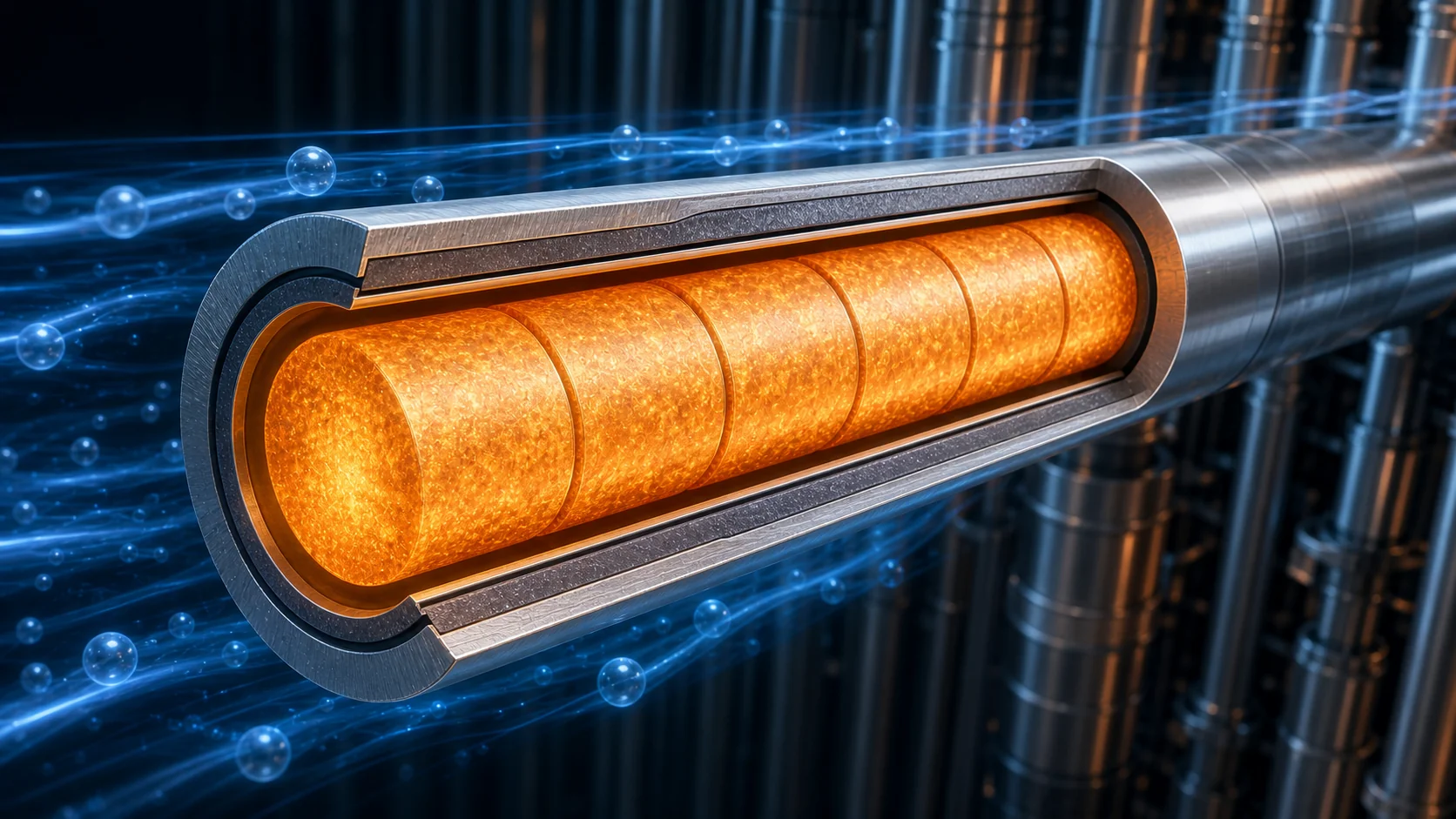
Filling and Casing — How Fuel Pellets and Cladding Split the Work
Fission happens inside ceramic uranium dioxide pellets, while the zirconium-alloy cladding around them acts as the first barrier against radioactive release and the path for heat to reach the coolant.
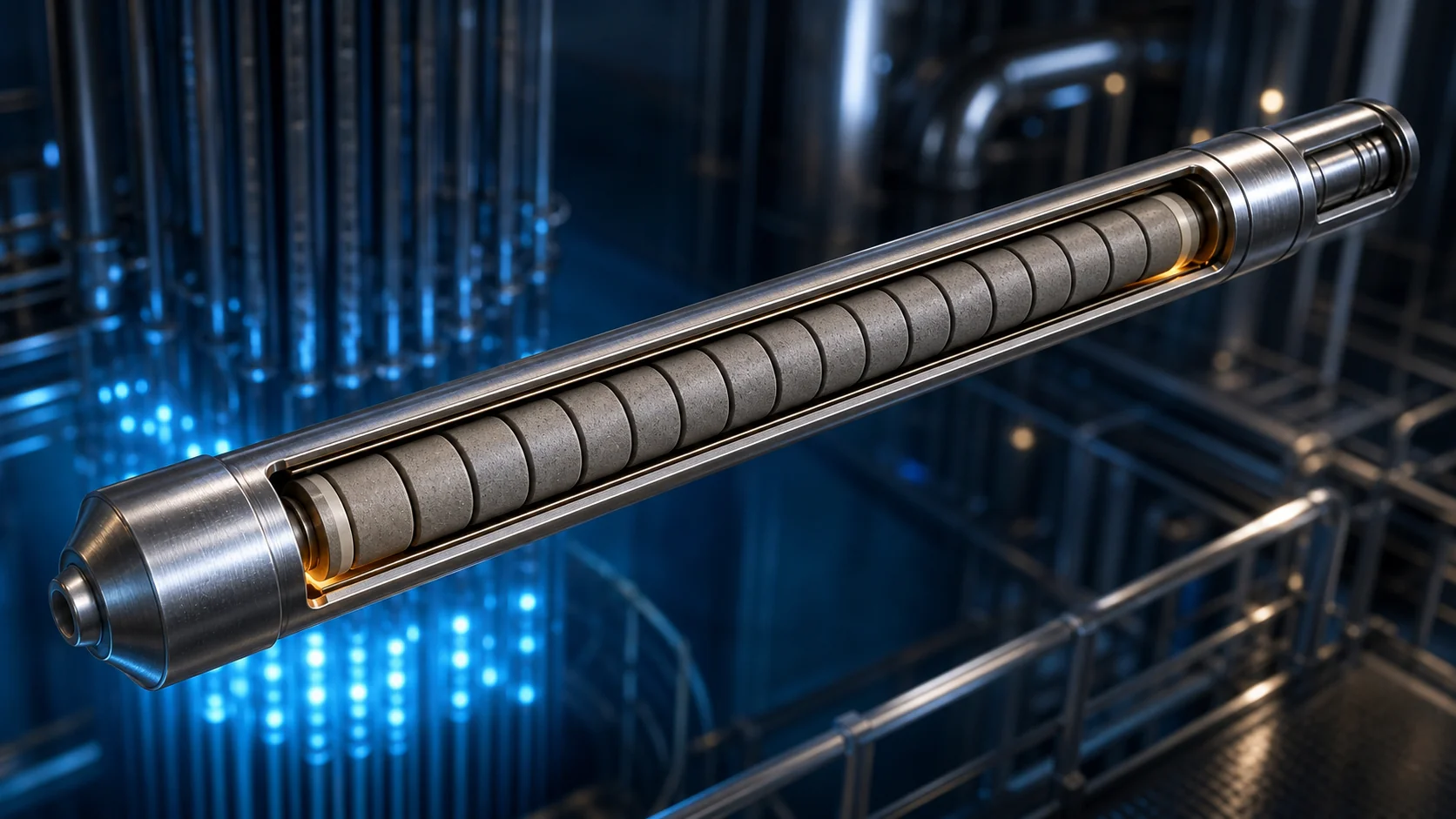
A PEZ Dispenser in the Reactor Core? — What a Nuclear Fuel Rod Really Looks Like
A fuel rod is a 3-to-4-meter metal cladding tube holding hundreds of pellets about 1 centimeter across, a shape that moves heat efficiently and forms the first barrier around radioactive material.
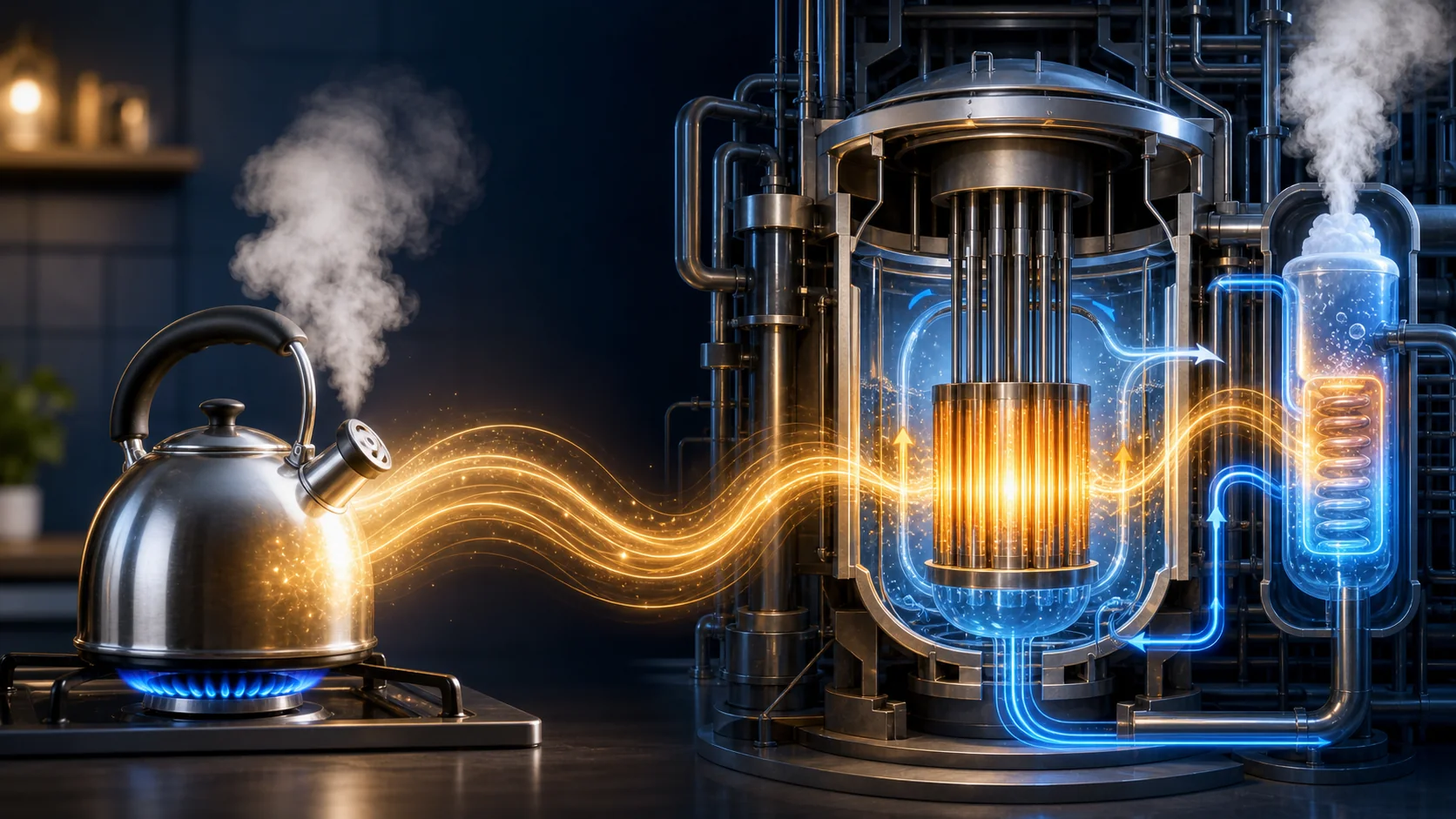
Is a Nuclear Reactor Just a Giant Kettle? — How a Reactor Really Heats Water
A reactor shares a kettle's goal of making steam, but its fission chain reaction heat source requires pressurized coolant, precise control by rods and boric acid, and several layers of safety equipment.