Nuclear Theory archive — page 20
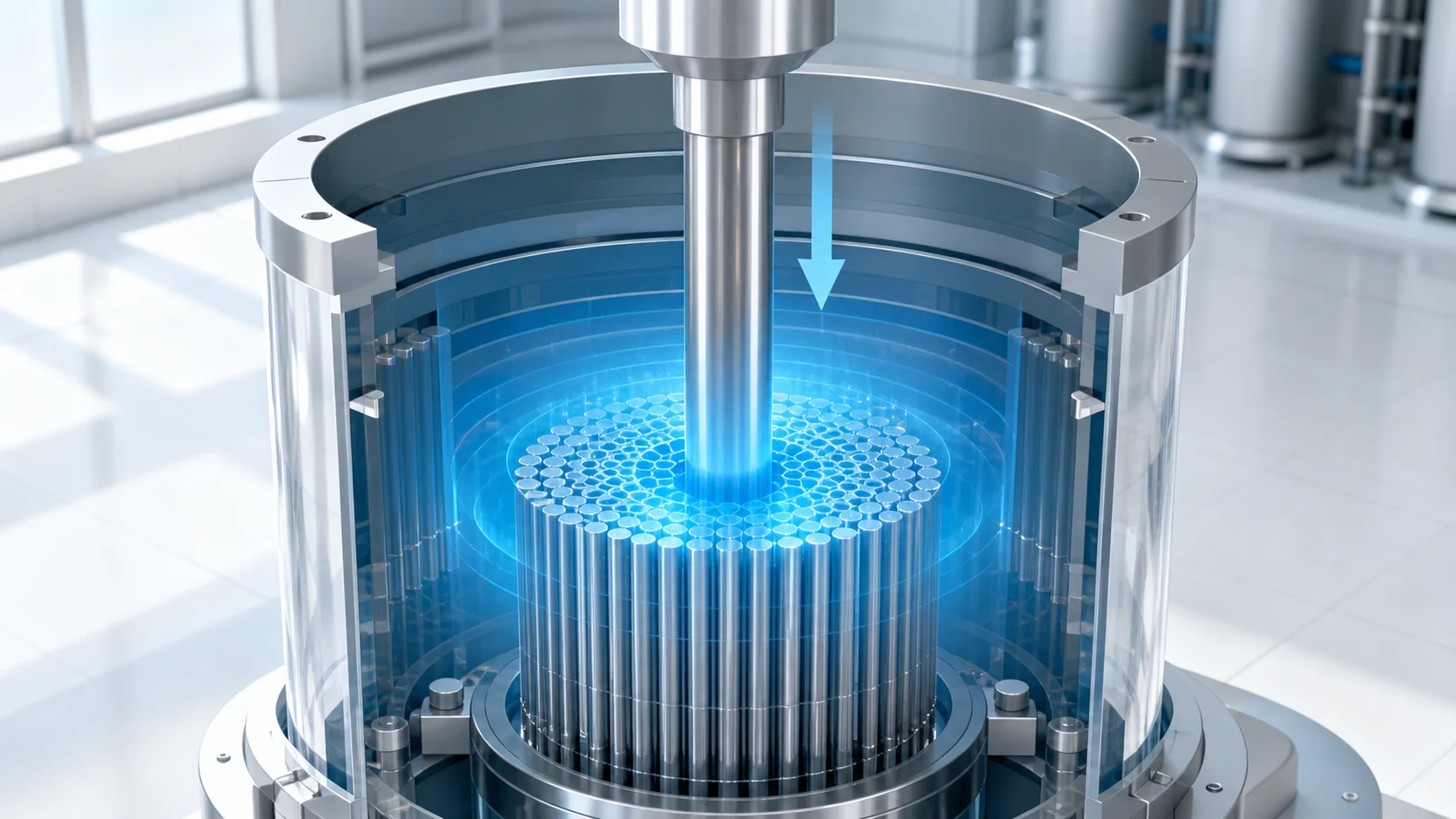
Like Drawing the Curtains — Control Rod Insertion
Inserting a control rod makes reactivity negative, so power falls in a quick drop followed by a gradual decline, and because flux peaks mid-core, power against insertion depth traces an S-shaped curve.
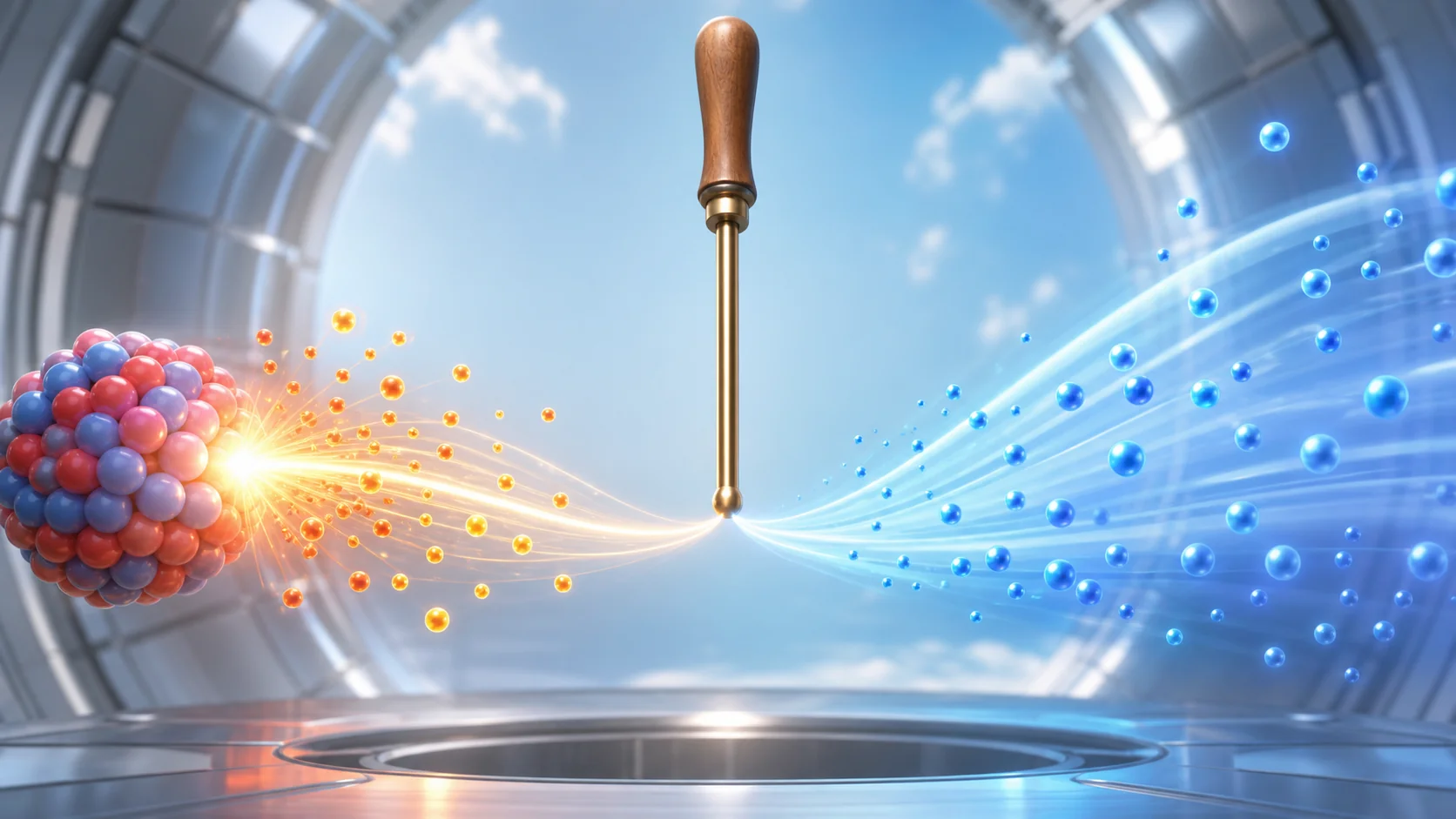
When the Conductor Changes the Tempo — The Prompt Jump
After a reactivity insertion, core power makes a small instant prompt jump of about β/(β − ρ) and then rises gradually as delayed neutrons arrive, and that slow second stage is what makes reactors controllable.
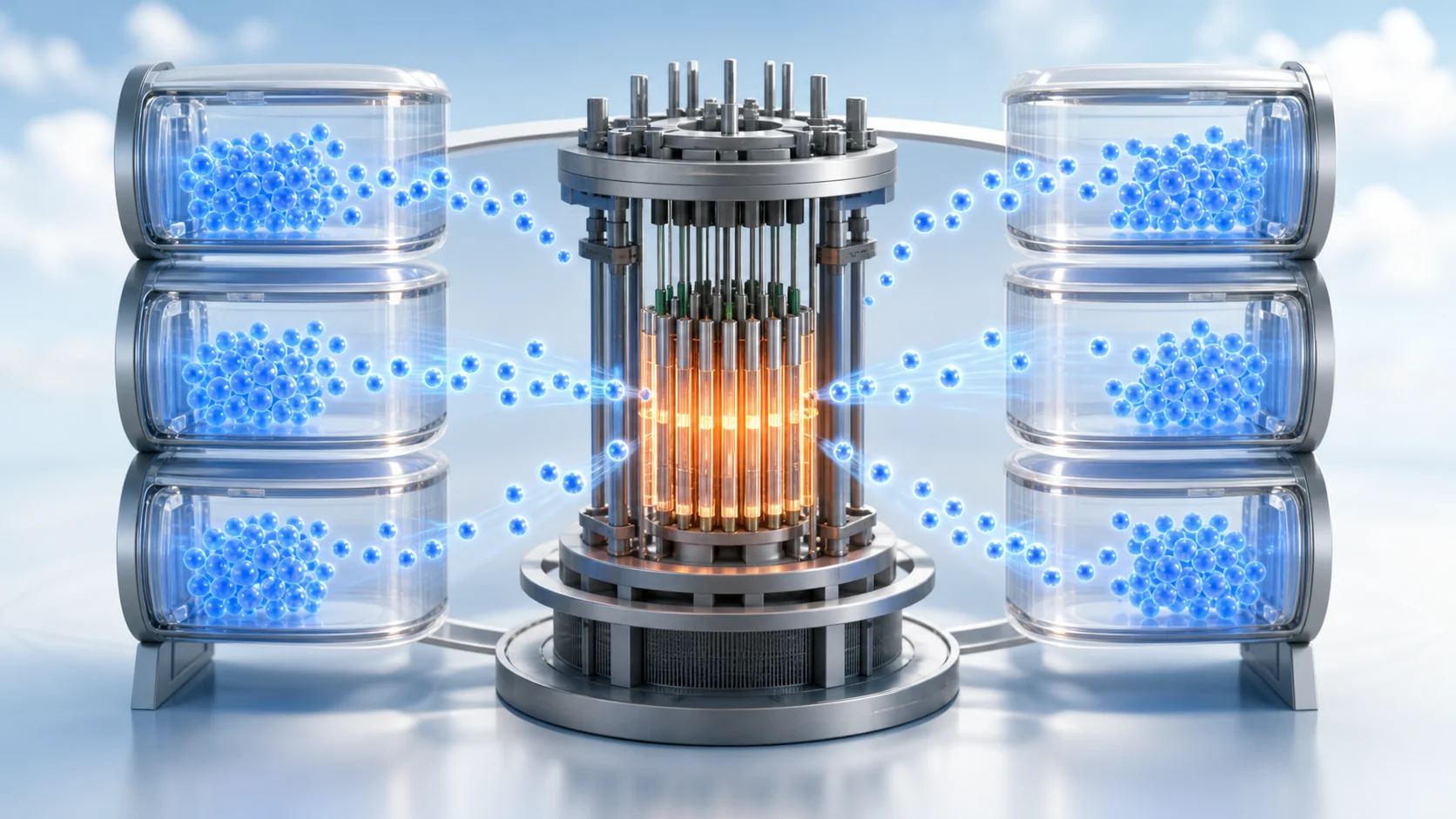
Express vs. Scheduled Delivery — Delayed Neutron Precursors
Delayed neutron precursors are fission fragments whose daughters emit a neutron right after beta decay, so the delay comes from the precursor's half-life, grouped into six groups from about 0.2 to 55 seconds.
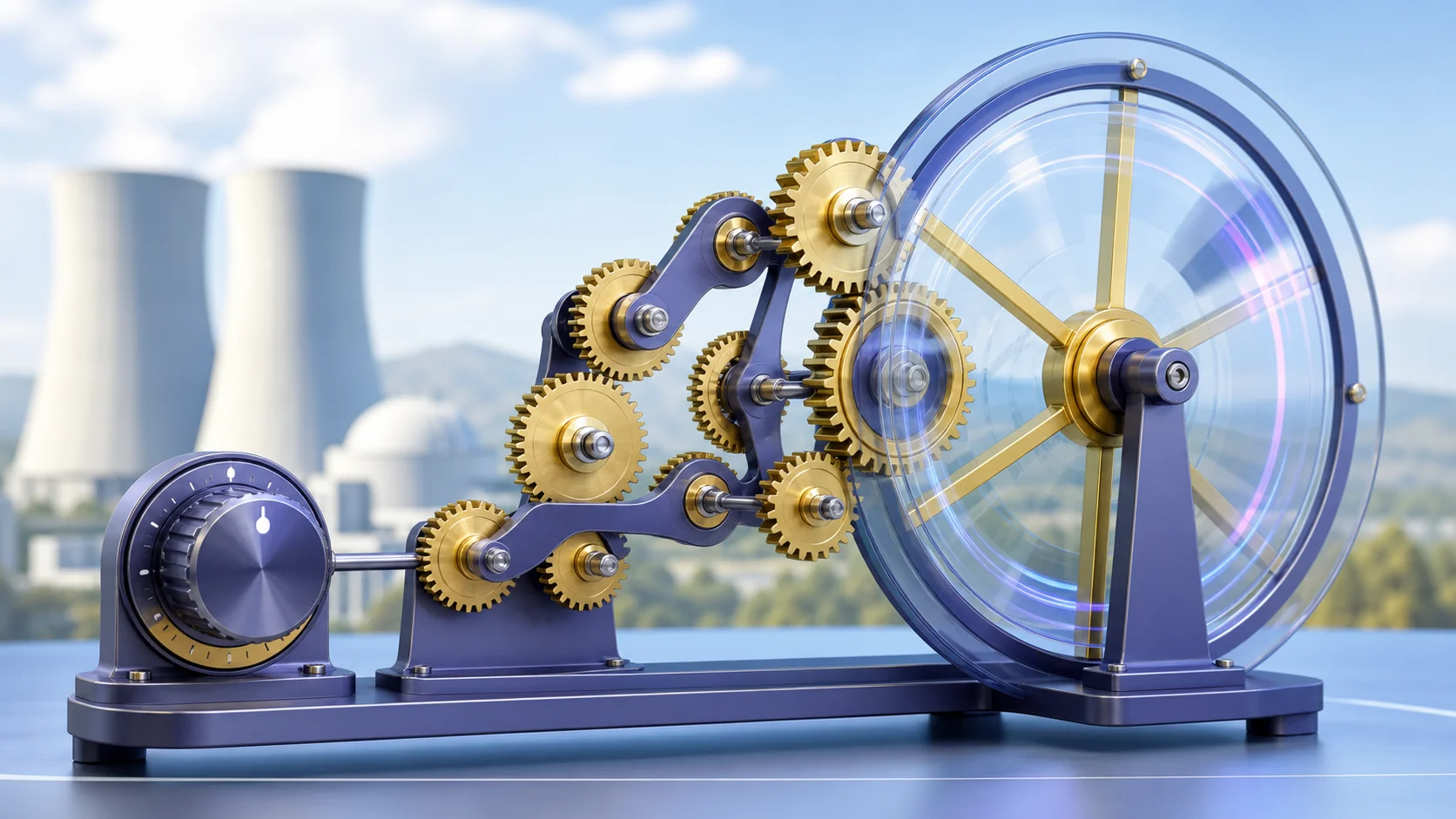
A Gearbox That Slips Near $1 — The Inhour Equation
The inhour equation converts reactivity into the stable reactor period and back, and its strongly nonlinear shape, with the period plunging near prompt critical ($1), is why reactors are kept well below $1.
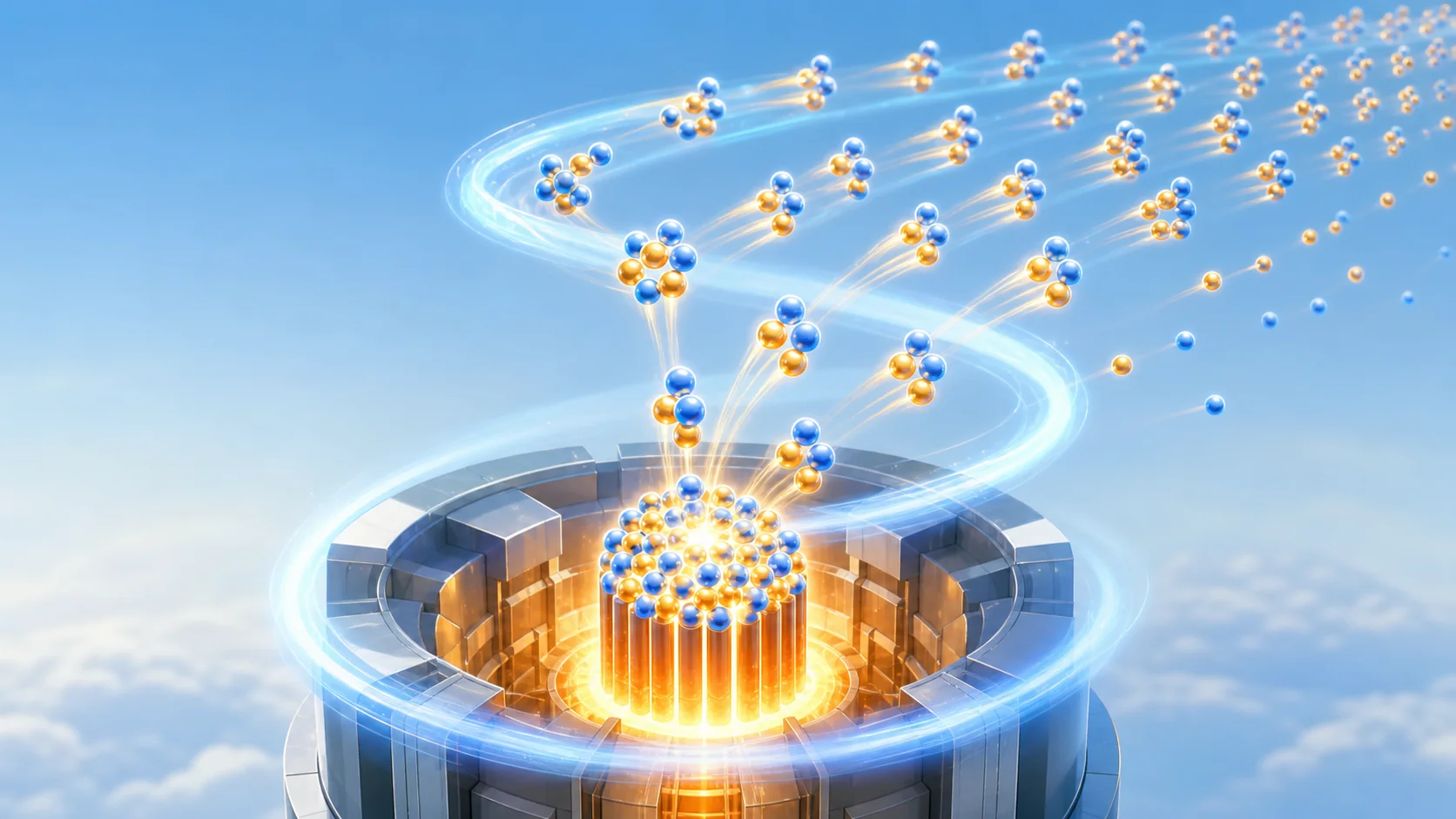
Power That Grows Like Compound Interest — The Reactor Period
The reactor period is the time for reactor power to grow e-fold (about 2.72 times), following the same exponential math as continuous compounding, and delayed neutrons stretch it to a manageable few seconds to hundreds of seconds.

How Many Times in One Blink? — The Fleeting Instant Called the Neutron Generation Time
A neutron generation lasts tens to hundreds of microseconds in thermal reactors and about 0.1 to 1 microsecond in fast reactors, over 1,000 times shorter than the 0.1-second limit of human reaction, so reactors rely on delayed neutrons to stay controllable.
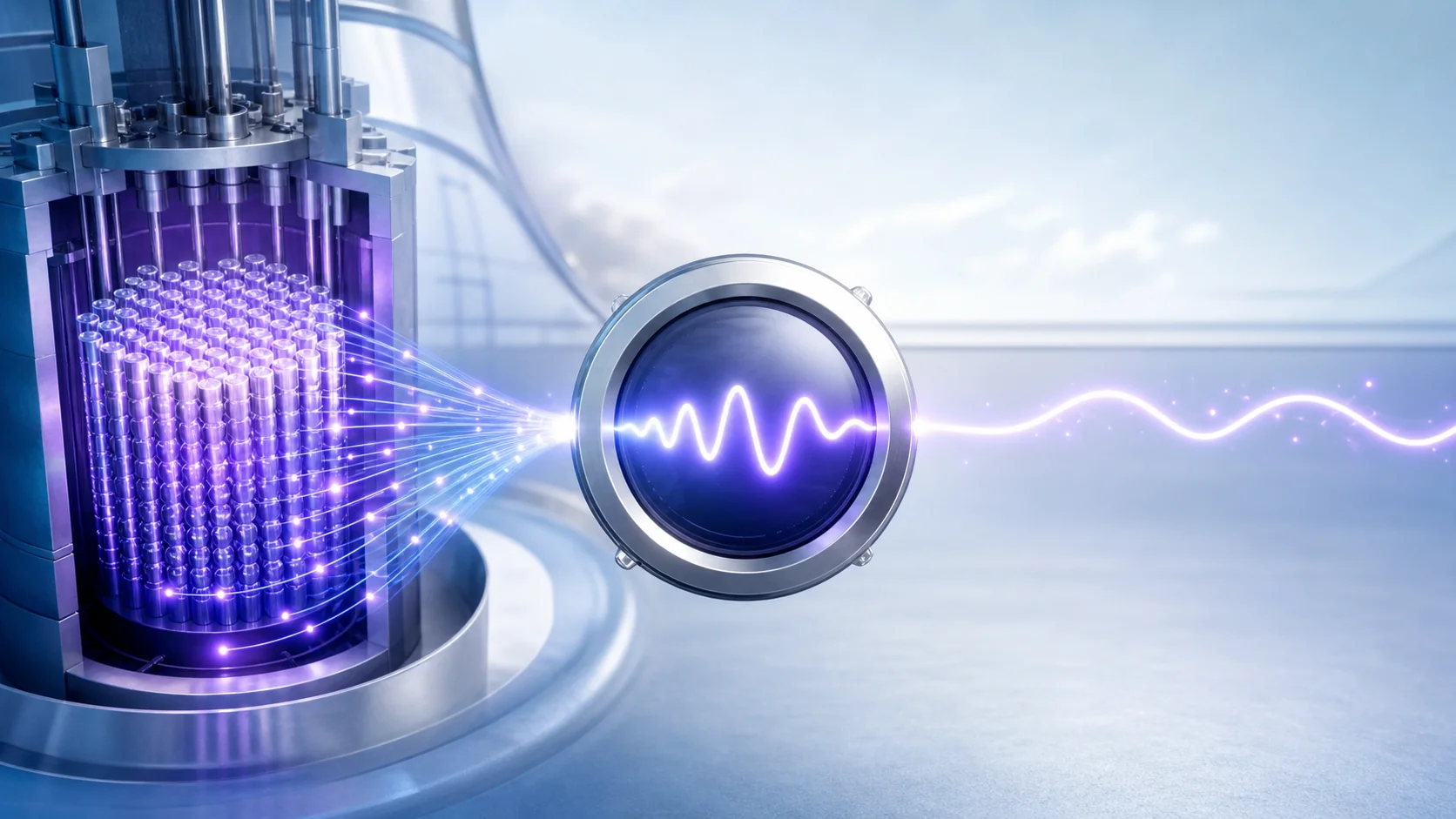
One Thermometer for a Whole Building — What the Point Kinetics Equations Do
Point kinetics assumes the core's flux keeps its shape and follows only total power over time, reducing space-time kinetics to a few equations in ρ, β, Λ and precursor concentration, valid when the whole core moves together.
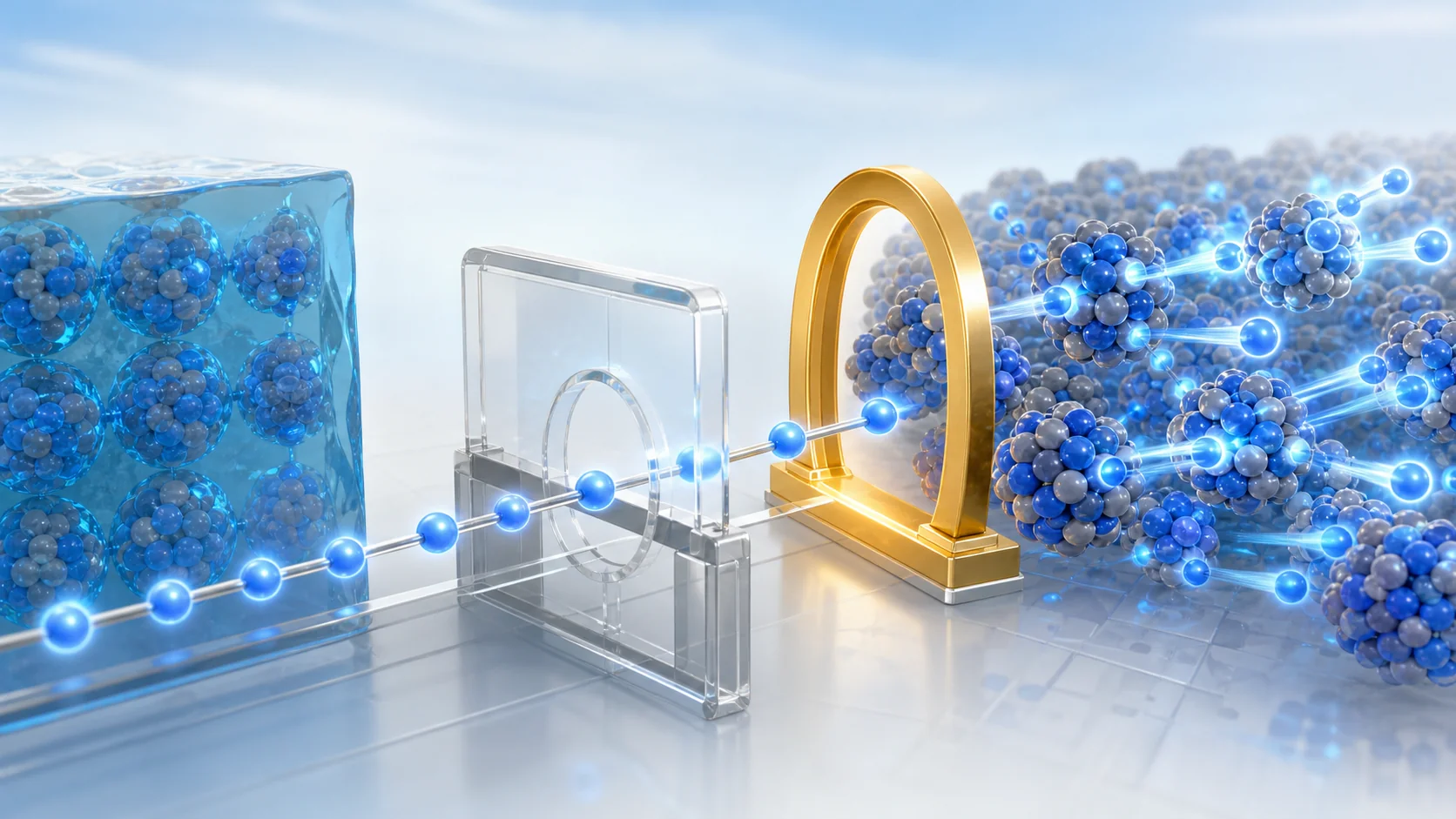
Dominoes That Fall All the Way on Their Own — Why Prompt Criticality Is a Special Boundary
When reactivity reaches the delayed neutron fraction (one dollar, about 0.65%), prompt neutrons alone sustain the chain reaction and its time scale drops from seconds to a few hundred microseconds, so power reactors are designed never to approach this line.
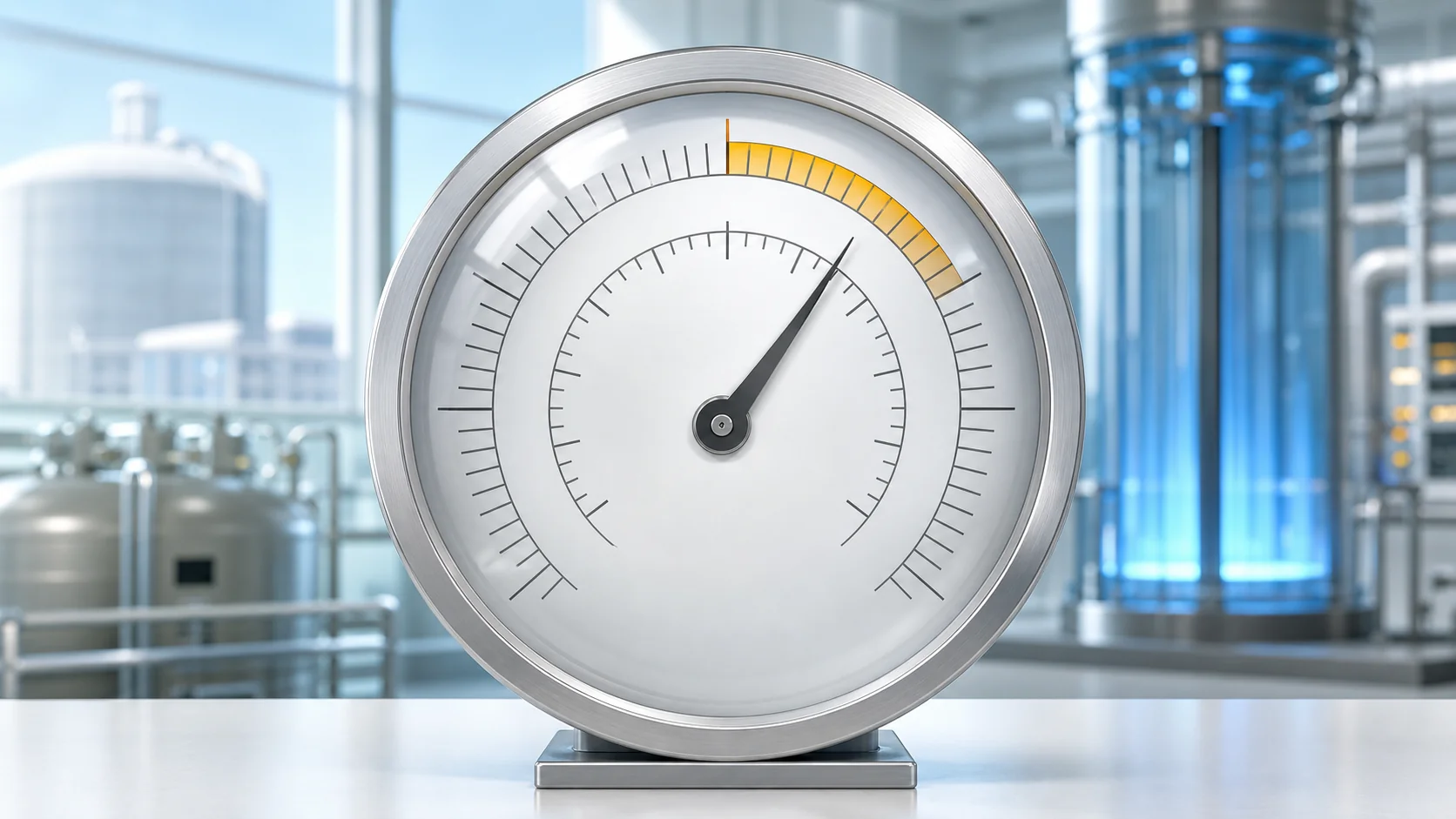
Why a Thermometer Has Two Scales — Dollars and Cents, Another Ruler for Reactivity
One dollar of reactivity equals the effective delayed neutron fraction β (about 0.65% for low-enriched uranium cores), marking prompt criticality, so dollars and cents let engineers compare the margin to prompt critical across different reactors.

Is It the Reactor's Gas Pedal? — What Reactivity Really Measures
Reactivity, ρ = (k − 1)/k, is not a power setting but a measure of how far a reactor is from balance, so holding it above or below zero keeps power changing until it is brought back to zero.