Nuclear Theory archive — page 16

Even in a Maze, One Door Must Always Lead Out — Core Coolability as a Safety Goal
Core coolability is the safety goal that the fuel and coolant geometry and an unbroken heat path to the outside must hold in normal operation and every accident, so that the heat produced in the core never exceeds the heat that can be removed.
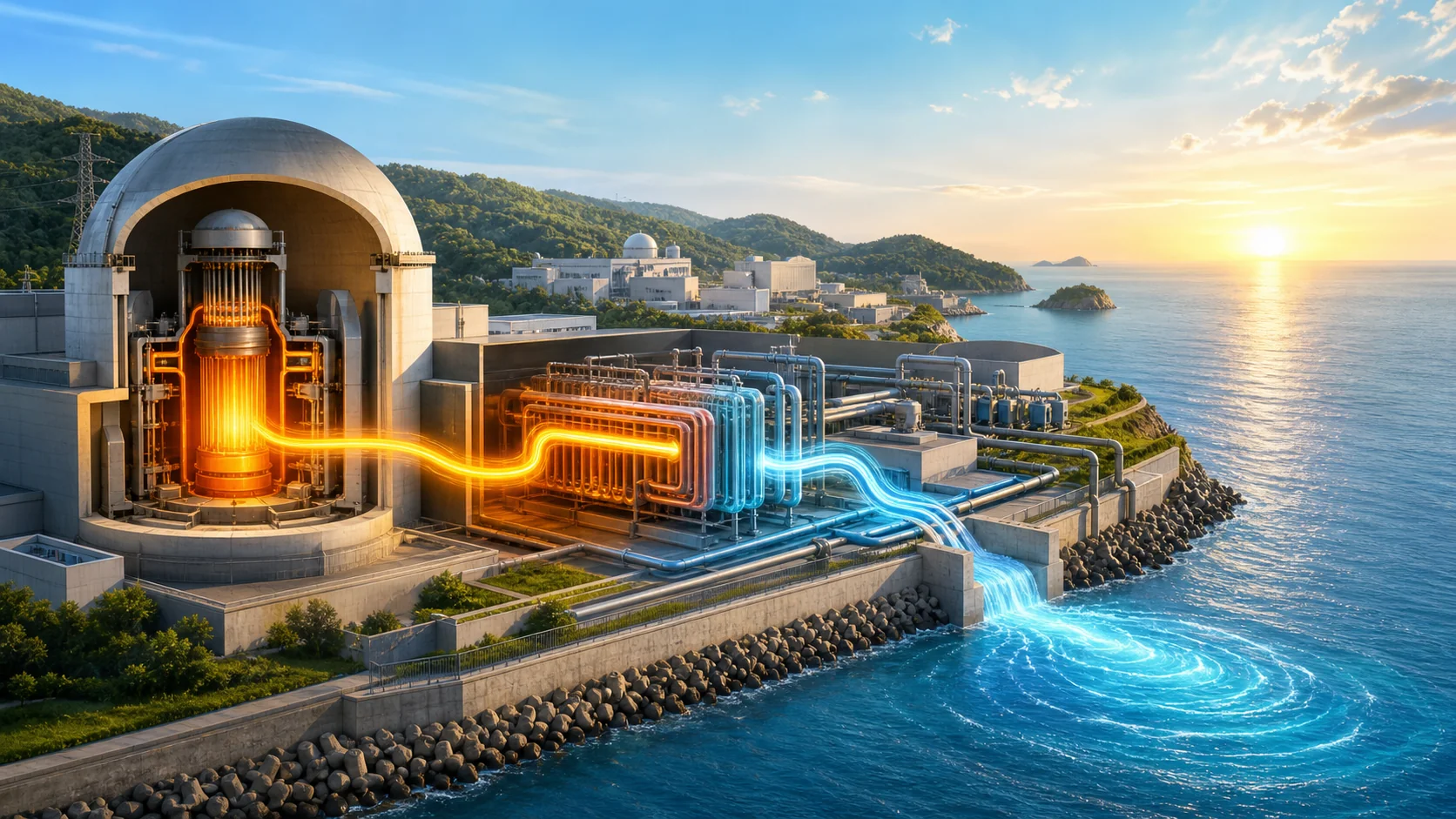
Why a Sauna Never Cools Itself Down — The Ultimate Heat Sink, Where Reactor Heat Must End Up
Because heat never vanishes but only moves, reactor heat, including decay heat during a loss-of-coolant accident, must pass through heat exchangers and cooling systems along an unbroken path to the ultimate heat sink, such as the sea, a river, a lake or the atmosphere.
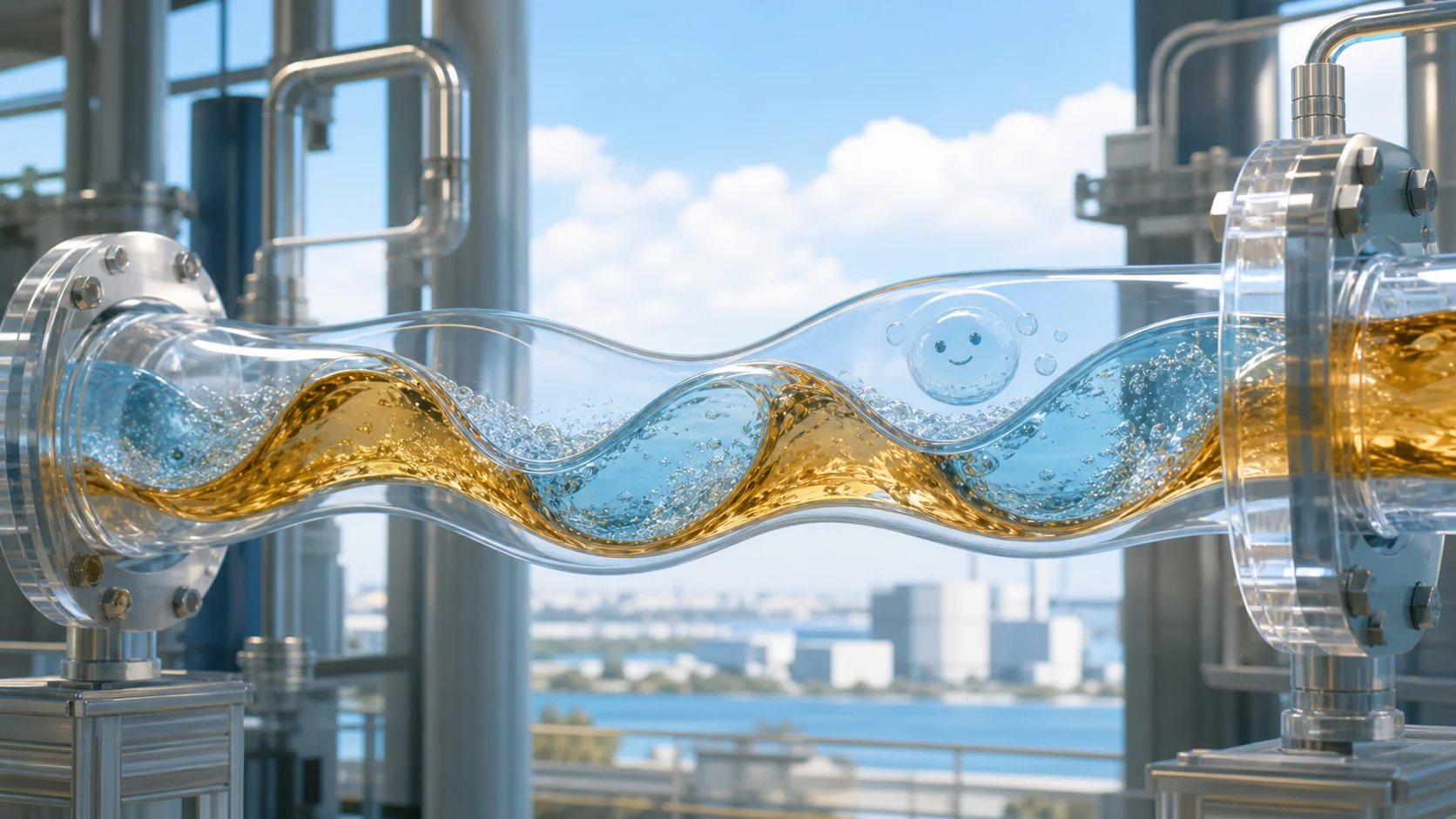
Why Your Straw Gurgles at the Bottom of the Cup — Thermal-Hydraulic Instability Made Simple
Where water and steam flow together, the links between flow rate, pressure difference and void fraction stop being simple, so the flow itself can surge like a gurgling straw, which is why reactors and steam generators are designed with margin to keep it out of the operating range.
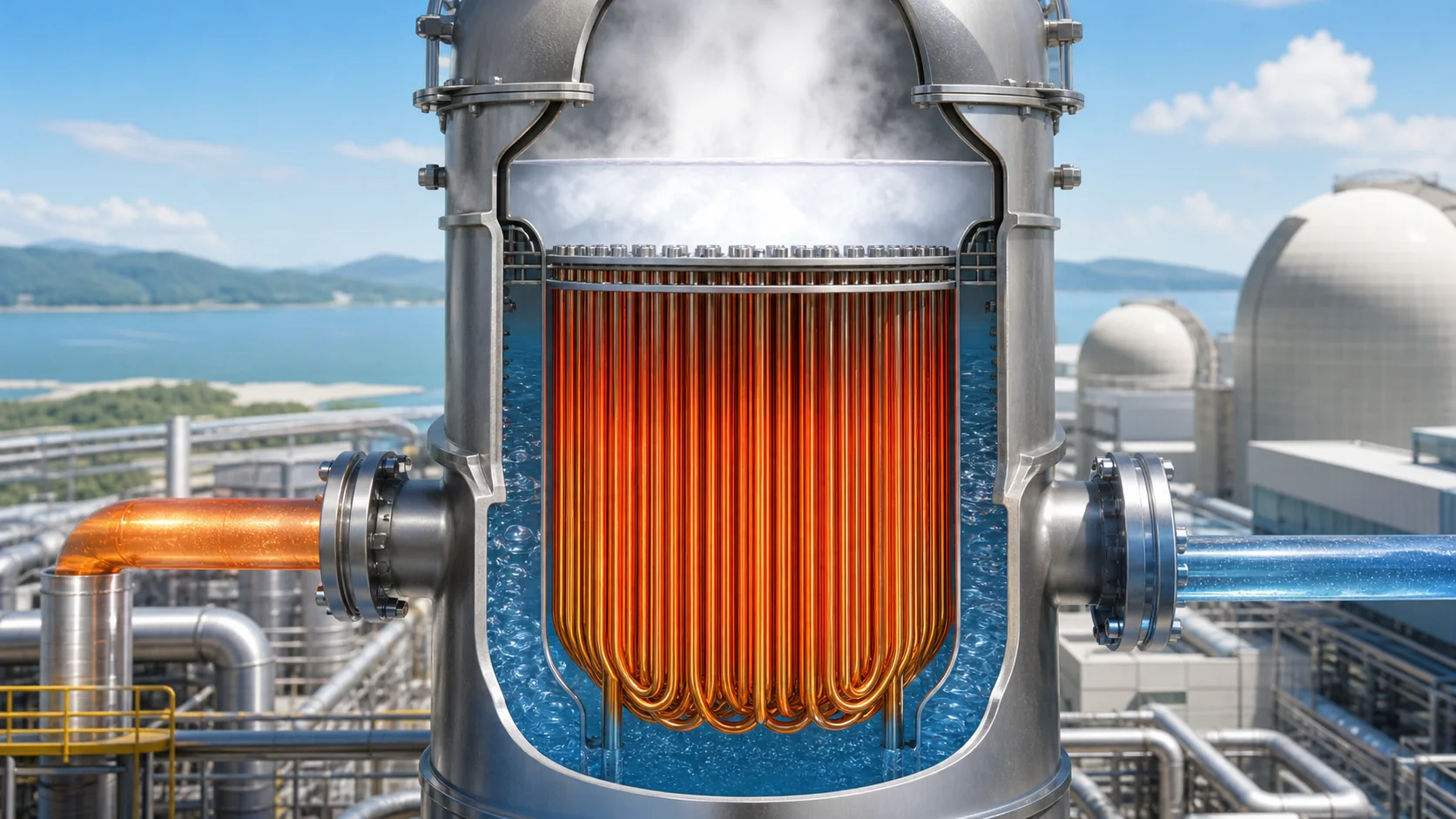
A Radiator Split into Thousands of Pieces — Heat Exchange in Steam Generator Tubes
In a steam generator tube, heat passes from hot primary water to the wall by forced convection, through the thin nickel-alloy wall by conduction, and into boiling secondary water by nucleate boiling, and because the temperature difference is only a few tens of degrees, thousands of tubes supply the needed area.
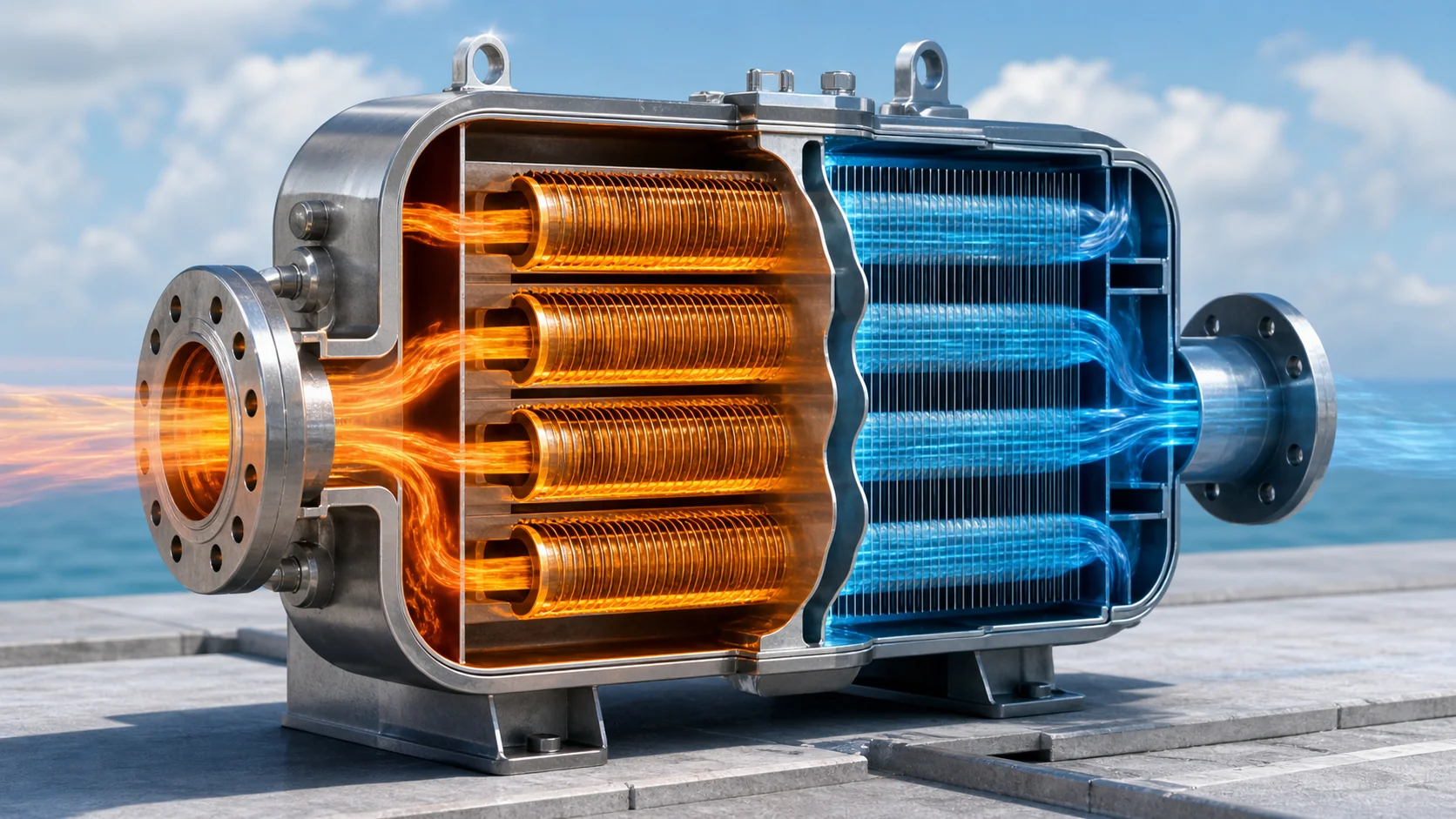
Passing Heat Without Shaking Hands — How a Heat Exchanger Works
Like a car radiator, a heat exchanger passes heat from one fluid to another through a thin wall without mixing them, and Q = U × A × ΔT shows that a better coefficient, more area or a larger temperature difference moves more heat.
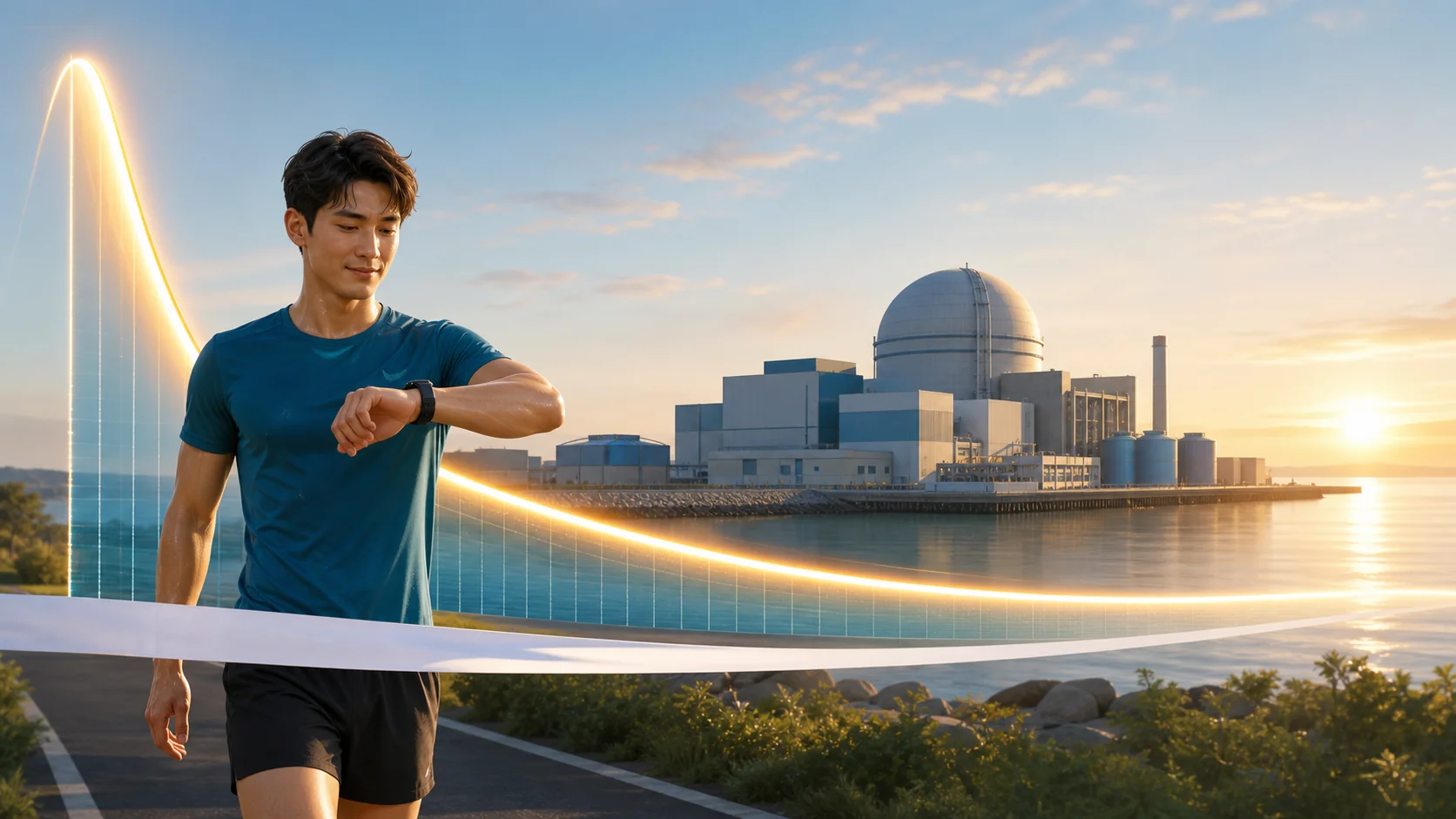
Slamming the Brakes, Then Coasting to a Stop — An Intuitive Look at the Decay Heat Curve
Short-lived fission products vanish quickly and long-lived ones linger, so decay heat drops from about 6% of pre-shutdown power to about 1% within an hour but then fades only slowly, still tens of megawatts in a large reactor.
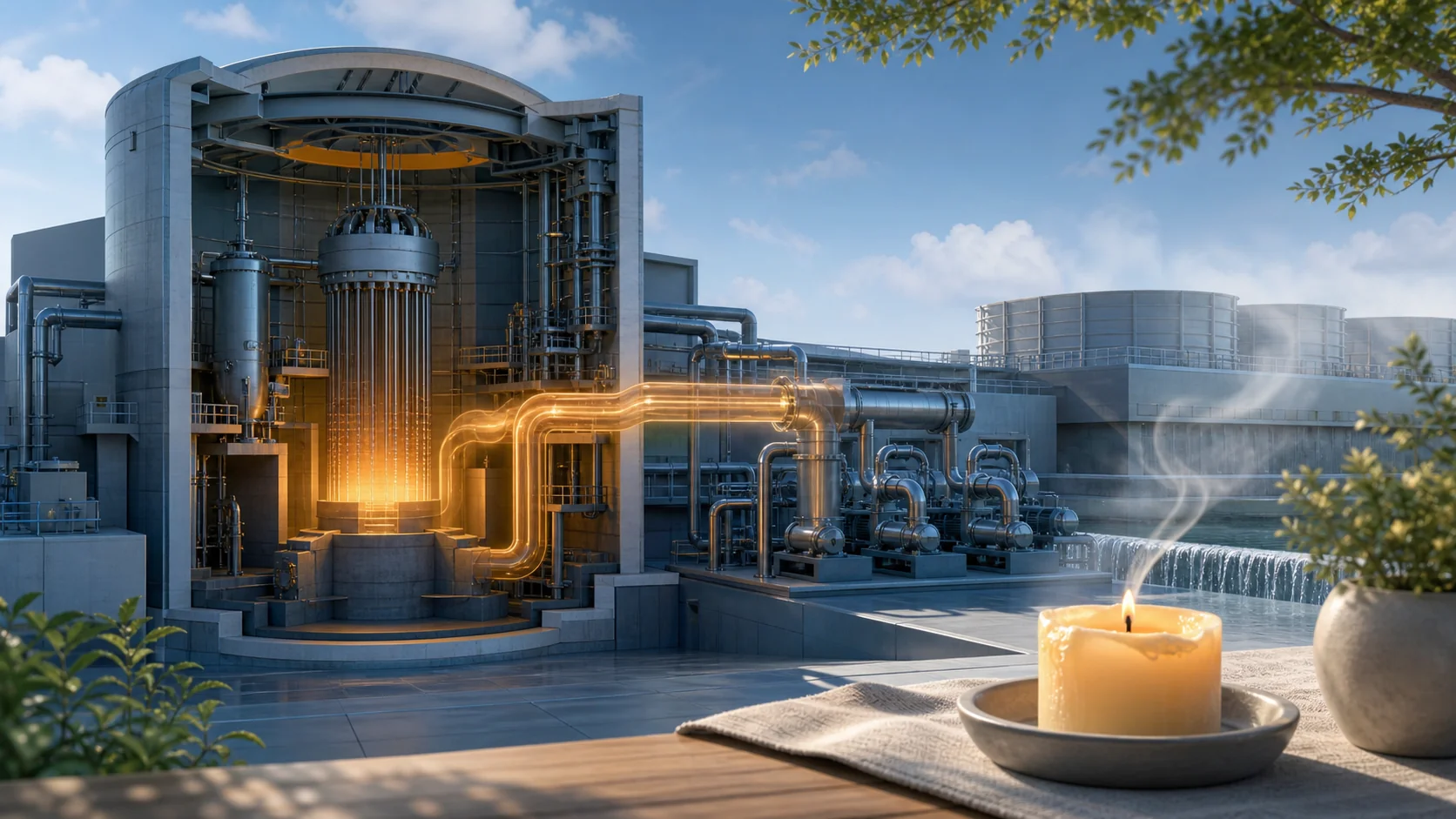
Blow Out the Candle and the Wick Stays Hot — Why Decay Heat Remains After a Reactor Shuts Down
After shutdown, the radioactive decay of fission products that make up roughly 6–7% of fission energy keeps the core producing heat, about 200 MW right after shutdown for a 3,000 MW thermal reactor, falling steeply and then trailing off in a long tail.
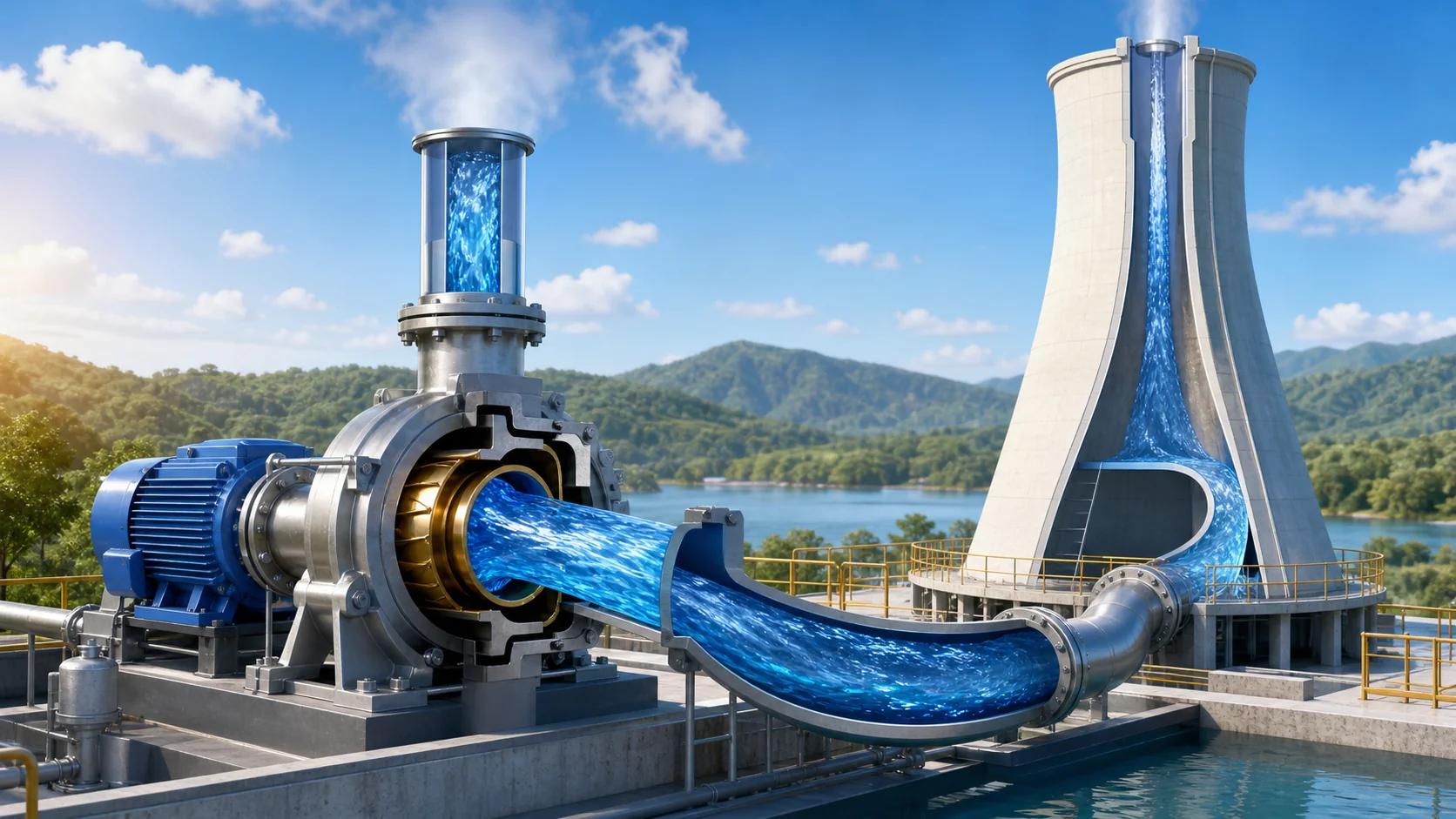
A Fan Next to the Chimney — Forced vs. Natural Circulation in a Reactor
Large commercial reactors use pump-driven forced circulation to carry full-power heat, while natural circulation, much weaker but enough for decay heat, is a designed and proceduralized backup when all coolant pumps are lost and the normal mode in some SMR designs.
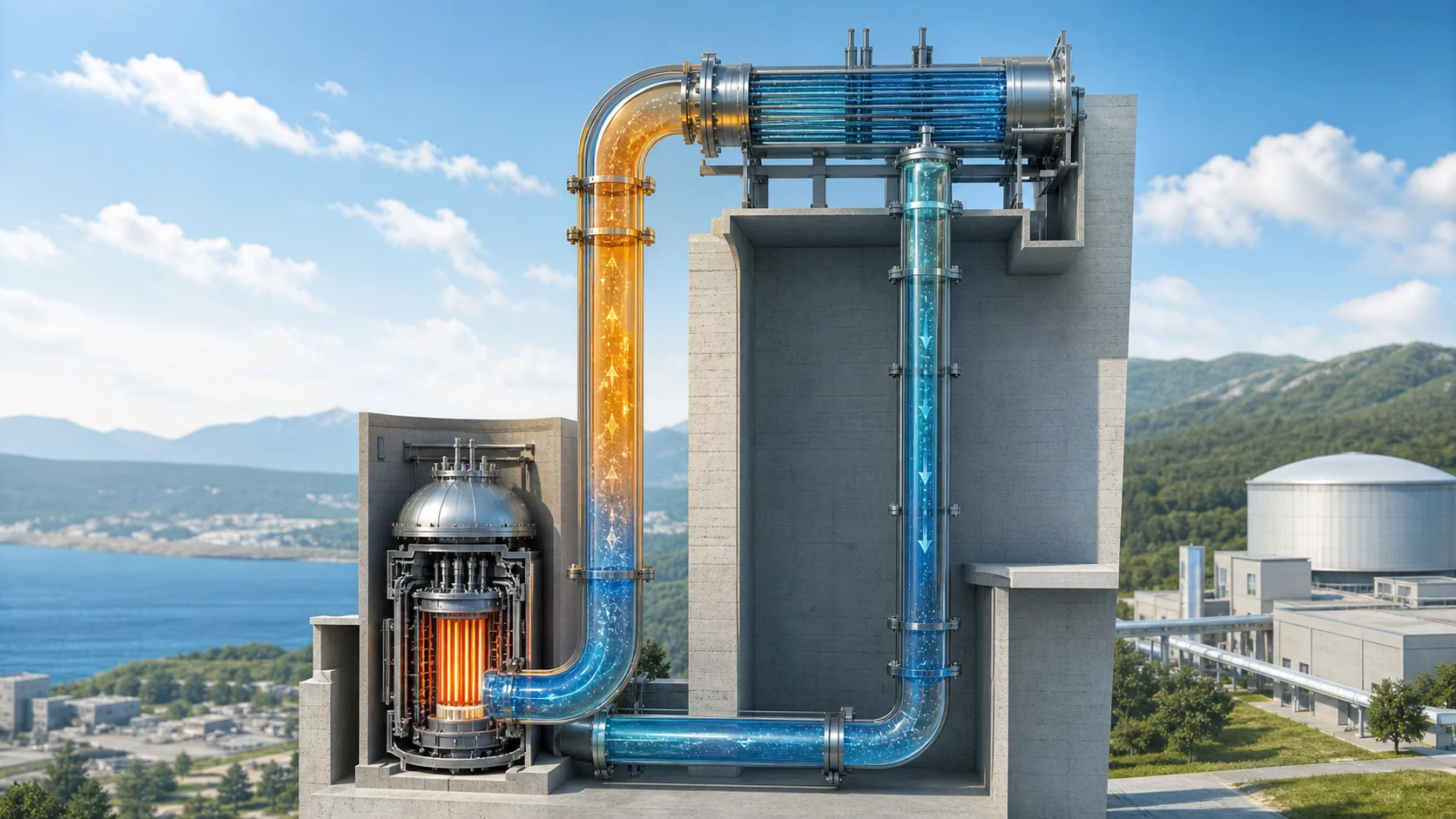
The Smoke That Climbs on Its Own — How Natural Circulation Cools a Reactor Without Pumps
Natural circulation moves coolant around a closed loop using only the density difference between hot and cold coolant and the height between core and heat exchanger, which is why it serves as a passive safety means that needs neither pumps nor power.
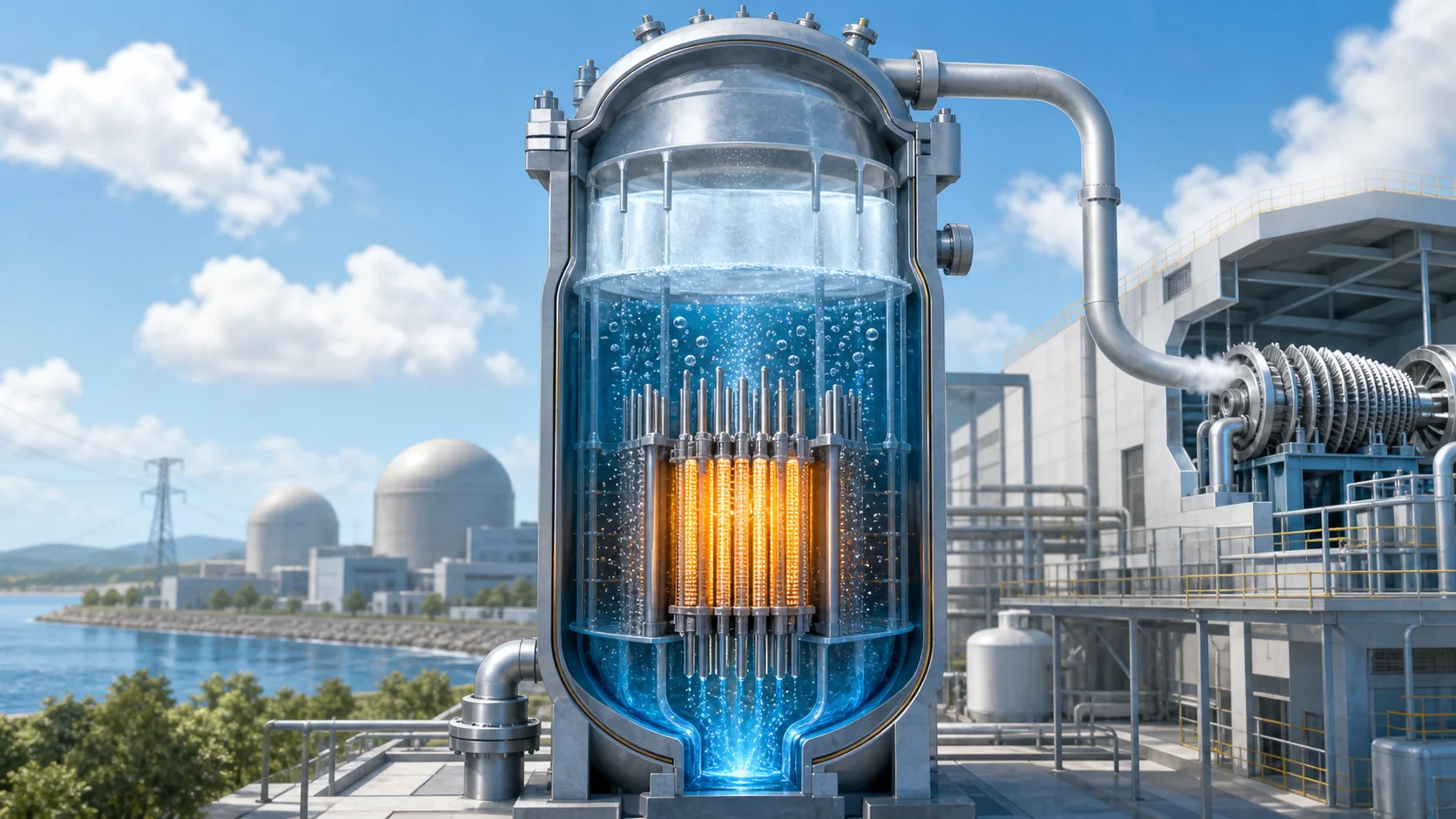
Taking the Lid Off the Pressure Cooker — Why a Boiling Water Reactor Boils Inside the Core
A boiling water reactor runs at about 7.2 MPa so that roughly 14–15% of the coolant turns to steam in the core, and that steam goes straight to the turbine with no steam generator, a direct cycle that also places the turbine inside a radiation-controlled area.