Nuclear Theory archive — page 10
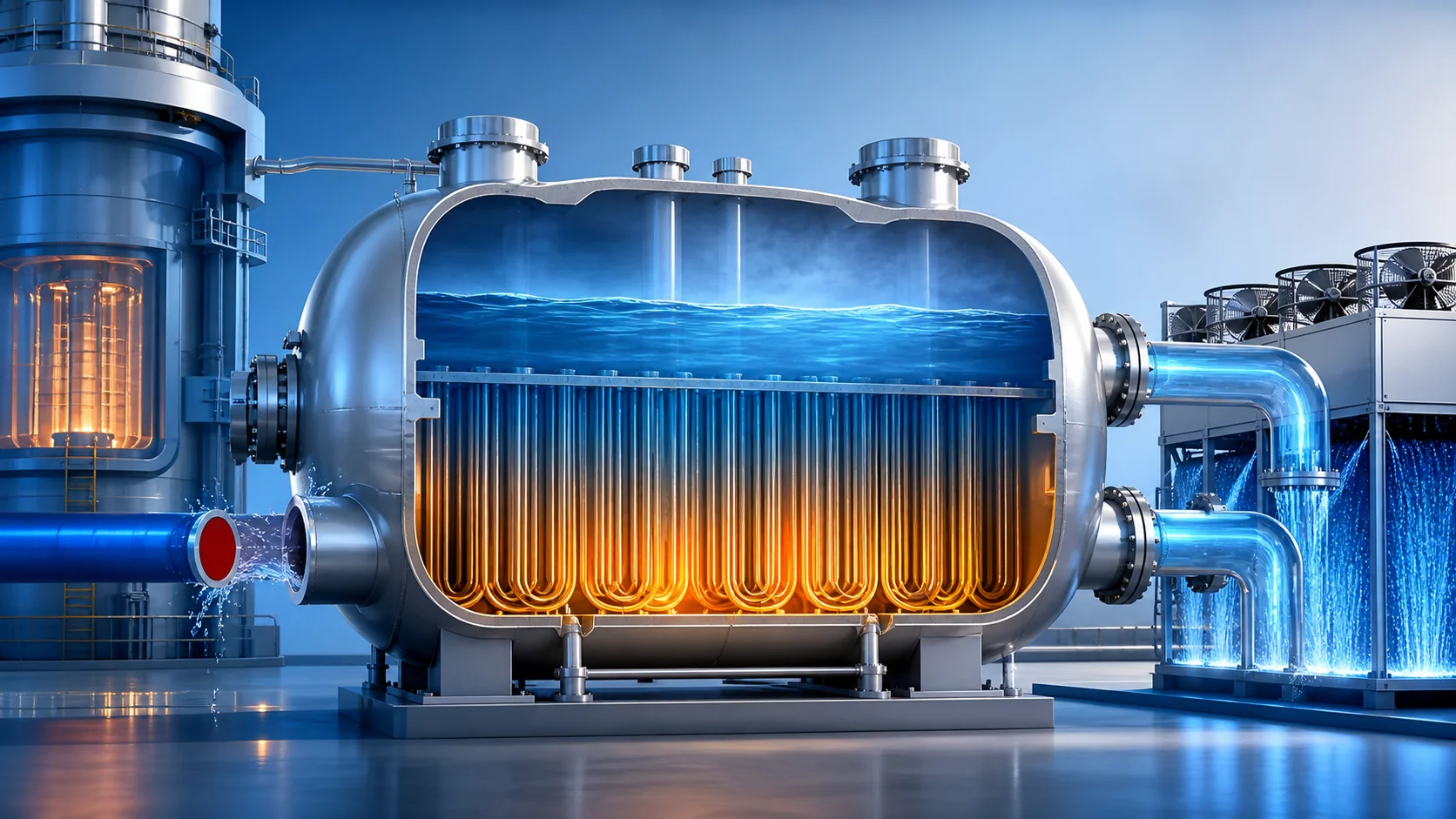
Like a Reservoir Whose River Runs Dry — The Loss of Feedwater Accident
Losing the feedwater to the steam generators threatens the reactor's main path for rejecting heat, and because decay heat of roughly 6–7% remains after shutdown, plants trip automatically and start independent auxiliary feedwater.
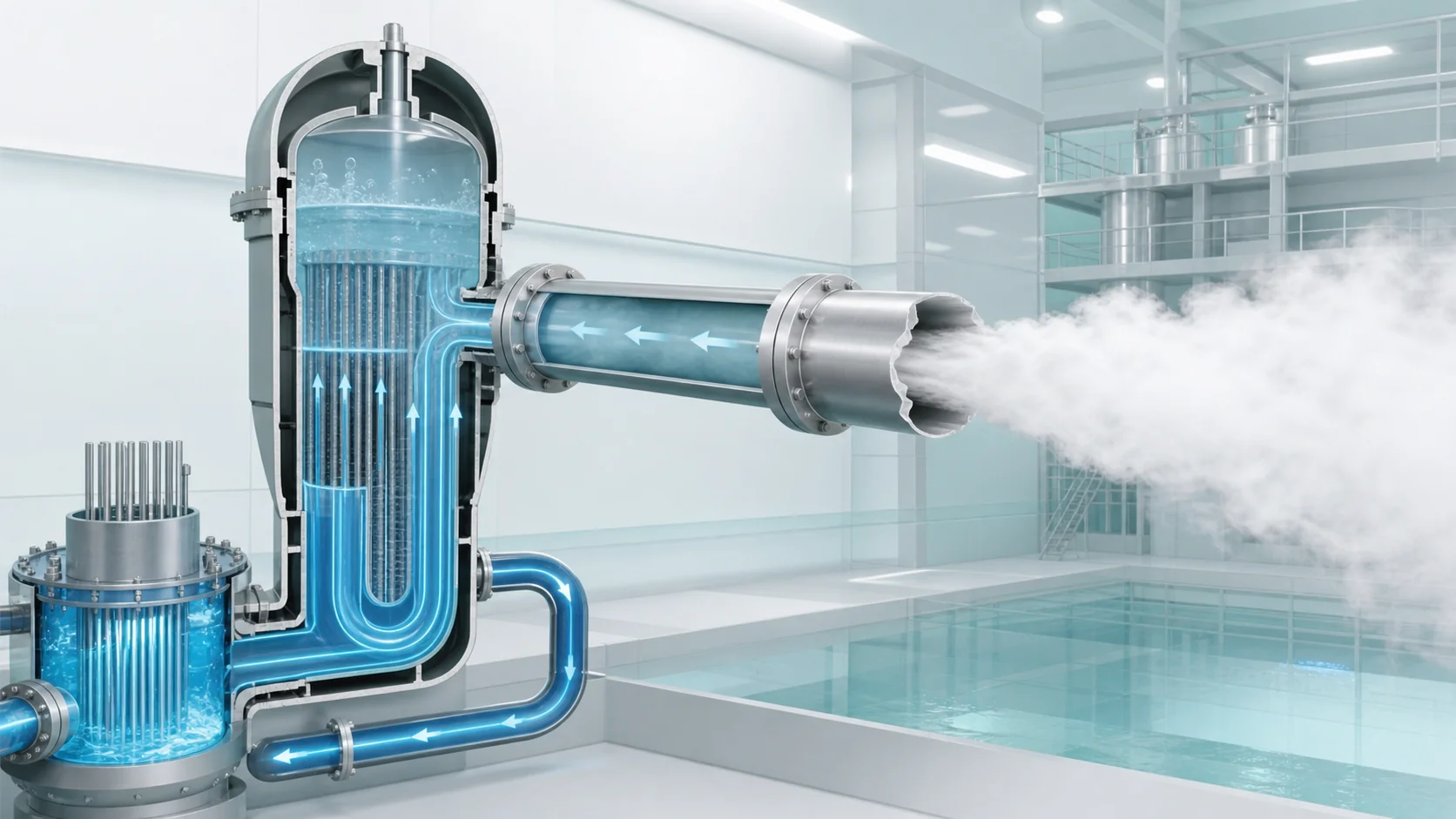
The Myth That Colder Is Always Safer — The Main Steam Line Break Accident
A main steam line break overcools the reactor, and because colder, denser water moderates neutrons better it adds positive reactivity, which reactor trip, steam isolation, feedwater control and borated water injection hold in check.
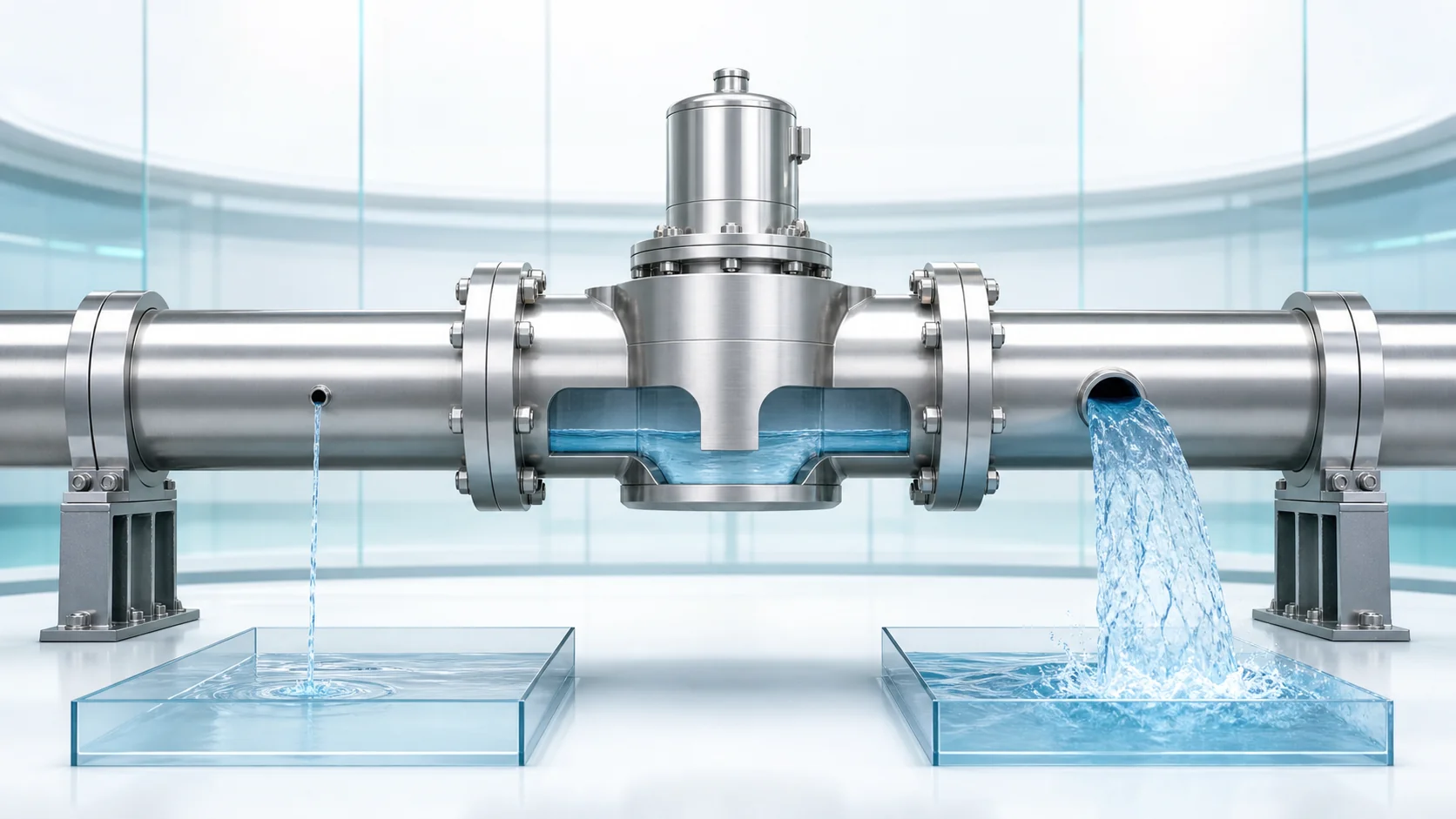
A Slow Leak or a Sudden Burst? — Small-Break LOCA vs Large-Break LOCA
Break size sets how fast a LOCA unfolds: a large break depressurizes within seconds to tens of seconds and relies on accumulators and low-pressure injection, while a small break stays at high pressure for minutes to hours and relies on high-pressure injection.
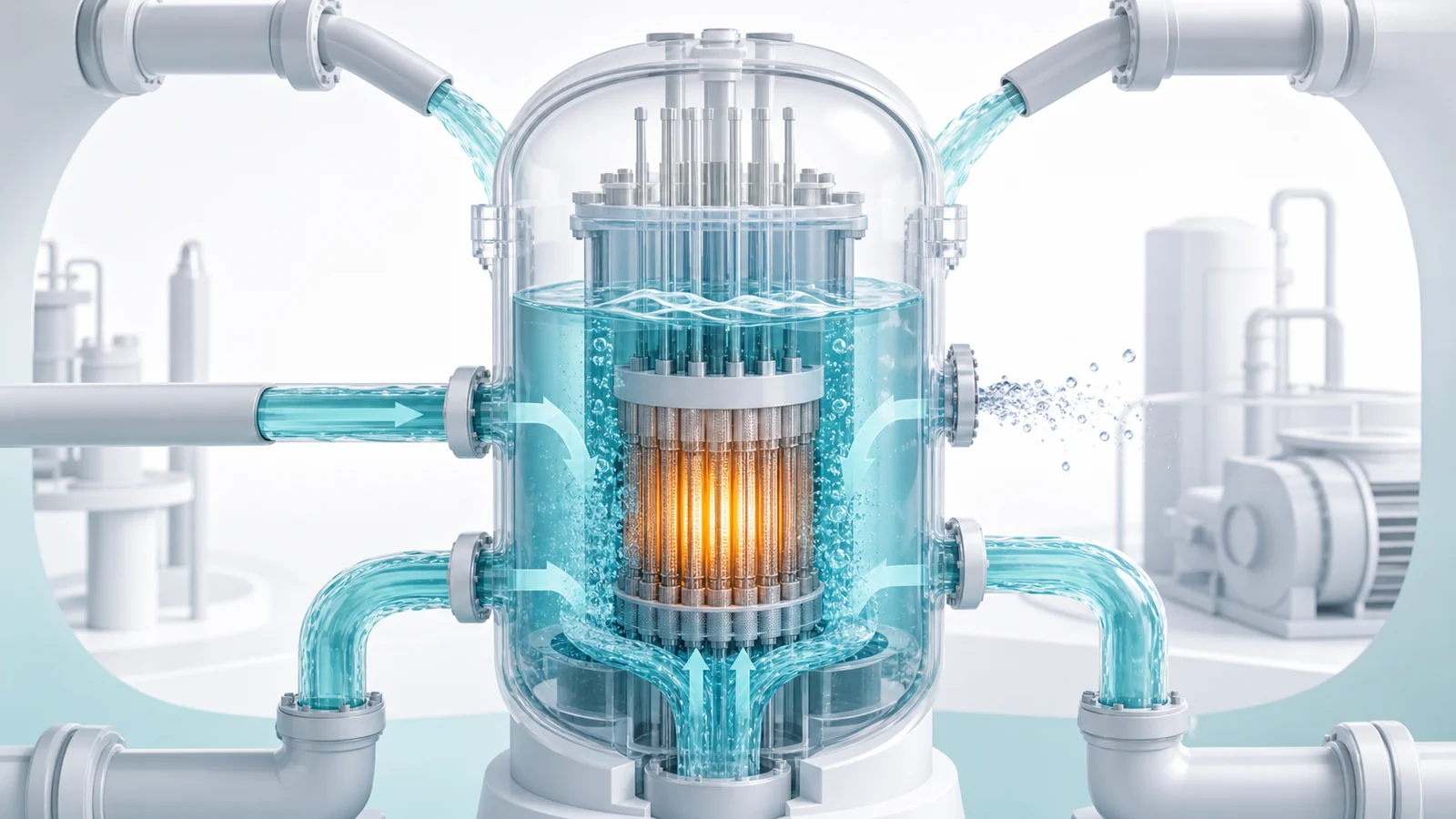
The Paychecks Stopped but the Autopay Didn't — The Basic Scenario of a LOCA
In a loss-of-coolant accident the water that carries heat escapes, and because decay heat of about 6–7% remains right after shutdown, emergency core cooling must keep heat removed at least equal to decay heat.
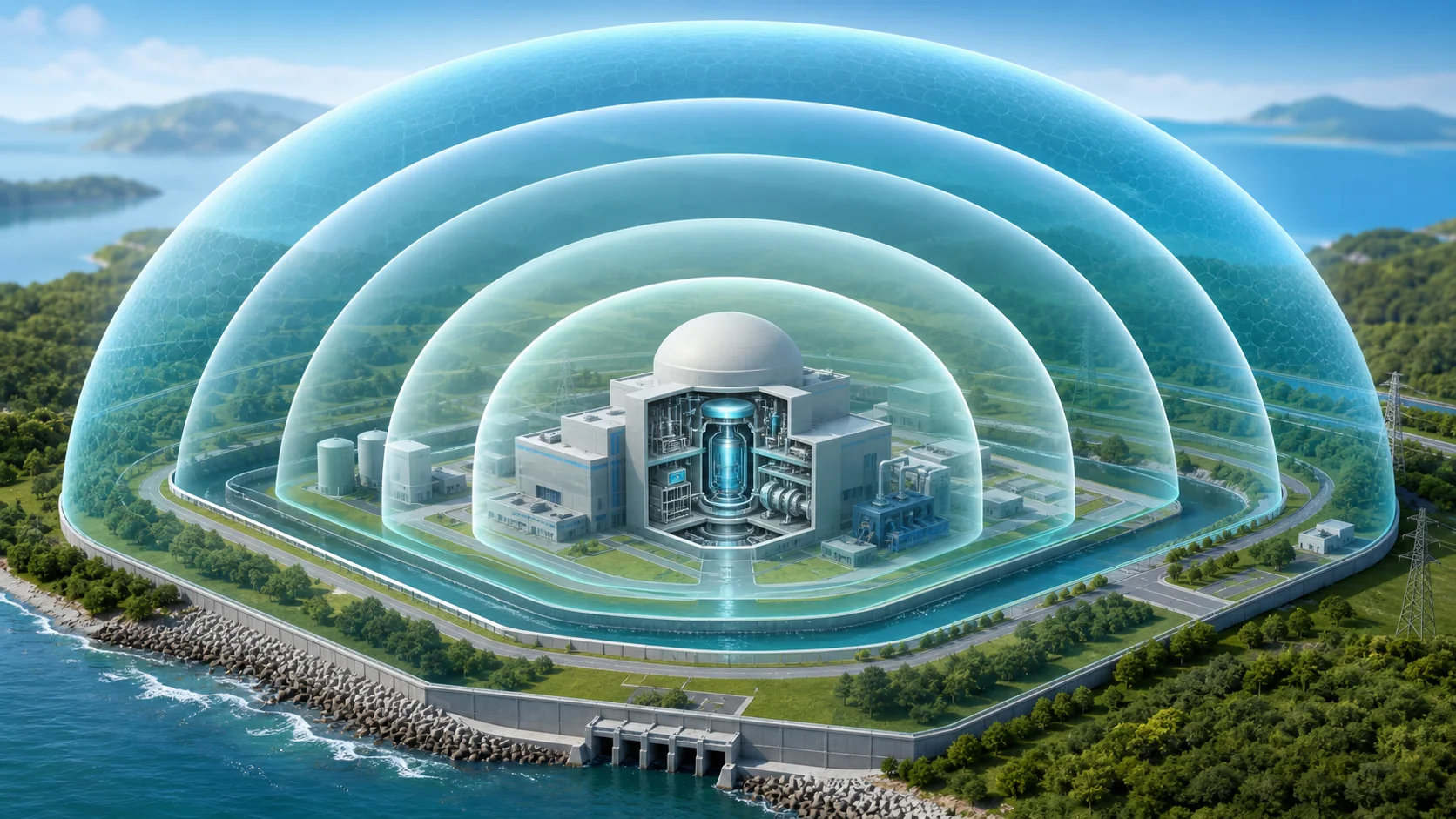
Studying Past the Syllabus — What a Beyond-Design-Basis Accident Really Means
A beyond-design-basis accident goes past the range a plant is designed to withstand; it is far less likely than a design-basis accident but never treated as impossible, and further layers of defense in depth stand beyond the line.
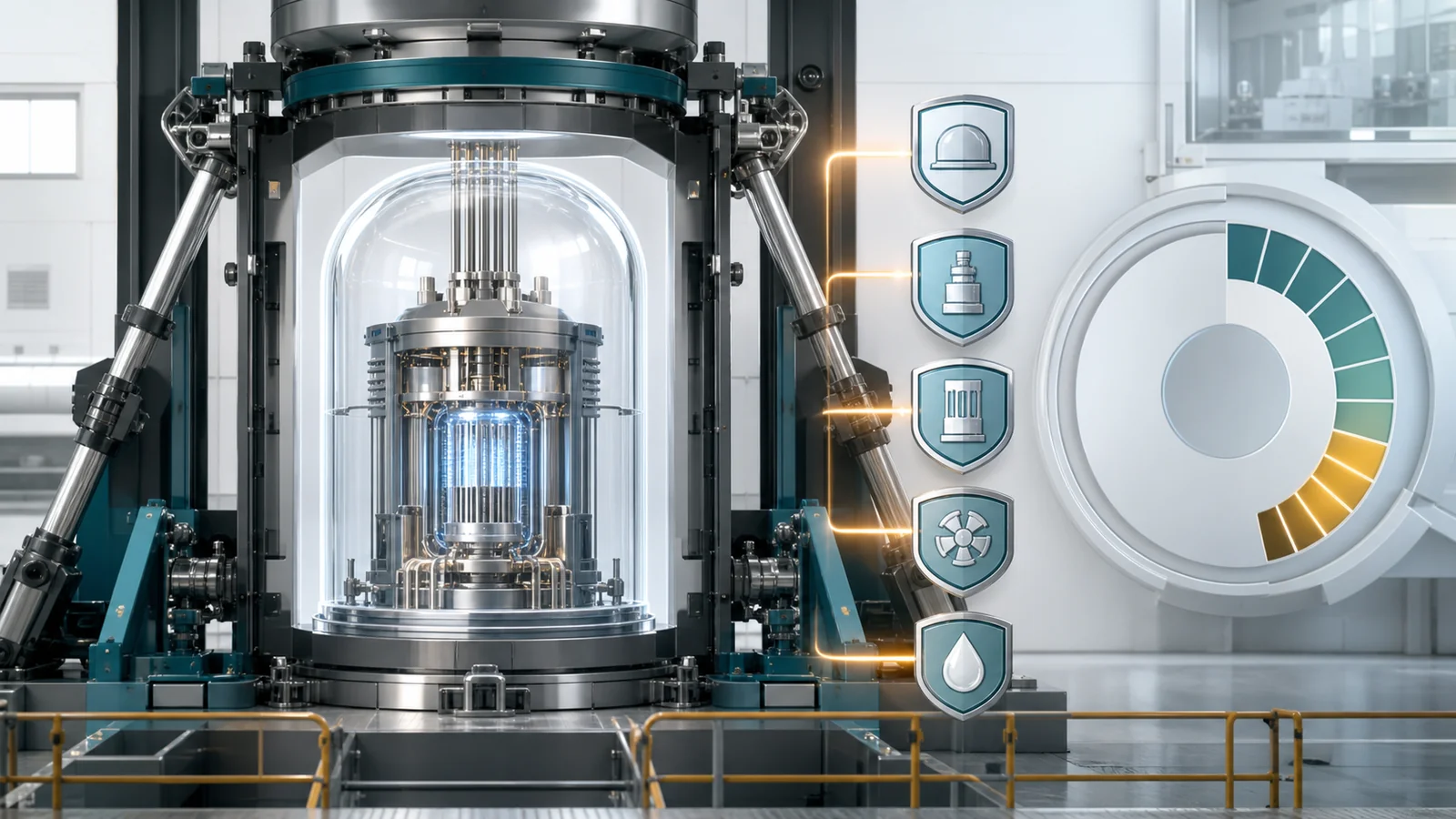
Like a Frozen Frame at a Crash-Test Track — The Design Basis Accident a Nuclear Plant Plans For
A design basis accident is a representative accident postulated in advance as the yardstick for designing and verifying a nuclear plant's safety systems, analyzed with conservative and single-failure assumptions so key safety variables stay below acceptance limits with margin.
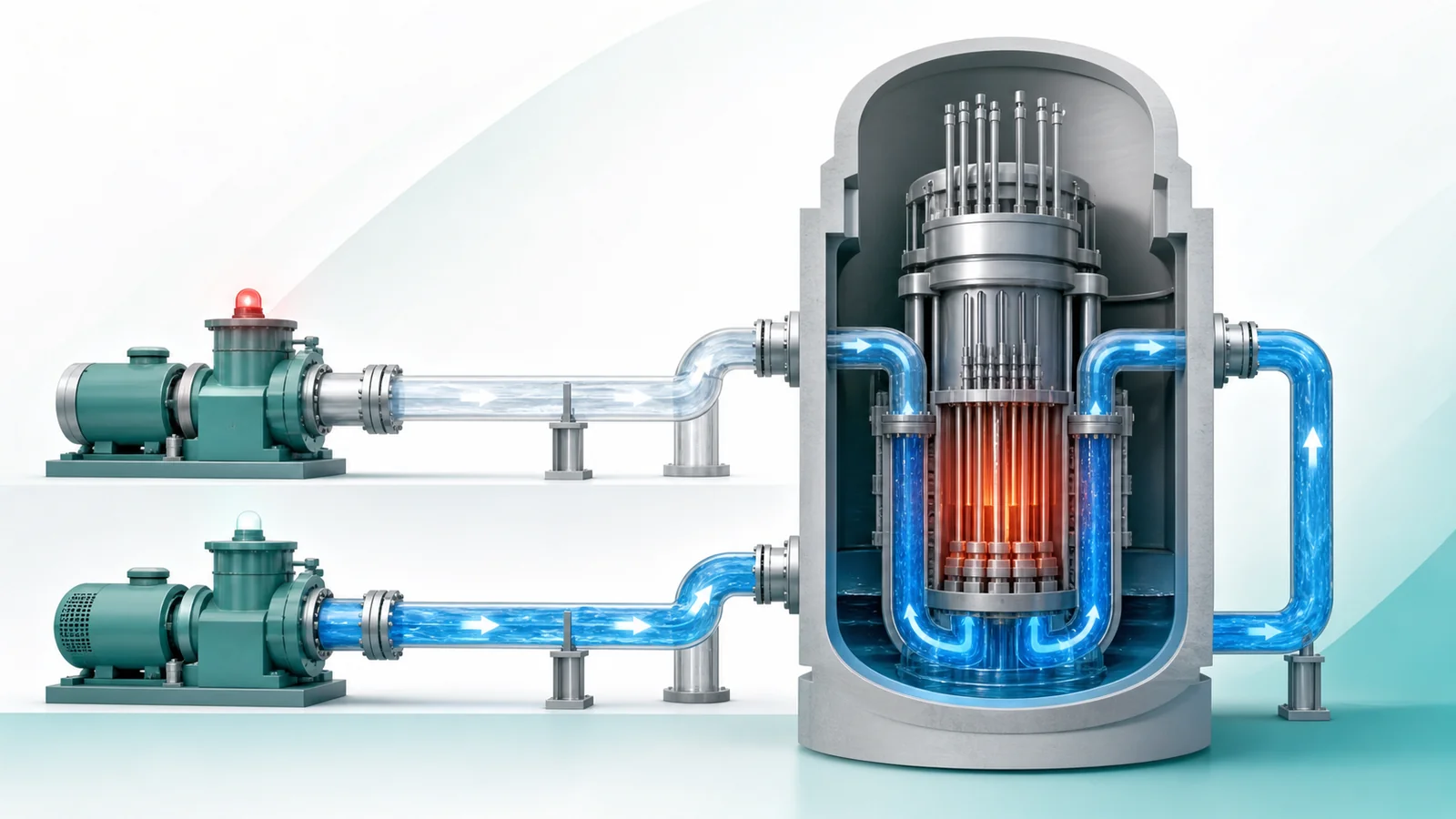
Lose a Player, Still Win the Match — The Single Failure Criterion in Nuclear Plants
The single failure criterion requires safety systems to perform their function even if the worst single component fails during an accident, which is why they have at least one spare train (M ≥ N + 1), backed by diversity and independence against common cause failures.
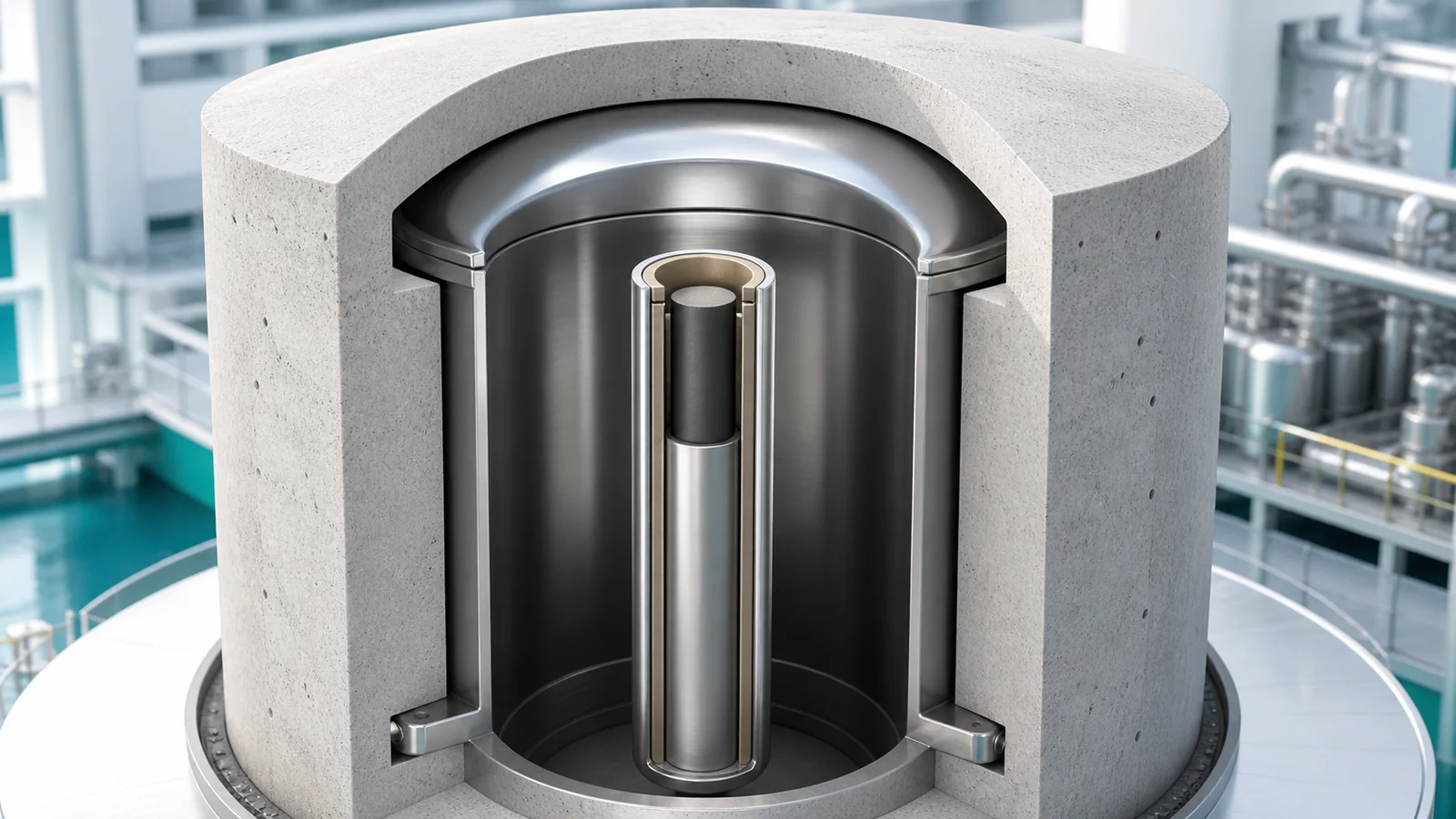
Never Trust a Single Bandage — Multiple Barriers That Lock Radioactive Material In, Layer by Layer
Multiple barriers are independent physical walls of different kinds, from the fuel pellet and cladding to the reactor coolant pressure boundary and containment building, that keep radioactive material from reaching the environment.

A Home That Doesn't Trust One Fire Extinguisher — Defense in Depth, the Layers That Guard a Nuclear Plant
Defense in depth stacks five independent levels of defense and several physical barriers so that when one layer fails the next takes over, with redundancy, diversity and independence guarding against common cause failures.

Nuclear Safety Never Promises "Zero Accidents" — What the Nuclear Safety Objective Really Aims For
The fundamental objective of nuclear safety is protecting people and the environment from the harmful effects of ionizing radiation, achieved not by promising zero risk but by keeping risk low through prevention and mitigation together.