Nuclear Theory archive — page 11
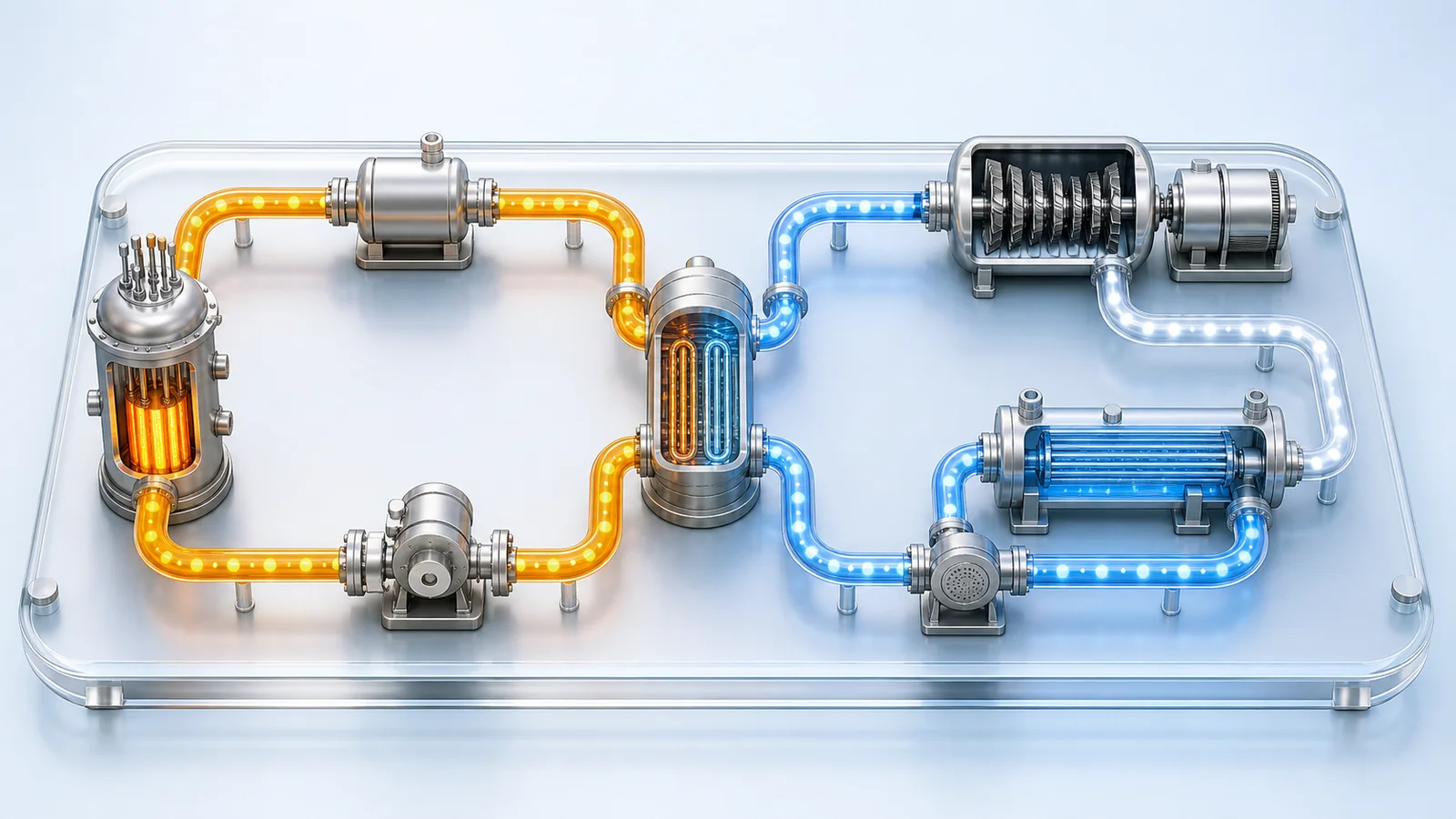
Read It Like a Subway Map — First Steps in Reading a Nuclear Plant System Diagram
A system diagram shows a plant's components and flows with agreed symbols; read it by following the flow, and in a PWR you find two closed loops that trade only heat at the steam generator.
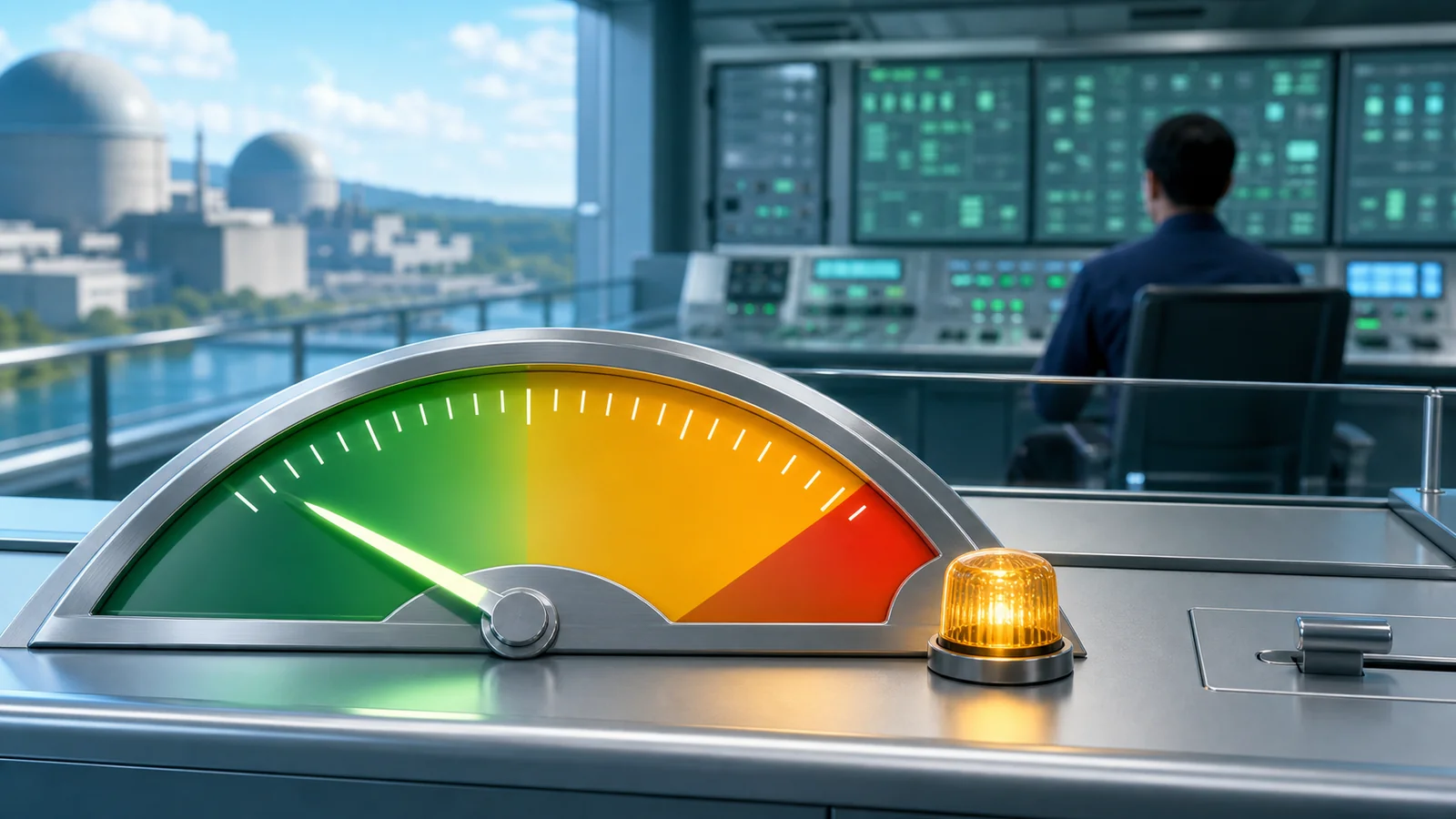
A Warning Light Isn't a Crash — Normal Operation and Abnormal Operation in a Nuclear Plant
Normal operation includes planned changes such as startup and load following; abnormal operation is an anticipated departure from the normal range that is still an operational state, not an accident, with its own procedures.
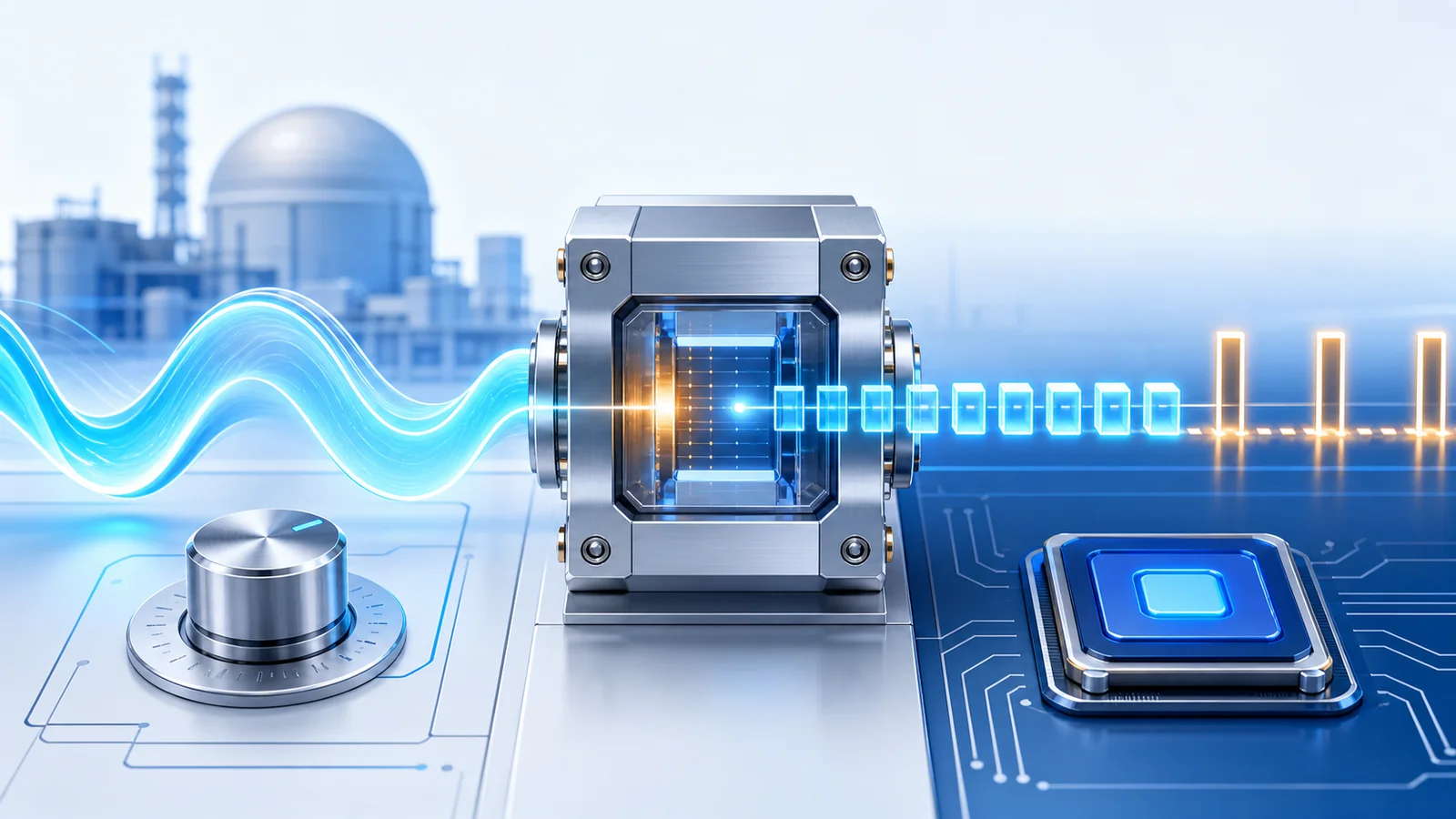
Turn the Knob or Press the Button? — Analog Control and Digital Control, Two Ways a Nuclear Plant Handles Signals
Analog control reacts to continuous signals through hard-wired circuits, digital control turns signals into numbers for software; each has its own strengths and cautions, so plants combine them with diversity and defense in depth.

A Reactor Can't Cry Out in Pain — So Instrumentation and Control (I&C) Feels and Reacts for It
Instrumentation and control (I&C) is the plant's sense organs and nervous system: a closed measure-decide-act loop with a continuous control system and an independent, reflex-like protection system that helps operators rather than replacing them.
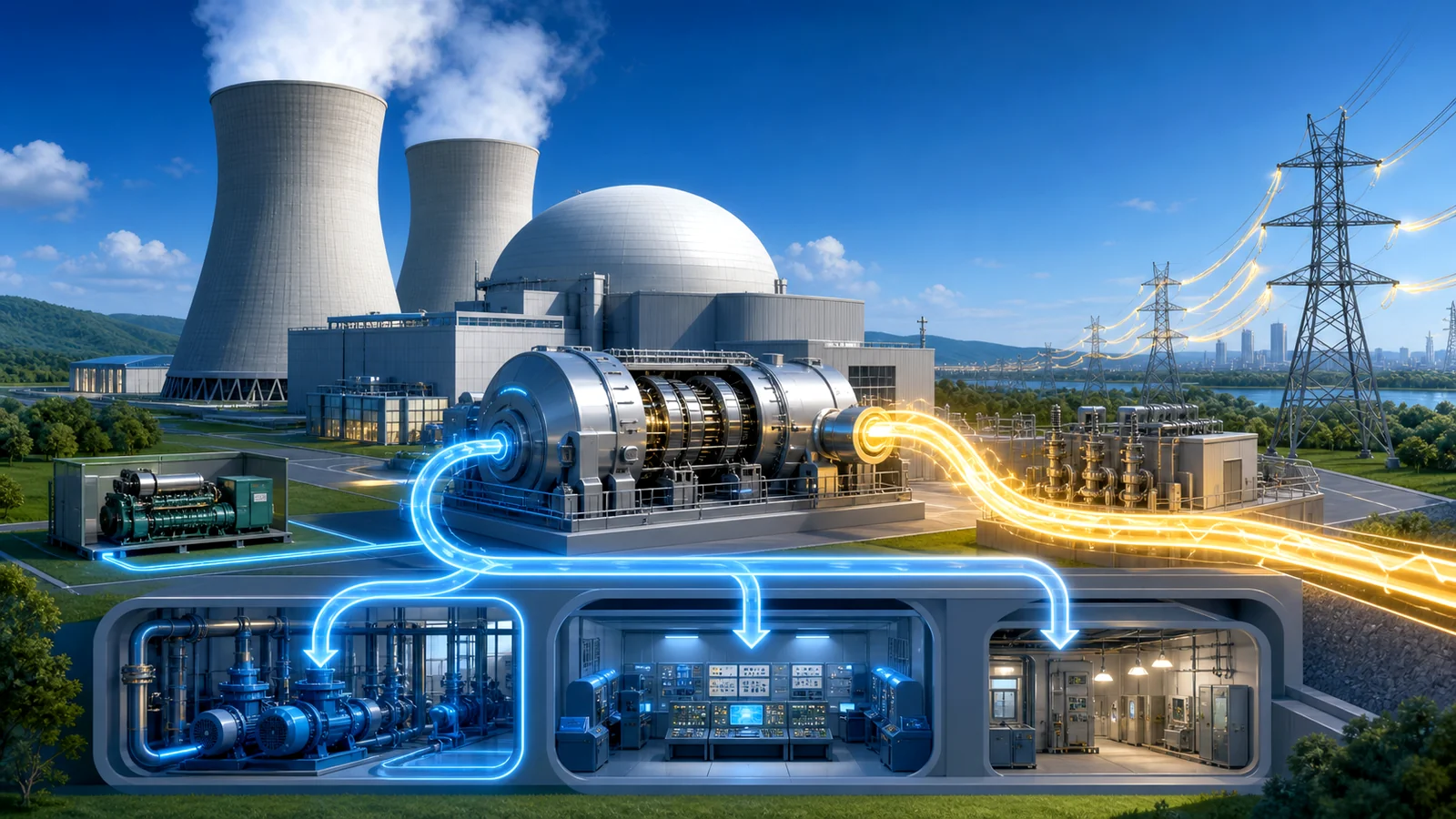
The Power Seller Most Afraid of a Blackout — How a Nuclear Plant's Electrical System Is Layered
A nuclear plant's electrical system sends power out to the grid and feeds in-house power to its own safety equipment from layered, independent sources: offsite power, emergency diesel generators and batteries.
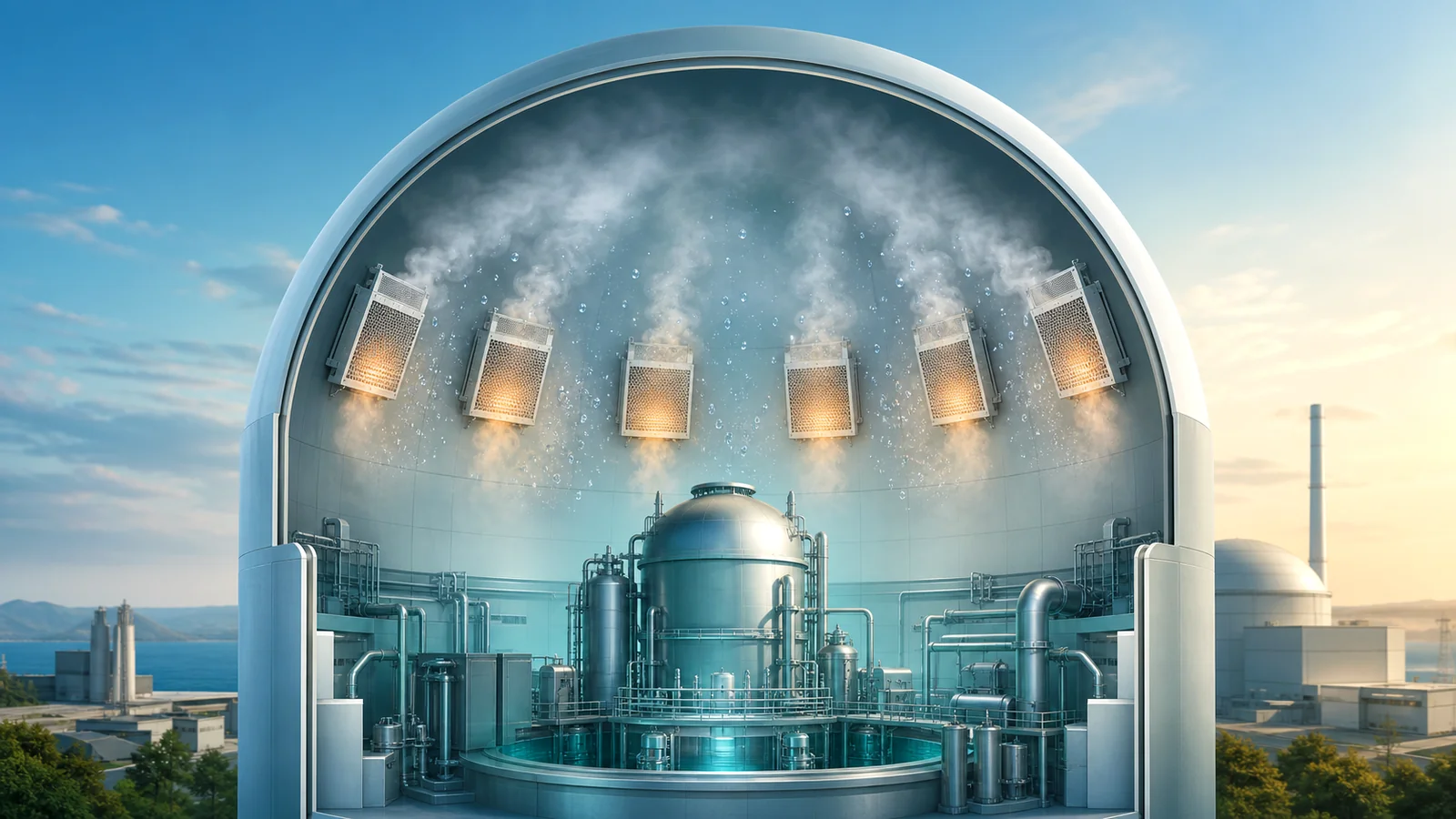
Quietly Turning an Invisible Gatecrasher Back Into Water — The Hydrogen Control System
The hydrogen control system protects the containment in a severe accident by removing hydrogen from hot zirconium-steam reactions, mainly with passive autocatalytic recombiners that turn it back into water without power or flame.
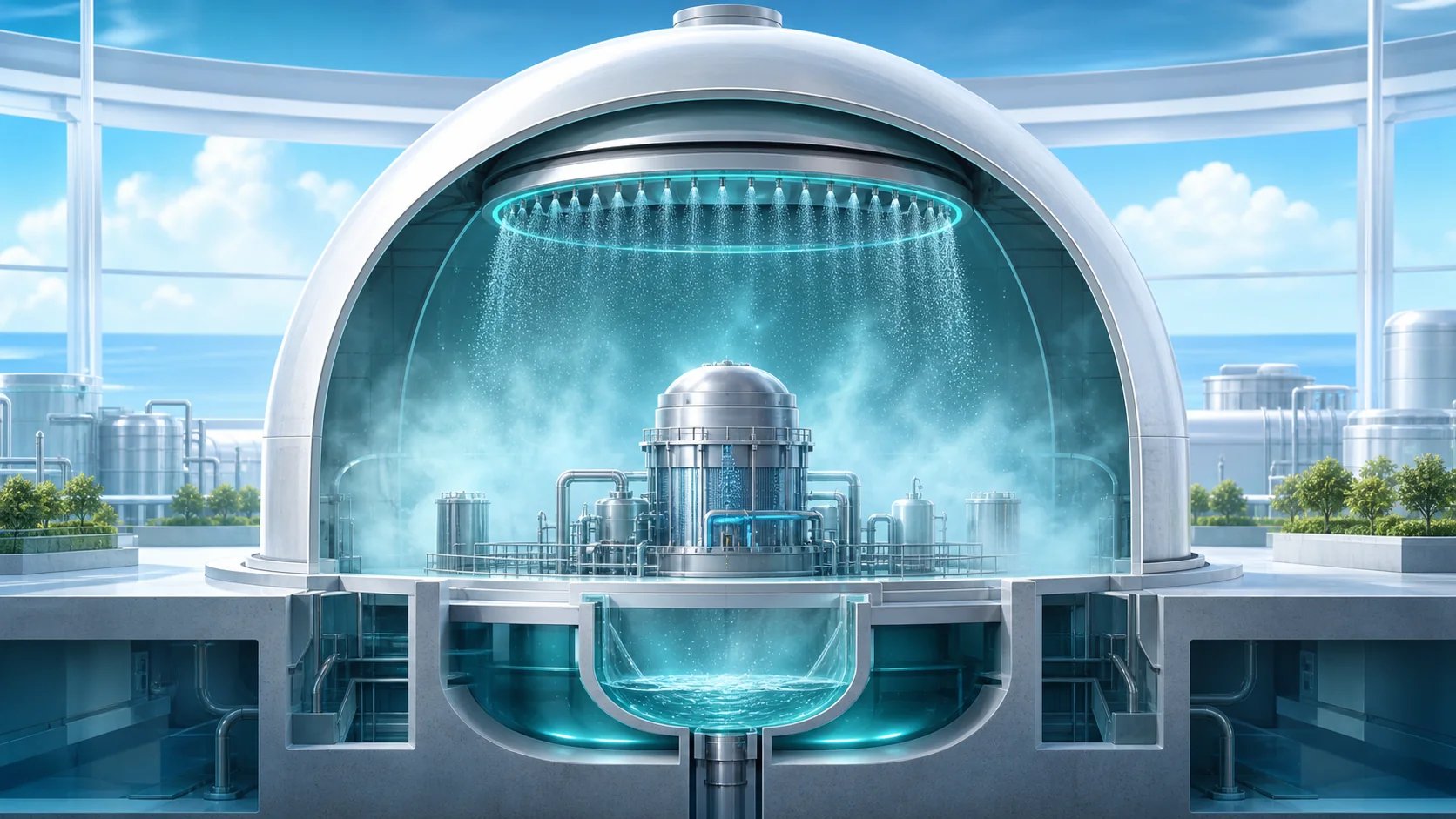
What If It Rained From the Ceiling? — The Containment Spray System
The containment spray system sprays water from the containment ceiling during an accident, condensing steam to lower pressure and temperature and washing radioactive iodine and particles into alkaline sump water to protect the final barrier.
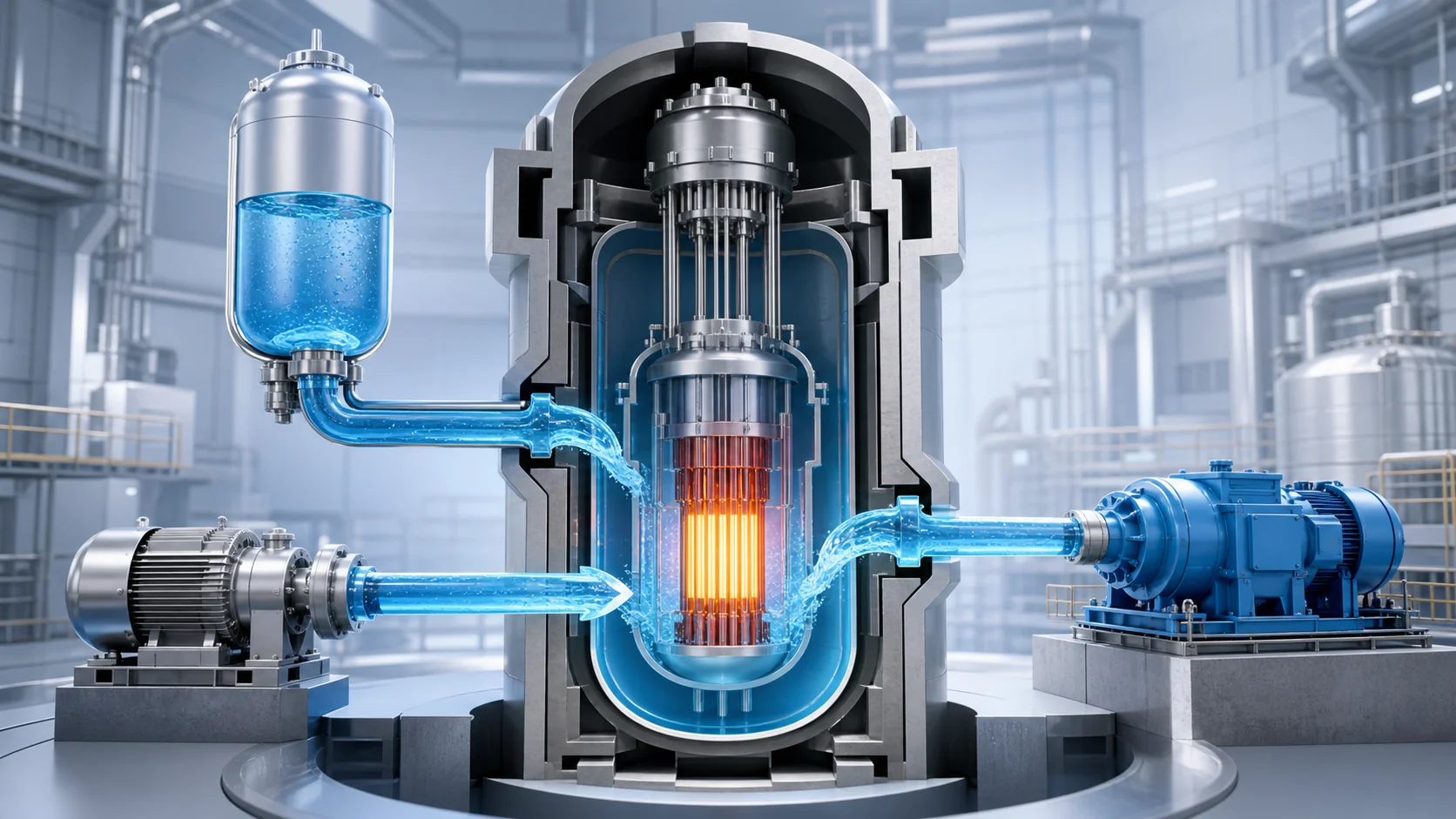
The Water Arrives Before Anyone Presses a Button — The Safety Injection System
The safety injection system automatically pushes borated water into the core after a loss of coolant, cooling the fuel and keeping it subcritical, with high-pressure pumps, passive accumulators and low-pressure pumps covering different pressure ranges.
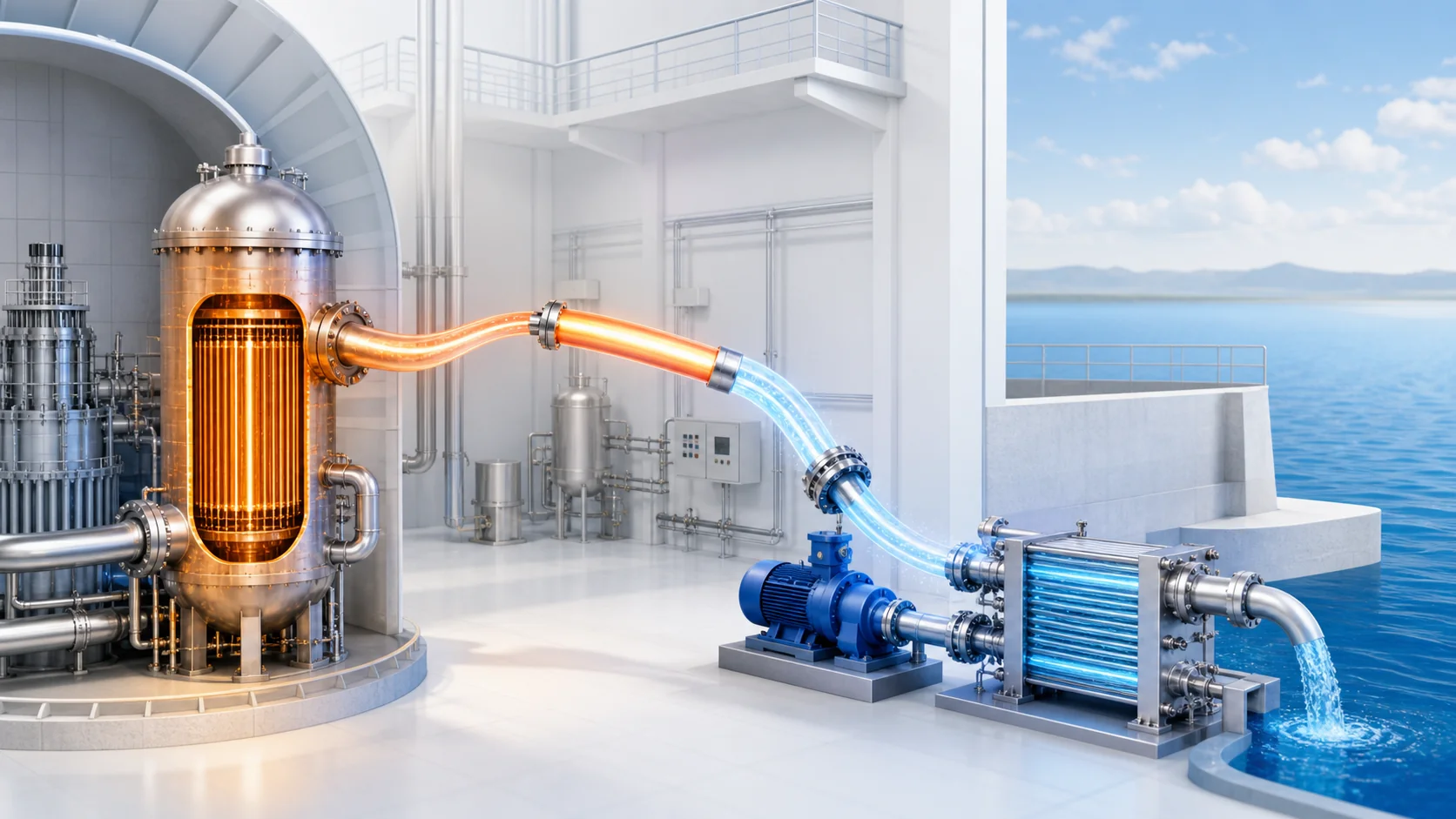
Not While It's Boiling — Residual Heat Removal (RHR)
The residual heat removal system finishes cooling a shut-down reactor, connecting only after the steam generators have brought it to low temperature and pressure, and hands the decay heat through component cooling water and service water to the ultimate heat sink.
The Reactor's Quiet Housekeeper — The Chemical and Volume Control System (CVCS)
The Chemical and Volume Control System keeps a pressurized water reactor's coolant at the right amount and chemistry, adjusts dissolved boron for slow core-wide reactivity control, and supplies coolant pump seal water, without being the main cooling or emergency system.