Nuclear Theory archive — page 15
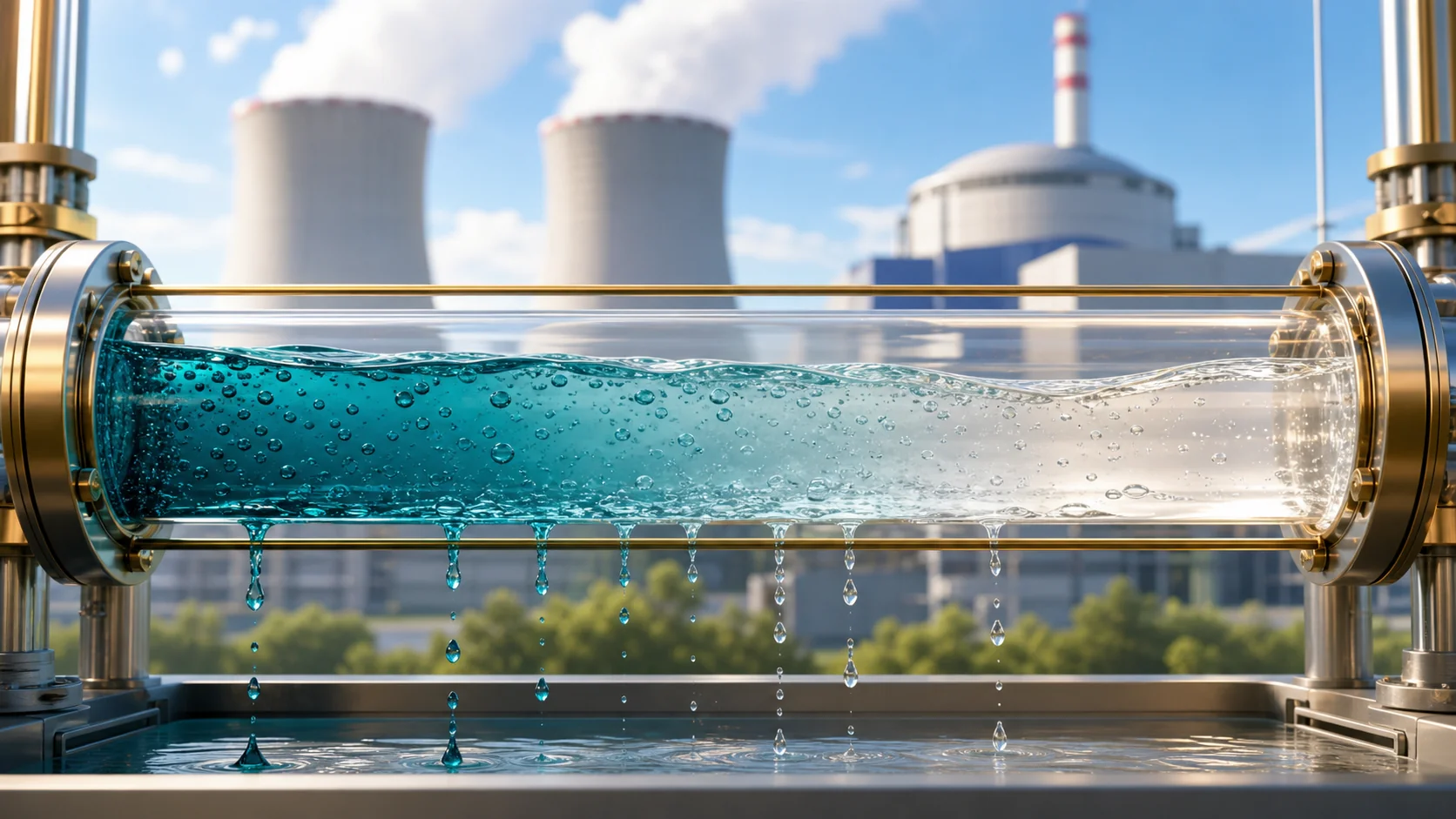
Brake Hard at First, Then Ease Off — Boron Dilution Operation, Taming the Core by Thinning the Boron
Boron dilution operation keeps a pressurized water reactor critical by lowering the boric acid concentration in its coolant, by adding clean water, in step with the reactivity lost to burnup, from a high start-of-cycle value to near zero at the end.
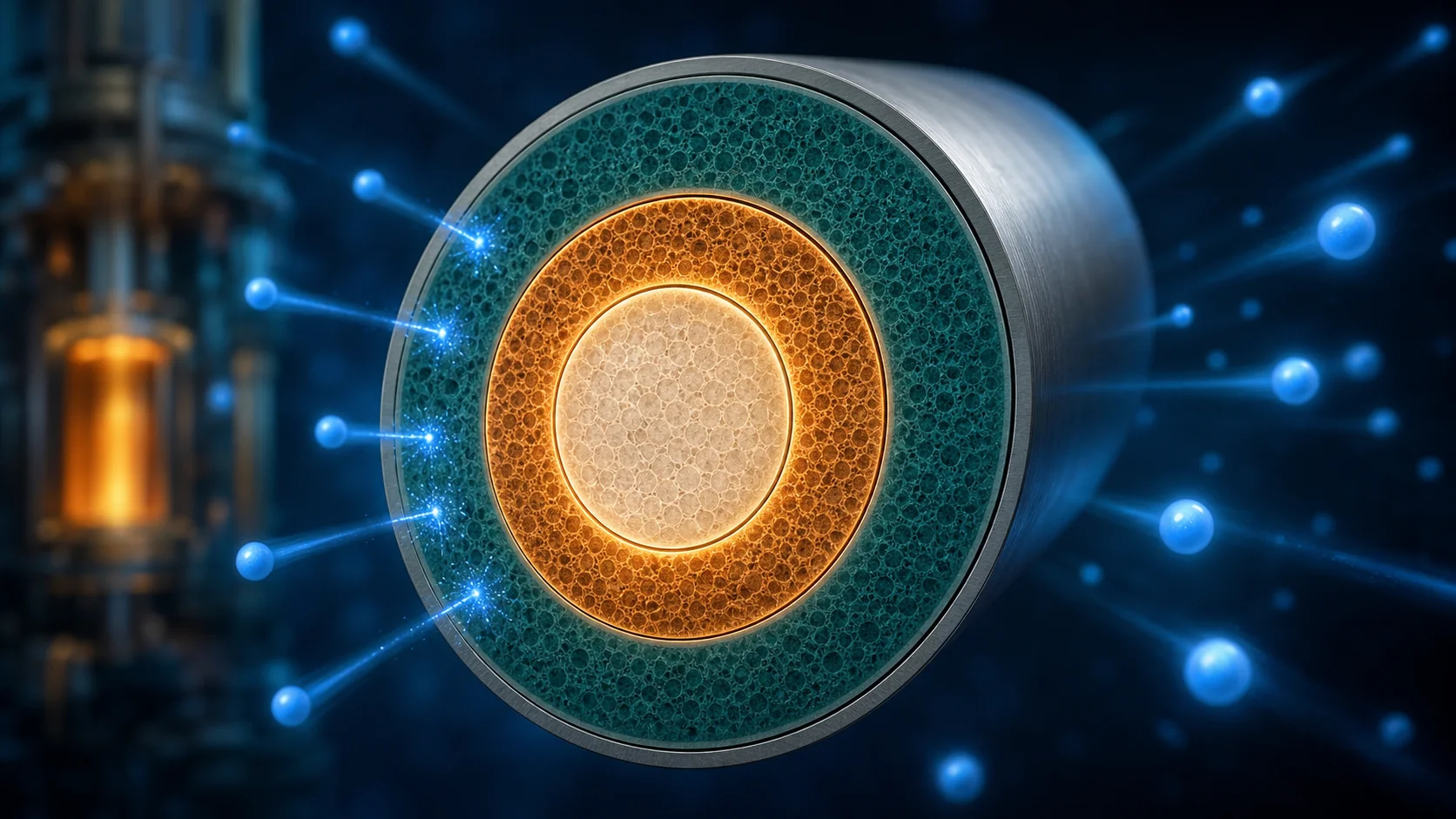
A Brake That Peels Away Like an Onion — Gadolinium in Nuclear Fuel
Gadolinium, with Gd-157 at about 254,000 barns and Gd-155 at about 61,000 barns, is mixed as Gd2O3 into some fuel rods as a burnable poison, and self-shielding makes it burn out from the outside in so its hold on excess reactivity fades gradually.
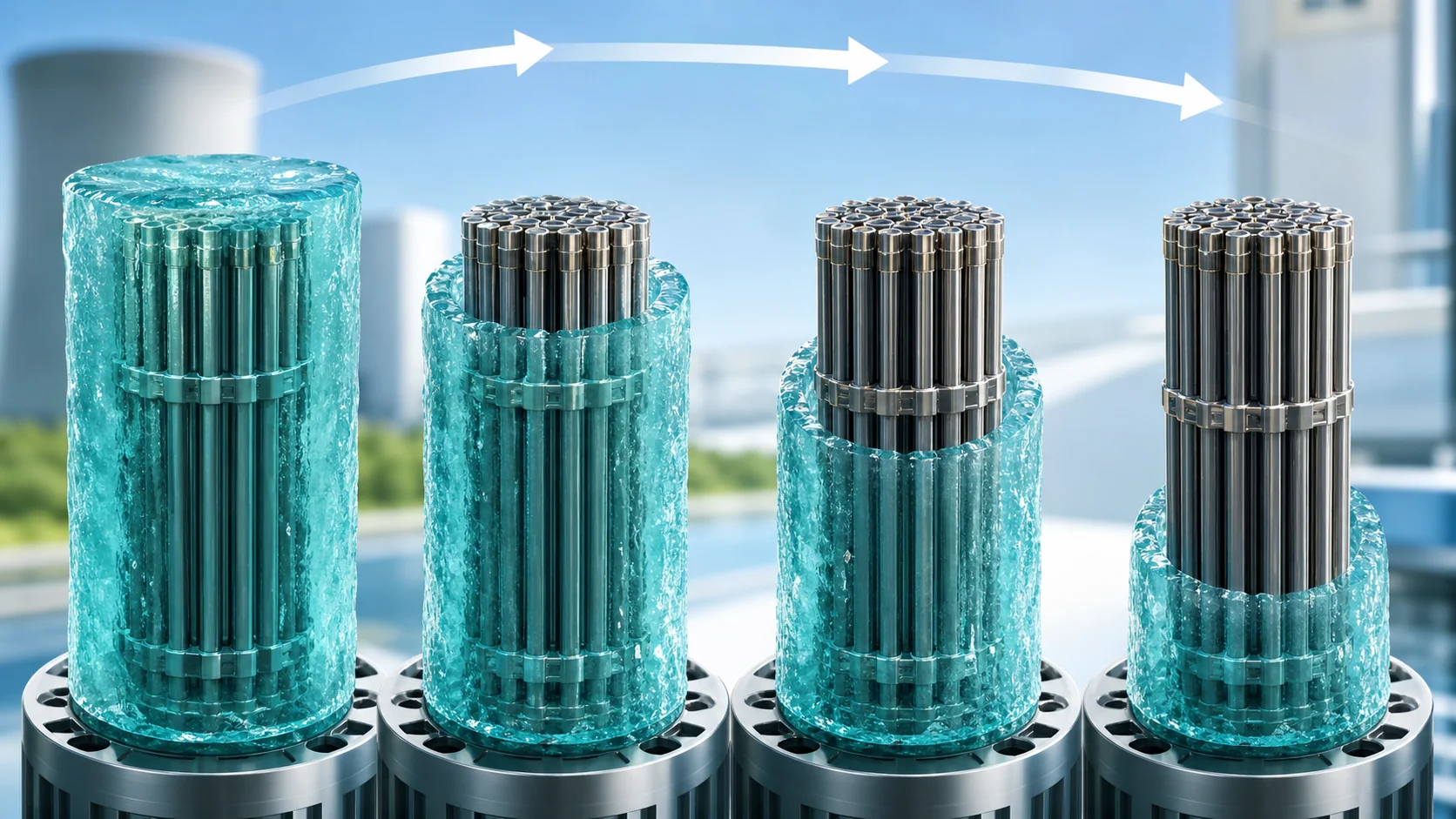
Why Put a Neutron-Eater in a Machine Built to Make Neutrons? — Burnable Poisons Explained
Burnable poisons such as boron and gadolinium are neutron absorbers built into fresh fuel that hold down its large early excess reactivity and deplete on their own as they absorb neutrons, flattening reactivity and power and allowing longer cycles.
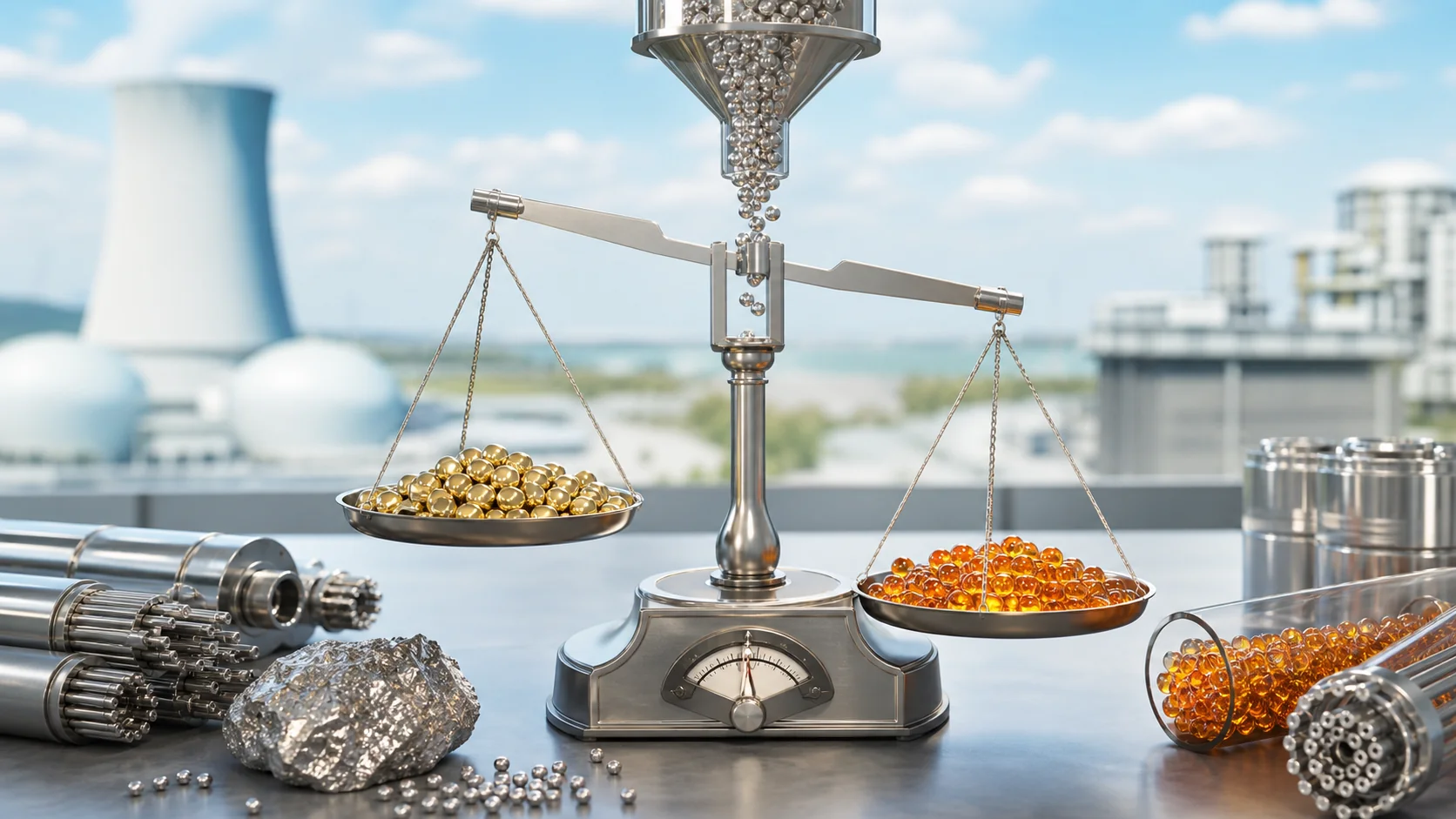
You Ate the Seed Potatoes and Ended Up with More? — The Conversion Ratio and the Breeding Ratio
The conversion ratio is fissile atoms produced divided by fissile atoms consumed, about 0.5 to 0.6 in light-water reactors; when the same ratio reaches 1 or more it is called the breeding ratio, which fast breeder reactors aim for at about 1.1 to 1.3.
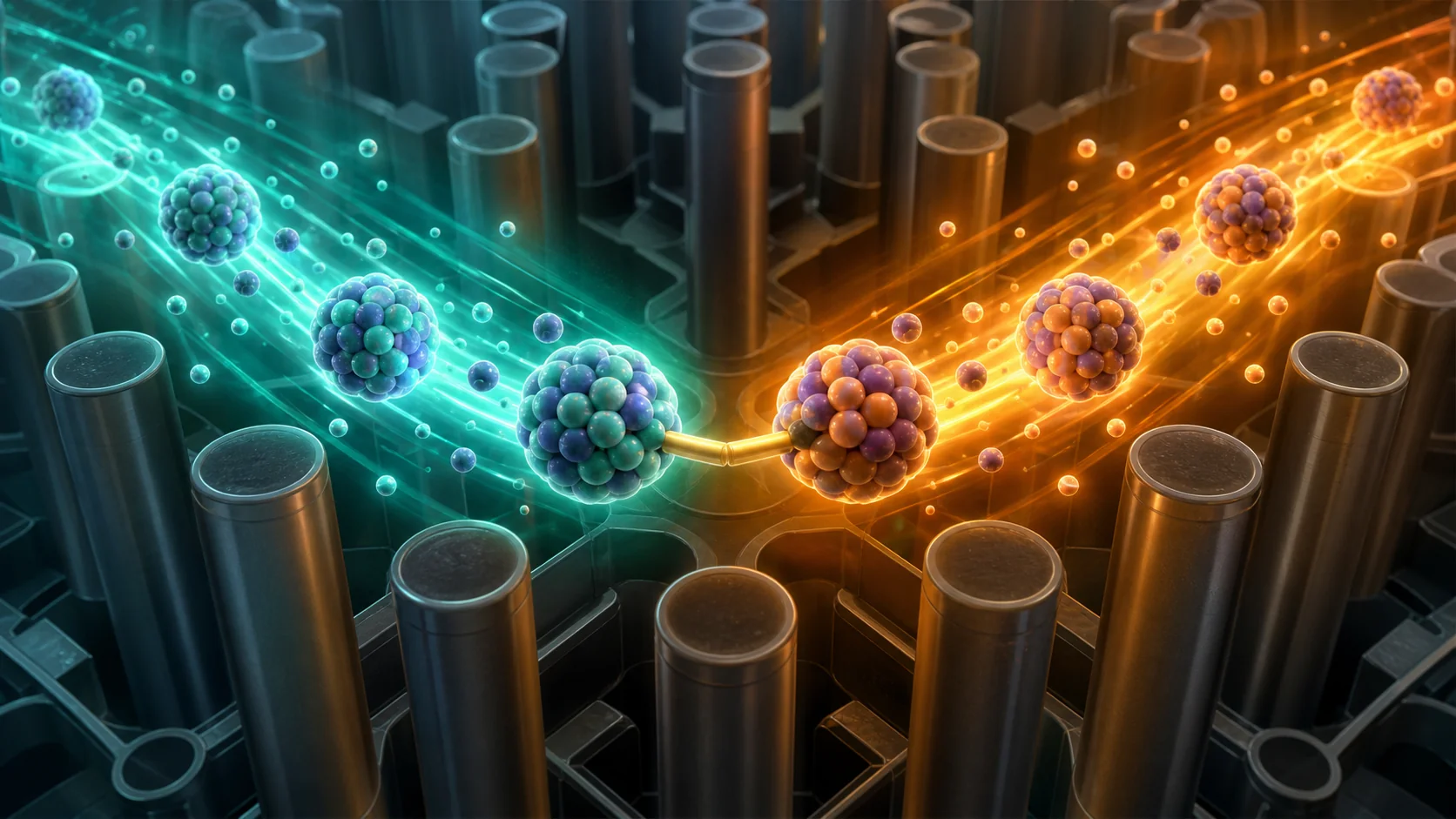
The Star Tires, but the Show Goes On — How U-235 Fades and Pu-239 Rises in Nuclear Fuel
As U-235 is consumed, U-238 captures a neutron and decays via U-239 (about 23.5 minutes) and Np-239 (about 2.36 days) into fissile Pu-239, which supplies roughly one third of the power near end of fuel life, while a light-water reactor's conversion ratio stays at about 0.5 to 0.6.
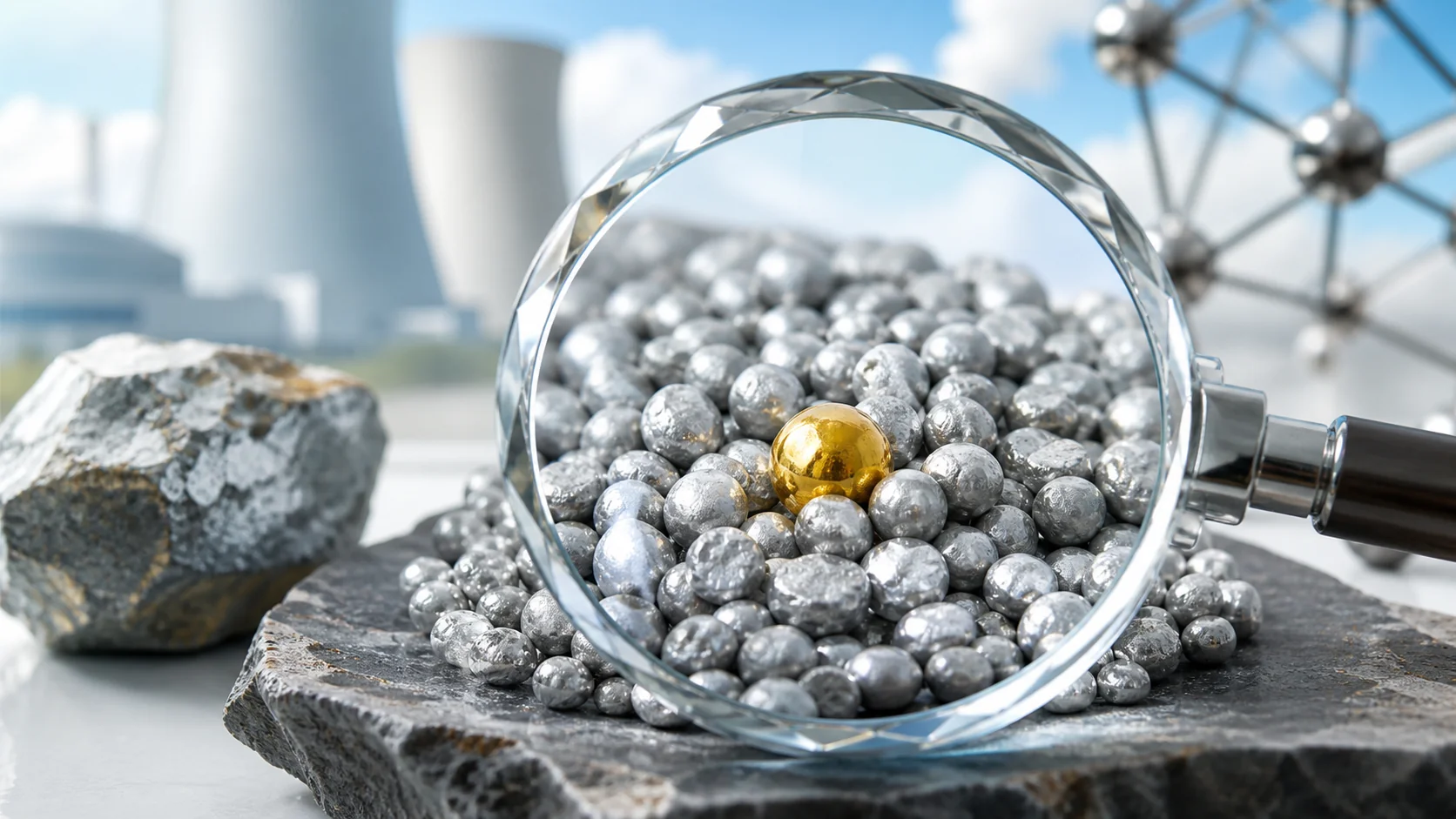
Barely One Grain in a Handful — Natural Uranium vs Enriched Uranium
Natural uranium contains only about 0.7% U-235 (about 1 atom in 139), power reactor fuel is low-enriched to about 3–5%, and whether enrichment is needed depends on the moderator: light water needs it, heavy water does not.
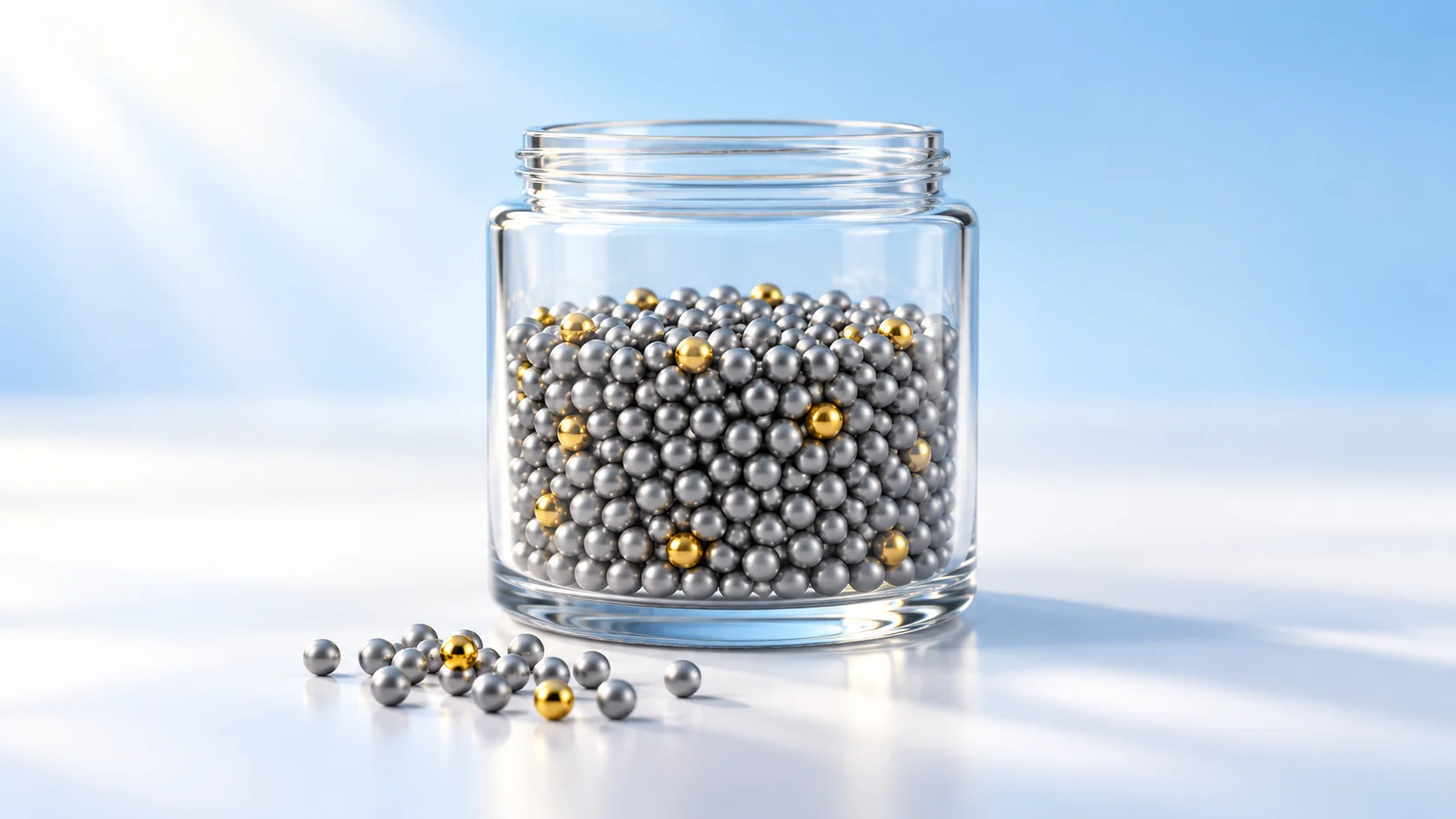
Not Boiled Down, Just Rebalanced — Why Power Reactors Need Uranium Enrichment
Enrichment raises the U-235 share of uranium from about 0.7% to roughly 3–5% so that light-water reactors can overcome neutron absorption by water, while heavy-water and graphite reactors can use natural uranium.
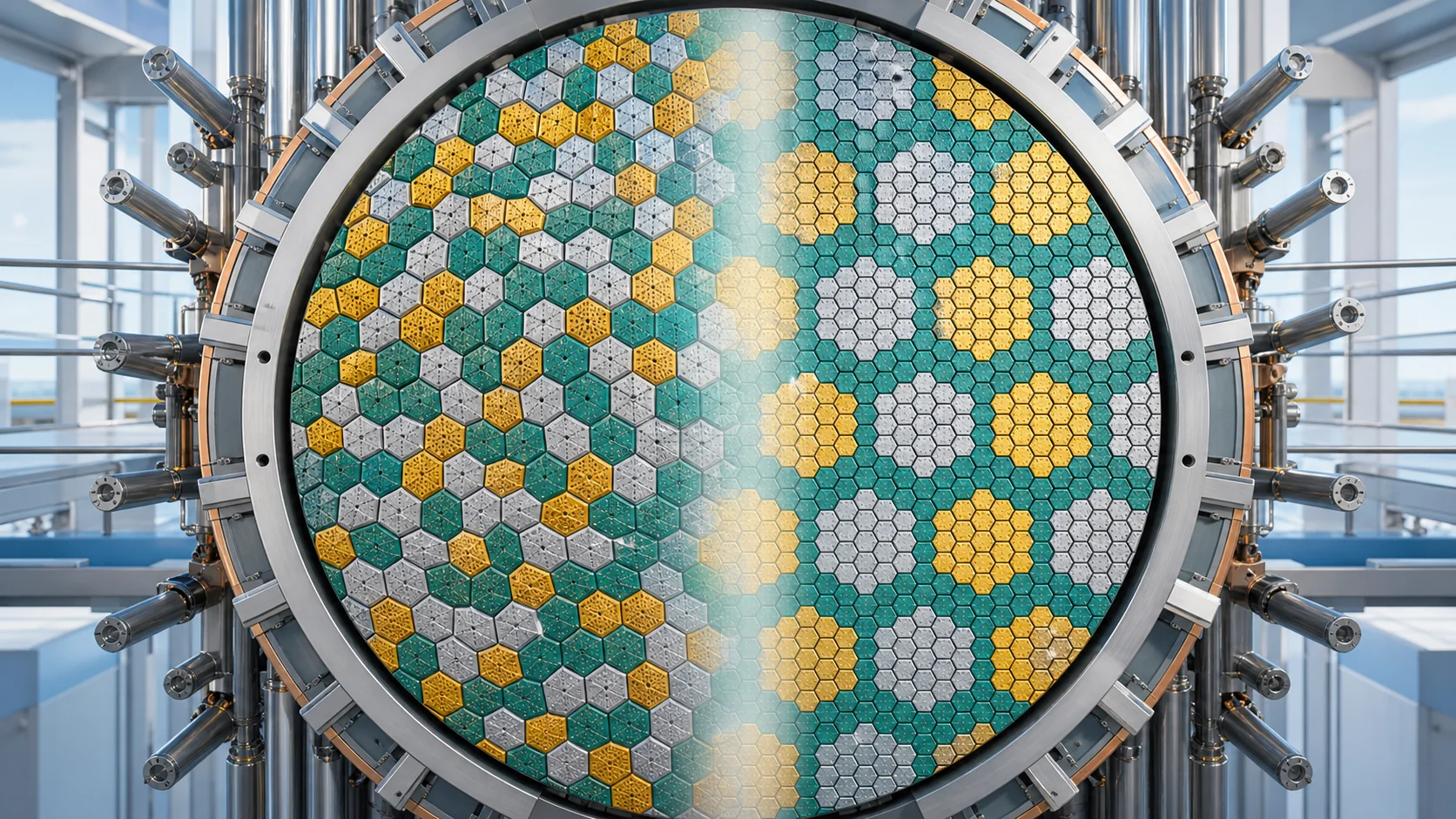
A Brand-New School Has No Seniors — The First Core and the Equilibrium Core
A reactor's initial core is all fresh fuel and needs a one-time custom design, while replacing about one-third of the fuel each cycle leads after several cycles to an equilibrium core whose start-of-cycle conditions repeat.
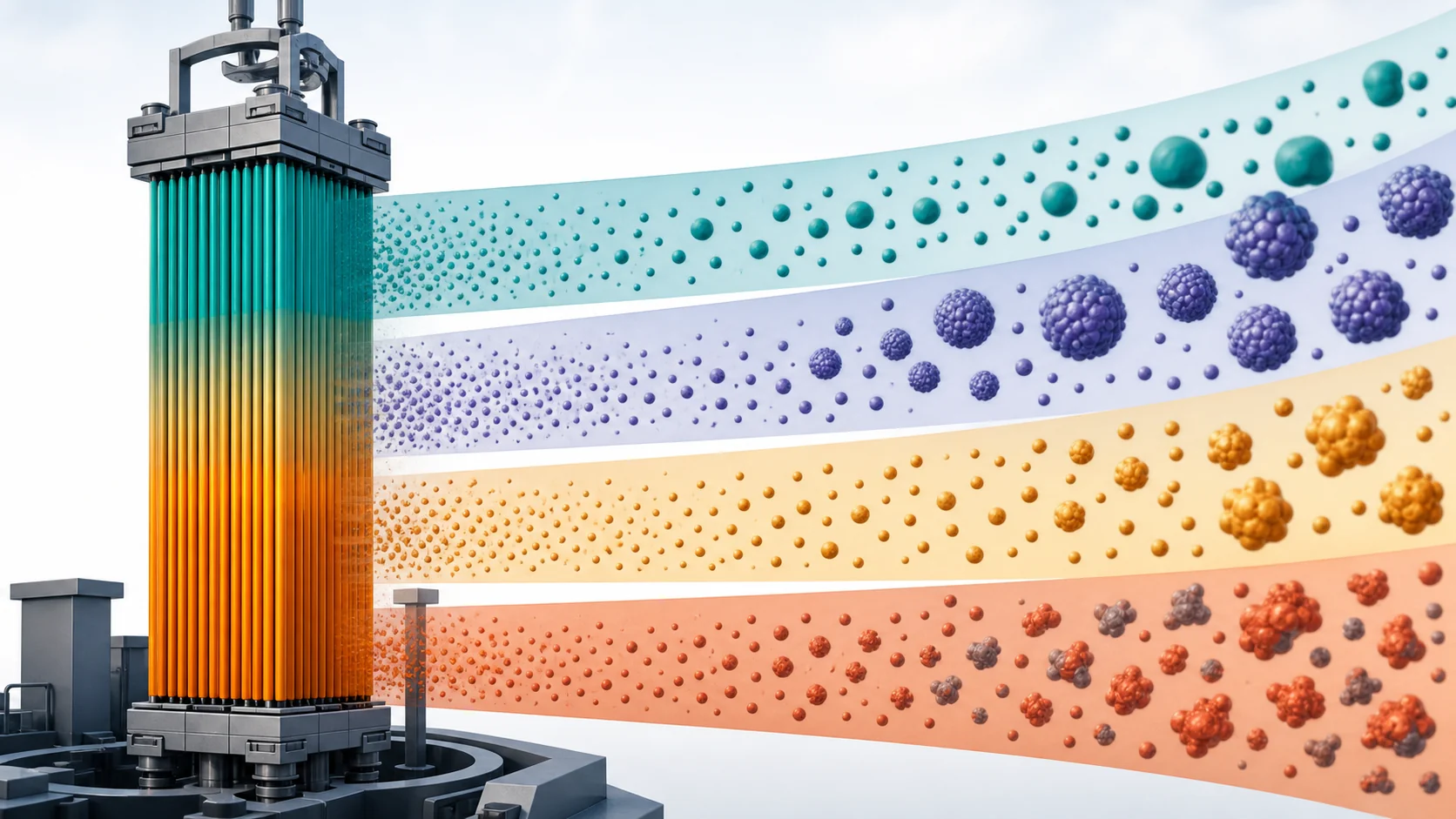
Fuel Ages Like an Old Neighborhood — How Nuclear Fuel Composition Changes During Operation
During operation uranium-235 is consumed, uranium-238 is turned into plutonium-239 that supplies about a third of the energy late in life, and fission products accumulate, while spent fuel remains mostly uranium.
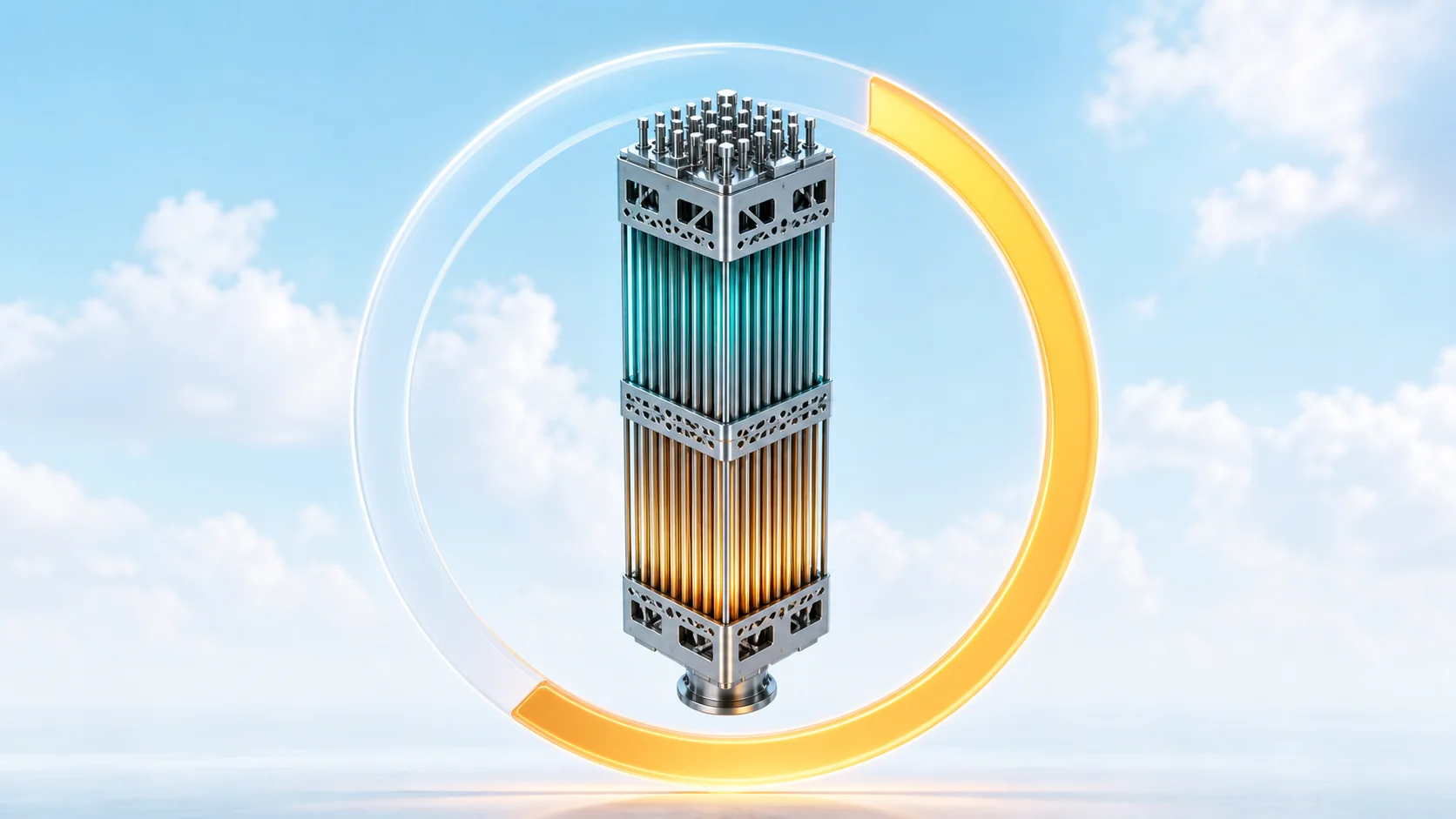
Not How Long, but How Far — Burnup, the Odometer of Nuclear Fuel
Burnup is the cumulative energy a fuel has produced divided by its initial mass, typically around 40 to 50 GWd/tU at discharge, and as it builds up U-235 falls, plutonium-239 forms and fission products accumulate.