Nuclear Theory archive — page 29

Burrs on Your Trousers — How Neutron Capture Leads to Activation
Neutron capture adds one neutron without splitting the nucleus, and when the product is unstable, as with cobalt-59 becoming cobalt-60 (half-life 5.27 years), the material is activated, building toward a saturation ceiling.
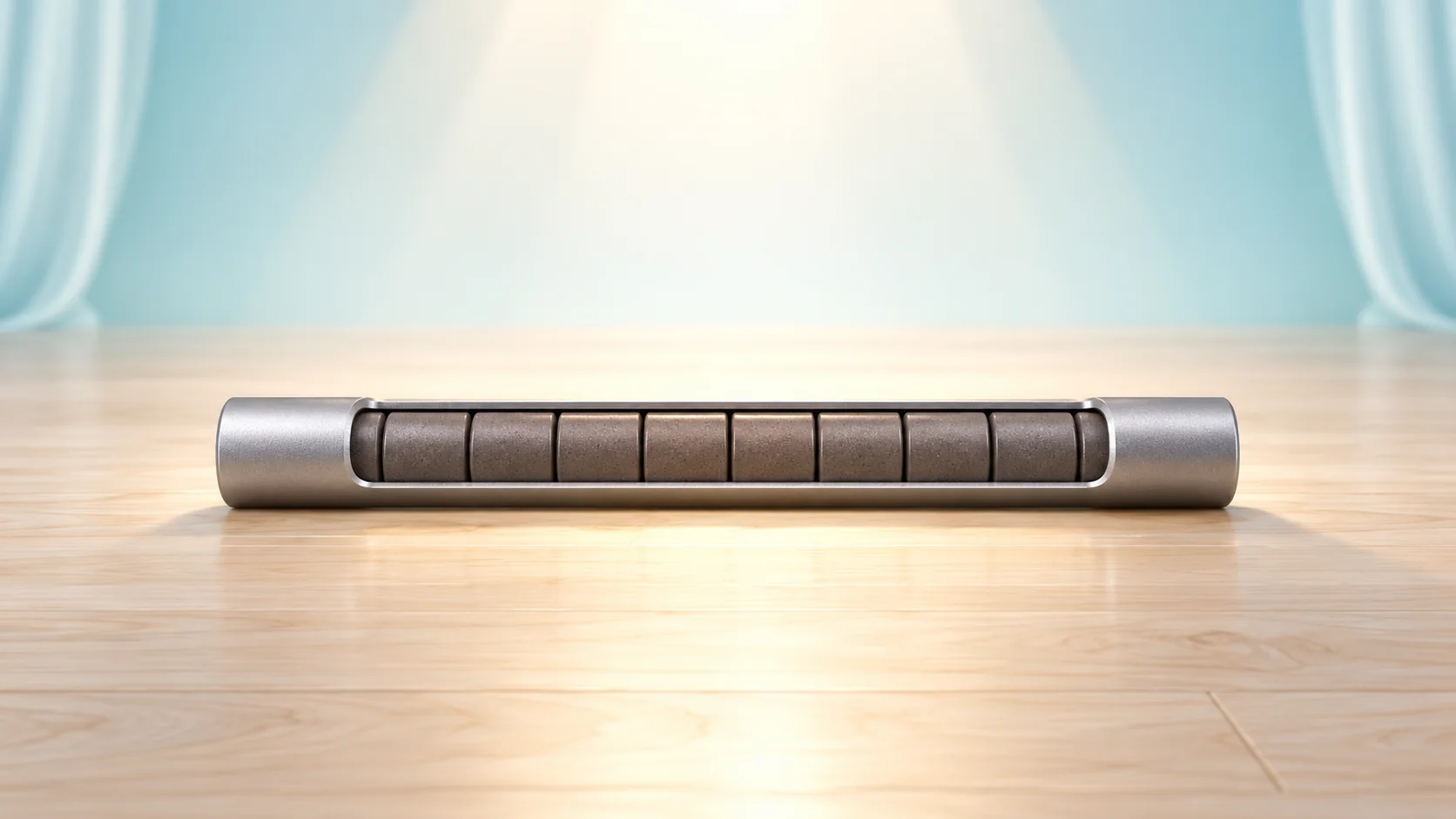
The Supporting Actor Who Carries the Show — Why Uranium-238 Is Not Just Waste
Uranium-238 supplies about 7–8% of fissions directly, breeds the plutonium that provides about one-third of a light water reactor's output, and provides the Doppler feedback that holds back power rises.
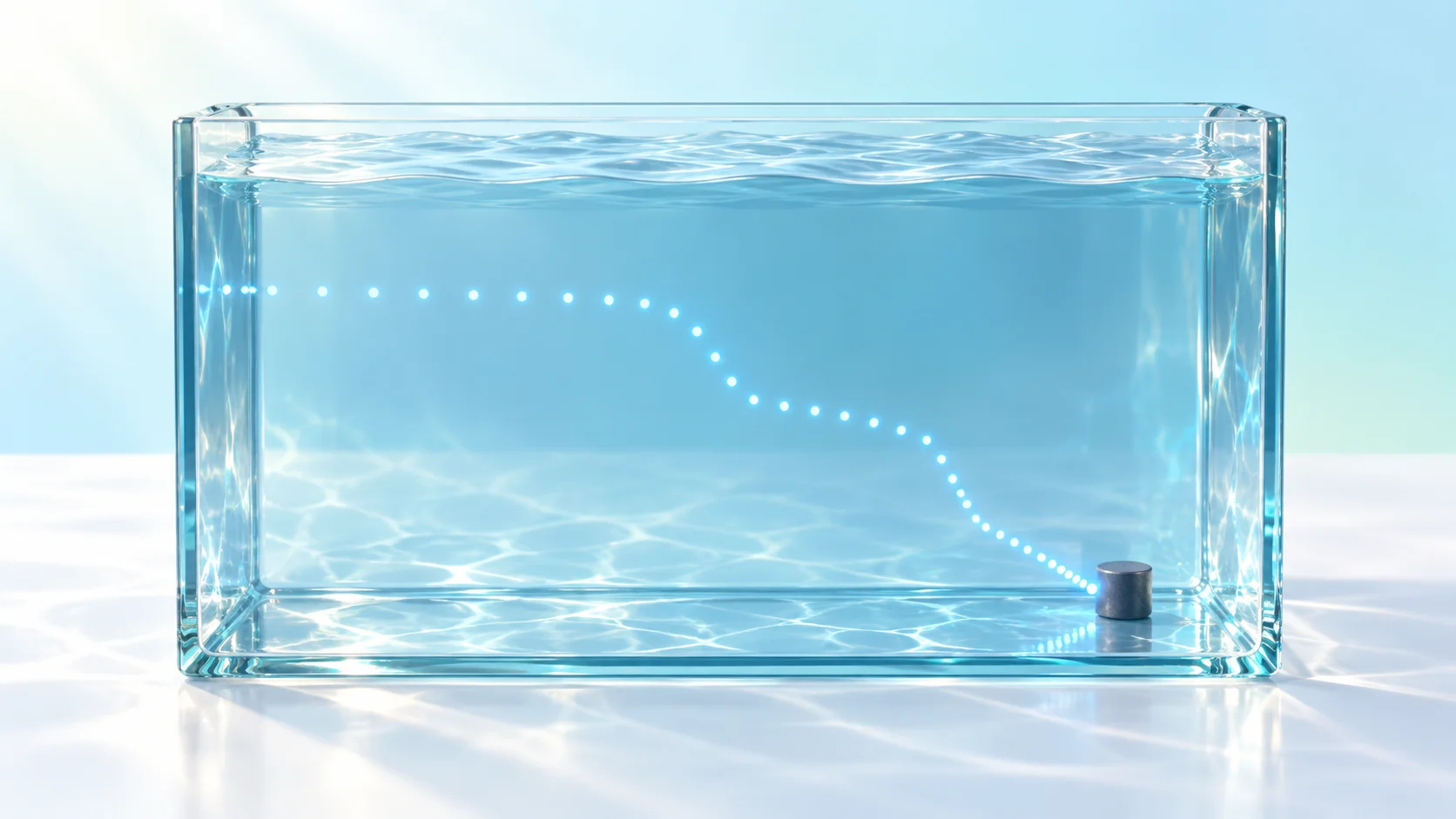
Flyers Go to the Folks Who Walk Slowly — Why Moderation Makes Fission Easier
Slowed to thermal energy, a neutron is about 500 times more likely to split uranium-235, so moderators like light water, heavy water and graphite let reactors run on low-enriched or even natural uranium.

A Stroll Versus a Rocket Launch — Thermal and Fast Neutrons
A thermal neutron at room temperature carries about 0.0253 eV and moves at 2,200 m/s, a fresh fission neutron carries about 2 MeV and moves about 9,000 times faster, and reactors are designed to fission with one or the other.
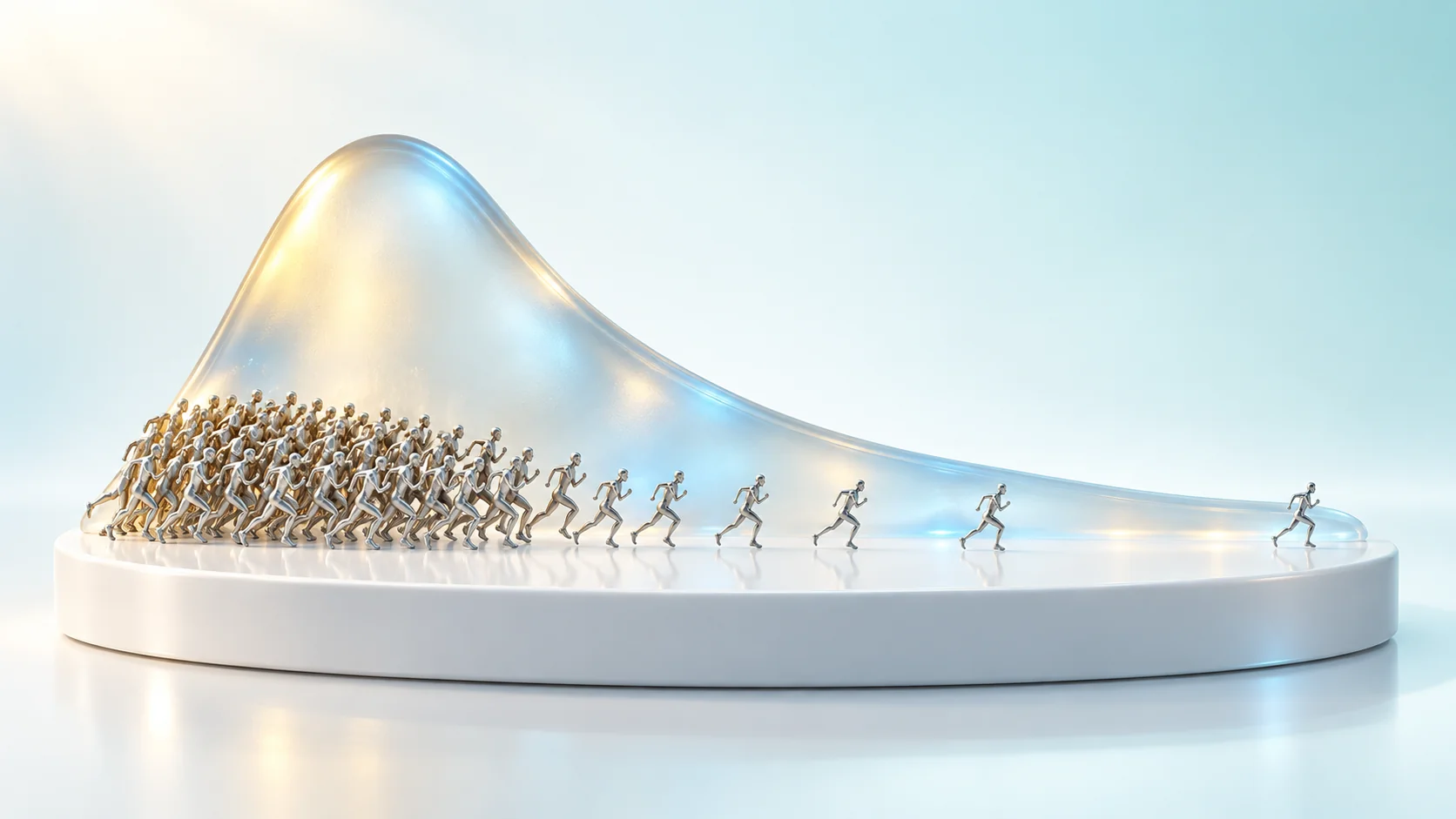
Bunched Up Like a Marathon Finish — The Energy Spectrum of Fission Neutrons
Neutrons from uranium-235 fission are born with a spread of energies that peaks near 0.7 MeV and averages about 2 MeV, and the number per fission ranges from 0 to 7 around an average of about 2.43.
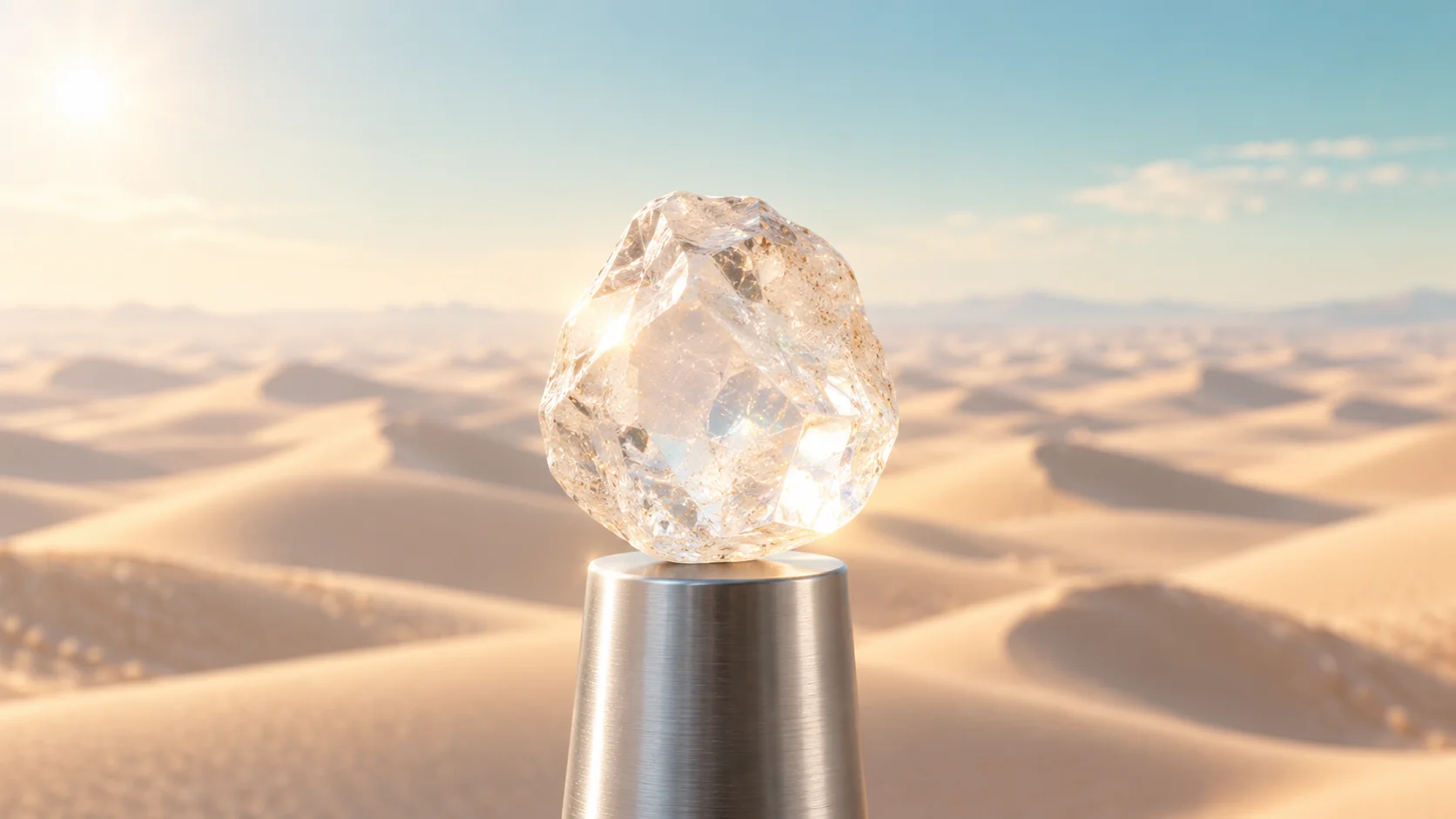
One Grain of Sand, One Whole Desert — The Energy of a Single Fission
One fission releases only about 3.2×10⁻¹¹ joules, but a 3,000 MW-thermal plant repeats it about 10²⁰ times a second, splitting a little over 3 kg of uranium-235 a day.
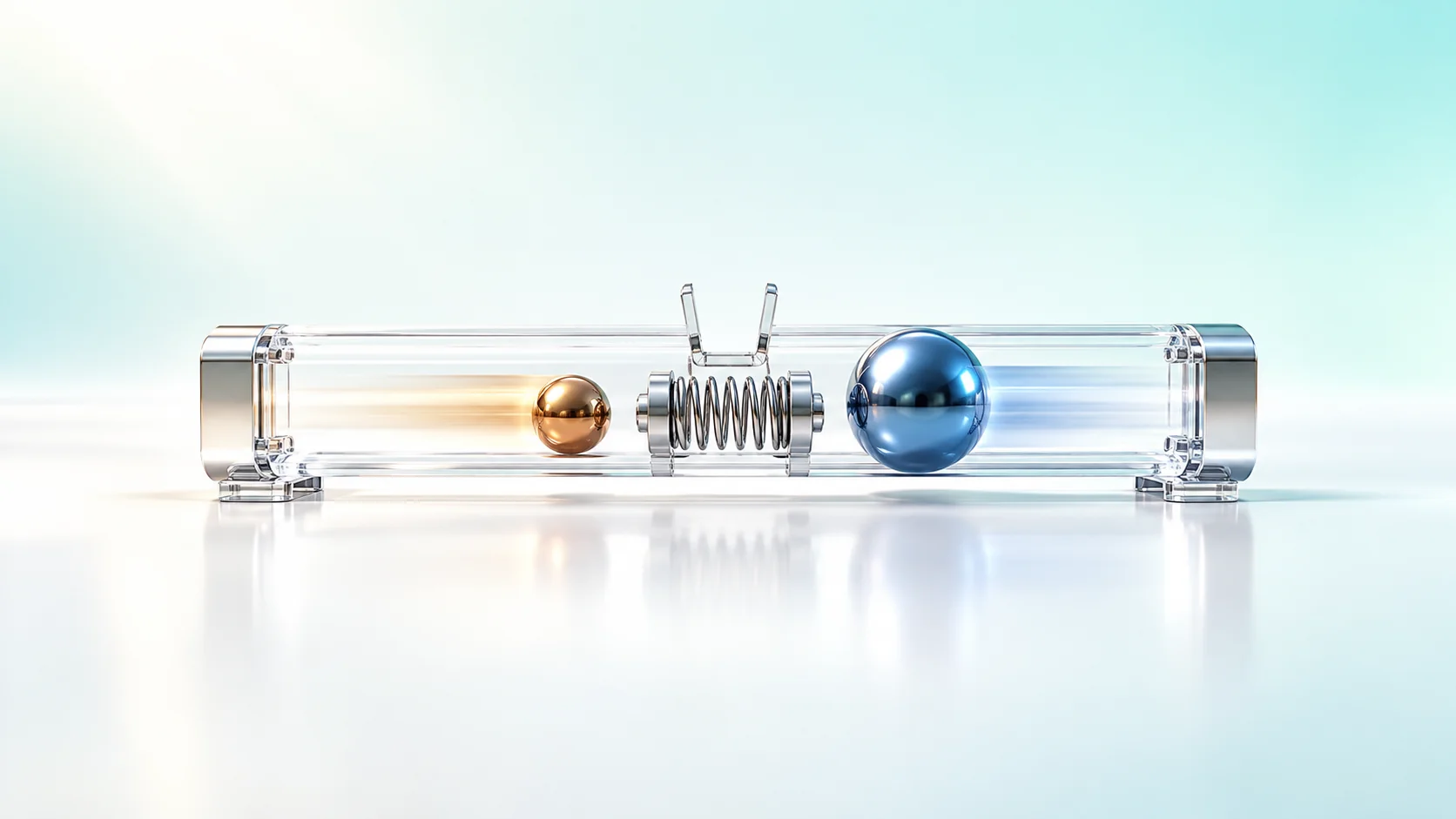
A Spring Snapping Loose — What Shape Fission Energy Takes
Of the about 200 MeV released per fission, about 168 MeV first appears as the speed of two fragments pushed apart by electrical repulsion, which becomes heat inside the fuel, while about 7% arrives later through decay and the antineutrino share escapes.

The Lock That Cuts You New Keys — Why the Neutron Is the Key
The uncharged neutron, inferred by Chadwick in 1932 from recoiling protons, can scatter, be captured or cause fission, and fission's average of about 2.4 new neutrons is what lets a chain reaction sustain itself.

Rearrange the Furniture or Rebuild the Frame? — Nuclear vs Chemical Reactions
A chemical reaction moves outer electrons while a nuclear reaction changes the nucleus, so one U-235 fission releases about 200 MeV against about 2.5–3 eV for one burning hydrogen molecule, and decay rates ignore temperature.
How Radiation Interacts with Matter
Alpha and beta particles ionize directly and lose energy bit by bit, gamma rays have single chance events (photoelectric, Compton, pair production), and neutrons slow down by colliding with nuclei, most effectively with hydrogen.