Nuclear Theory archive — page 28
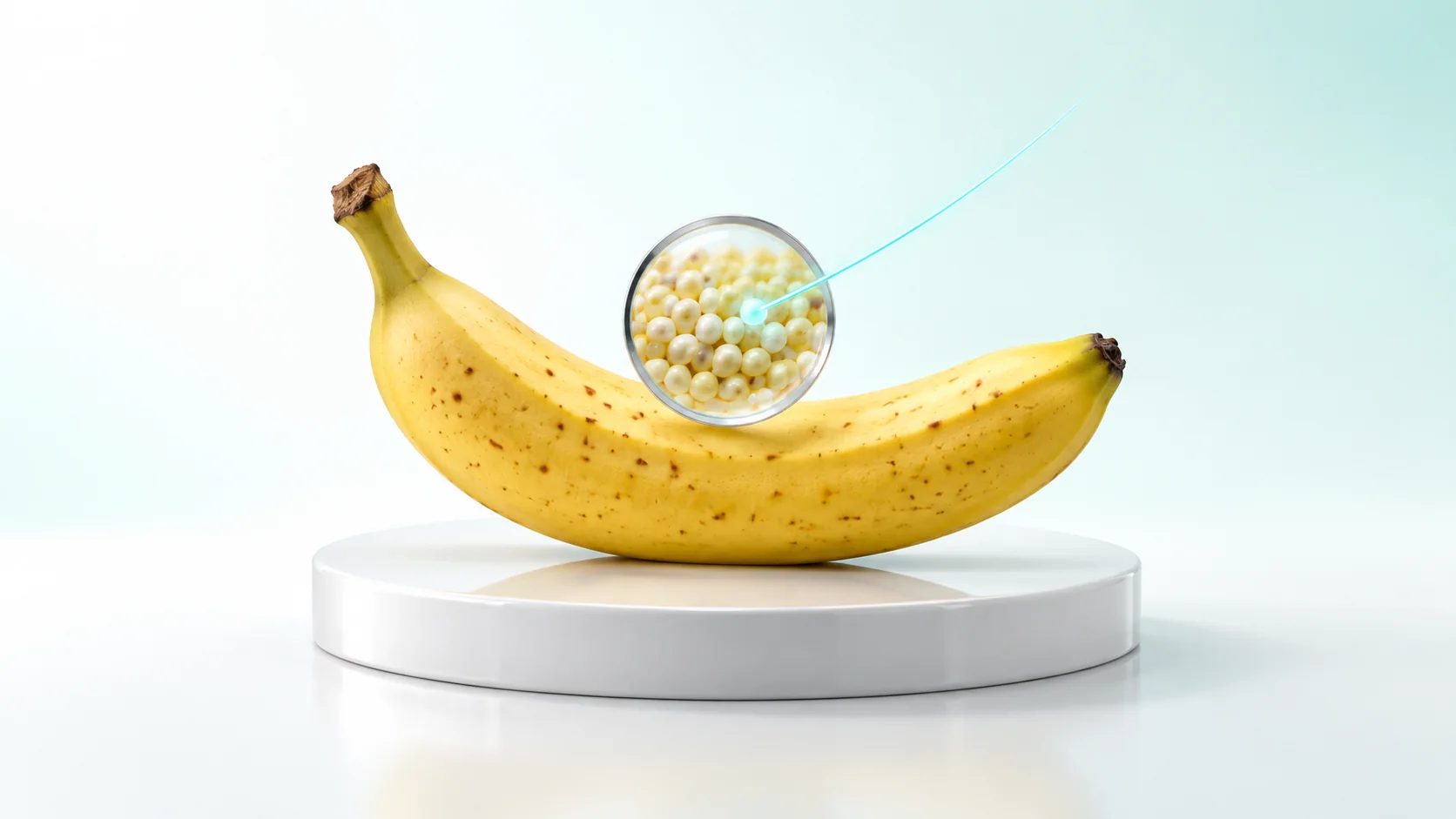
Firewood, Flame and Heat — How Radioactivity and Radiation Really Differ
Radioactive material is the substance, radioactivity is its decays per second (a banana is about 15 Bq), and radiation is what flies out; contamination means material on or in you, exposure means being hit by radiation.

A Quick Change on Stage — How Beta Decay Turns a Neutron into a Proton
In beta-minus decay a neutron becomes a proton and creates an electron and an antineutrino, raising the atomic number by 1 with the mass number unchanged; the shared energy makes the beta spectrum continuous.
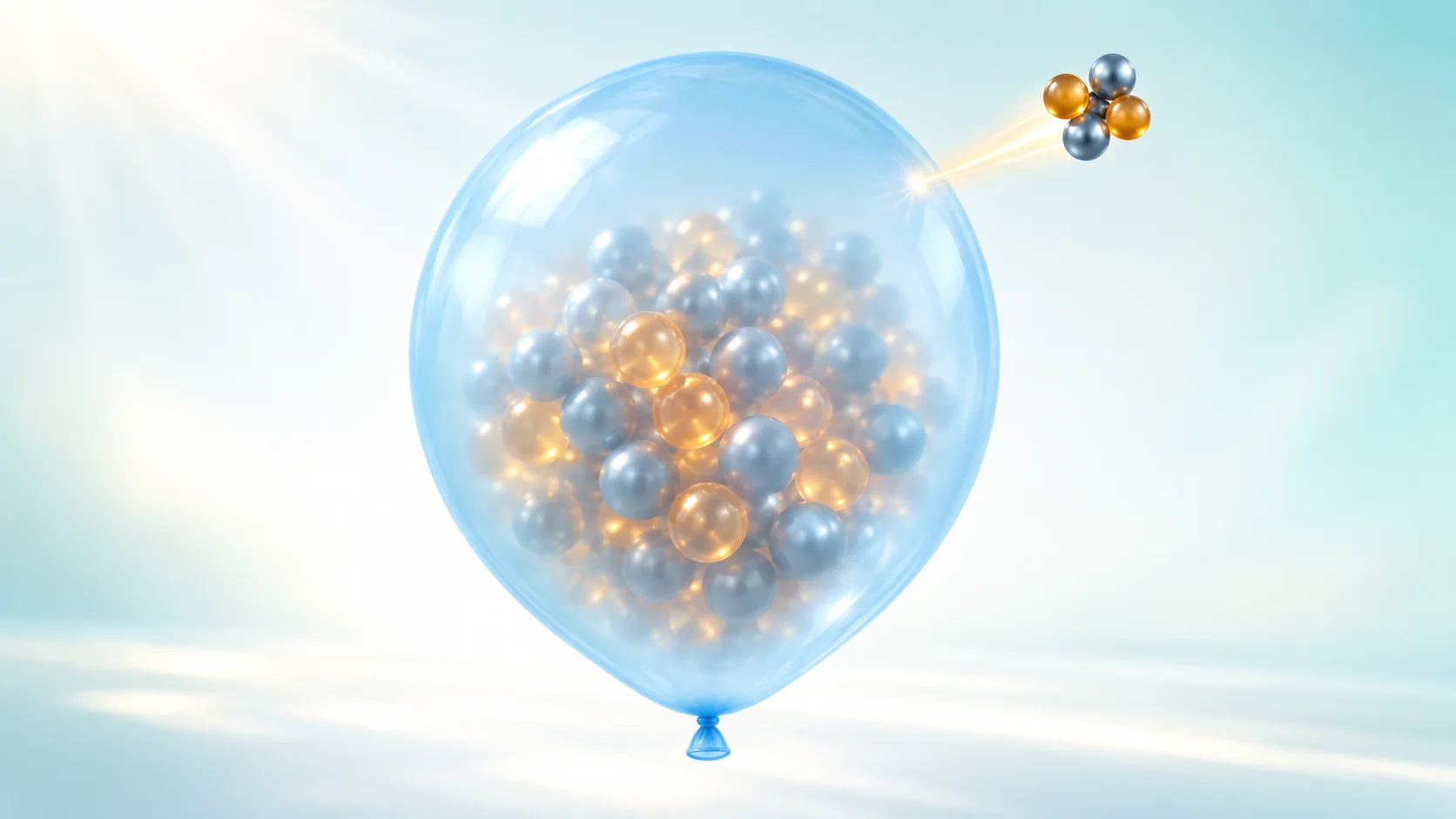
A Bead That Slips Through a Balloon's Skin — How Alpha Decay Lets a Helium Nucleus Escape
In alpha decay a heavy nucleus emits a helium-4 nucleus, losing 4 in mass number and 2 in atomic number; the alpha particle tunnels through a barrier about seven times its energy and is stopped by paper outside the body.
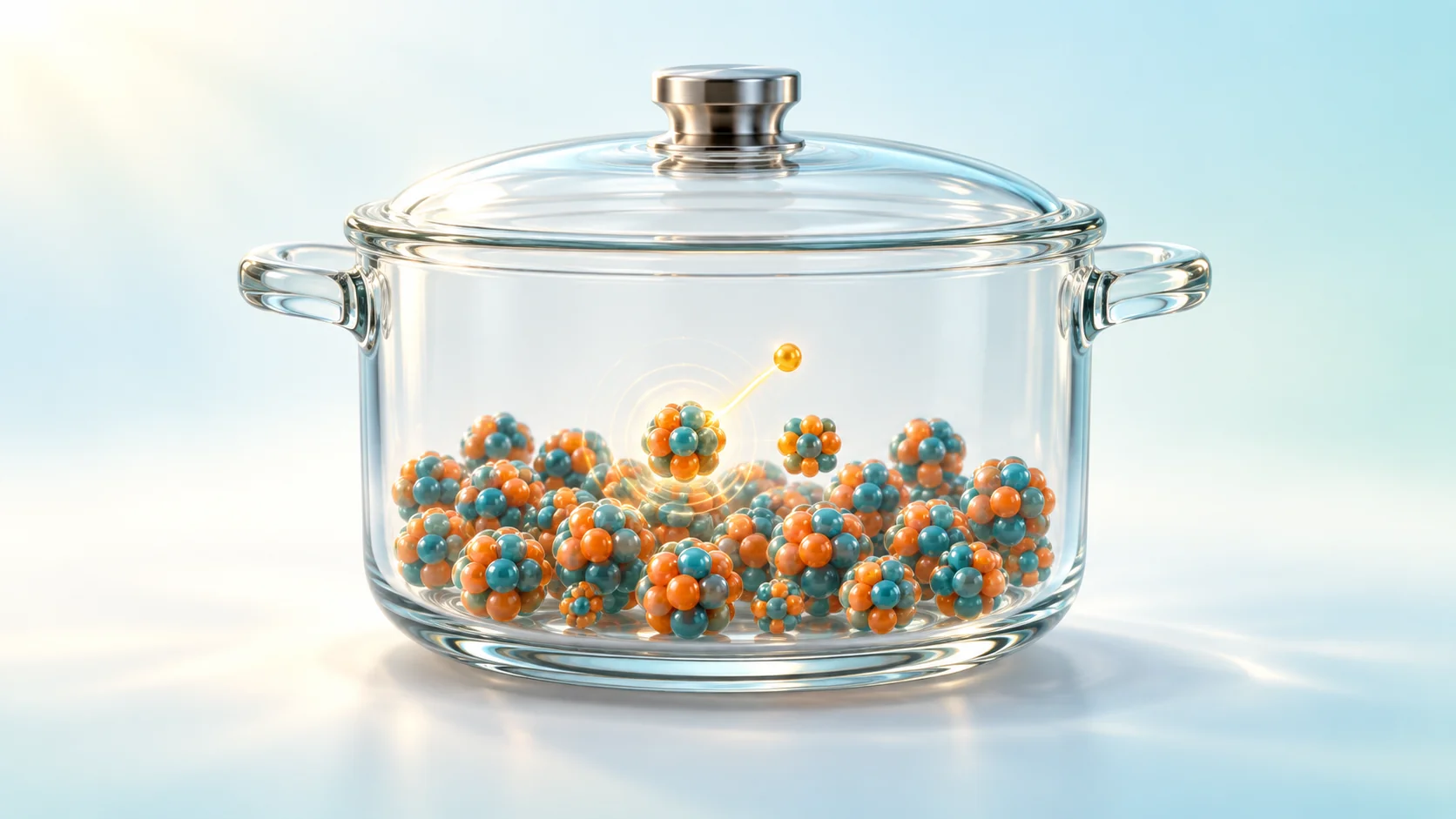
What a Popcorn Pot Teaches About Nuclei — Radioactive Decay Explained
Radioactive decay is an unstable nucleus spontaneously turning into a more stable one; single decays are random, but large samples follow dN/dt = −λN precisely and the rate ignores heat and chemistry.

A Tower Stands Only If the Block Mix Is Right — Stable and Unstable Nuclei
Only about 250 of more than 3,300 known nuclides are stable; they follow a band where N/Z rises from about 1 to 1.5 and ends at lead, and nuclei off the band decay toward it by β⁻, β⁺/electron capture or α.
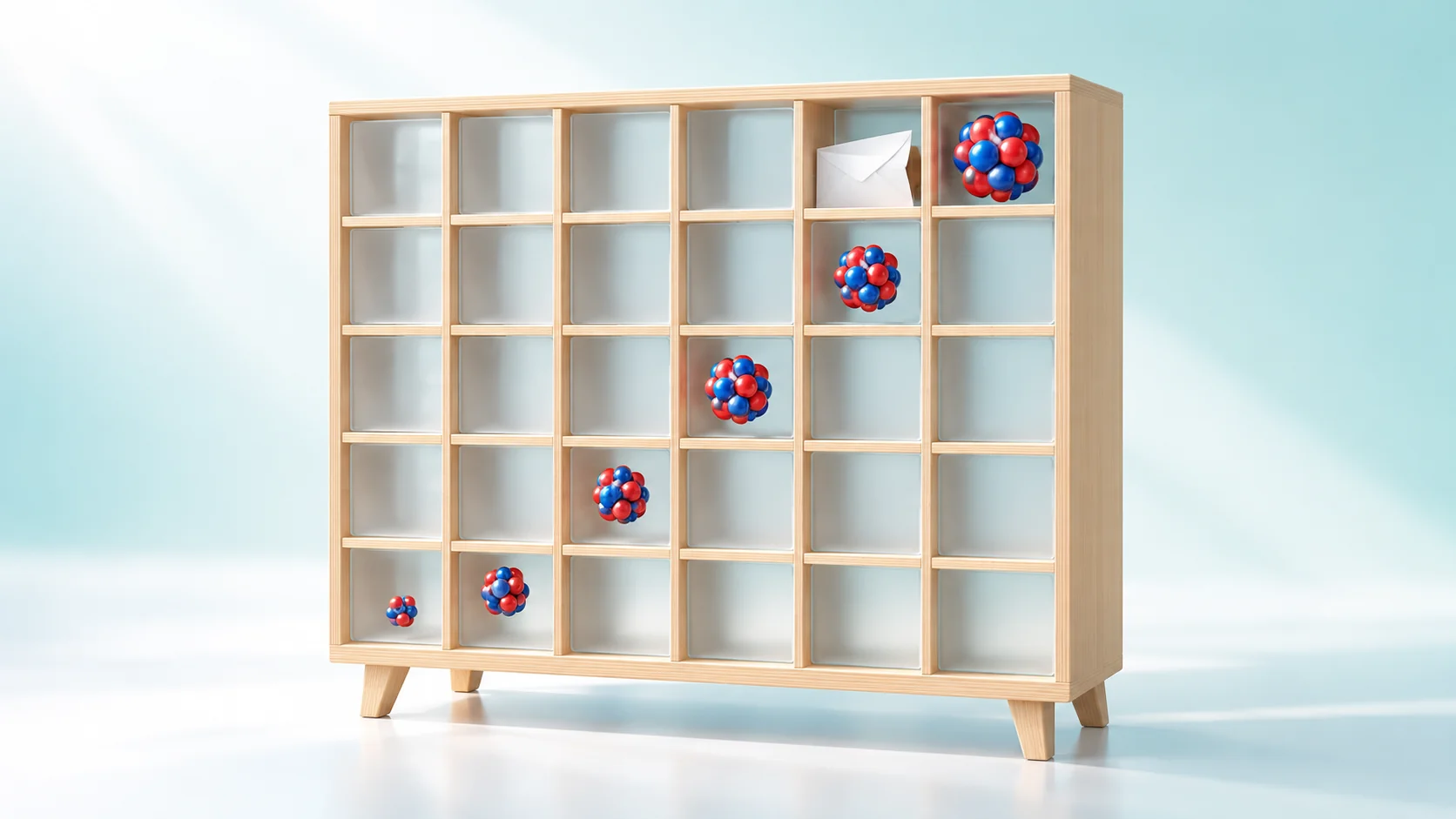
Every Box on the Envelope Means Something — How to Read Nuclide Notation
In ²³⁵₉₂U the 235 is the mass number and the 92 the atomic number, so N = 235 − 92 = 143, and in every nuclear reaction the top and bottom numbers balance on both sides.
No Class Ever Earned a 3.75 — Atomic Weight vs Mass Number
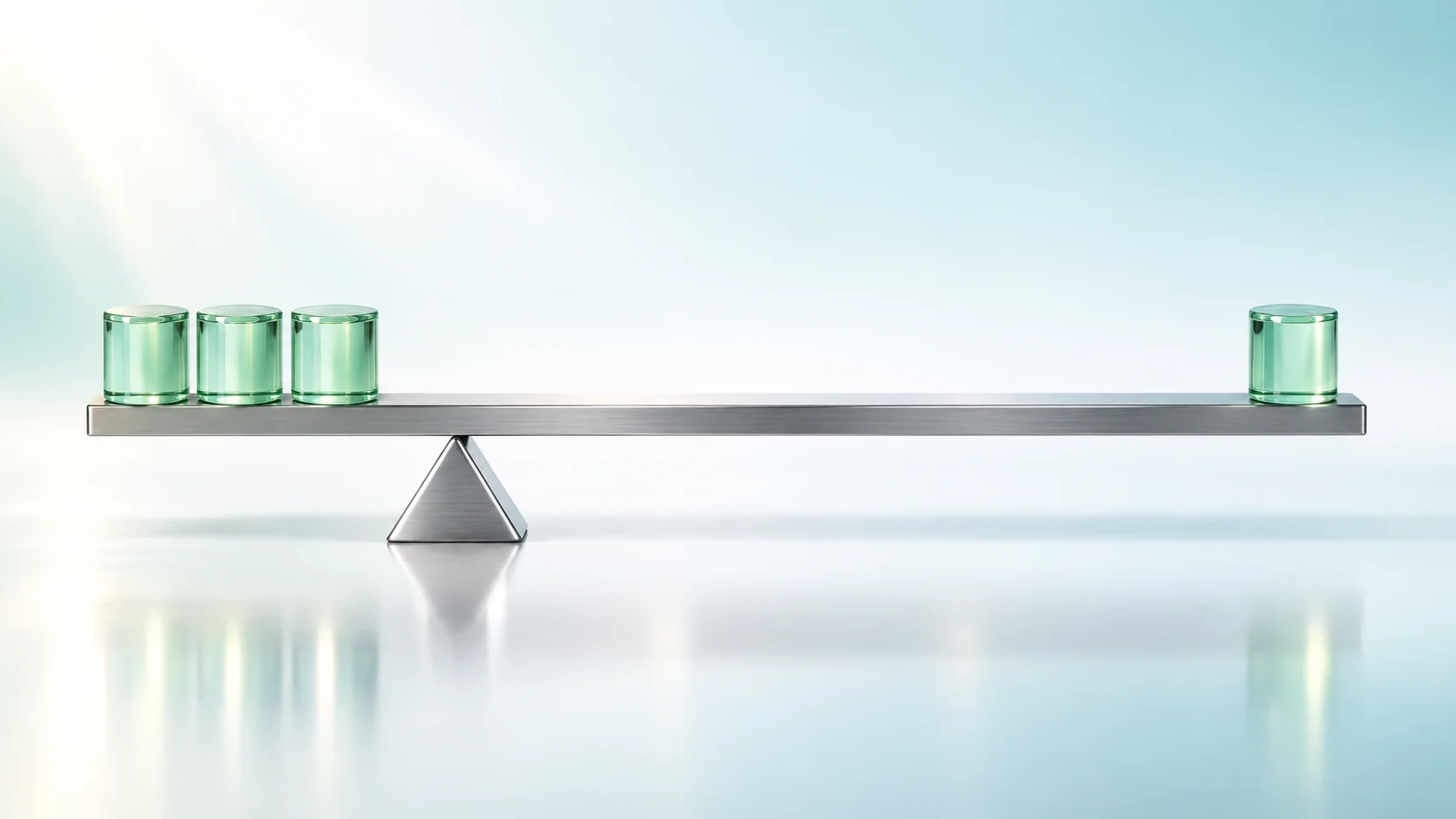
Chlorine's atomic weight of 35.45 is the abundance-weighted average of chlorine-35 (34.969 u, 75.8%) and chlorine-37 (36.966 u, 24.2%), distinct from the whole-number mass numbers 35 and 37.

One Names the Team, One Keeps the Ball Moving — Why Protons and Neutrons Matter
Protons set an atom's identity and neutrons its isotope, and because neutrons face no Coulomb barrier, even a 0.025 eV neutron can split uranium-235 and pass on about 2.4 new neutrons.

Two Slopes, One Valley — How Nuclear Fusion and Fission Are Alike and Different
Fusion and fission both release energy by binding nucleons more tightly; fission gives more per reaction (about 200 vs 17.6 MeV), fusion about 4 times more per nucleon, but it needs a plasma above 100 million °C.
Downhill Gives, Uphill Takes — What a Nuclear Reaction's Q-Value Tells You
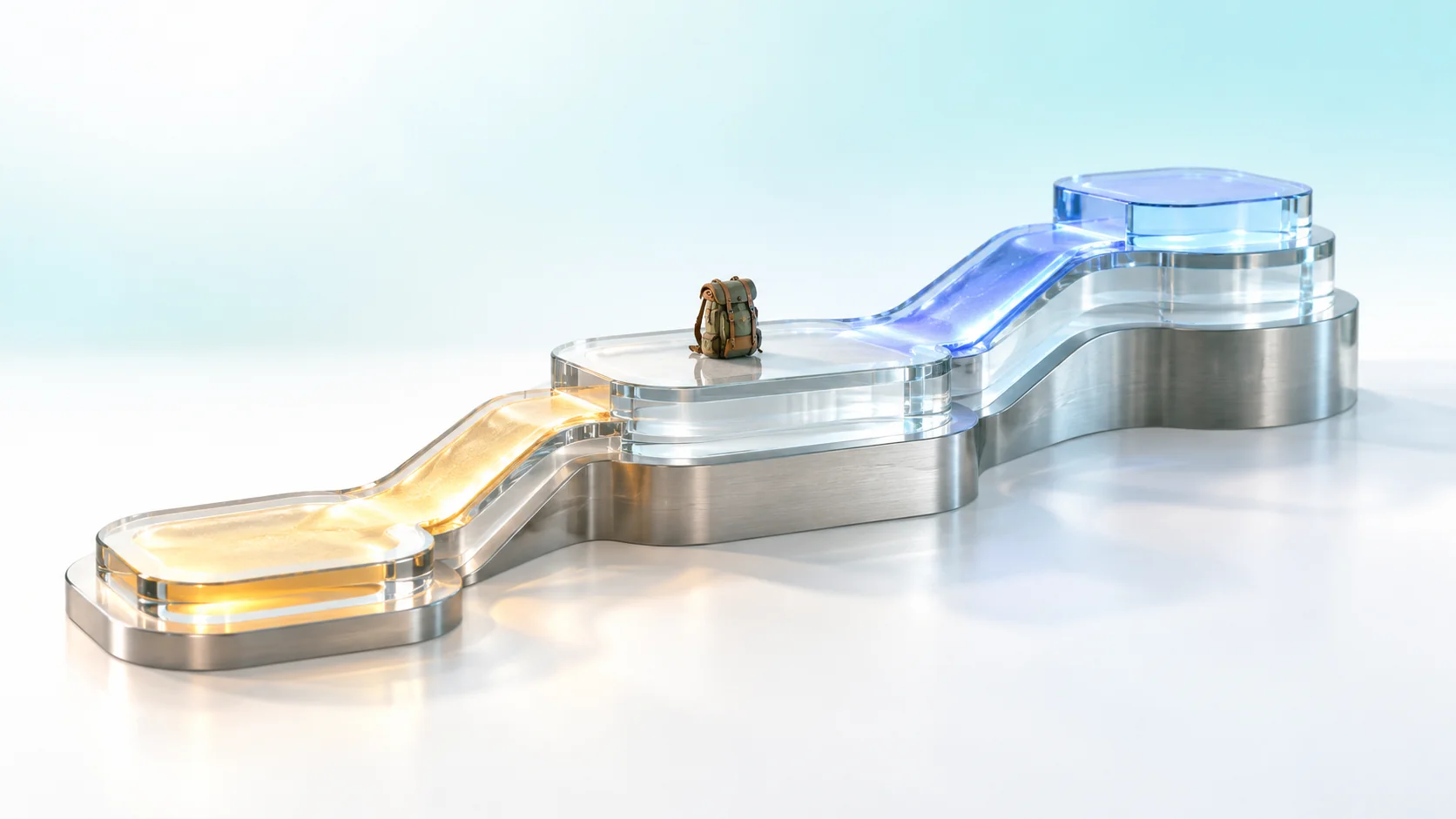
The Q-value is a reaction's energy altitude gap: positive for fission (about +200 MeV) or boron-10 capture (+2.79 MeV), negative for Rutherford's nitrogen reaction (−1.19 MeV), which needs a 1.53 MeV threshold.