Nuclear Theory archive — page 14
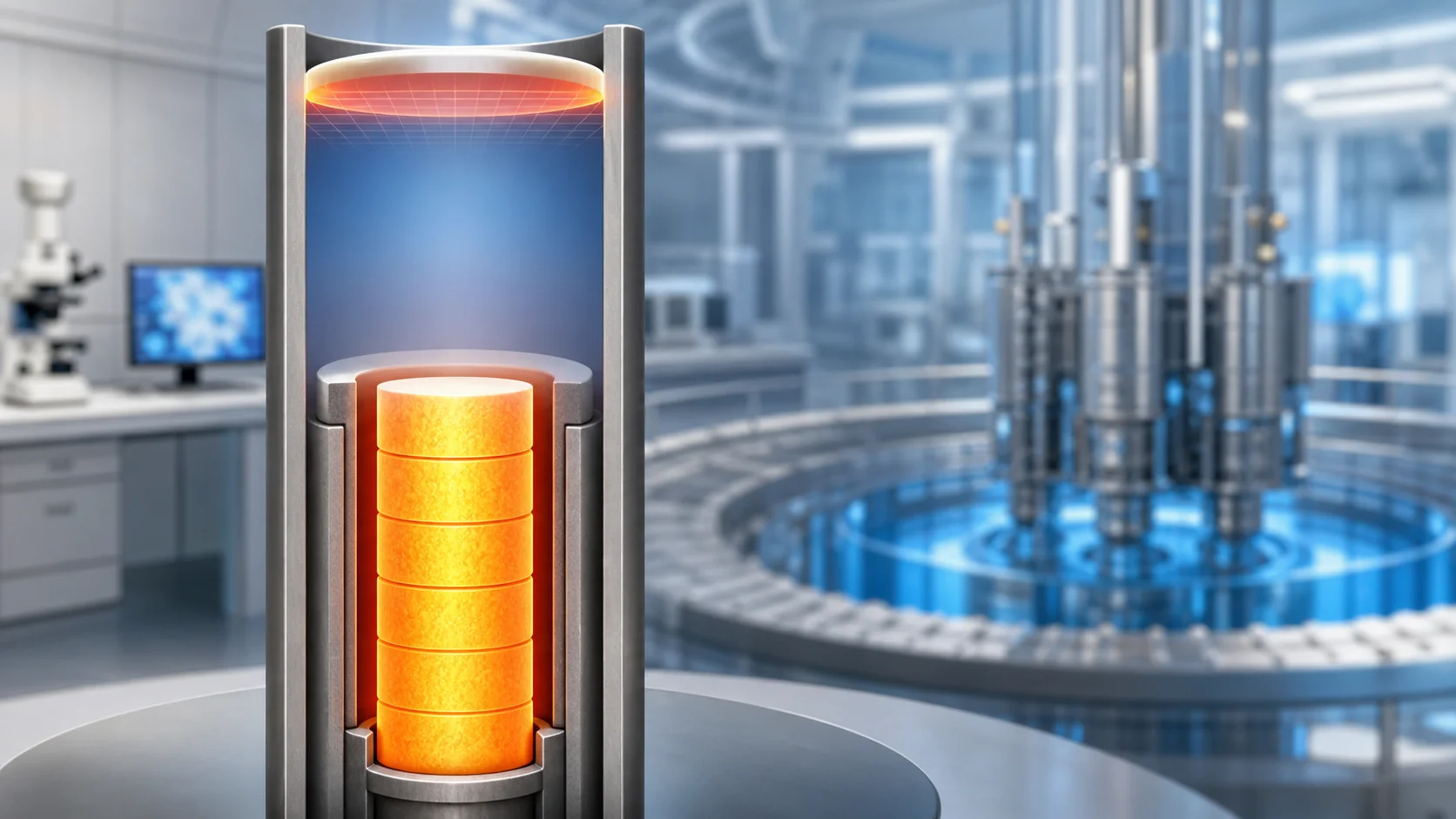
Still a Long Way from Melting — Fuel Temperature Limits, the Invisible Ceiling in a Reactor
Fuel temperature limits keep the pellet centerline, the hottest point of UO₂ fuel, far below its roughly 2,800°C melting point, and because that temperature is set by the heat per meter of fuel rod, the limit is enforced by capping the linear heat rate.
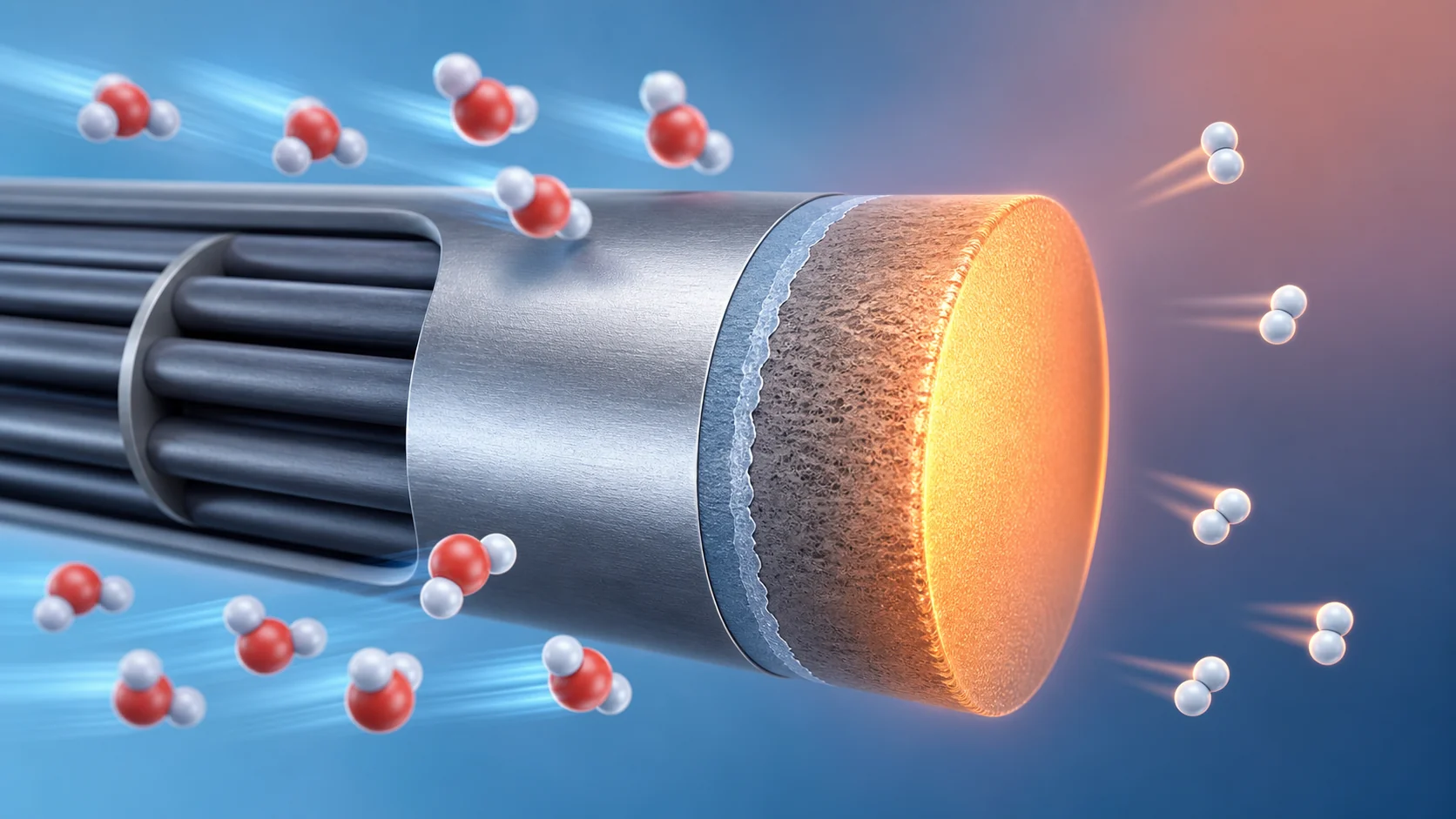
A Trusty Shield That Turns Hydrogen Maker When Hot — Cladding Oxidation and Hydrogen Generation
Zirconium-alloy cladding slowly forms a protective ZrO₂ film and releases hydrogen in normal operation, but at very high accident temperatures the same exothermic reaction accelerates, weakening the cladding and producing large amounts of hydrogen that plants must manage.
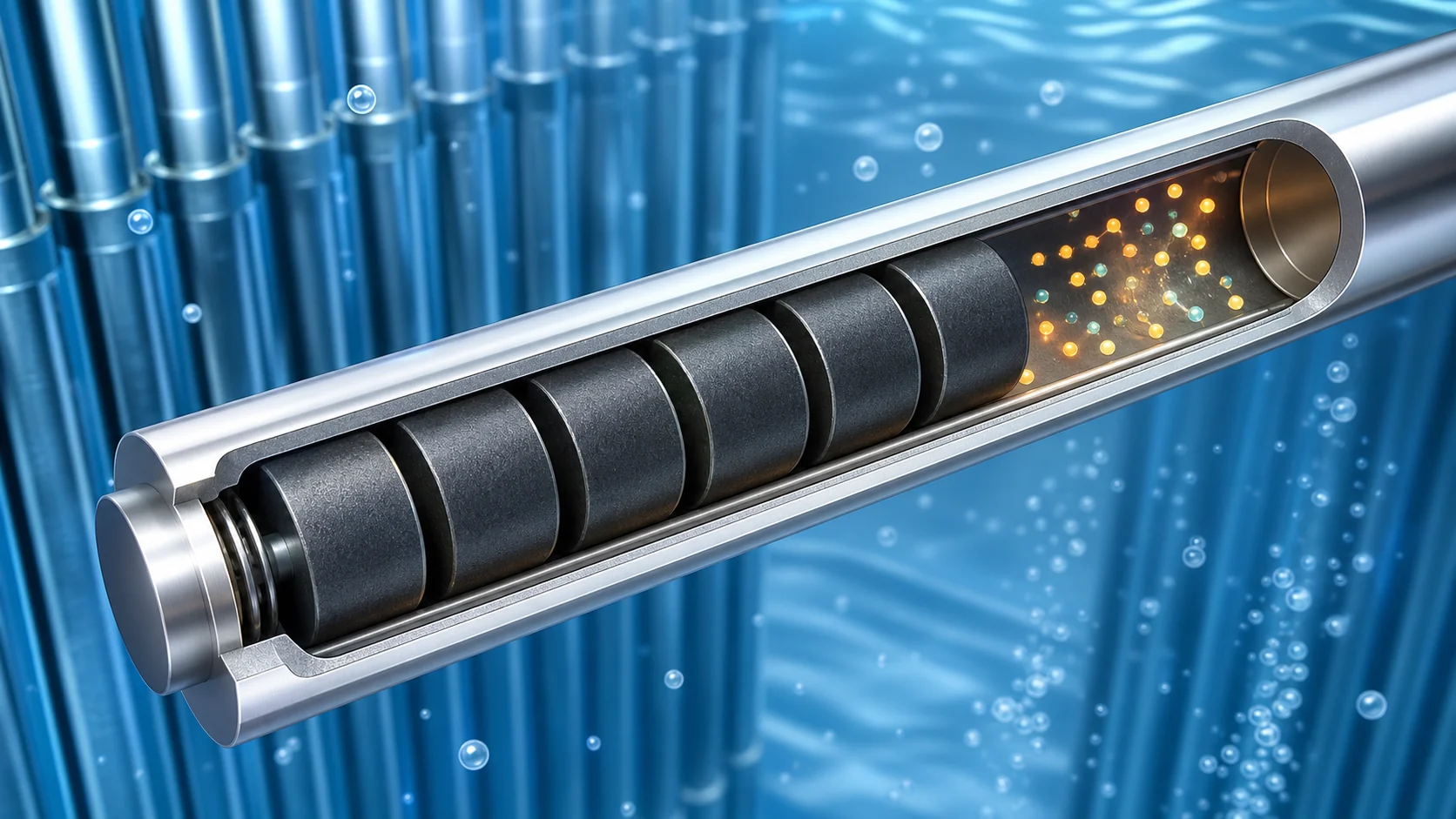
A Metal Skin Less Than a Millimeter Thick Is the First Barrier — Why Fuel Integrity Matters
Fuel integrity is the state in which the thin cladding around the fuel pellets keeps radioactive fission products sealed inside; as the first metal barrier it is closely watched, and a tiny leak shows up early as a slight rise in coolant radioactivity.
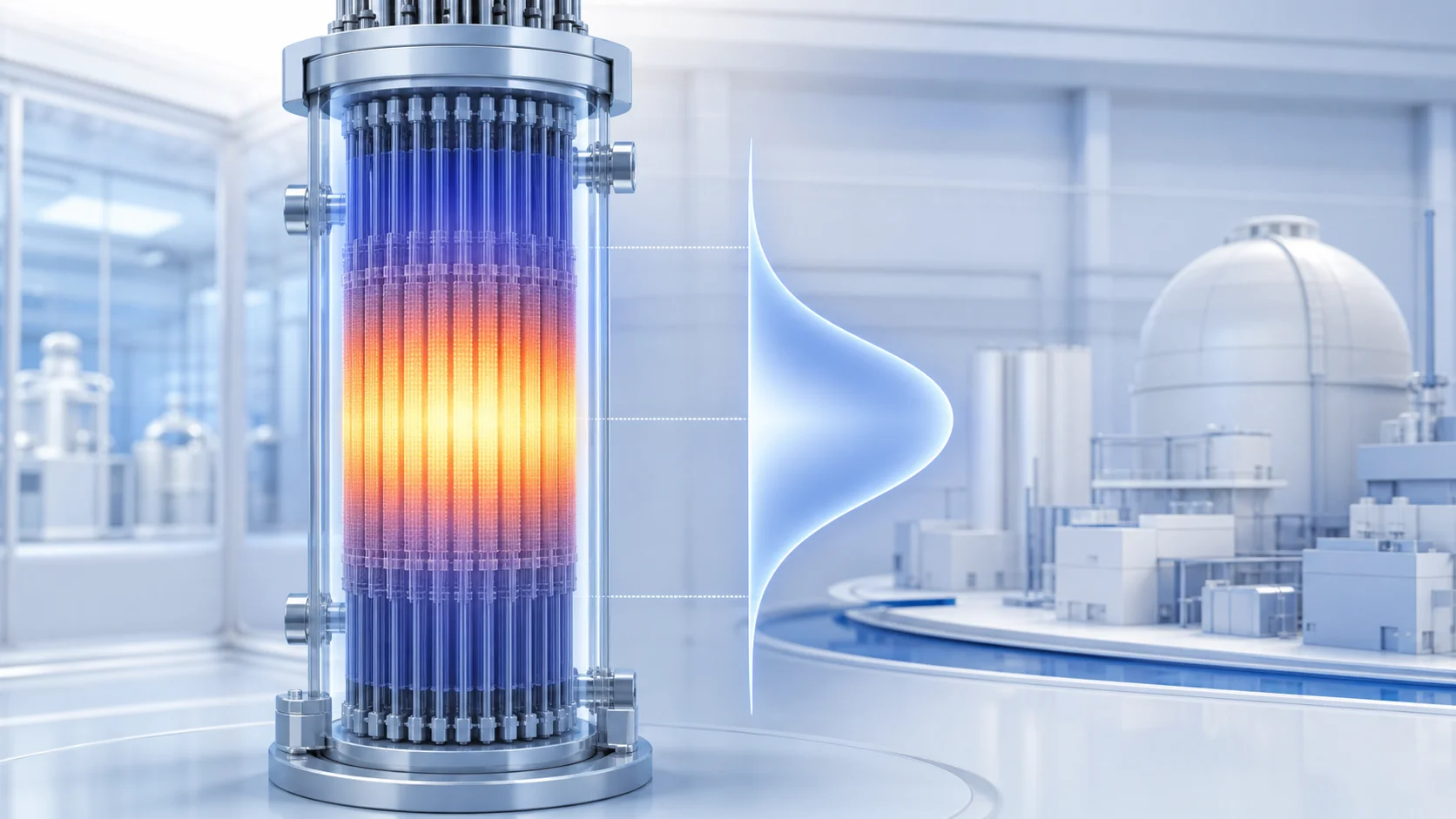
The Busiest Floor Is in the Middle — Reading the Axial Power Distribution Up the Reactor Core
Power in a reactor core varies with height, peaking near the middle in a roughly cosine shape because neutrons leak out at the ends; control rods, coolant temperature and burnup shift it up or down, and the axial offset summarizes that lean in a single number.
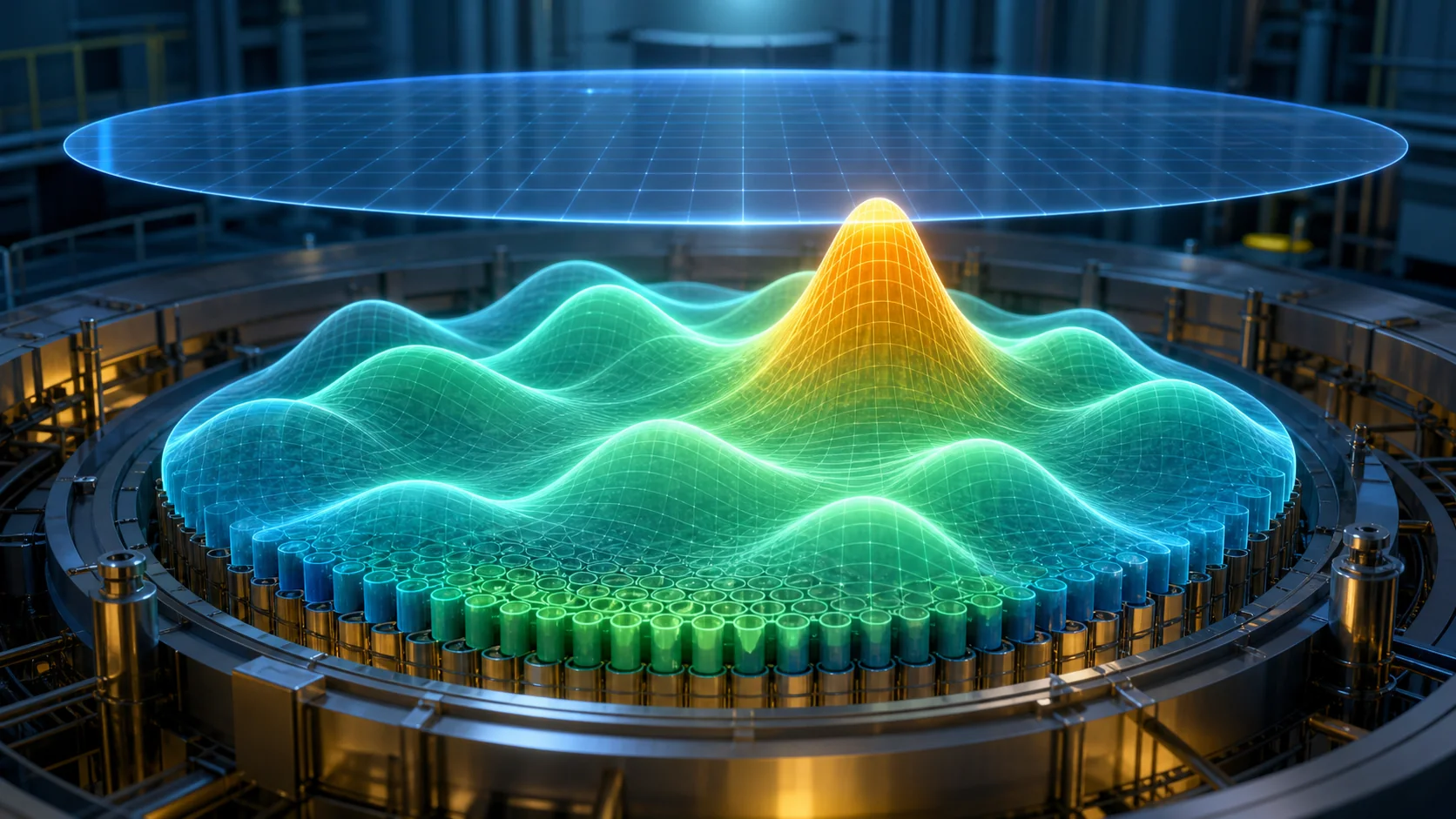
Why One Spoonful Burns Your Mouth — The Power Peaking Factor That Rules the Reactor Core
The power peaking factor is the highest local power in the core divided by the core-average power; since safety limits are reached first at that hot spot, bringing the factor closer to 1 lets the whole core produce more power within the same limits.
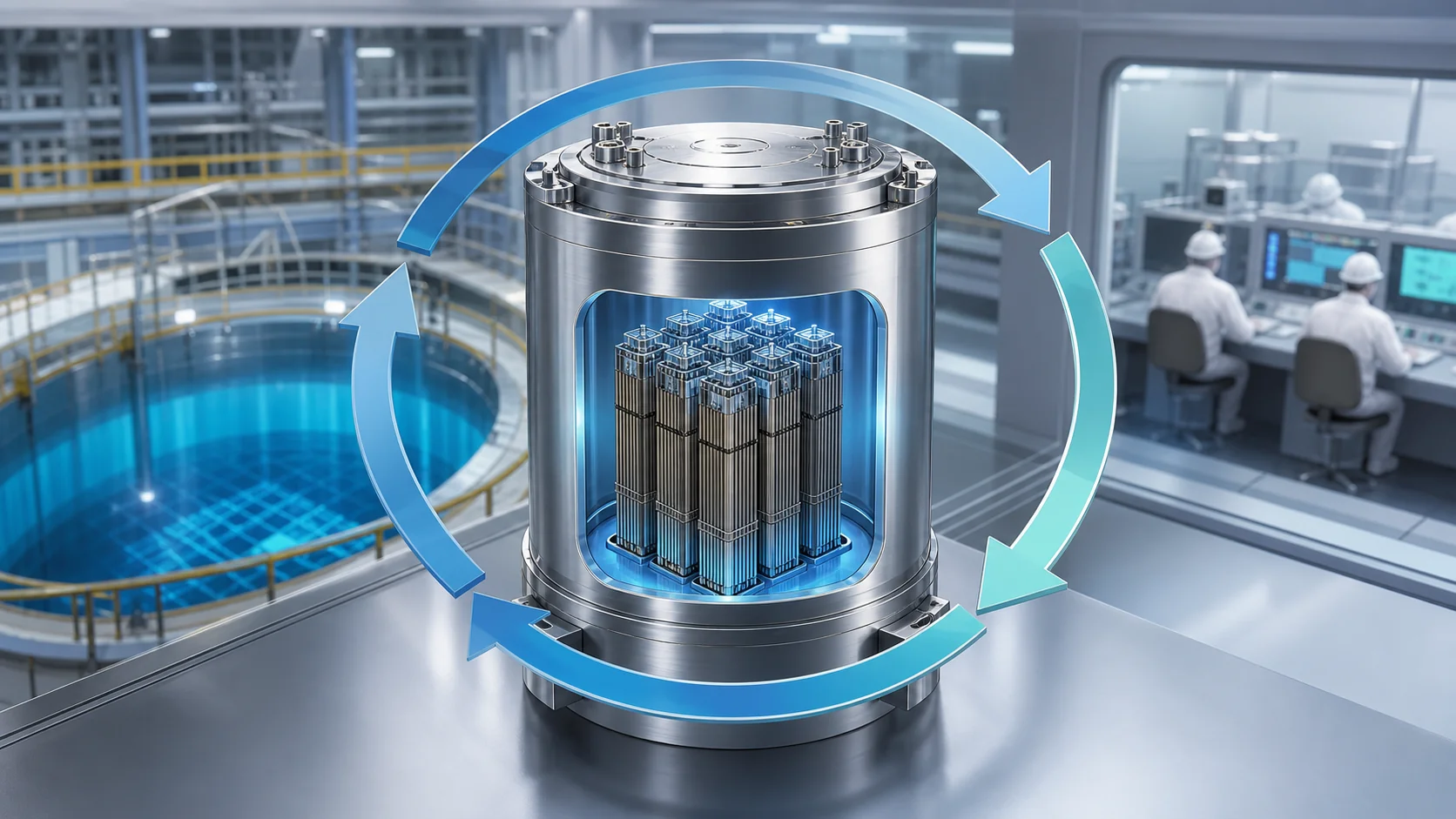
Like Running a Full Load of Laundry — Batch Operation and Campaign (Cycle) Length
In batch operation a reactor loads fuel as a group and runs continuously for a campaign typically designed around 12, 18 or 24 months, then replaces only part of the core (typically about one-third), with cycle length set by balancing capacity factor against enrichment, burnup and safety limits.
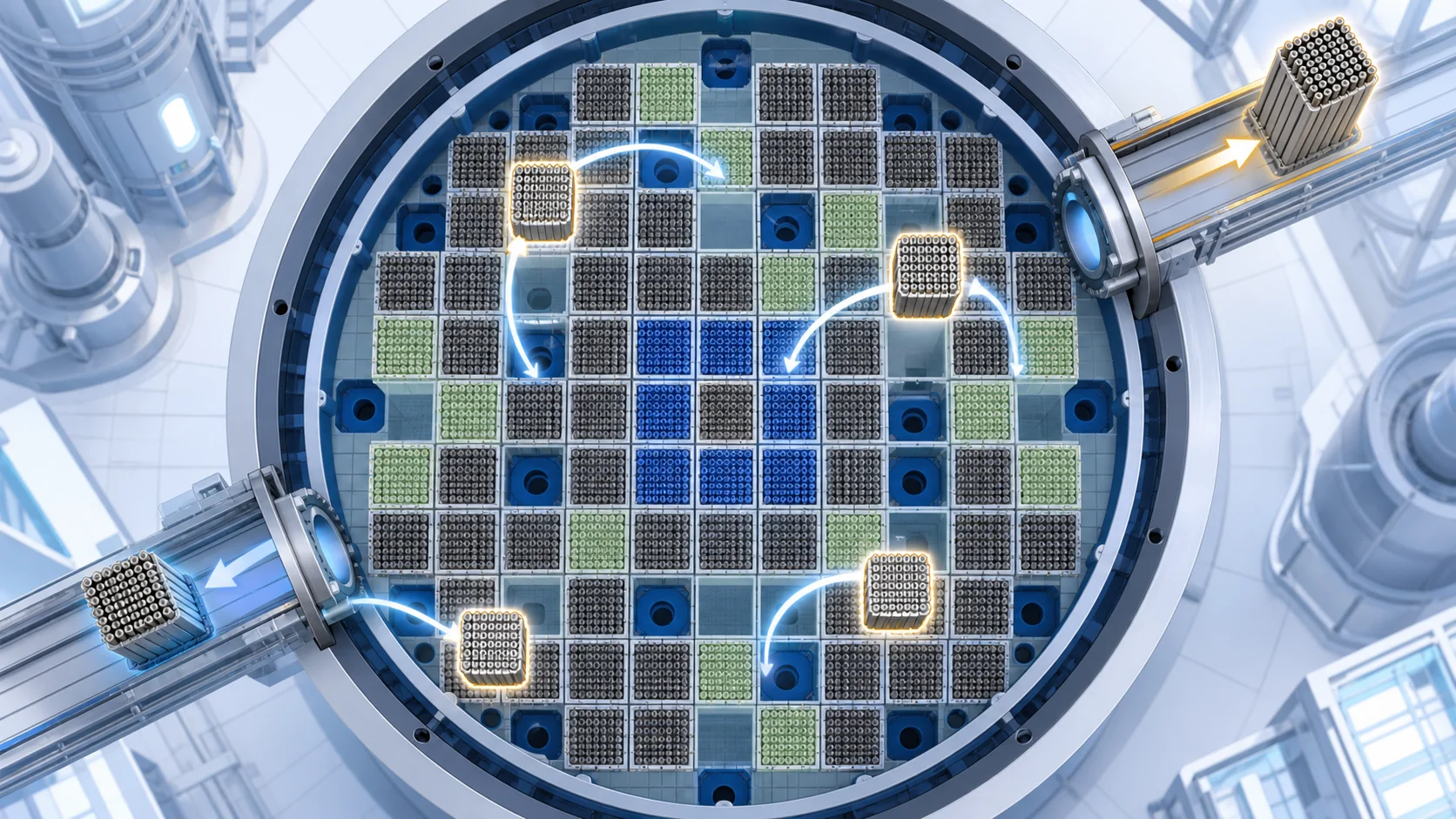
Not a Card Shuffle — Fuel Shuffling, the Art of Rearranging a Reactor Core
Fuel shuffling relocates partly burned fuel to new, pre-calculated core positions at refueling, while only the most burned fuel (typically about one-third) is discharged, so that power is flattened and the peaking factor kept close to 1.
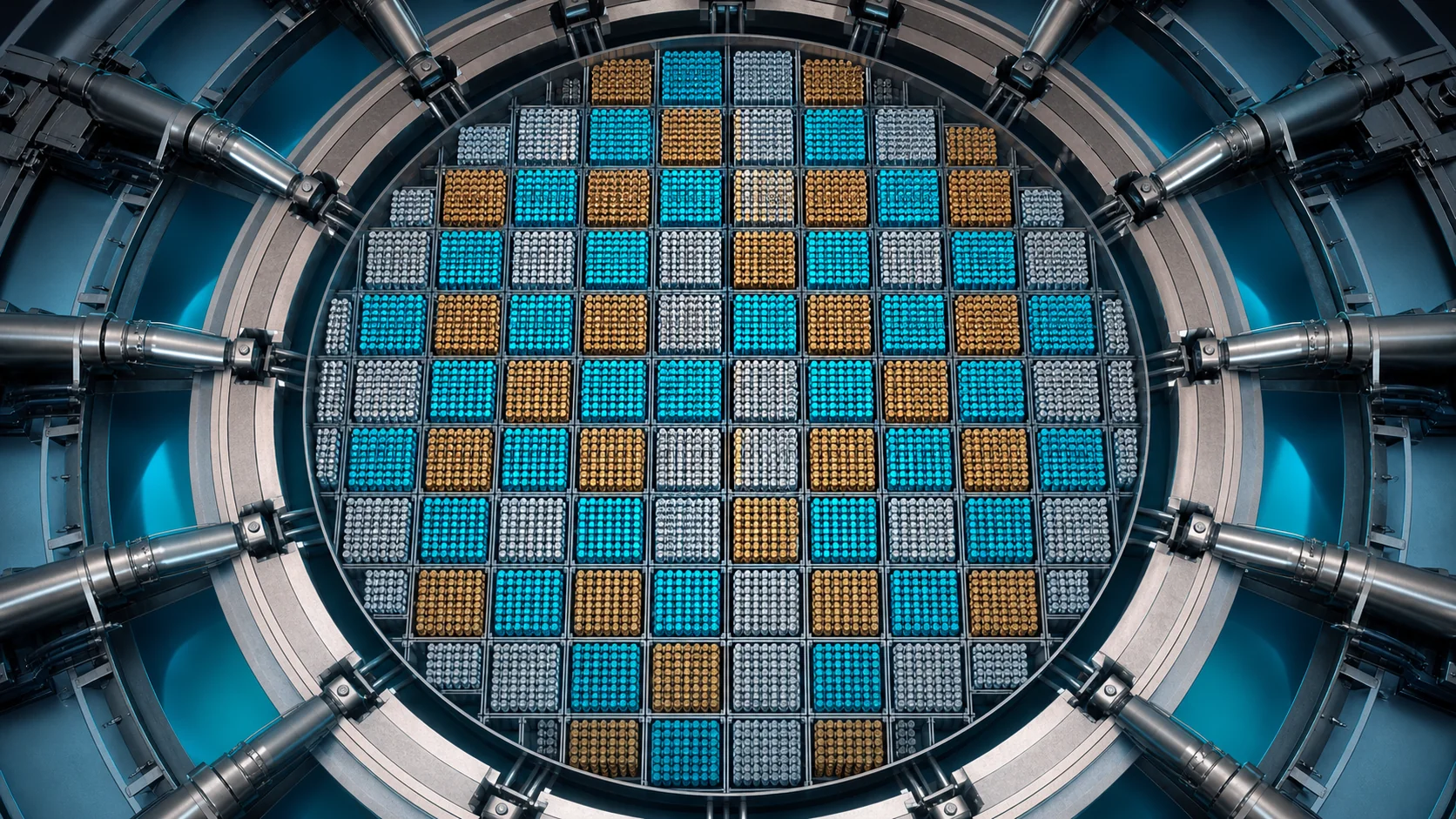
By the Window or in the Middle of the Room? — The Fuel Loading Pattern Puzzle
A loading pattern is the calculated map of where fresh and burned fuel sit in the core, balancing flat power, low neutron leakage and cycle length, and its evenness is judged by the power peaking factor (highest local power ÷ average power).

The Guest Who Won't Leave the Couch — Why Samarium-149 Lingers in the Core
Samarium-149 is a stable fission-product neutron poison fed by promethium-149 decay (half-life about 53 hours) and removed only by neutron absorption, so after shutdown it rises and stays high, unlike xenon-135, which decays away within days.

Born from Iodine, Erased by Neutrons — How Xenon-135 Is Made and Removed
Xenon-135 is a powerful fission-product neutron absorber made mostly through the decay of iodine-135 (half-life about 6.6 hours) and removed by its own decay (about 9.2 hours) and by neutron absorption, so at constant power it settles at an equilibrium level within roughly two days.