Nuclear Theory archive — page 23

The Forecast Doesn't Track Every Raindrop — Why Reactor Physics Needs Diffusion Theory
Diffusion theory calculates a core's smooth average neutron flux distribution instead of tracking each neutron, trading a little accuracy for much lighter computation in core design.
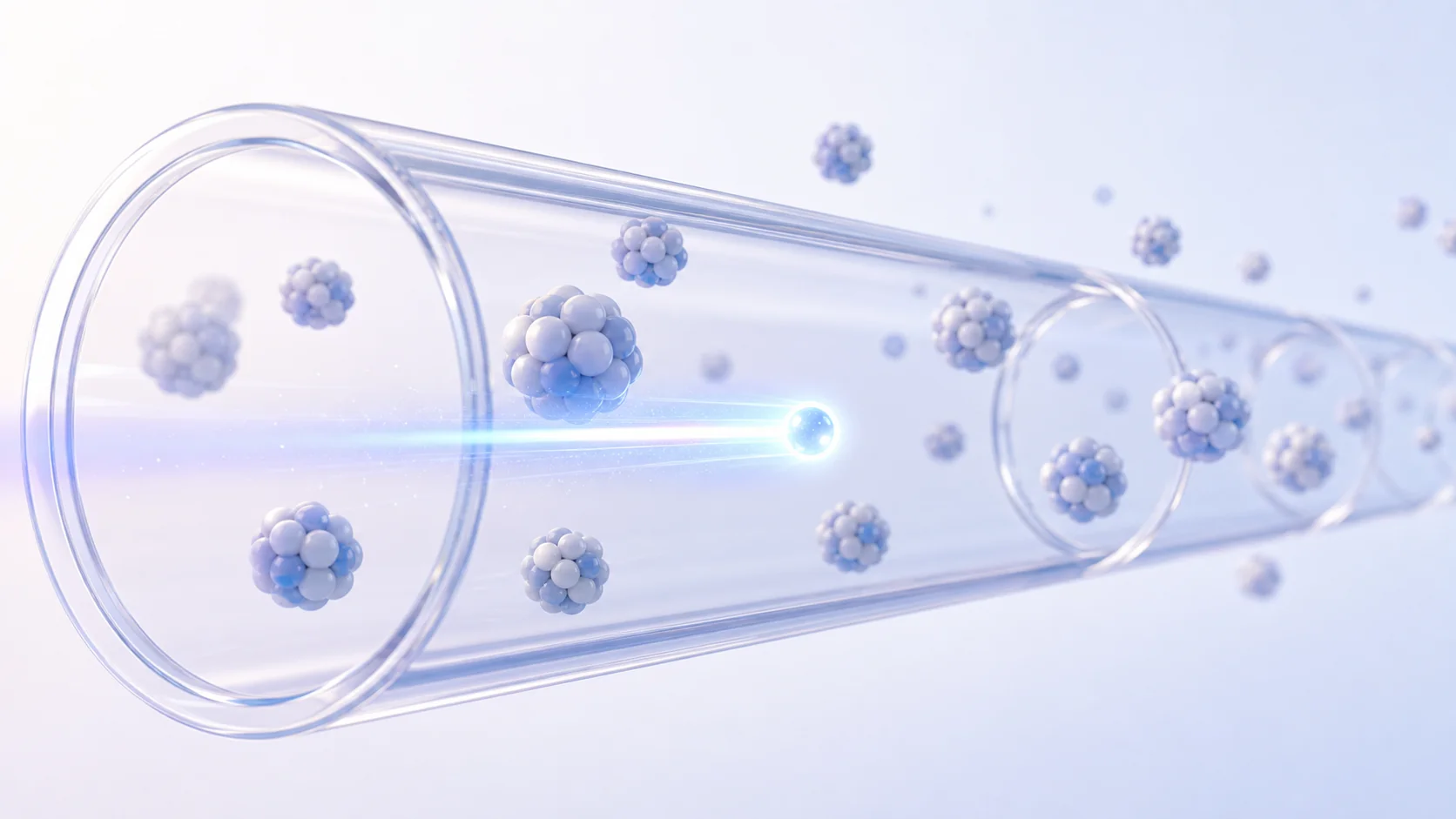
Why You Bump Into Someone Every Few Steps — The Neutron's Mean Free Path
The mean free path, the average distance a neutron travels before its next collision, equals 1/Σ and is a basic yardstick for core and shielding design.

One Dartboard vs. a Wall Full of Them — Microscopic and Macroscopic Cross Sections
The microscopic cross section σ measures reaction probability for one nucleus in barns, the macroscopic cross section Σ = σ × N gives it for a whole material, and neither is the real size of a nucleus.
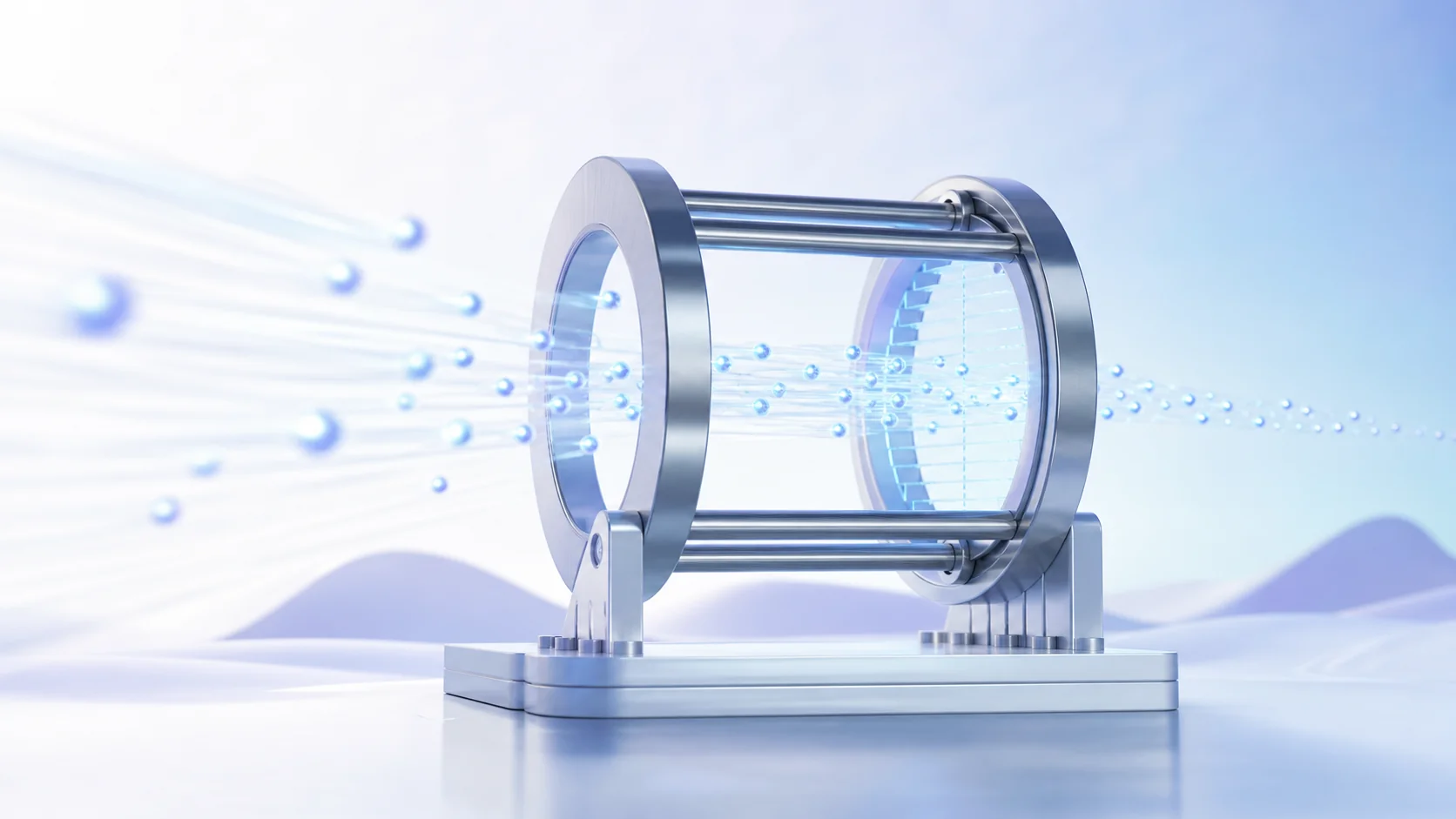
Same Crowd, Busier Gate — What Neutron Flux Really Measures
Neutron flux, density times average speed, measures how actively neutrons travel through a place and is generally highest at the center of a reactor core and lower toward the edge.
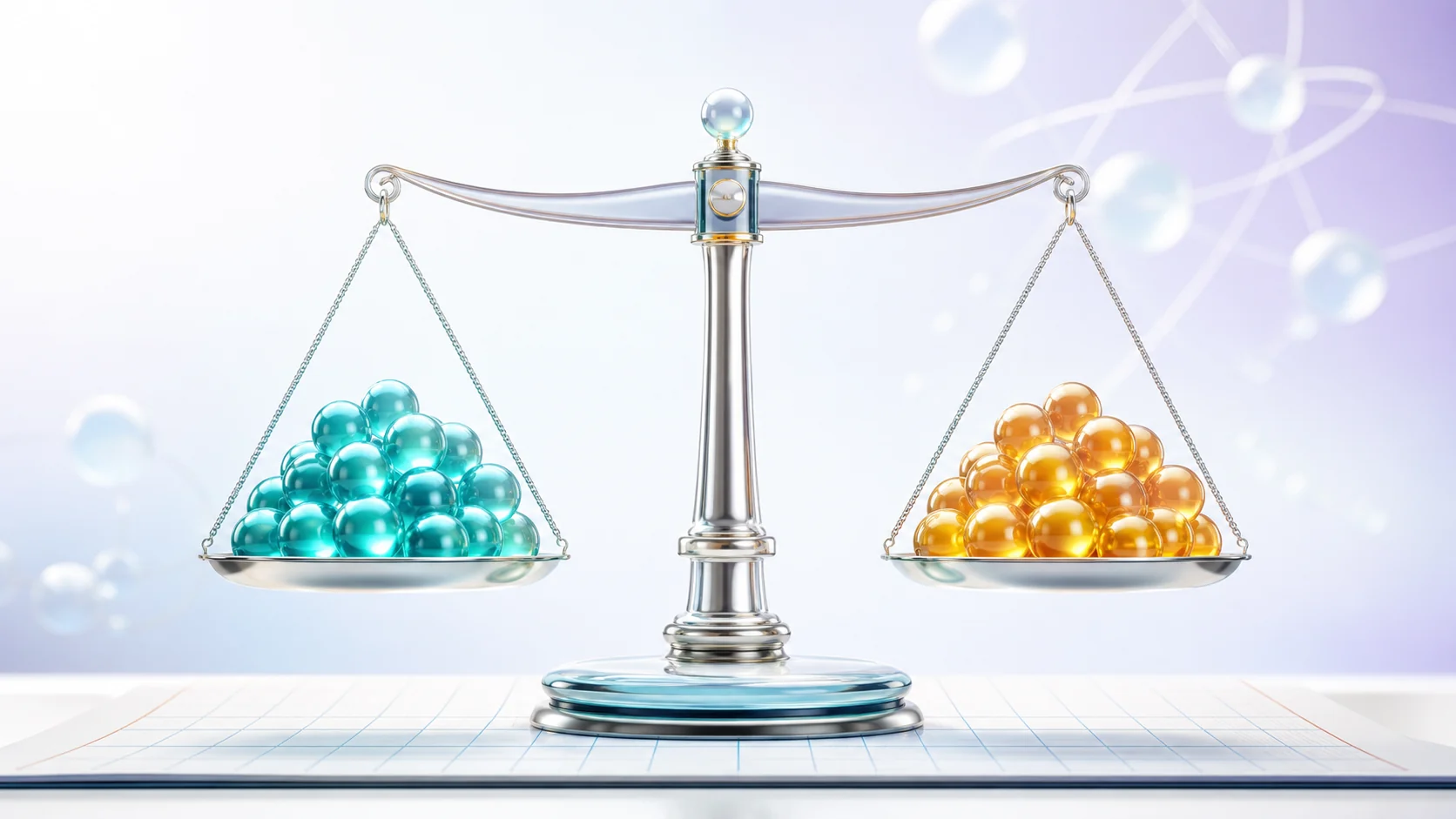
In the Red or in the Black? — The Neutron Balance Inside the Core
The neutron balance compares neutrons born in fission with neutrons lost to absorption and leakage, and its sign decides whether a core's neutron population rises, holds steady at criticality or falls.
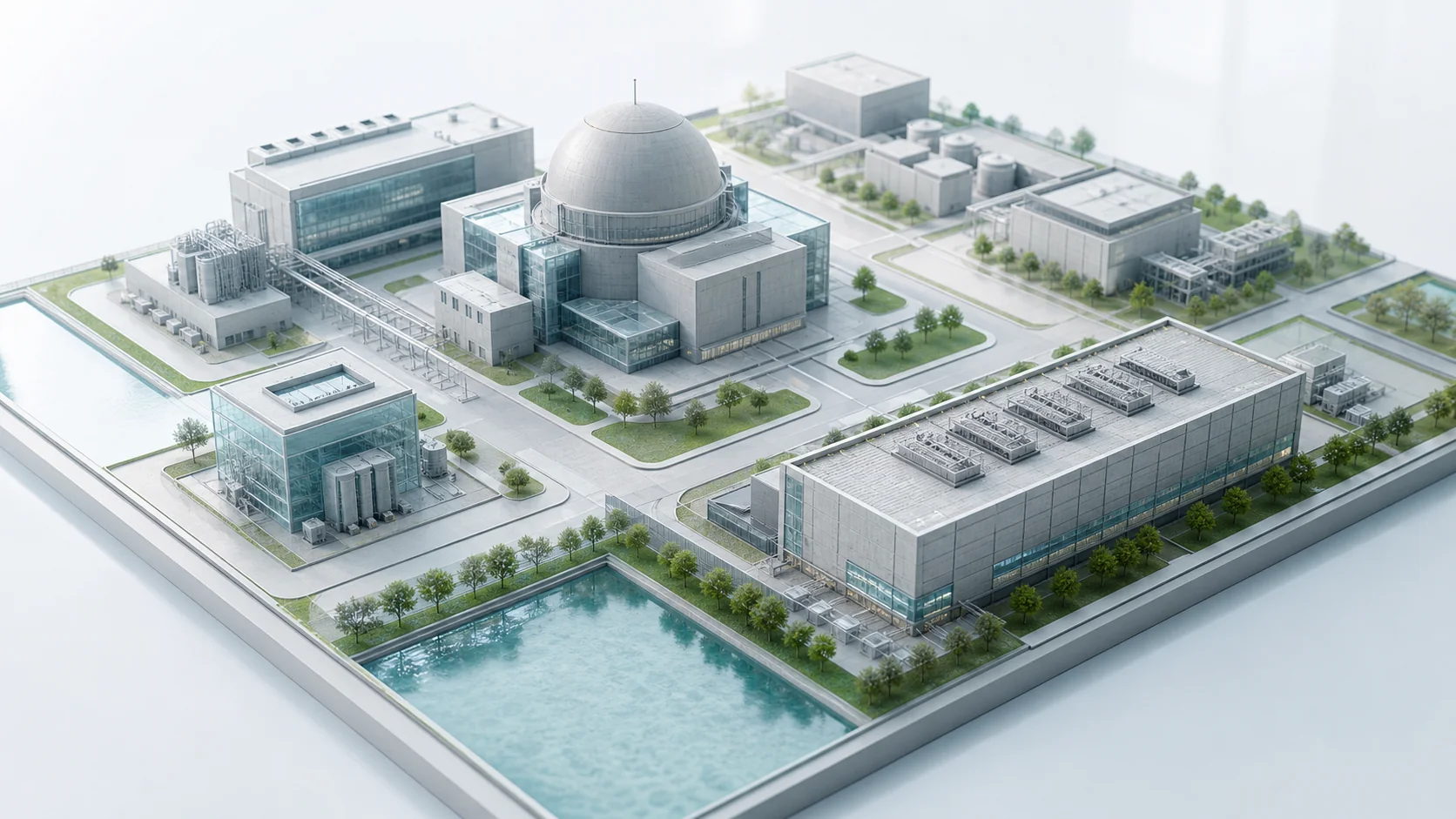
Why Is a Nuclear Plant Spread Out? — The Safety Logic of Reactor Building Layout
A nuclear plant is laid out as several separate buildings because physically separating redundant safety equipment keeps a single fire or flood from causing a common cause failure.
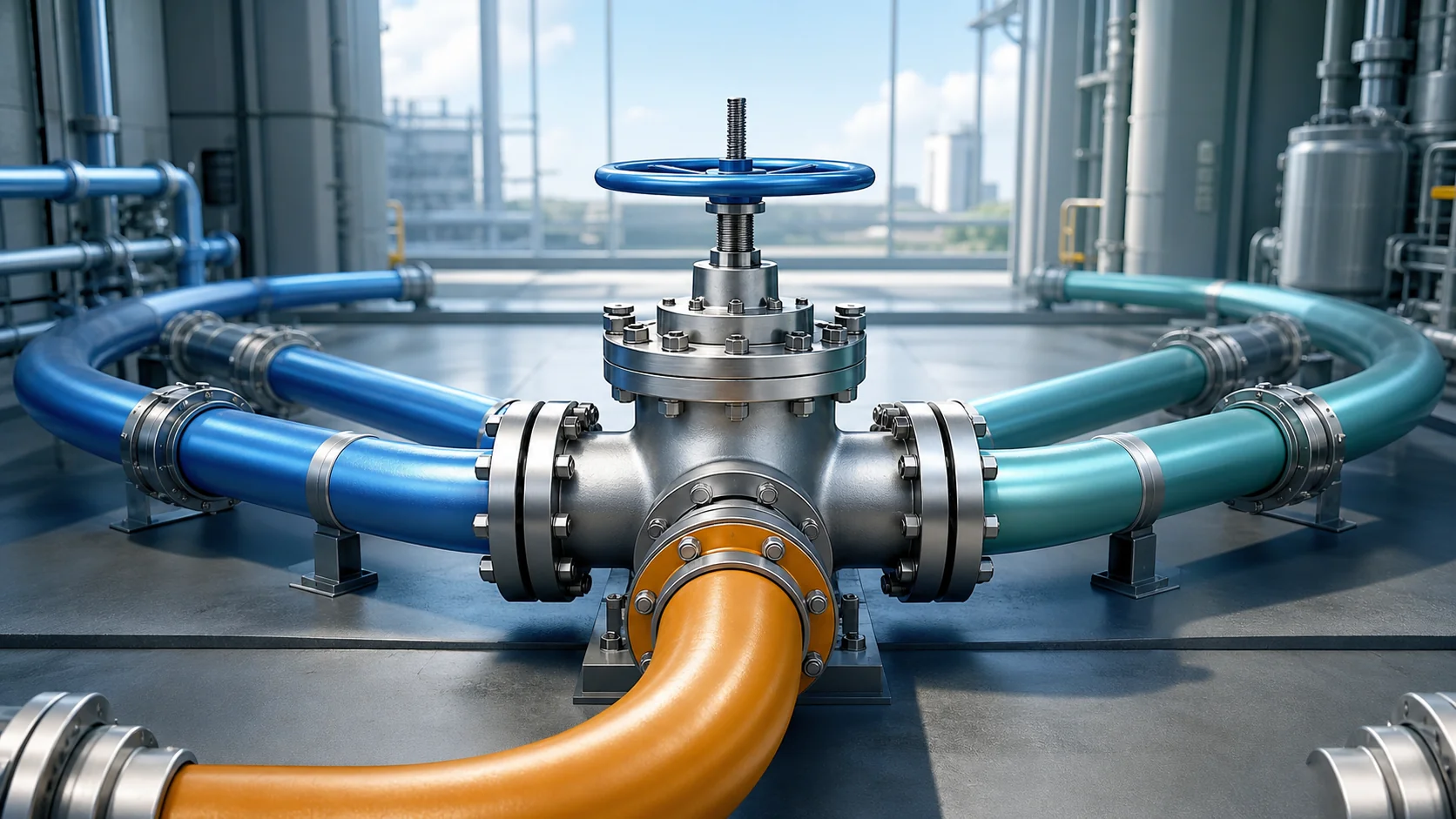
There's a Reason the Subway Map Looks So Busy — Why Nuclear Plants Have So Many Pipes and Valves
Nuclear plants have so many pipes and valves because safety functions are built as several independent trains under the single failure criterion, and valves let sections be isolated or bypassed for maintenance.
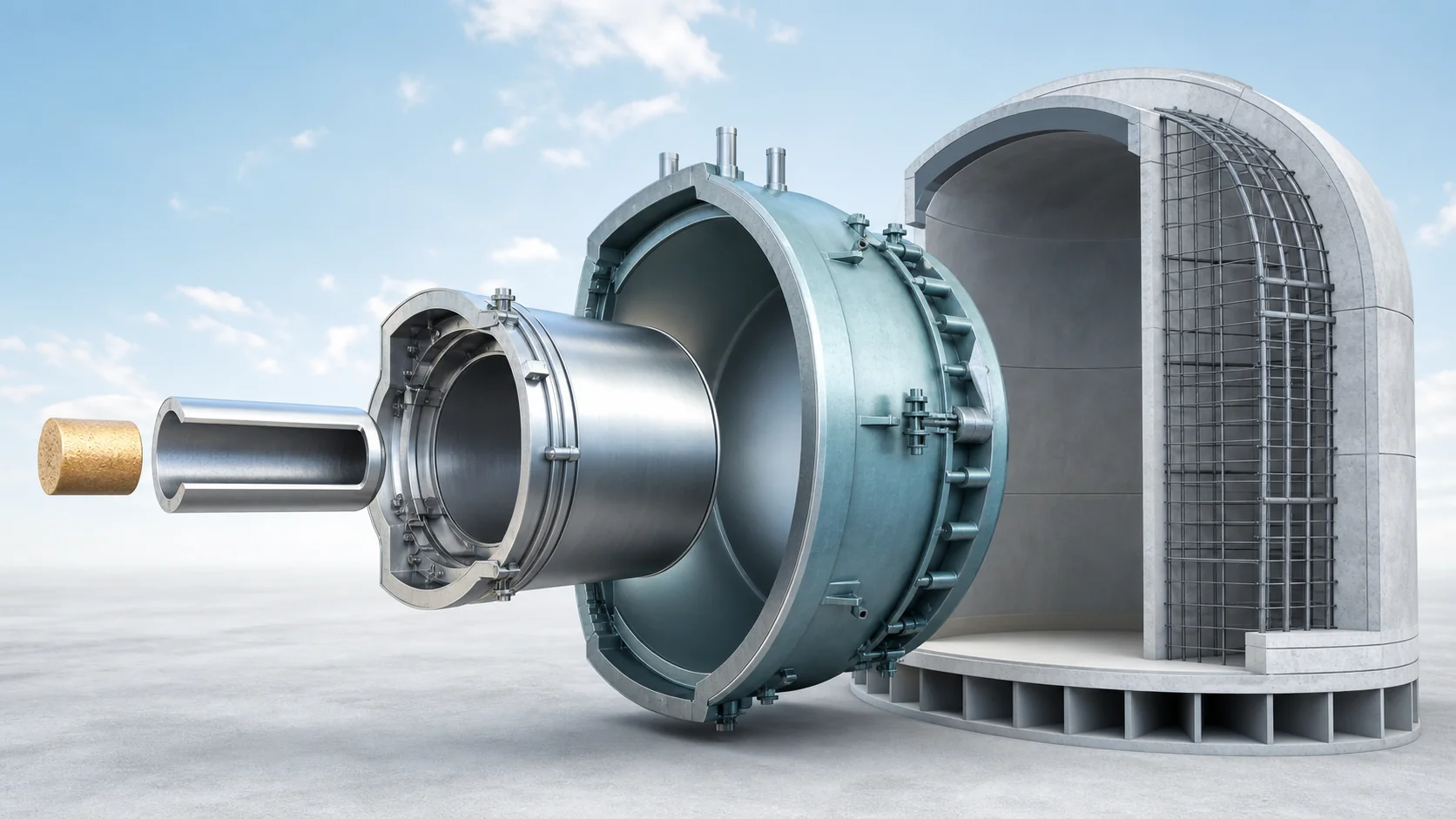
Escape Four Times, Get Caught Four Times — The Multiple Barriers of a Nuclear Plant
A nuclear plant holds radioactive material behind four independent barriers, the fuel matrix, the cladding, the reactor coolant pressure boundary and the containment building, so that no single failure lets it out.
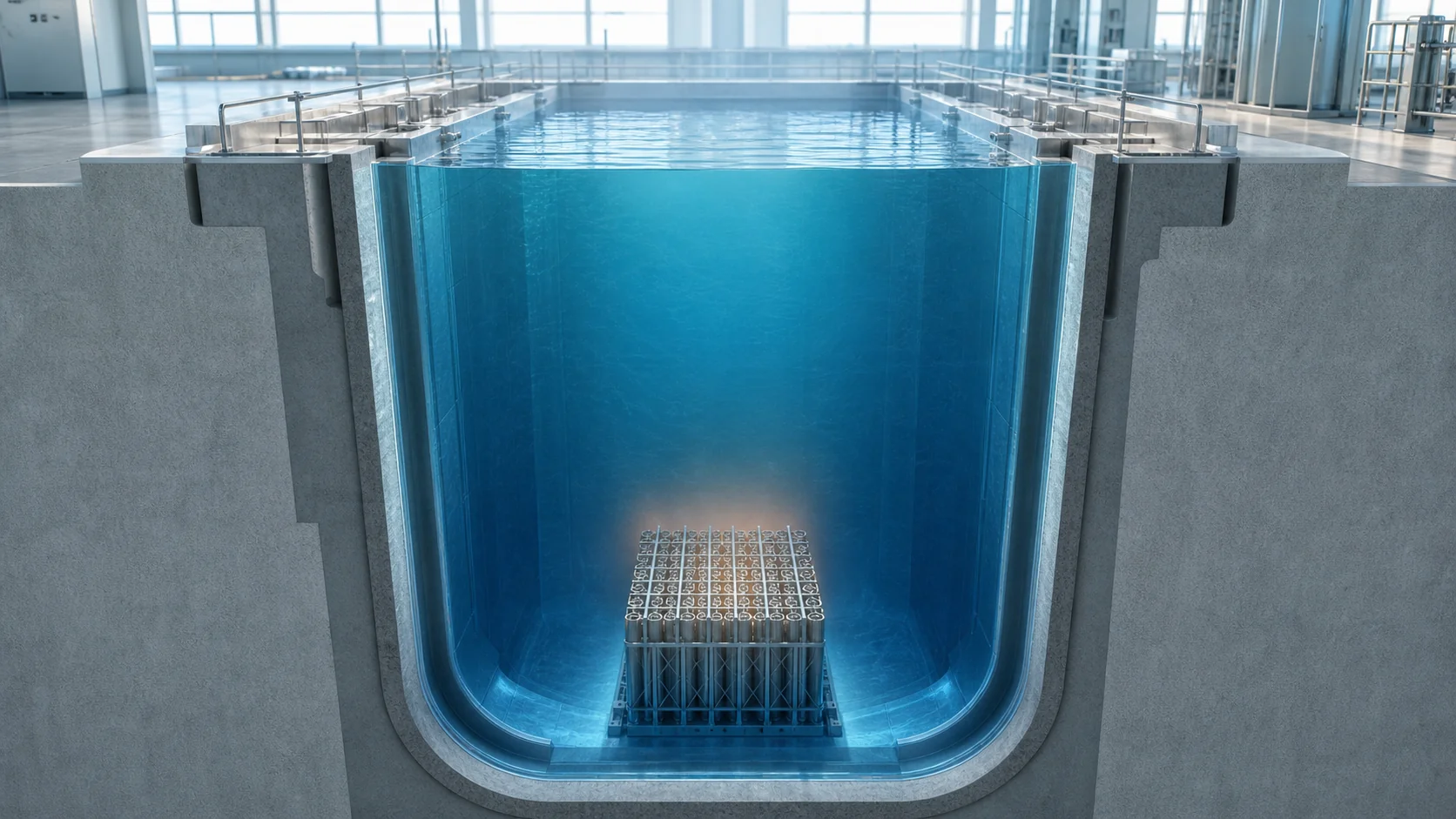
Not a Dead Battery — Why a Spent Fuel Pool Keeps Used Fuel Underwater
A spent fuel pool stores used fuel under a deep layer of water for years because the fuel keeps producing decay heat and radiation, and the water both carries the heat away and shields the radiation.
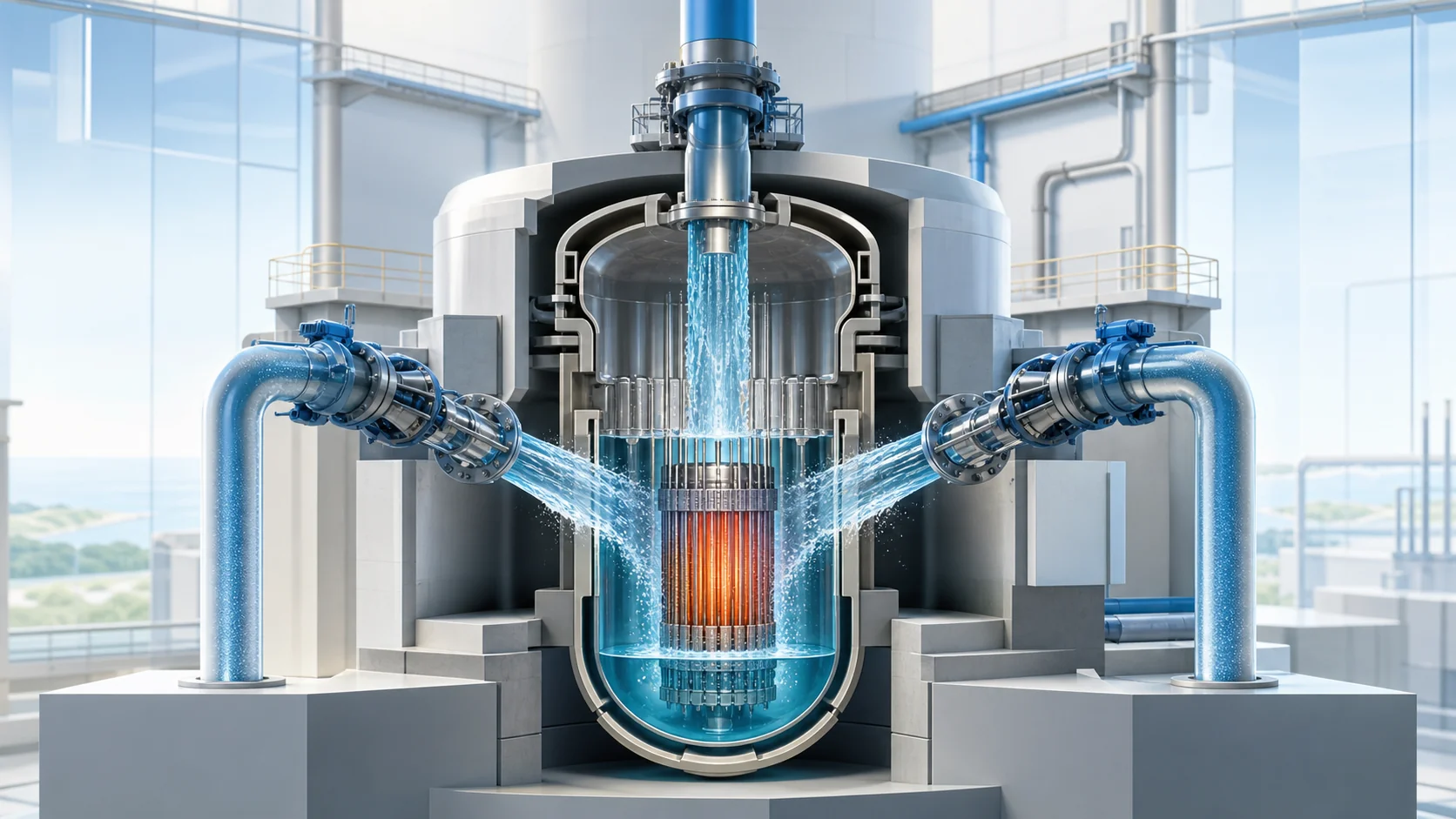
What If the Cooling Water Suddenly Vanished? — The Emergency Core Cooling System
The Emergency Core Cooling System is a standby safety system that, after a loss-of-coolant accident is detected, refills the reactor core automatically: first passive accumulators, then high- and low-pressure pumps, then long-term recirculation.