NUCLEAR HISTORY
Nuclear History
NUCLEAR HISTORY
Nuclear History
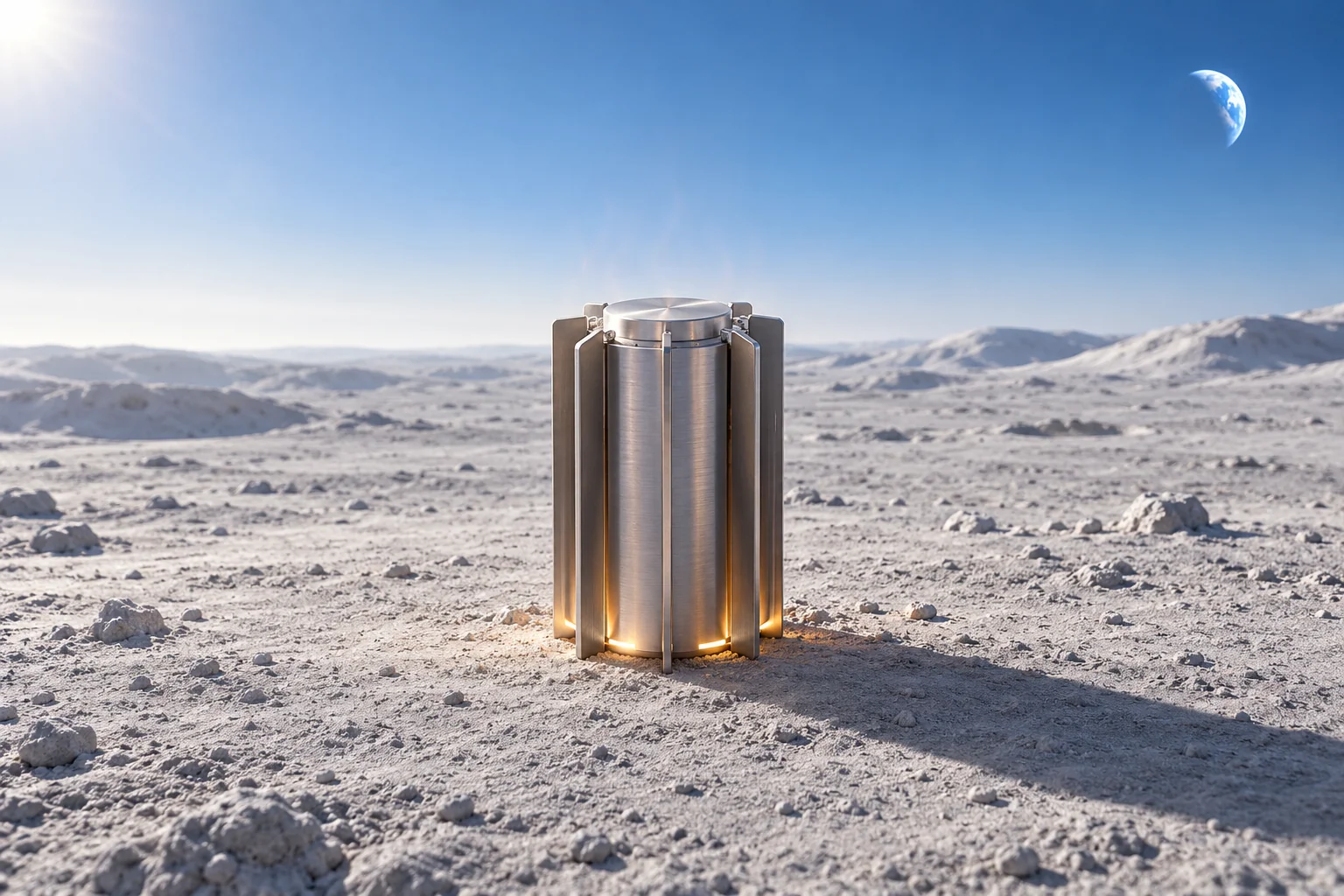
RTGs: Nuclear Batteries for Deep Space
From a 2.7-watt generator on Transit 4A in 1961 to the Voyagers, which still run in 2026 while losing about 4 watts a year, RTGs turned plutonium-238 decay heat into power for deep-space exploration.
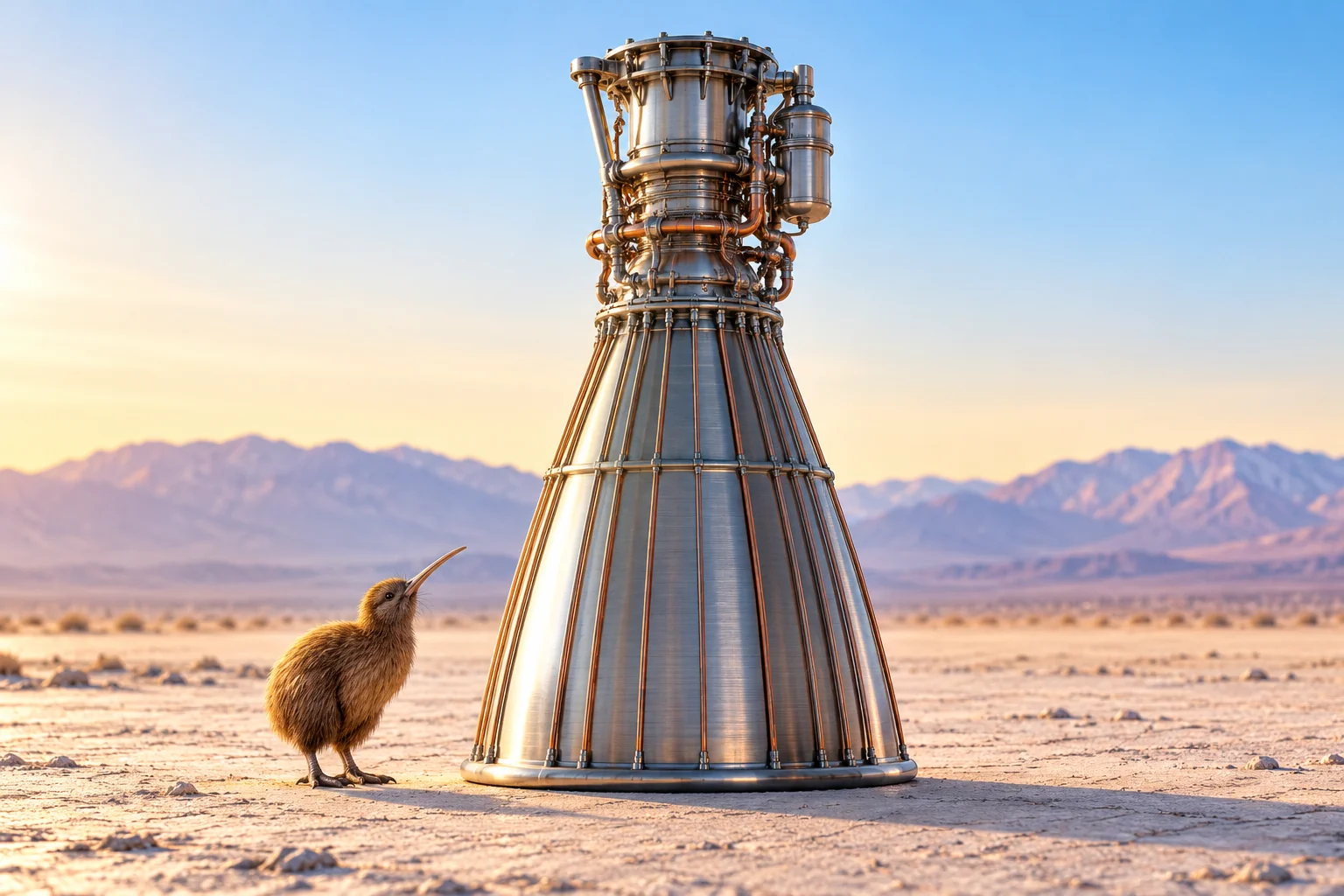
Project Rover and NERVA nuclear rockets
From the first Kiwi reactor test in 1959 to cancellation in January 1973, Rover and NERVA proved that a reactor heating hydrogen could drive a rocket, but no nuclear rocket ever left the ground.
SNAP-10A, the first reactor in space (1965)
Launched on 3 April 1965, SNAP-10A produced roughly 500 to 650 watts for 43 days before a satellite voltage regulator failed; it remains the only reactor the United States has flown.

Russia's Nuclear Icebreaker Fleet
Arktika reached the North Pole on 17 August 1977; today four Project 22220 icebreakers with RITM-200 reactors are in service, three more are being built, and Russia operated eight nuclear icebreakers at the end of 2024.
British, French, Chinese and Indian Nuclear Submarines
HMS Dreadnought (launched 1960, US S5W reactor), Le Redoutable (1967), China's Changzheng 1 (1970) and India's INS Arihant (2009) made four more nations nuclear-submarine operators after the US and USSR.
The Kursk Disaster (2000)
On 12 August 2000 a torpedo explosion sank the Russian submarine Kursk with all 118 aboard; its two reactors shut down, Norwegian monitoring found no radioactive leakage, and the hull was raised in 2001 and defuelled by 2003.

The Loss of USS Scorpion (1968)
USS Scorpion was lost southwest of the Azores on 22 May 1968 with all 99 men; the Court of Inquiry could not determine the cause, competing explanations remain, and Navy surveys found no release from the reactor fuel.
USS Thresher and SUBSAFE
On 10 April 1963 USS Thresher was lost with 129 aboard during a deep test dive; within two months the Navy created SUBSAFE, which certifies submarines only on documented evidence.
Operation Sea Orbit, 1964
From 31 July to 3 October 1964 the nuclear-powered Enterprise, Long Beach and Bainbridge circled the globe as Task Force One without refuelling or replenishment.
USS Enterprise: The First Nuclear Carrier (1961)
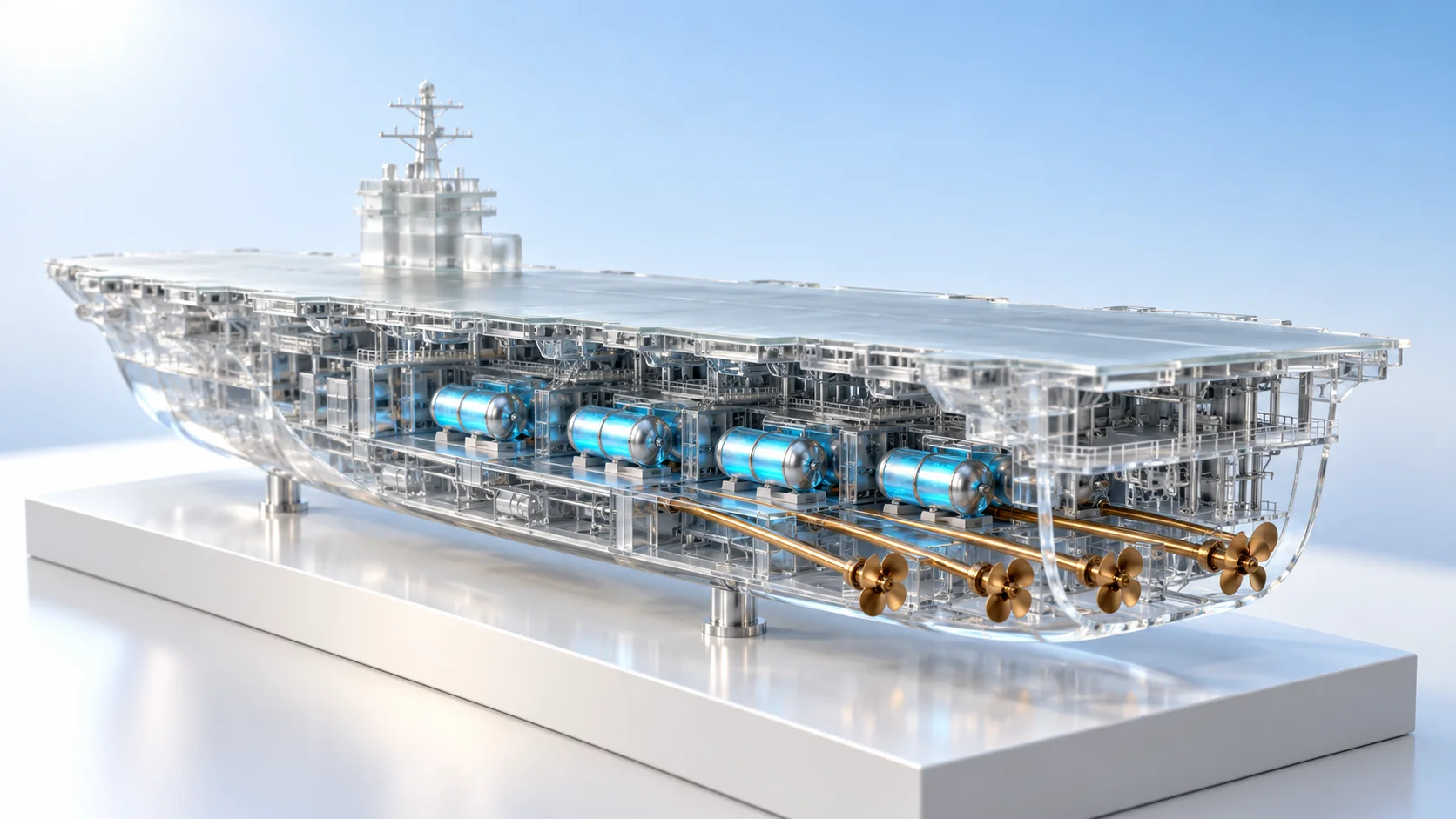
Commissioned on 25 November 1961, USS Enterprise carried eight A2W reactors, served through the Cuban Missile Crisis and Vietnam over 51 years, and was followed 14 years later by the two-reactor Nimitz class.
No history articles yet.