NUCLEAR THEORY
Nuclear Theory
NUCLEAR THEORY
Nuclear Theory Posts

Read It Like a Nutrition Label — Five Checks for Reading Nuclear Information
Read radiation claims like a nutrition label: a banana is about 0.0001 mSv and yearly natural radiation about 3.0 mSv, a 50 percent rise can mean 1 more person in 10,000, and detected only means above the detection limit.

What If Your Driving Examiner Worked for a Car Company? — What a Nuclear Regulator Does
An independent nuclear regulator licenses, inspects and enforces while the operator keeps prime responsibility for safety, as Kori Unit 1's gates from a 1972 construction permit to a 2025 decommissioning approval show.
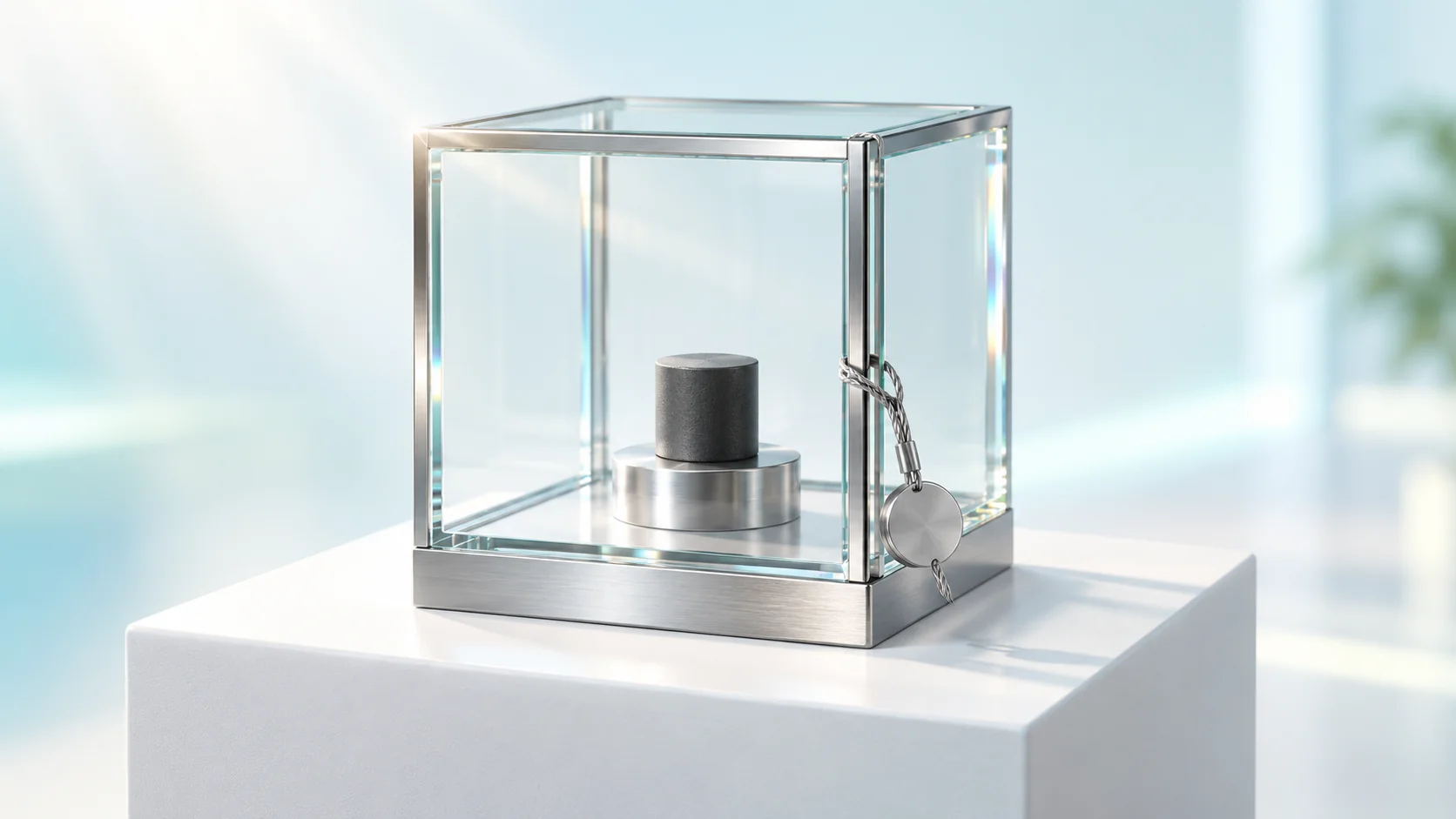
Uranium Watched Like a Bank Vault — Nuclear Non-Proliferation and Nuclear Technology
Reactor fuel at 3 to 5 percent uranium-235 sits far from weapons-grade 90 percent, about 8 versus 208 SWU per kilogram, but because enrichment is dual-use the NPT pairs a right to peaceful use with IAEA safeguards built like layered bank-vault controls.
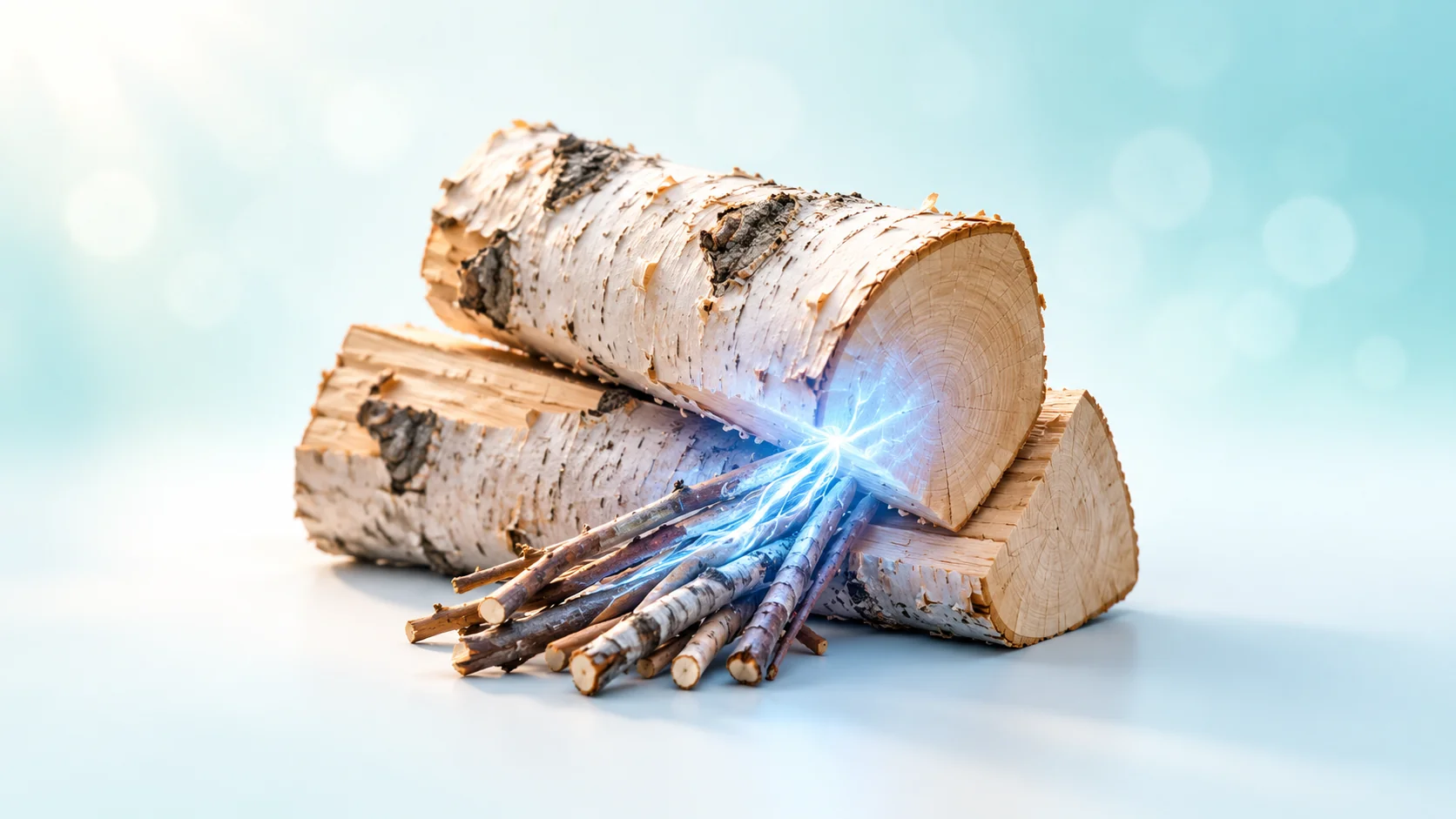
A Log Won't Light Without Kindling — The Thorium Fuel Cycle Explained
Fertile thorium-232 needs neutrons from fissile kindling and about 90 days to become about 90% uranium-233, whose thermal eta of 2.28 makes breeding possible in principle even in thermal reactors, though strong gamma rays and hard reprocessing remain.
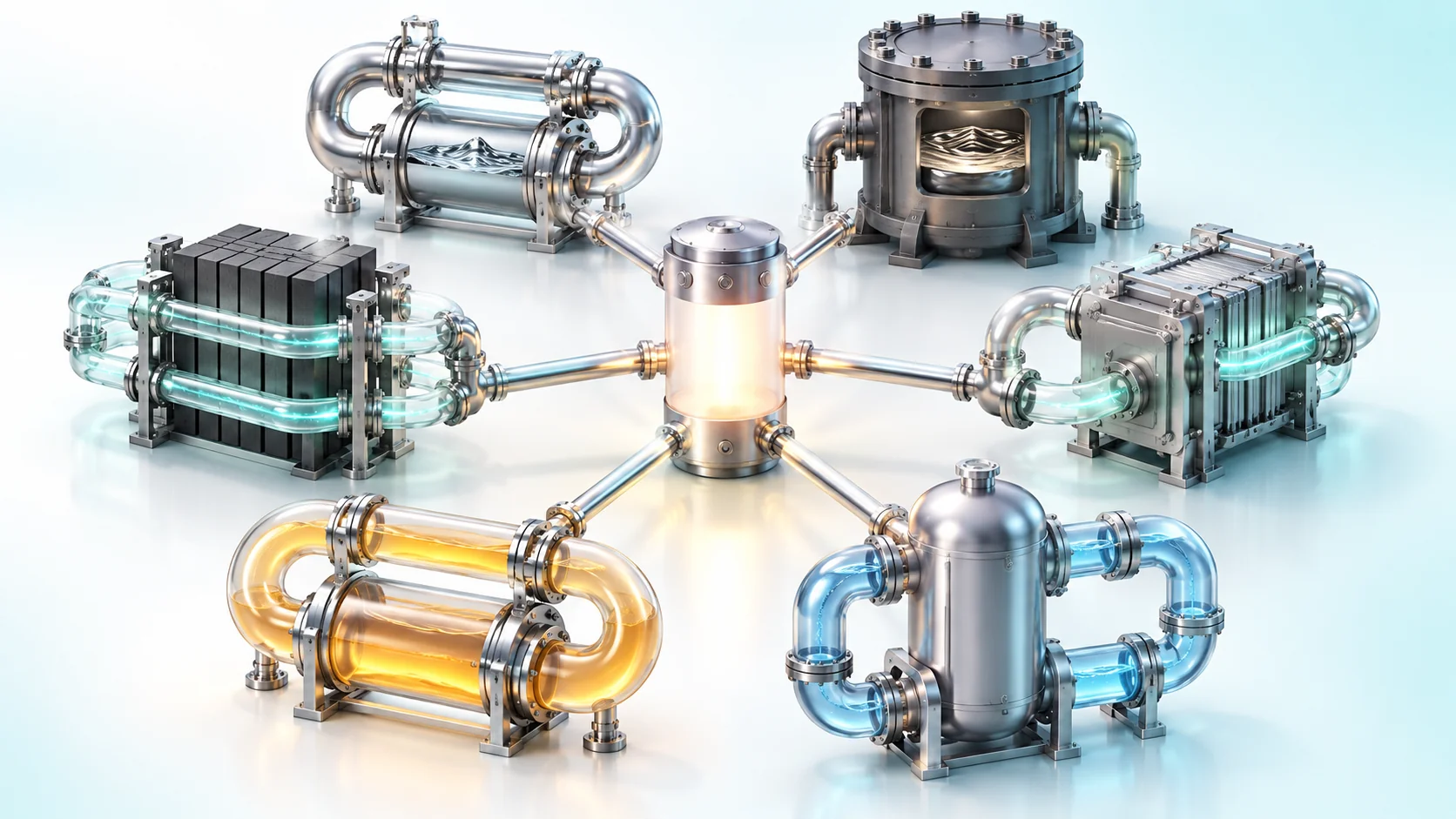
From 2G to 5G, You Could Always Make a Call — What a Generation IV Reactor Really Is
Generation IV is not a single reactor but four goal areas set by the Generation IV International Forum in 2002 and six candidate systems, all with design outlet temperatures of 480 to 1000 degrees Celsius, above the roughly 320 degrees of a typical PWR.
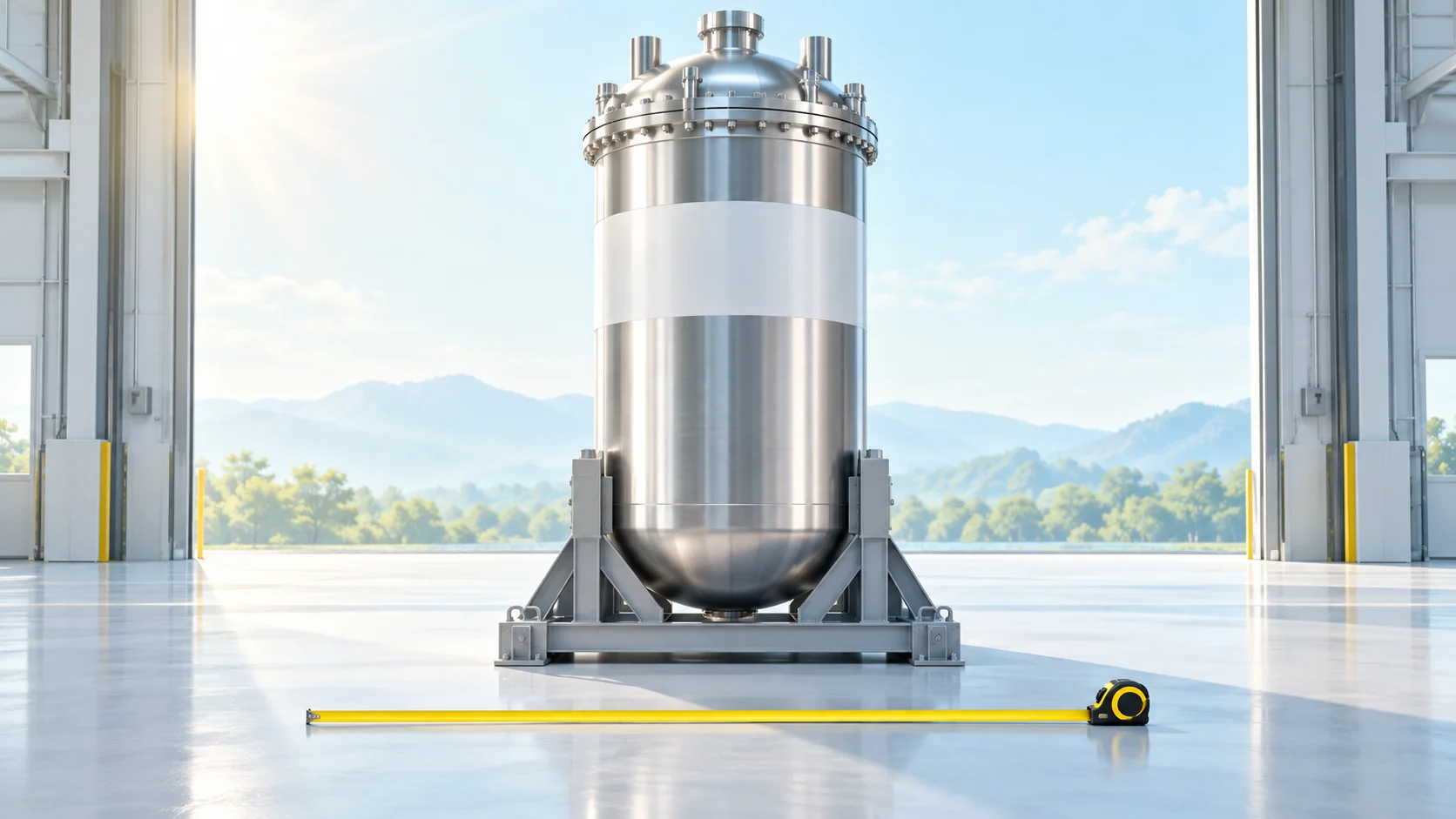
Big Restaurant or Food Truck? What SMRs Can Change, and What They Can't
SMRs can shrink investment units and recalculate emergency planning zones from dose, but a 300 MWe unit starts at about 1.85 times a large plant's cost per kW and needs roughly 14 to 58 repeat units to catch up.
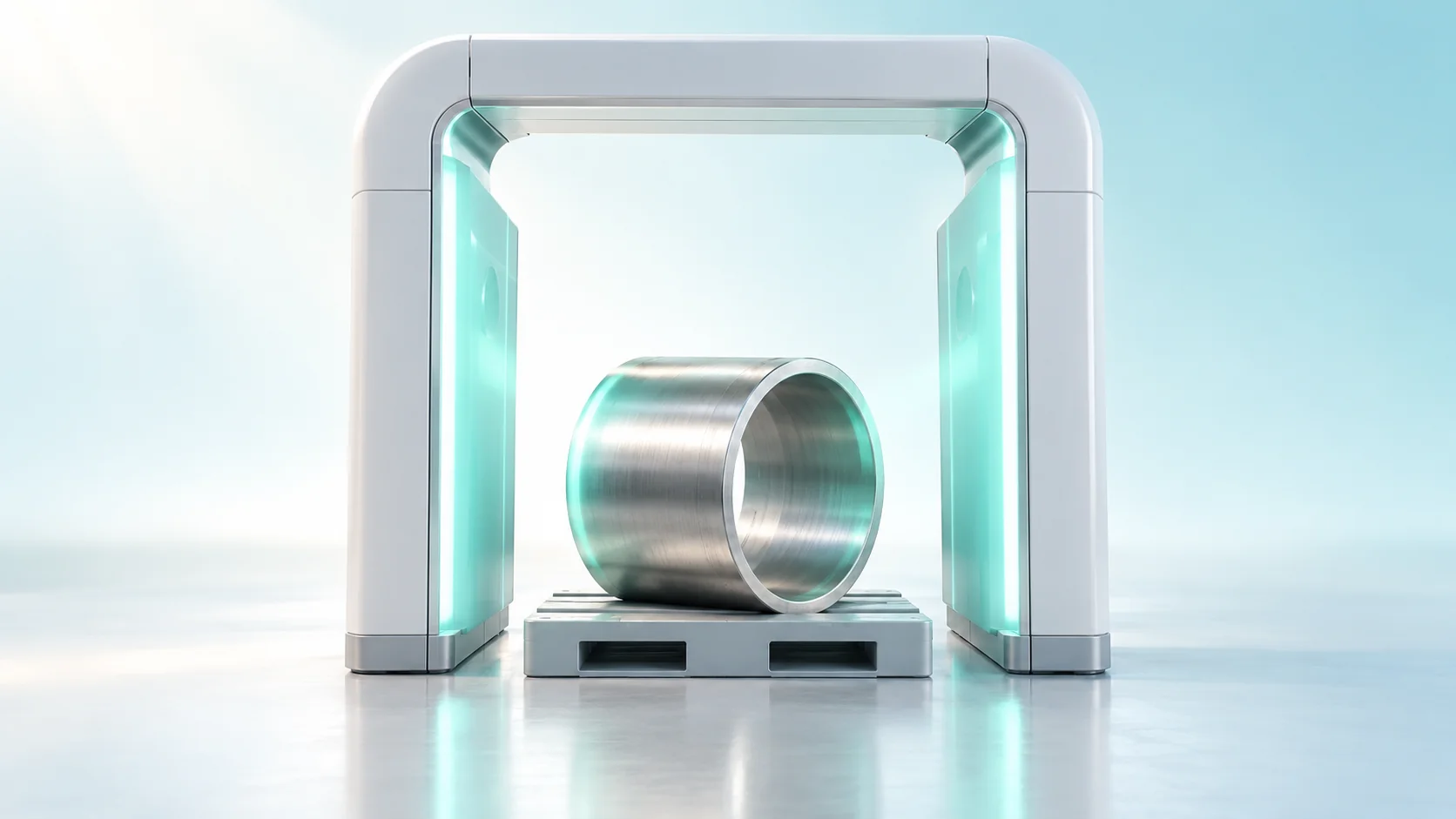
Sorted by Numbers, Like Packing for a Move — Classifying Nuclear Decommissioning Waste
Of Kori 1's projected 171,708 tonnes of solid decommissioning waste, about 92.2% is expected to be cleared after measurement and only about 13,321 tonnes (7.8%) managed as radioactive waste, including just 65 tonnes of intermediate level.
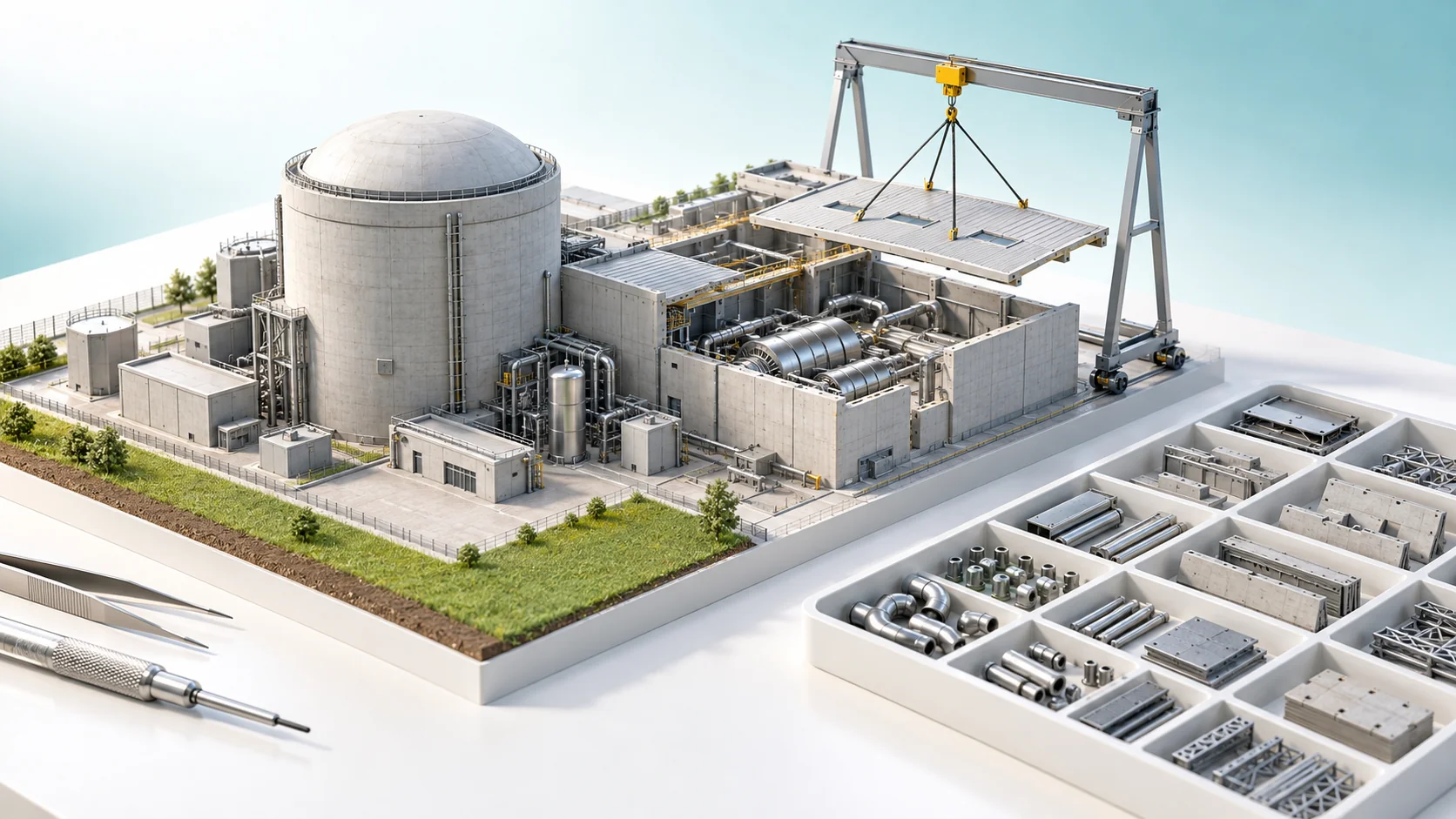
Handing Back the Empty Lot After Moving Out — How Nuclear Plant Decommissioning Really Ends
Decommissioning runs from permanent shutdown through fuel removal, decontamination and demolition to site release; Kori 1, shut down in 2017, uses immediate dismantling and targets completion in 2037.

Candles That Burn at Different Speeds — The Time Scales of Radioactive Waste
Fission products drop below the natural uranium baseline in about 300 years, but plutonium and minor actinides keep spent fuel above it for about 100,000–200,000 years or more, which is why repositories are assessed up to 1 million years.
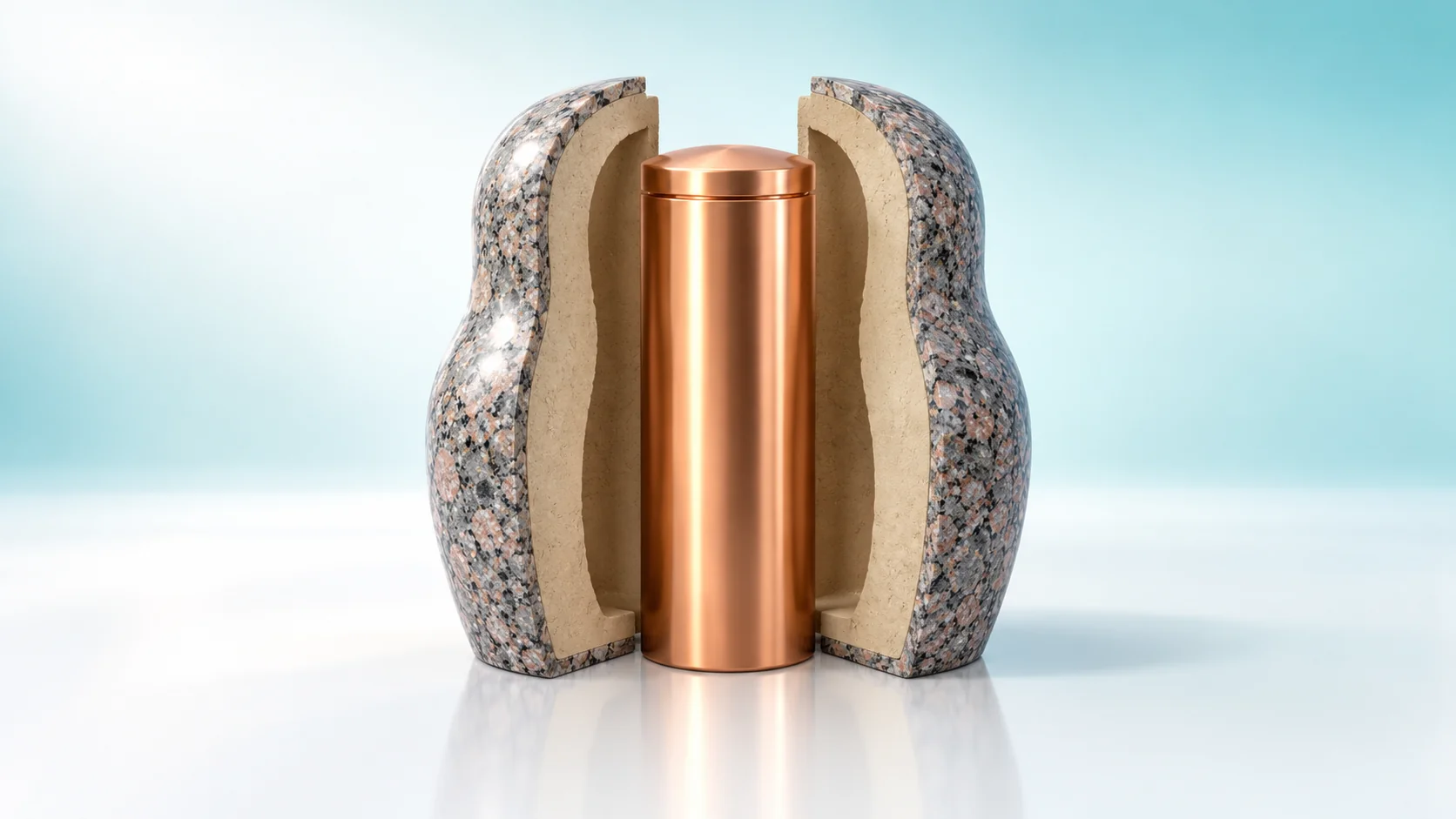
Nested Like Russian Dolls — What Is Deep Geological Disposal?
Deep geological disposal locks high-level waste in bedrock 300–1,000 m down behind five independent barriers, such as a 5 cm copper canister in 35 cm of bentonite, designed to stay safe without human management.
No nuclear theory posts yet.