Nuclear Theory archive — page 4
Folding a Reactor's Cooling Water into One Bathtub — Building a Simple RCS Model
Treating all the primary coolant as one lump, a single energy balance shows that a 5% drop in steam-generator heat removal at an APR1400-class plant would raise coolant temperature about 0.14 °C per second unless something responds.

Arrows That Come Back Around — Reading a Nuclear Plant Model as a Block Diagram
A block diagram keeps only what changes what, and drawn for a pressurized water reactor it shows one main line from reactivity to electricity plus three return loops, two of them negative feedback built in by physics.
How to Shut Down an Engine Without Leaving the Ground — Operator Training Simulators
Like a flight simulator for pilots, a full-scope nuclear plant simulator couples a replica control room to a real-time plant model, held to fidelity standards such as critical parameters within about 2% of the real plant.
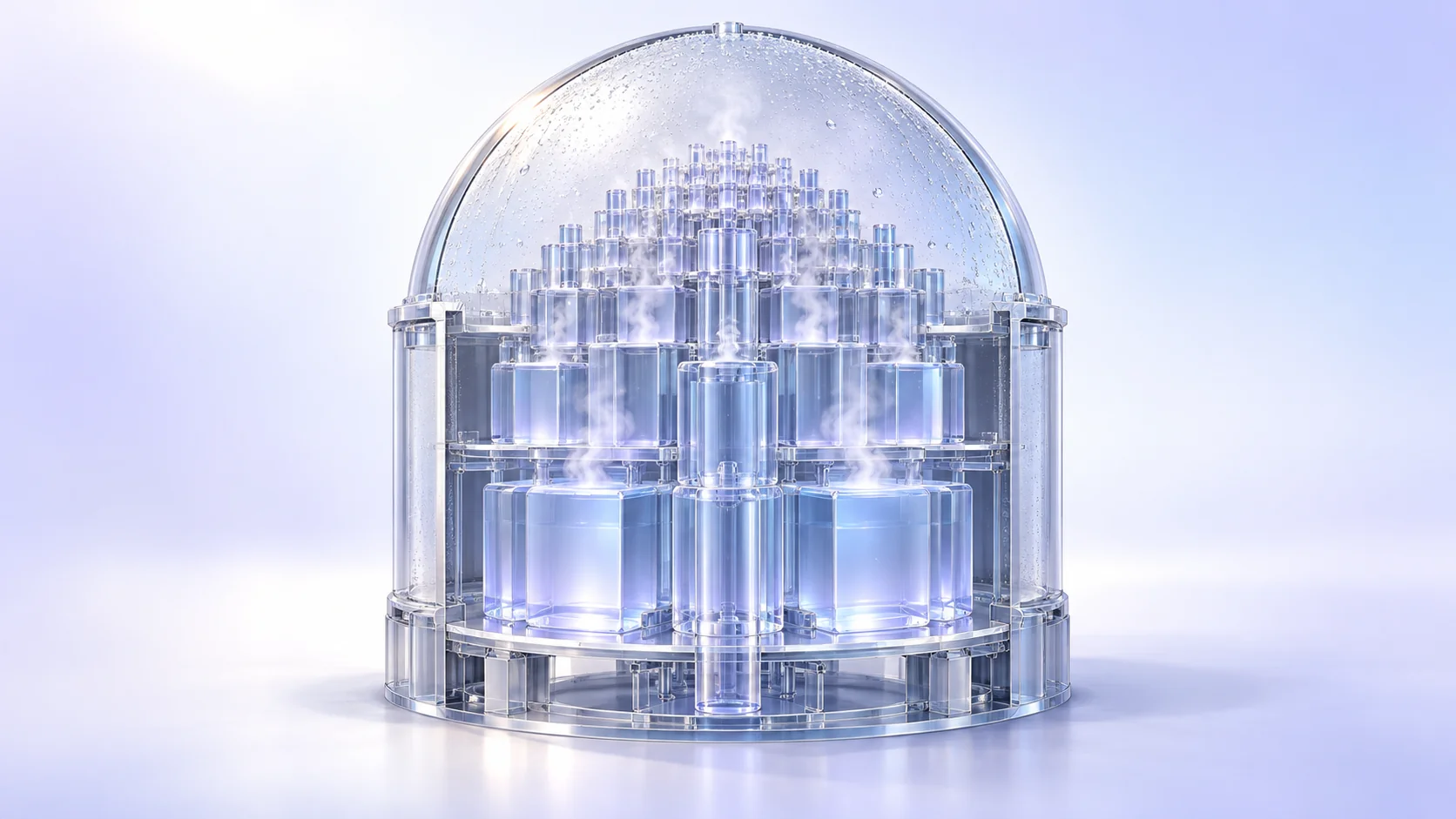
Why the Bathroom Mirror Fogs First — How Containment Analysis Models Work
A containment analysis model balances the steam energy released by a pipe break against what walls, sprays and coolers remove, showing for the APR1400 a calculated peak of about 3.53 bar, roughly 15% below its 4.14 bar design pressure.
Writing the Tire Logbook Before the Drive — What Fuel Performance Codes Do
Because no commercial reactor measures the inside of each fuel rod, a fuel performance code takes the rod's power history and calculates its temperature, swelling, gas release, internal pressure and oxidation to confirm every design limit is met.

Make the Brick Chart First, Then Build the Castle — What Core Analysis Codes Do
Core analysis codes compute assembly group constants with detailed lattice calculations, then solve the whole core quickly with 3D nodal diffusion to find power distributions and peaking factors such as F_Q and F_ΔH.

Following the Blood Around the Body, One Compartment at a Time — What System Thermal-Hydraulic Codes Do
System thermal-hydraulic codes divide a plant's cooling system into volumes and junctions and solve six two-fluid equations for water and steam, with correlations from experiments filling the gaps.
Perfect Grammar, Wrong Meaning — The Difference Between Verification and Validation (V&V)
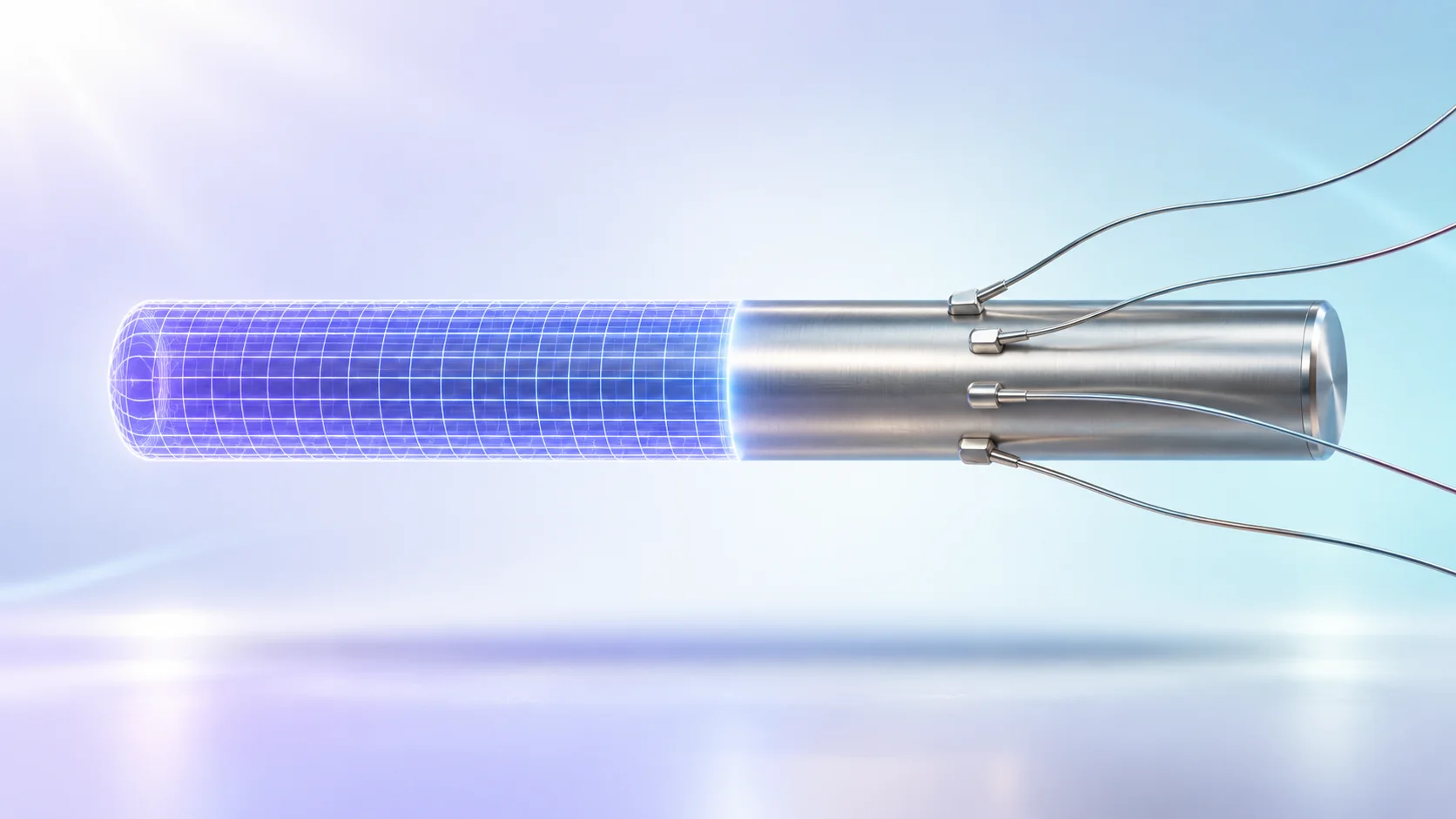
Verification checks that a code solves its equations correctly, validation checks that those equations match experiments within the tested range, and nuclear safety codes need both.
Everyone Sits the Same Exam — Benchmark Problems in Reactor Physics Calculations
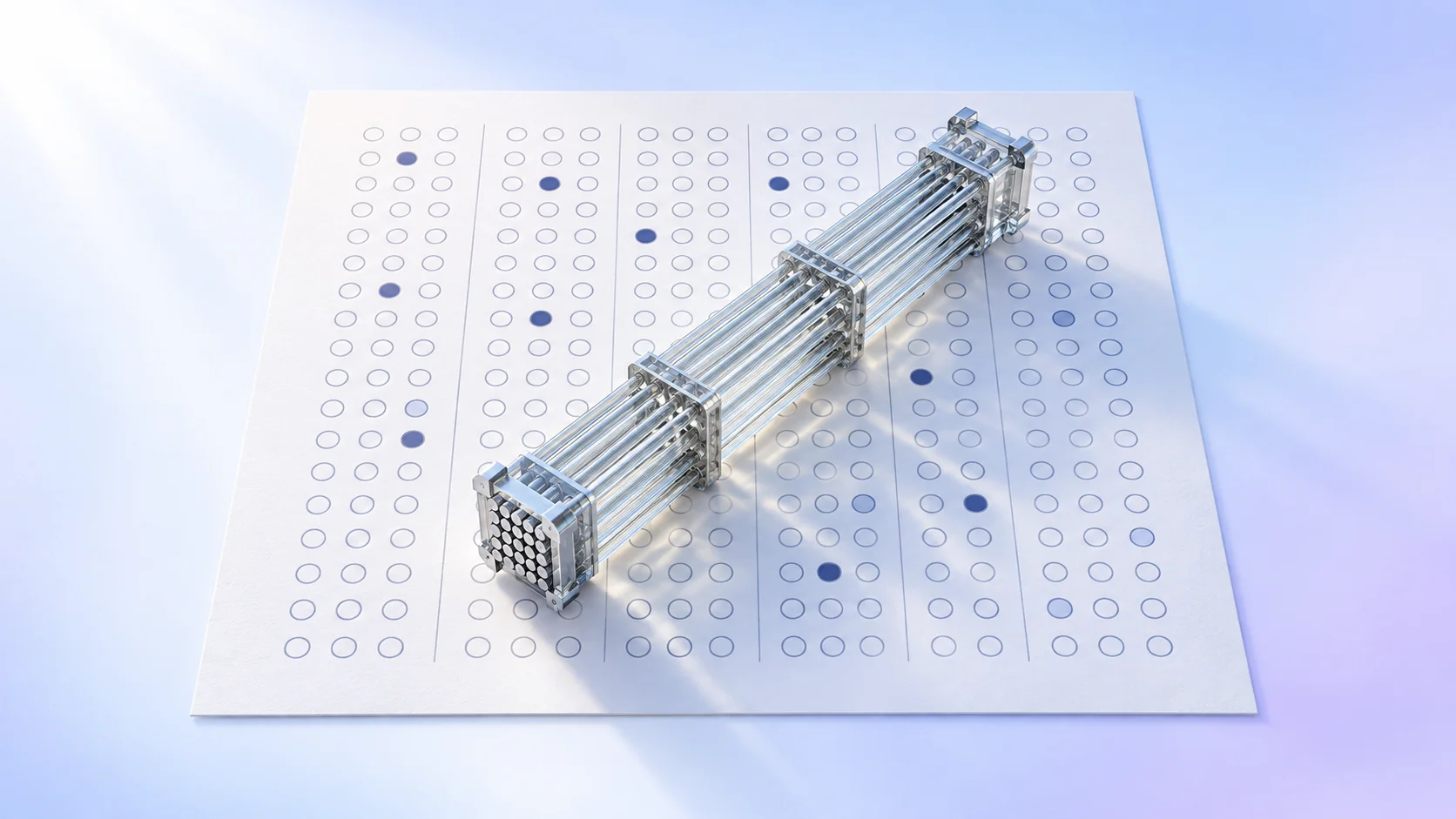
Benchmark problems give reactor codes a fully specified shared problem and a reference solution, so differences can be measured in pcm and analytical, code-to-code and experimental tests can cover each other's gaps.

Why Your Parcel Arrives "Between 2 and 4 pm" — The Case for Uncertainty Analysis in Nuclear Safety Calculations
Uncertainty analysis turns one calculated peak cladding temperature into a range, and the Wilks formula shows that 59 random runs give a 95/95 upper bound to compare with the 1,204 °C limit.