Nuclear Theory archive — page 26

One Moving Truck vs 120,000 — Feeling Nuclear Energy Density at Power-Plant Scale
A 1,000 MW plant needs about 3 million tonnes of coal or about 25 tonnes of uranium fuel a year, a roughly 120,000-fold gap that eases transport and stockpiling but leaves 20–27 tonnes of spent fuel to manage.

The Marathoner and the 100-Meter Sprinter — How a Reactor's Chain Reaction Differs from a Bomb's
A power reactor runs on 3–5% low-enriched fuel, slowed neutrons, delayed neutrons and negative feedback to hold k = 1, so unlike a bomb it physically cannot produce a nuclear explosion.
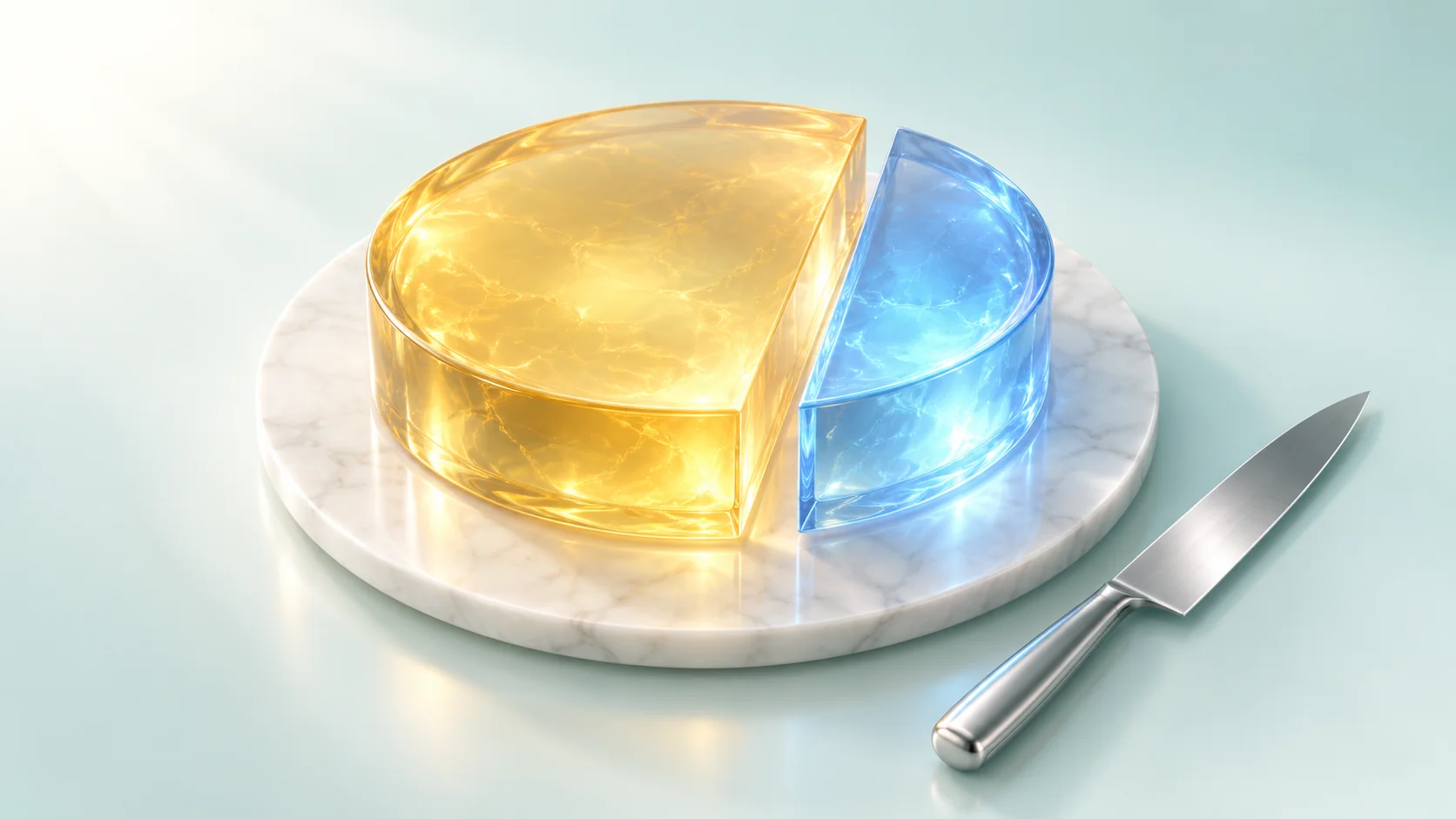
The Strange Knife That Won't Cut Down the Middle — Reading the Fission Yield Curve
The U-235 fission yield curve shows two peaks of about 6–8% near mass numbers 95 and 134, a valley of about 0.01% at an even split, and a total of about 200% because every fission makes two pieces.
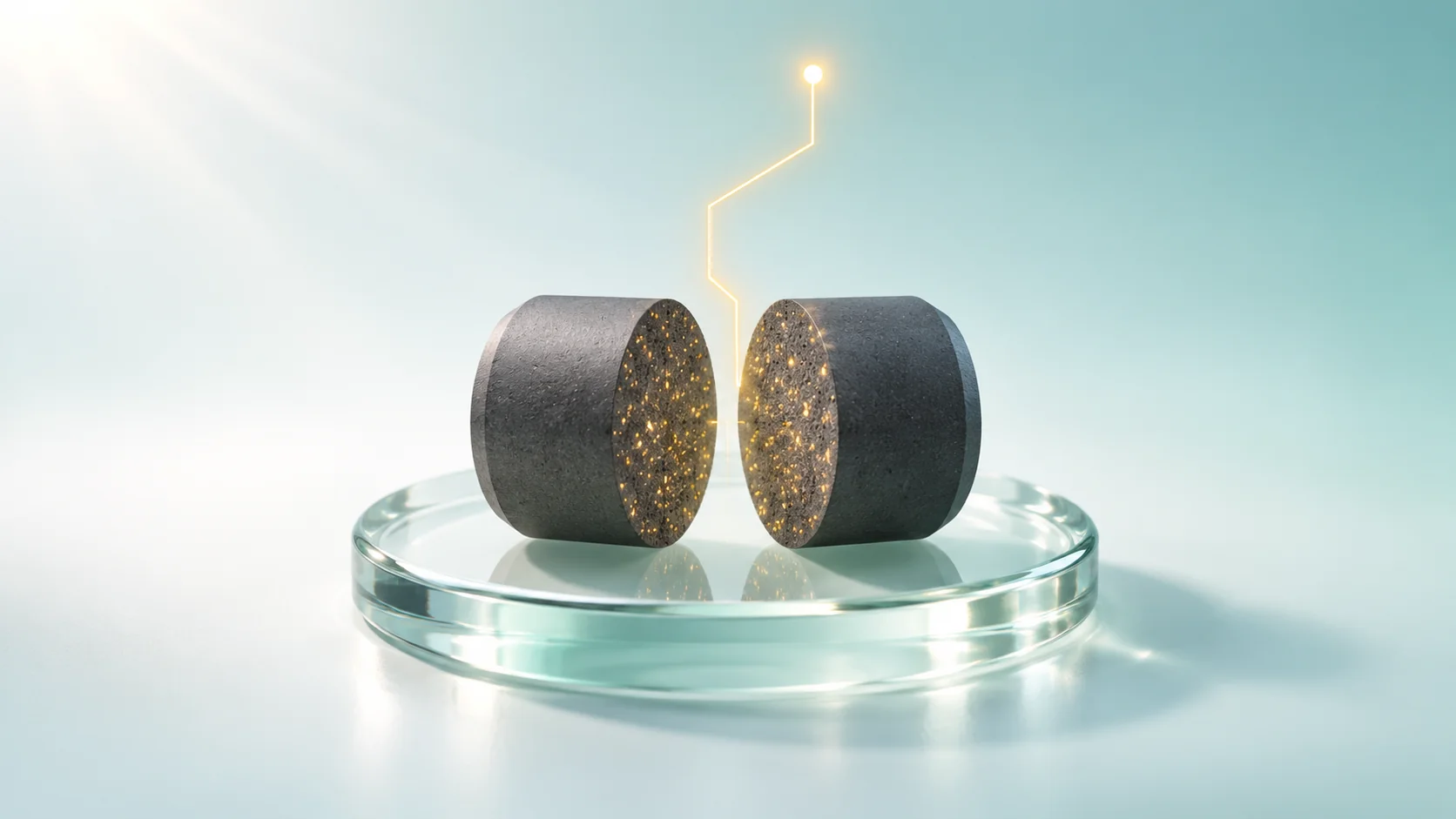
Two Transfers and You've Arrived — How Plutonium-239 Is Made
Uranium-238 captures a neutron, becomes uranium-239, and transfers twice by beta decay (23.5 minutes, then 2.36 days) to plutonium-239, much of which fissions on the spot.
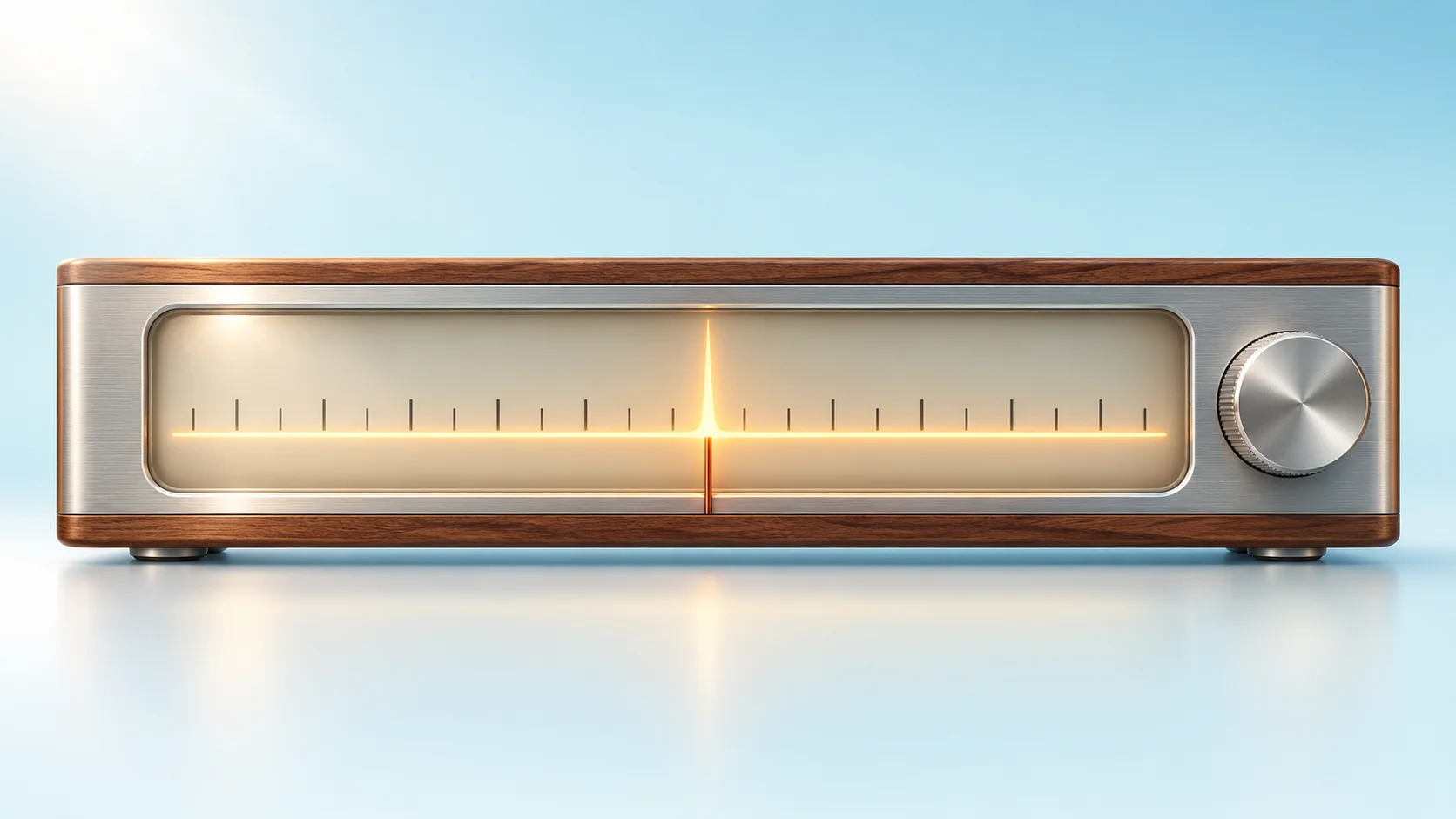
Locking On Like a Radio Dial — Resonance Absorption
Uranium-238's resonance peaks capture slowing neutrons thousands of times more strongly than the valleys between them, reducing the resonance escape probability to about 0.7–0.8, while Doppler broadening of those peaks gives fuel a negative temperature coefficient.

The Magic Dartboard — Fission Cross Section Explained
The fission cross section expresses the chance of fission as an effective target area; uranium-235 offers about 585 barns to thermal neutrons but only about 1.2 barns at 1 MeV, which is why reactors slow their neutrons down.

A Cruise Ship, Not a Skateboard — Delayed Neutrons and Reactor Control
Delayed neutrons make up only about 0.65% of fission neutrons, but their long wait stretches the mean generation time from about 0.0001 to about 0.085 second, so power changes take tens of seconds instead of a fraction of a second.

The Misunderstanding Behind "Critical Mass"
Critical mass is the minimum fissile material for a self-sustaining chain reaction under given conditions, and it changes greatly with shape, density, enrichment, moderator, reflector and absorber.

Critical, Subcritical and Supercritical — A Reactor's Three States
A reactor is subcritical, critical or supercritical when its multiplication factor k is below, equal to or above 1, so critical simply means steady power, the normal operating state.

What a Chain Reaction Really Is — The Neutron Ledger and k
In a fission chain reaction each fission releases about 2.4 neutrons, but at steady power only one on average causes the next fission, so the multiplication factor k stays at 1.