Nuclear Theory archive — page 19
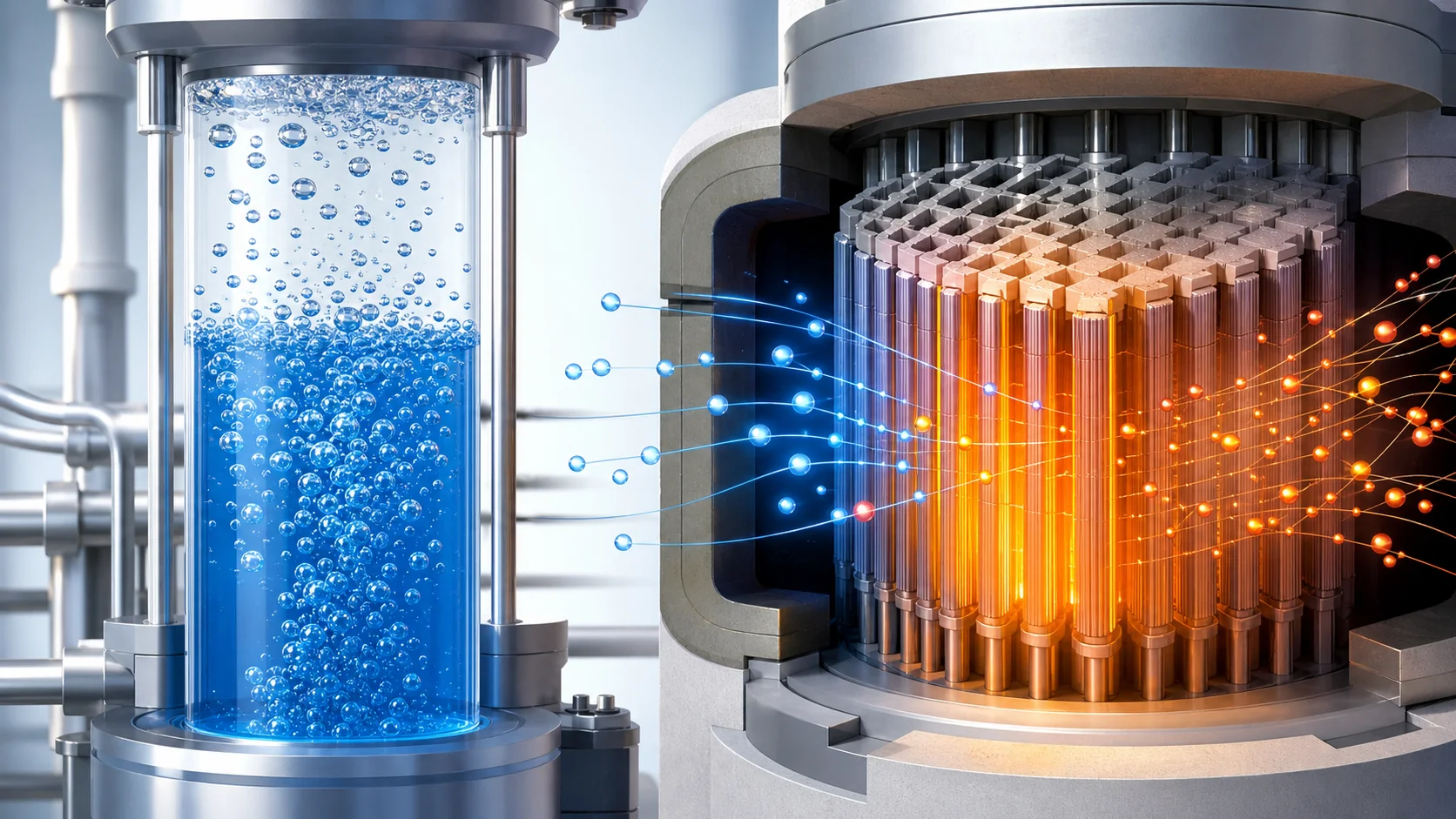
Why a Shaken Soda Foams Up — How Coolant Density Changes Shake Reactivity
Boiling turns coolant water into much lighter steam voids, so even a small void fraction sharply lowers density, weakens neutron moderation and shifts reactivity, which commercial designs generally keep in the negative direction.
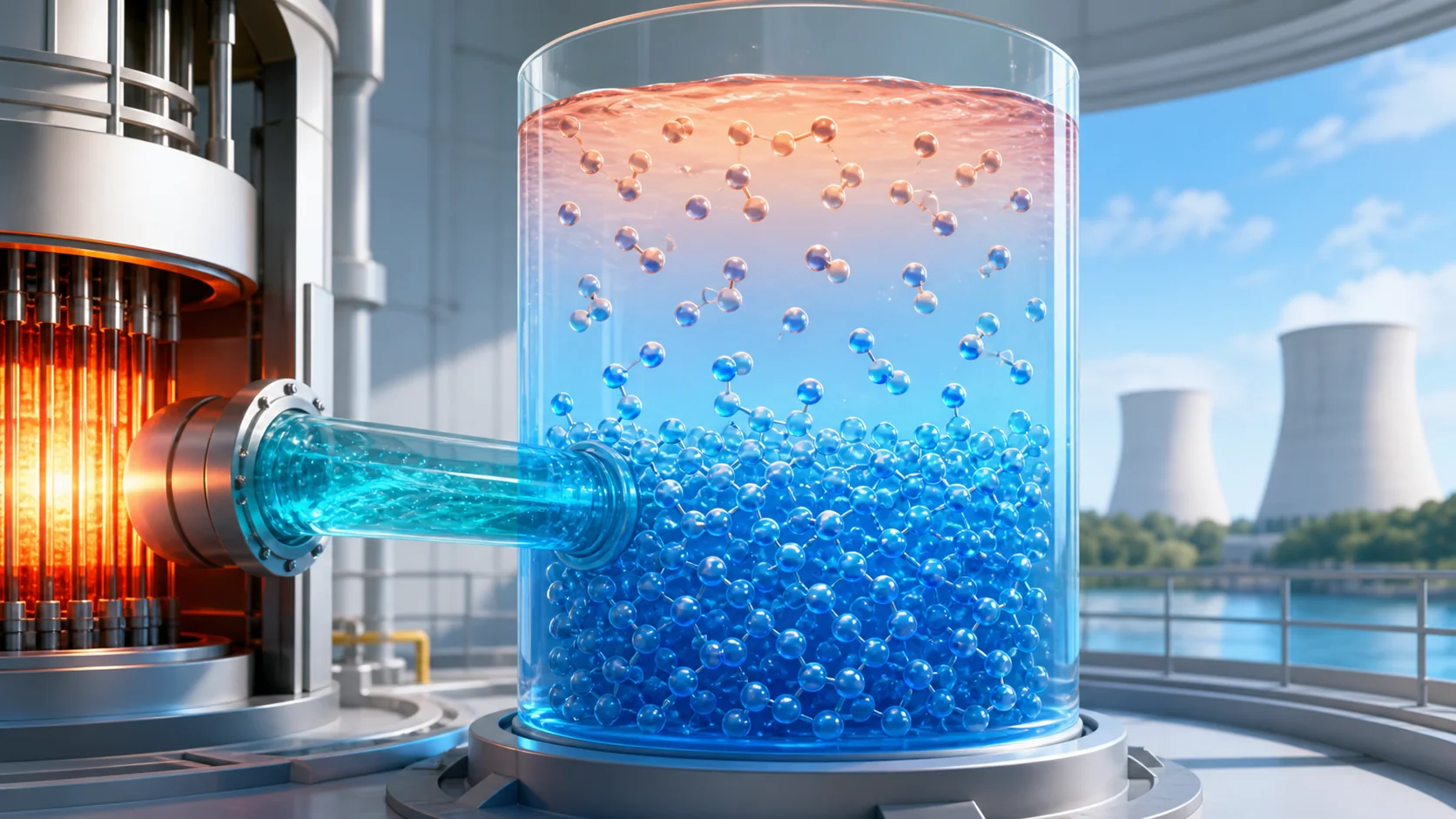
Water Swells Before the Kettle Boils — The Moderator Temperature Coefficient
The moderator temperature coefficient links moderator water temperature to reactivity: warmer, less dense water moderates less, so the coefficient is designed negative in power operation, though high boron early in the cycle can weaken it.
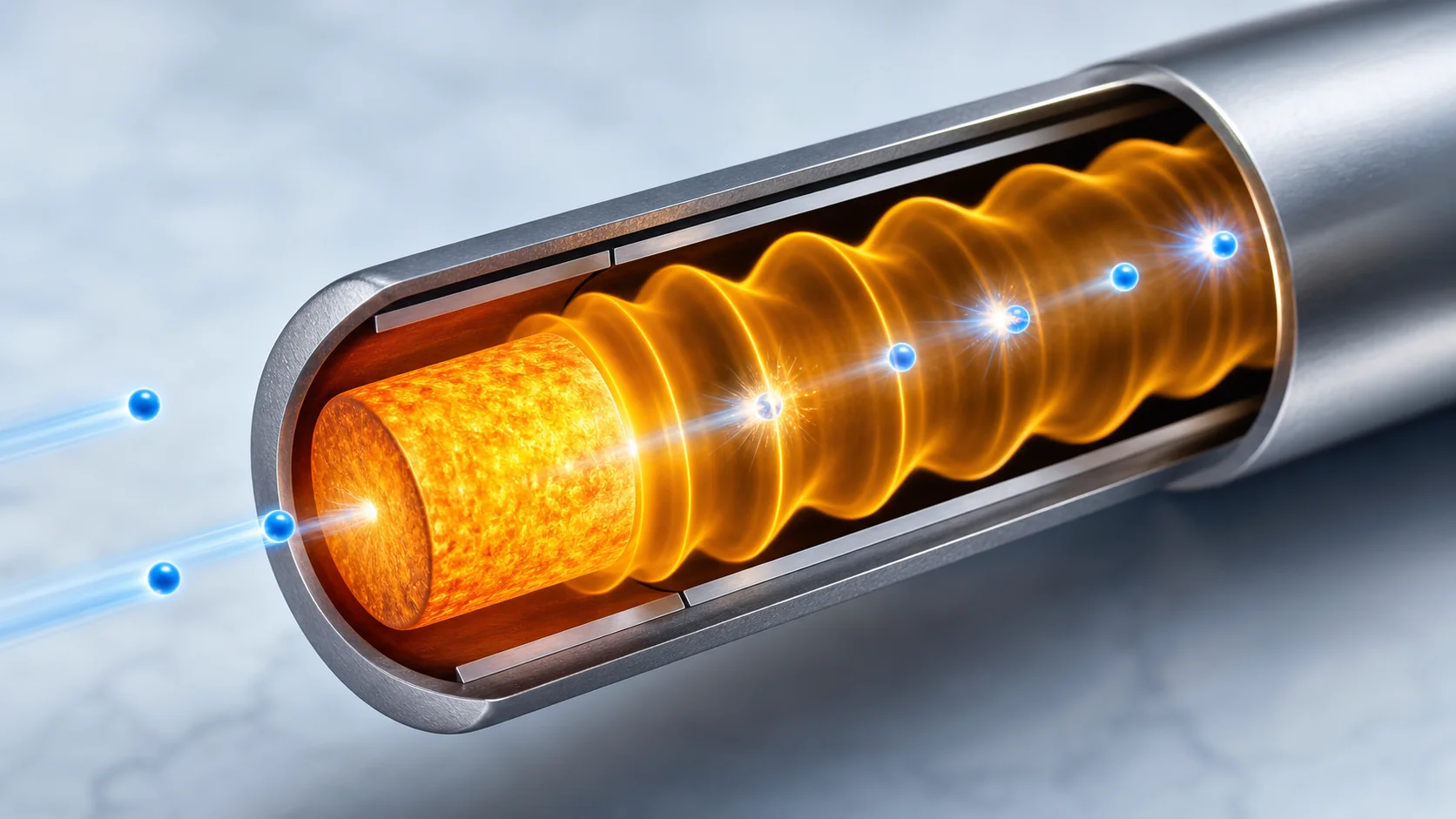
The Instant Your Hand Jerks Off a Hot Handle — Why Doppler Feedback Is Immediate
Doppler feedback lowers reactivity the instant fuel heats up because resonance broadening happens inside the fuel itself, making it the first inherent feedback to act, ahead of the slower path through the coolant.
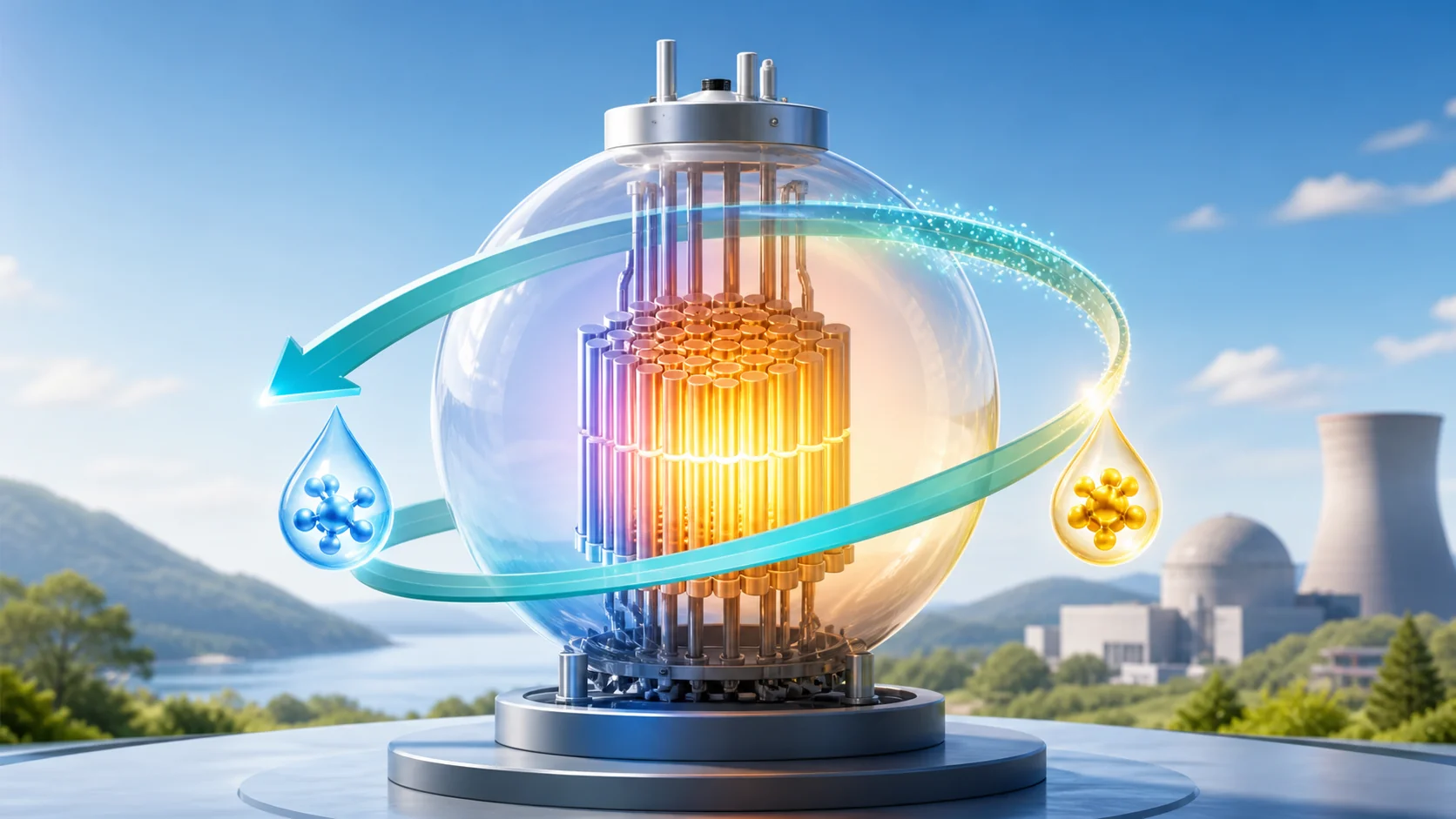
Wobble on a Gym Ball — How Temperature Feedback Steadies a Reactor
Temperature feedback is the closed loop in which rising power heats the core and the temperature rise mostly lowers reactivity, a passive, inherent tendency that complements but does not replace active controls and the scram.
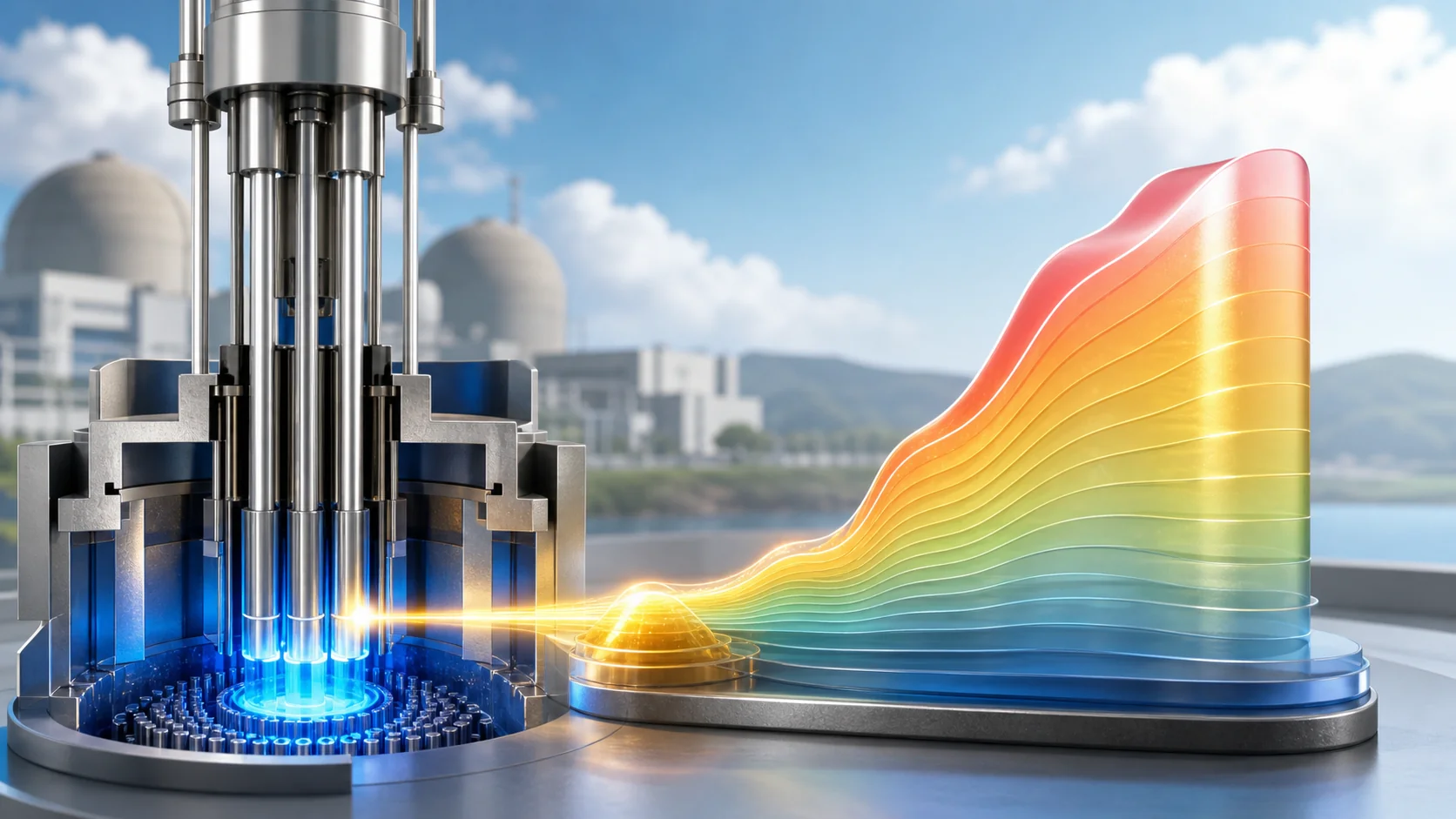
Your Pace Right Now, Your Steps All Day — Differential and Integral Rod Worth
Differential control rod worth is the rate of reactivity change at a rod's current position and integral worth is that rate accumulated from full withdrawal, so integrating the bell-shaped differential curve gives the familiar S-shaped integral curve.
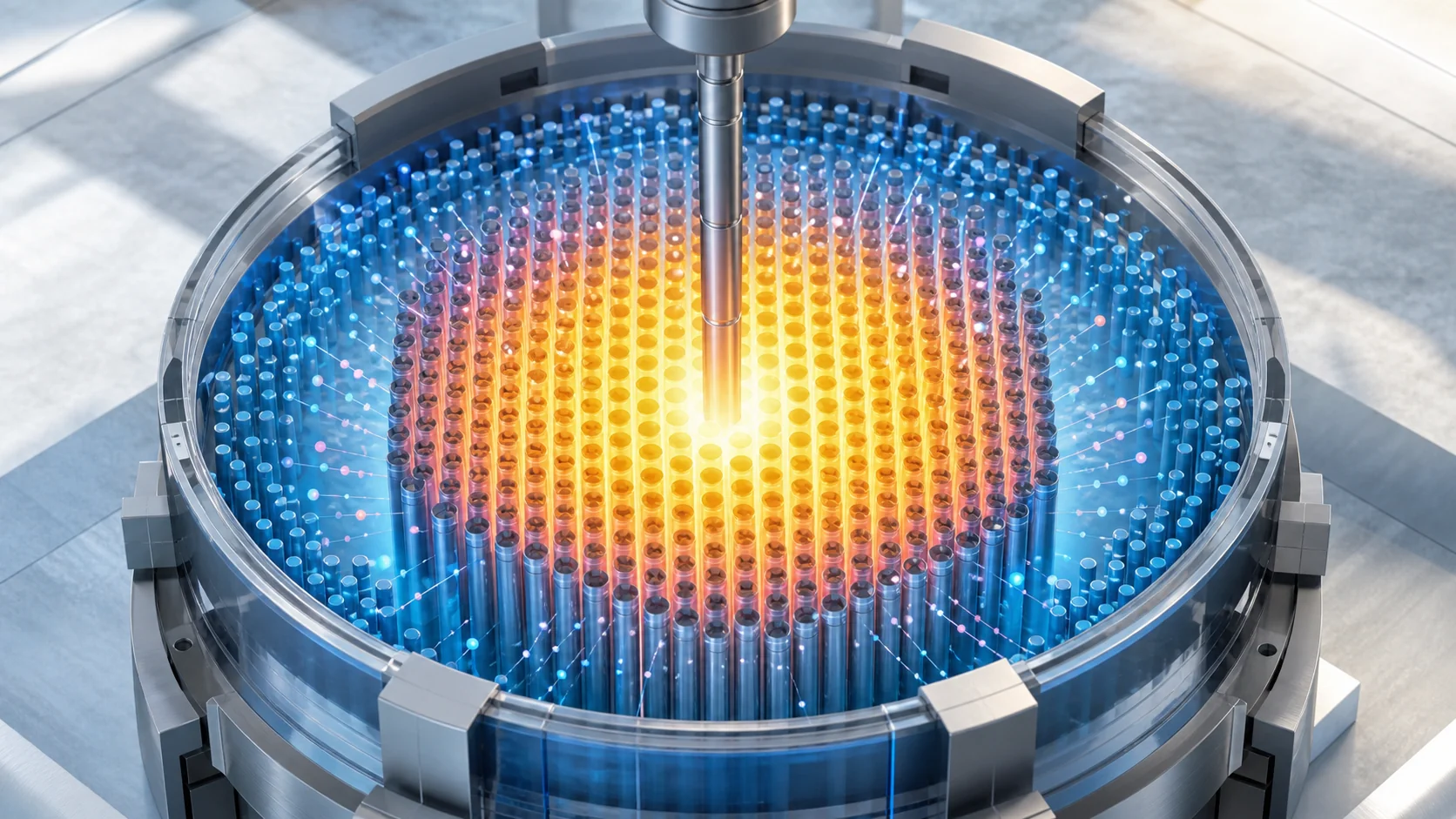
Why a Weight at the End of a Seesaw Tips It More — What Control Rod Worth Means
Control rod worth is the reactivity change a rod produces at a given position, highest where the neutron flux is busiest, and integrating the bell-shaped differential worth gives the S-shaped integral worth curve.
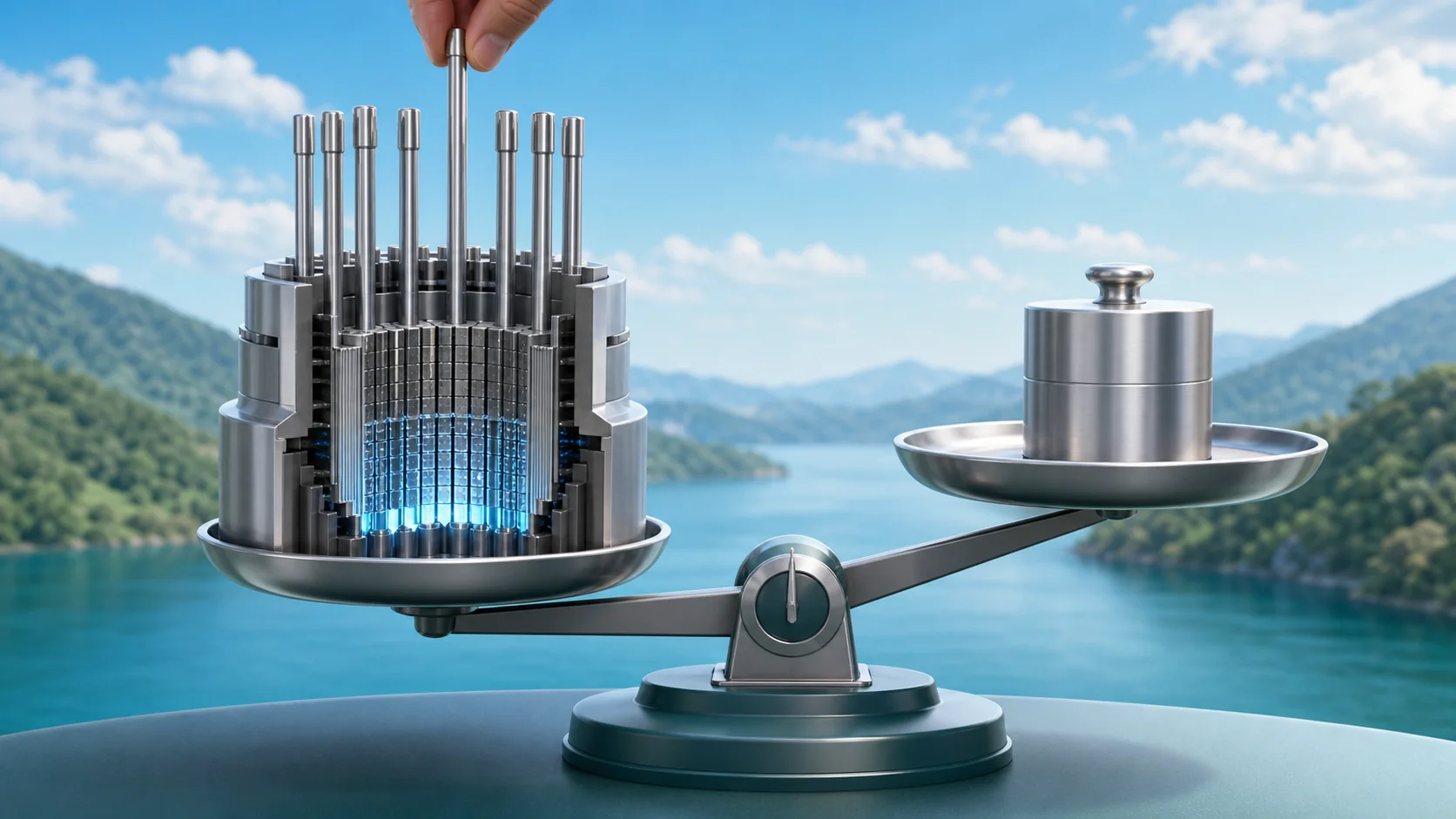
One More Brake on the Hill — Why Reactors Need a Shutdown Margin
The shutdown margin is the reactivity margin left after subtracting the worth of the single strongest control rod from the worth of all rods, so the reactor stays reliably subcritical even if that rod sticks.
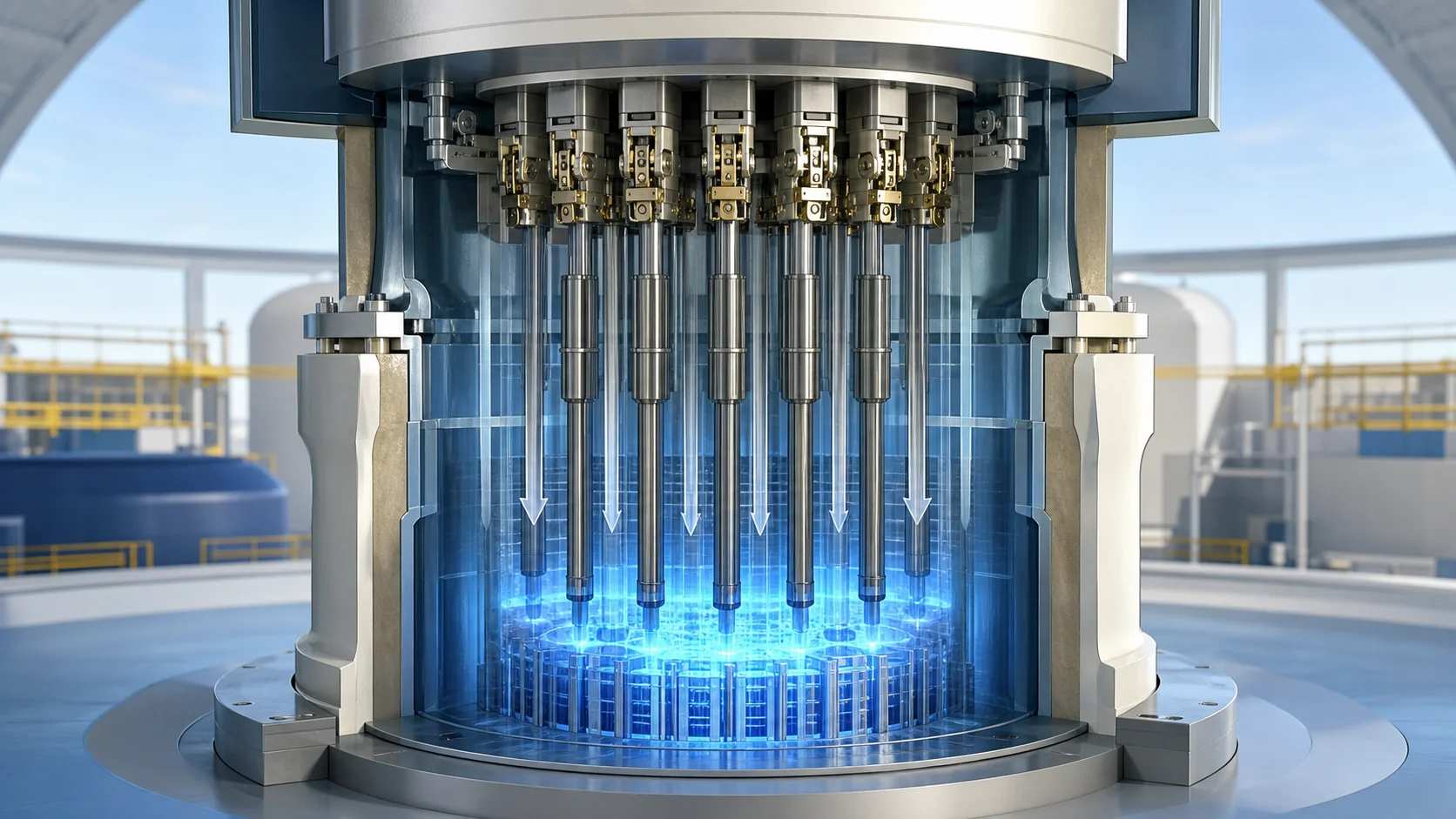
Just Let Go — How a Scram Stops a Nuclear Reactor
In a scram the electromagnetic latch holding the control rods is de-energized and the rods fall into the core by gravity within seconds, a fail-safe design that drives the reactor deeply subcritical even if power is lost.
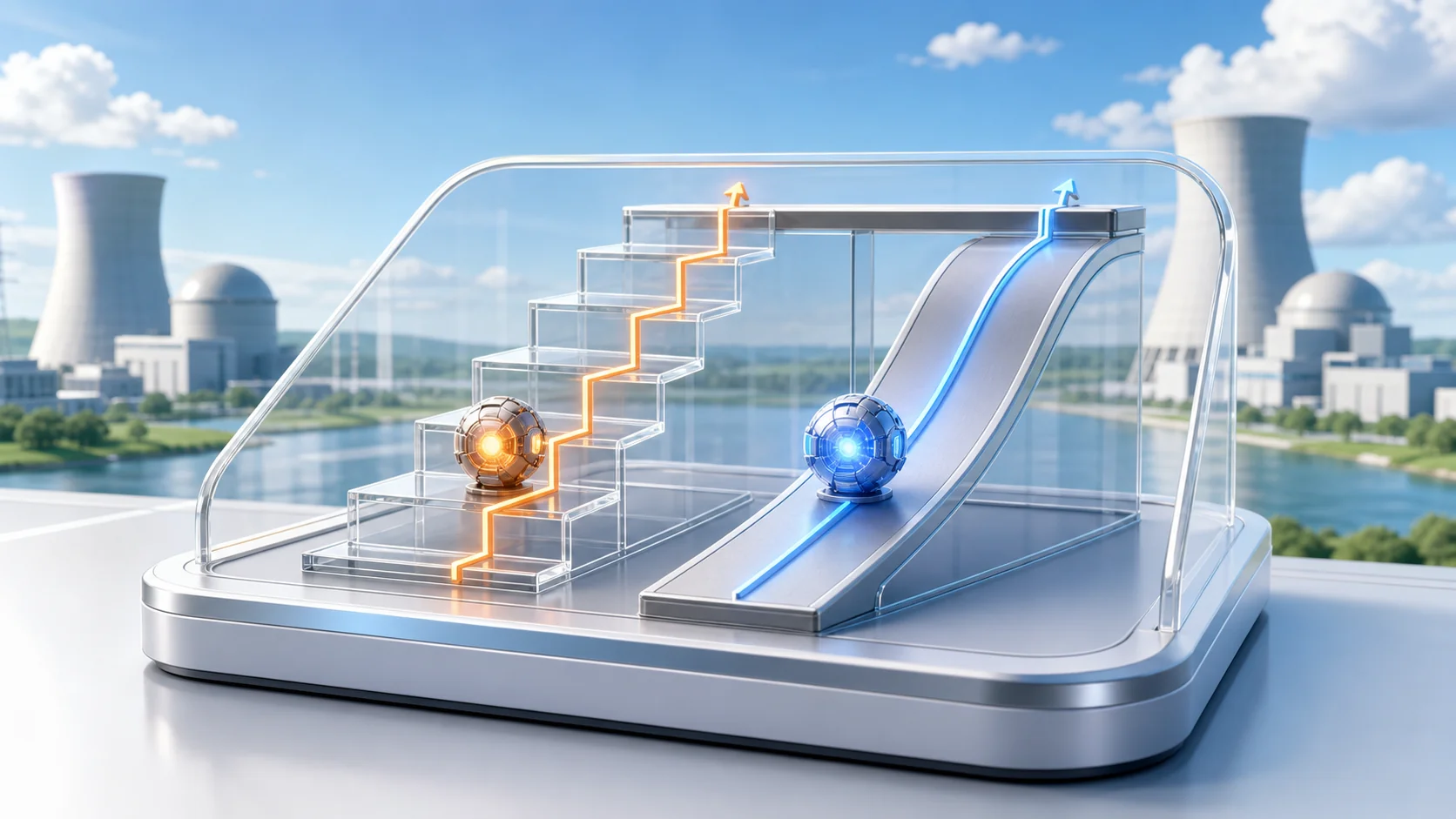
Elevator or Escalator? — Step and Ramp Changes in Reactivity
A step change in reactivity produces a prompt jump in power and then a single fixed rate of rise, while a ramp produces no jump and a rate of rise that keeps increasing, and normal reactor operation is almost always ramp-like.
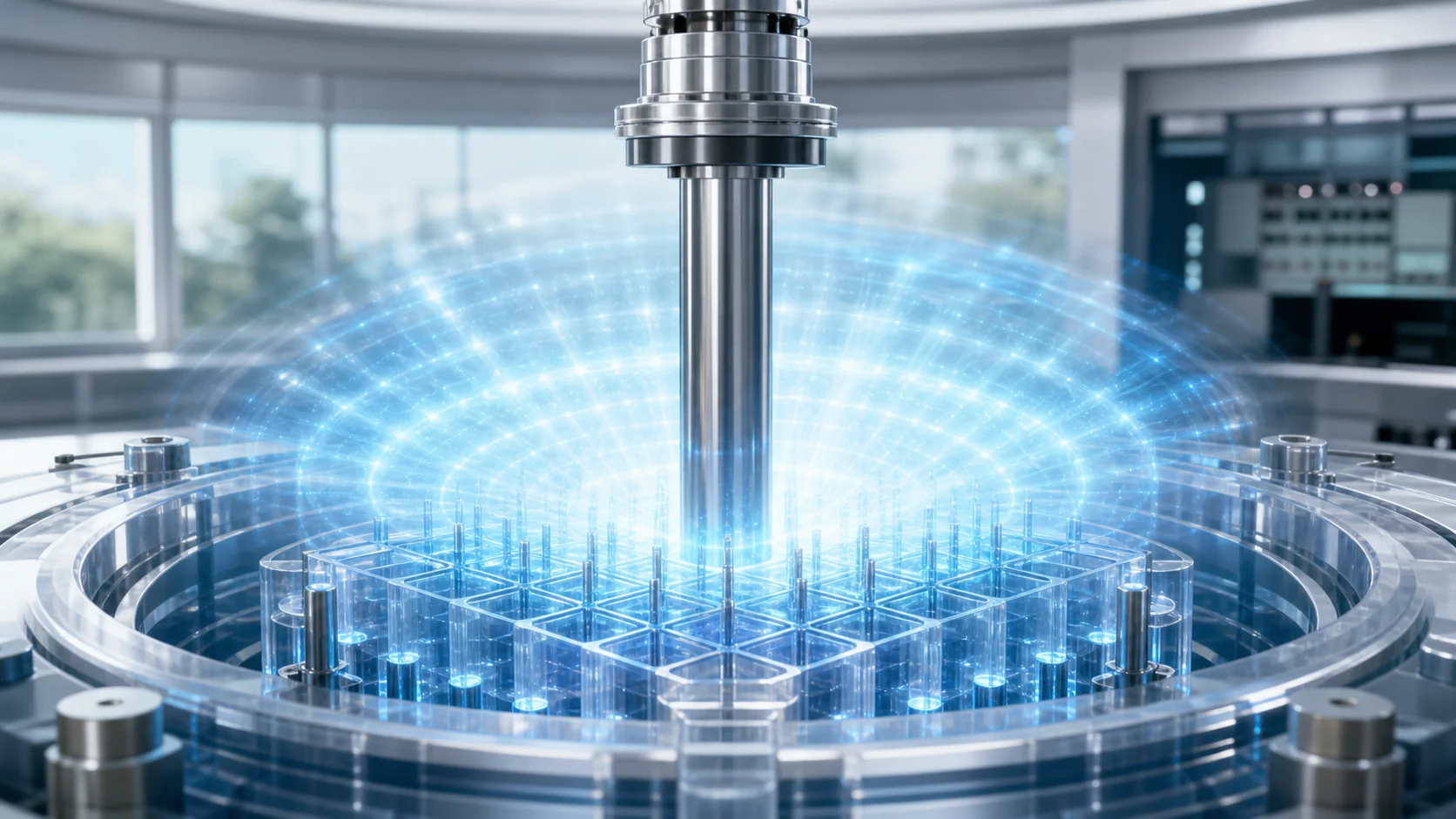
Open the Curtains and the Room Lights Up — How Control Rod Withdrawal Raises Reactor Power
Withdrawing a control rod removes neutron absorber so reactivity turns positive, and power rises in a quick jump then a gentle climb, fastest as the rod tip passes the middle of the core, while routine withdrawal stays far below prompt criticality.