Nuclear Theory archive — page 24
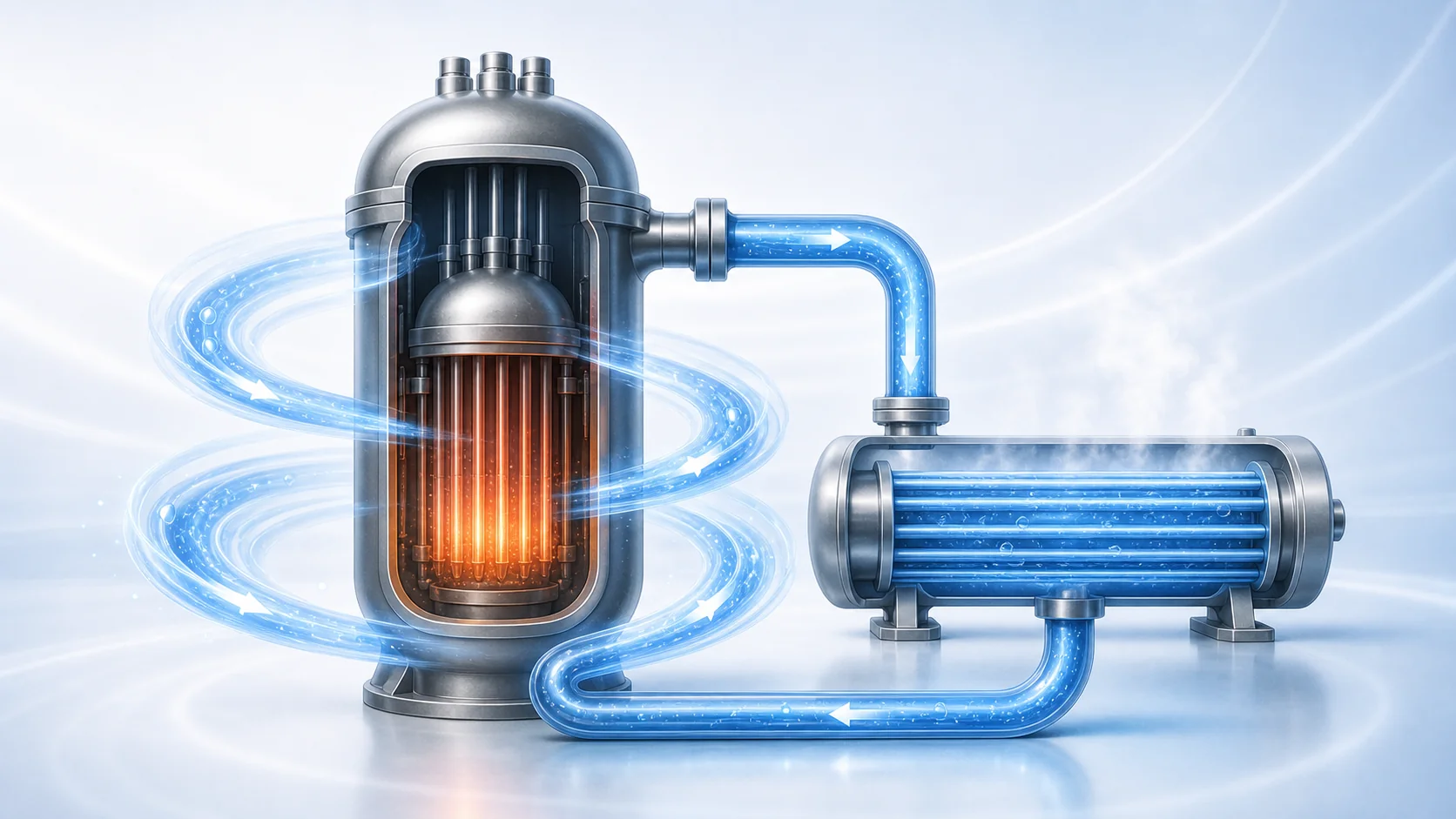
The Iron Stays Hot After You Switch It Off — Why Reactors Need Residual Heat Removal
After shutdown, fission products keep releasing decay heat that fades only gradually, so the residual heat removal system must keep cooling the core, the step that follows the protection system's trip.
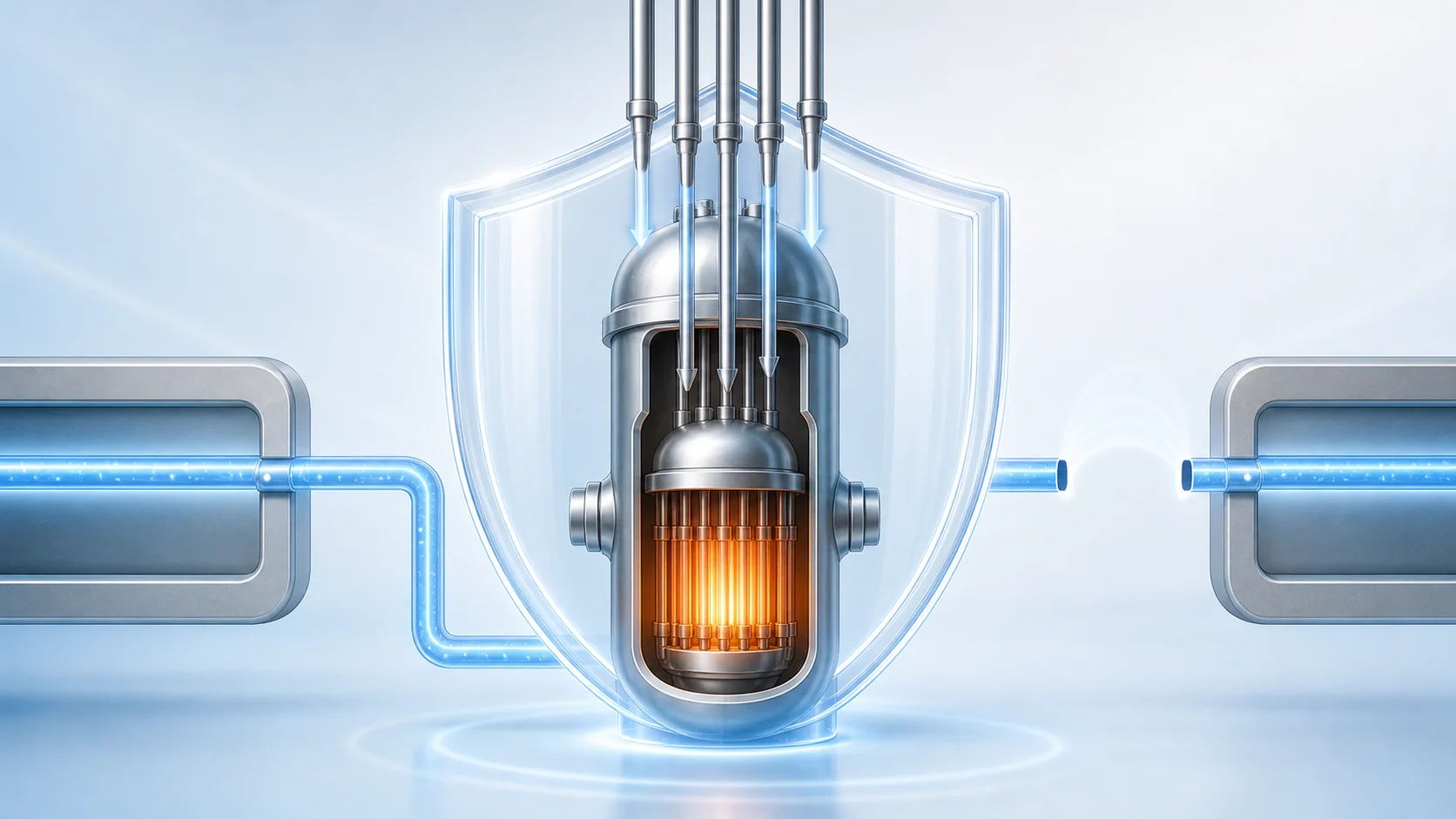
Sense Danger, Stop at Once — How the Reactor Protection System Works
The reactor protection system trips the reactor automatically, using several independent channels and voting logic, as soon as neutron flux or coolant temperature, pressure or flow crosses a setpoint, and a trip by itself does not mean an accident.
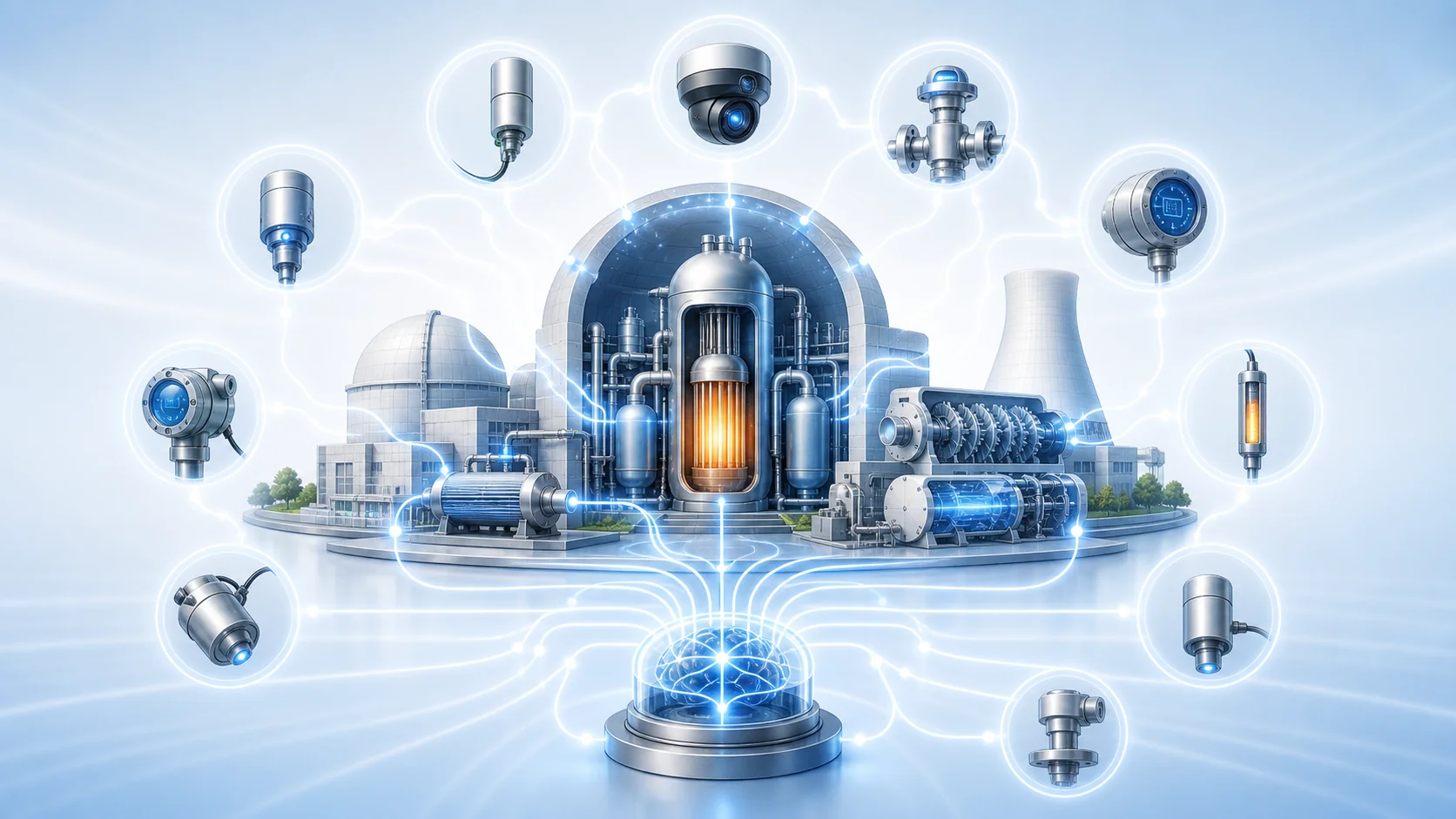
A Nuclear Plant Has Senses Too — The Instrumentation and Control System
The instrumentation and control system gathers sensor readings such as neutron flux, coolant temperature, pressure, flow and steam generator level into the main control room, with redundant sensors so one faulty reading does not mislead.
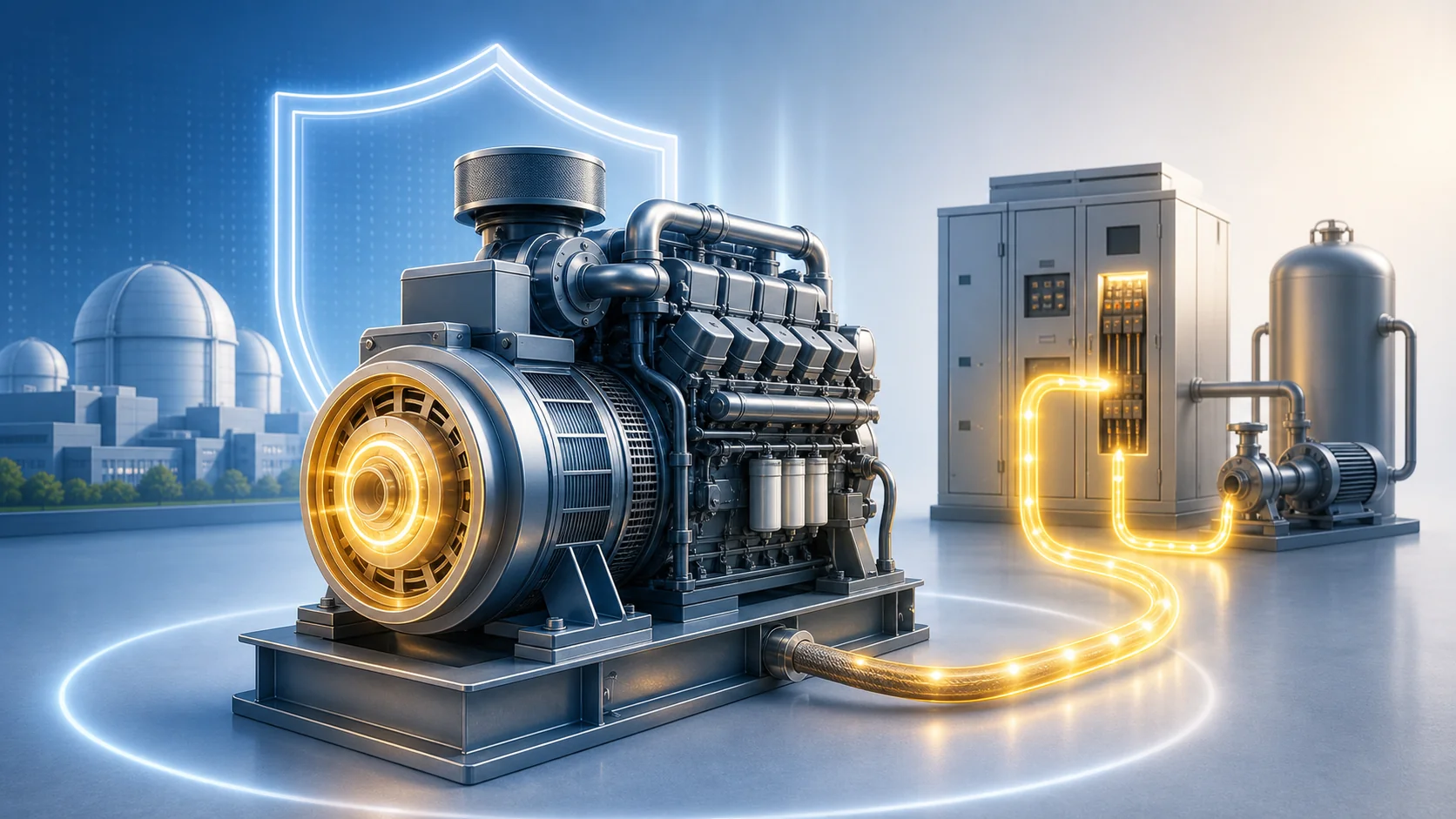
Why the Lights Stay On in a Blackout — The Emergency Diesel Generator
When a shut-down reactor also loses its off-site grid connection, several redundant emergency diesel generators start automatically and power the safety equipment, especially cooling.
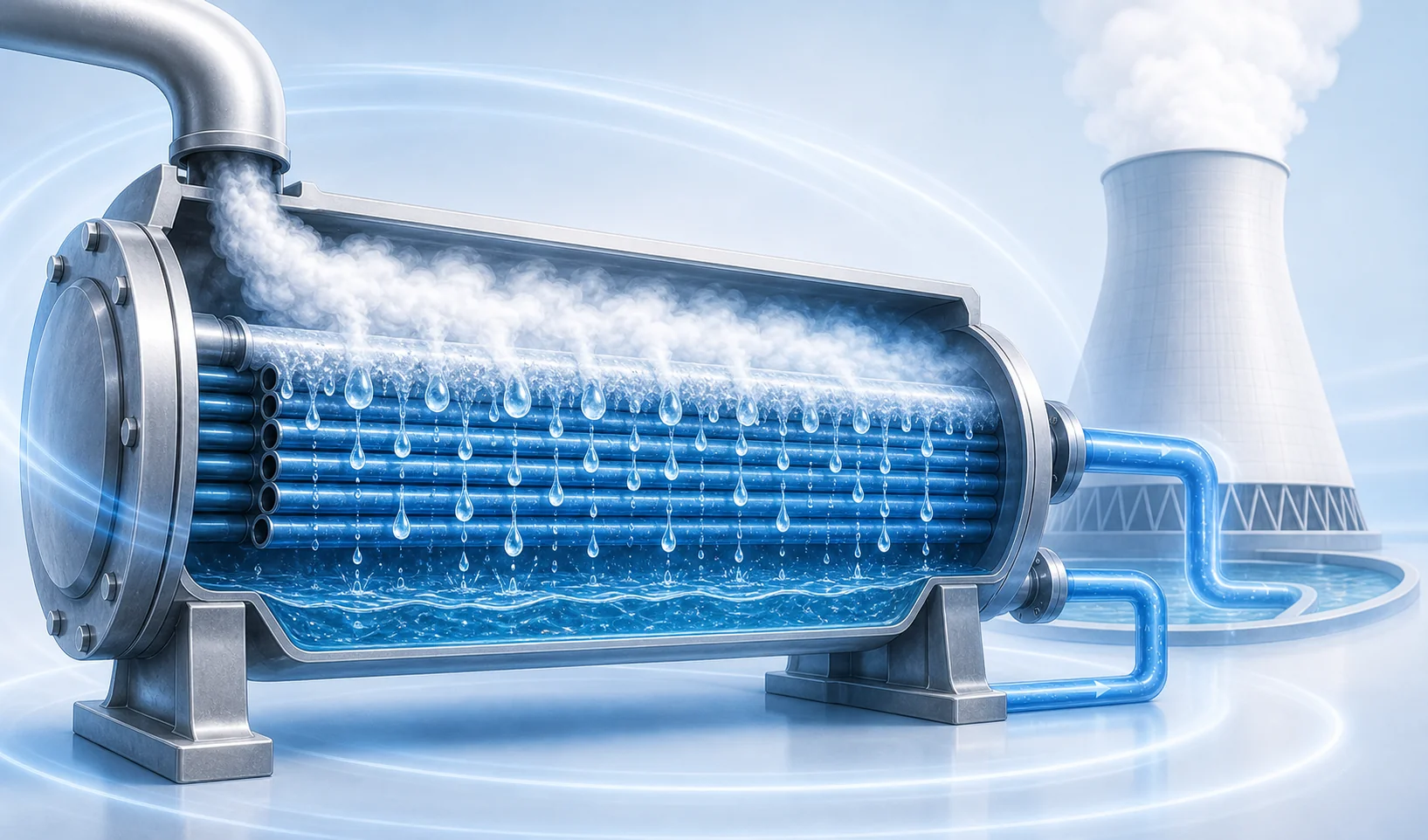
Clearing the Steamy Window — How the Condenser and Cooling Tower Close the Loop
The condenser turns turbine exhaust steam back into water on cold tubes, the cooling tower releases the cooling water's heat into the air, and its white plume is plain water vapor, not radioactive material.
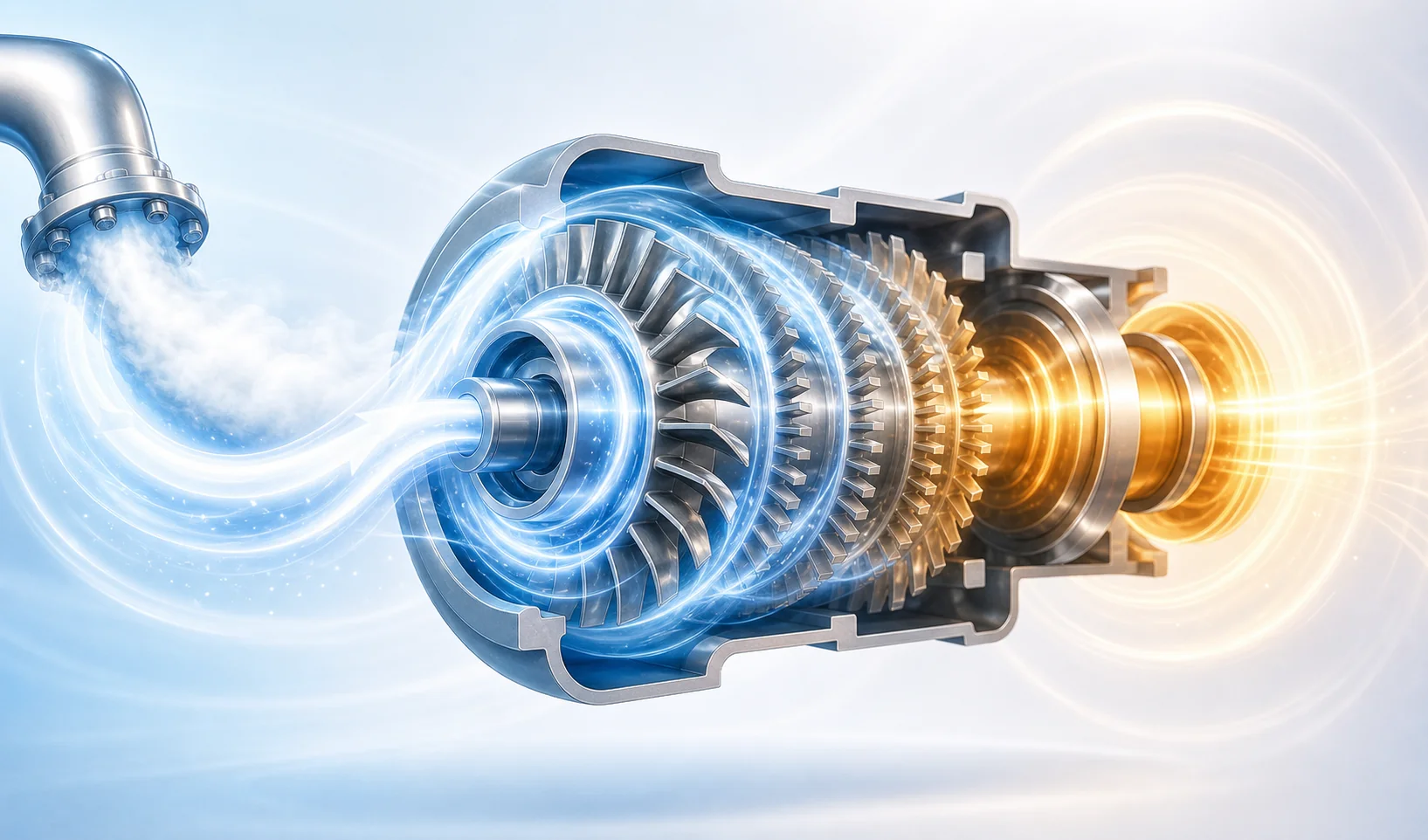
All It Needs Is Steam — Why the Turbine Isn't Nuclear Technology
A turbine converts the expansion of high-pressure steam into rotation for the generator and does not care whether that steam came from coal, gas or fission, so this stage is shared mechanical technology rather than nuclear technology.
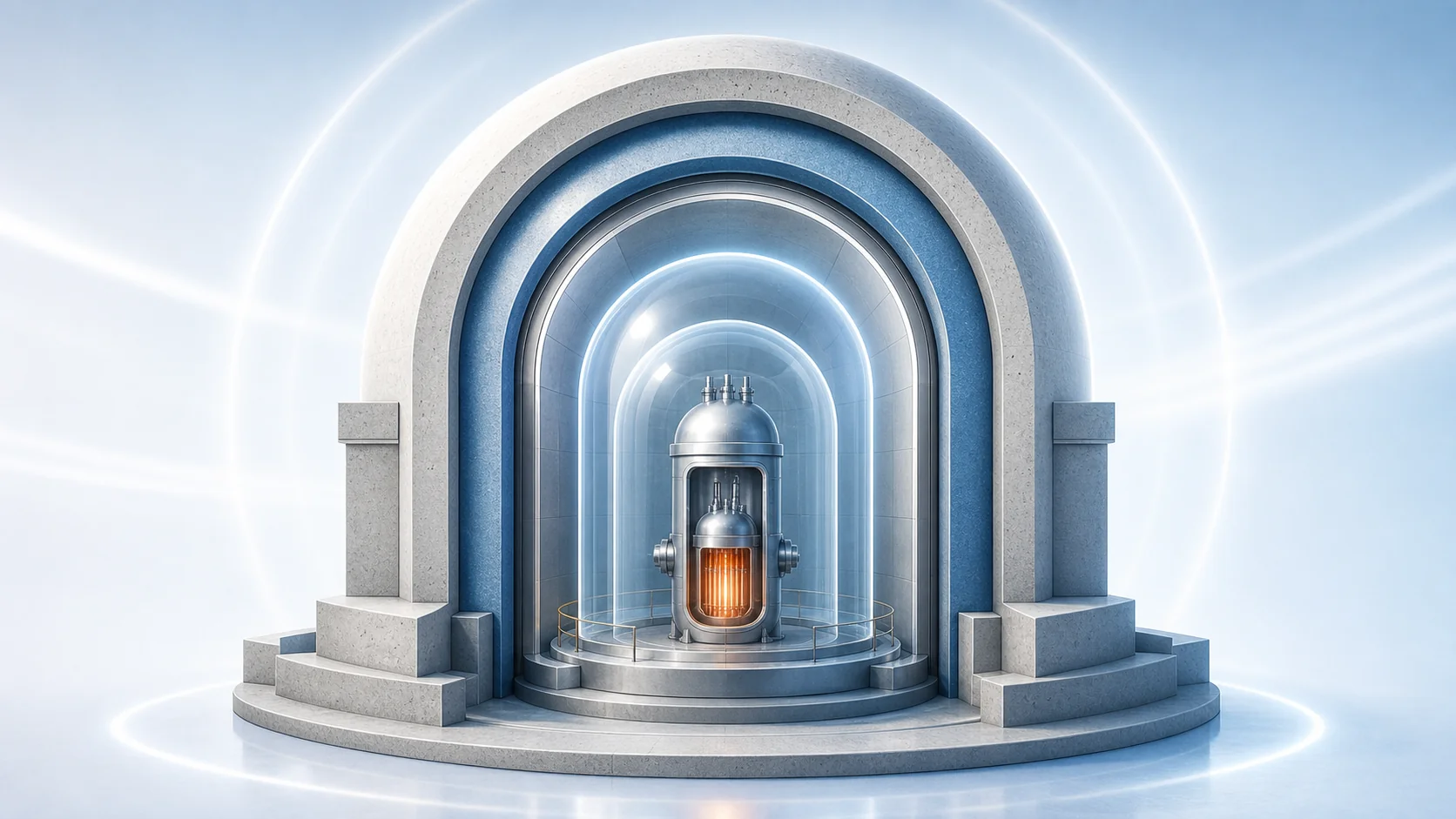
How Many Layers Do You Wrap a Gift In? — What the Containment Building Holds In
The containment building is the thick, airtight structure around the whole primary system and the last of four independent barriers that keep radioactive material confined.
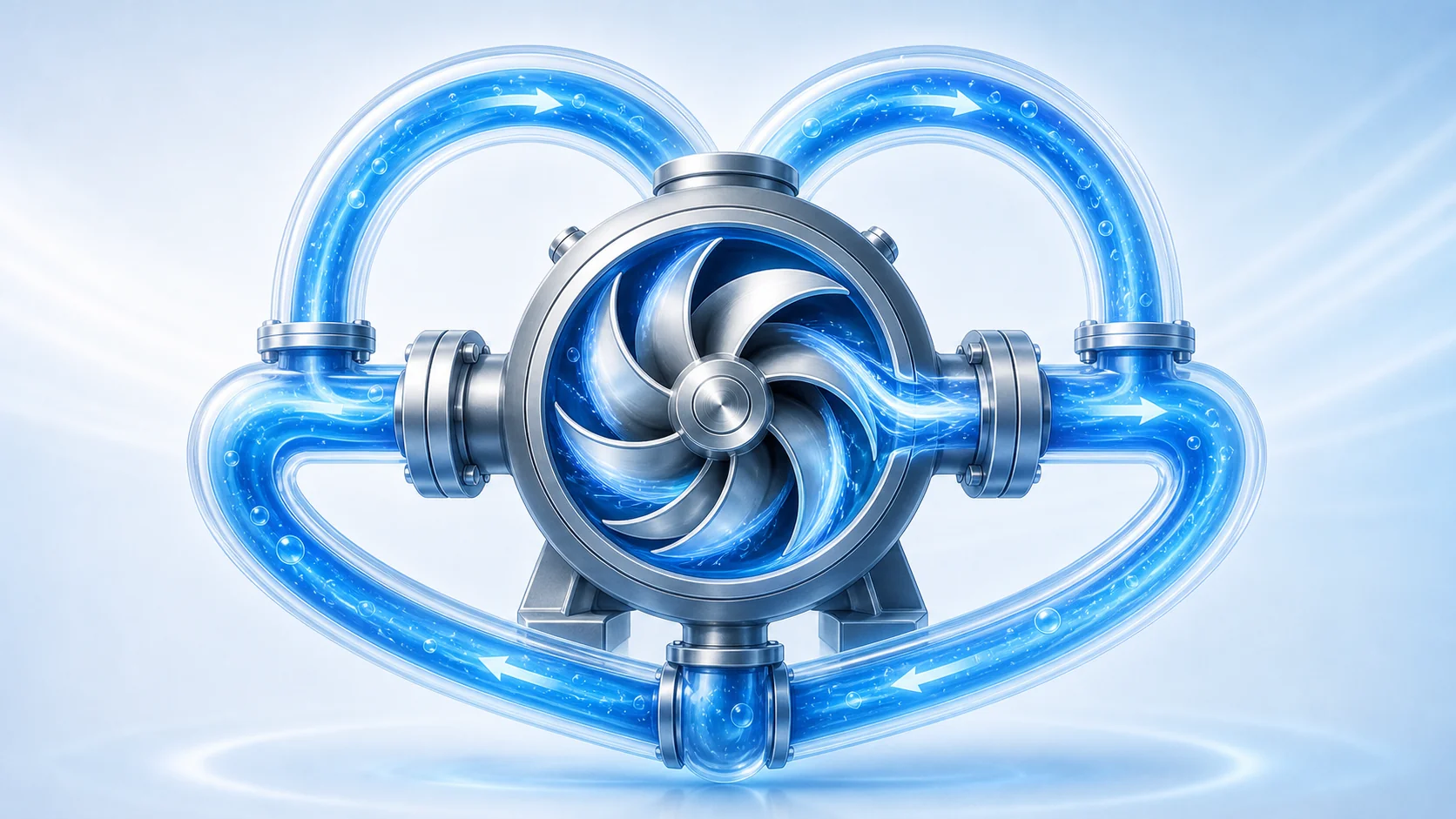
The Heartbeat of a Reactor — What the Reactor Coolant Pump Does
Reactor coolant pumps drive the primary-system water from the core to the steam generator and back without pause, much as a heart circulates blood, though a reactor can still circulate some coolant naturally if the pumps stop.
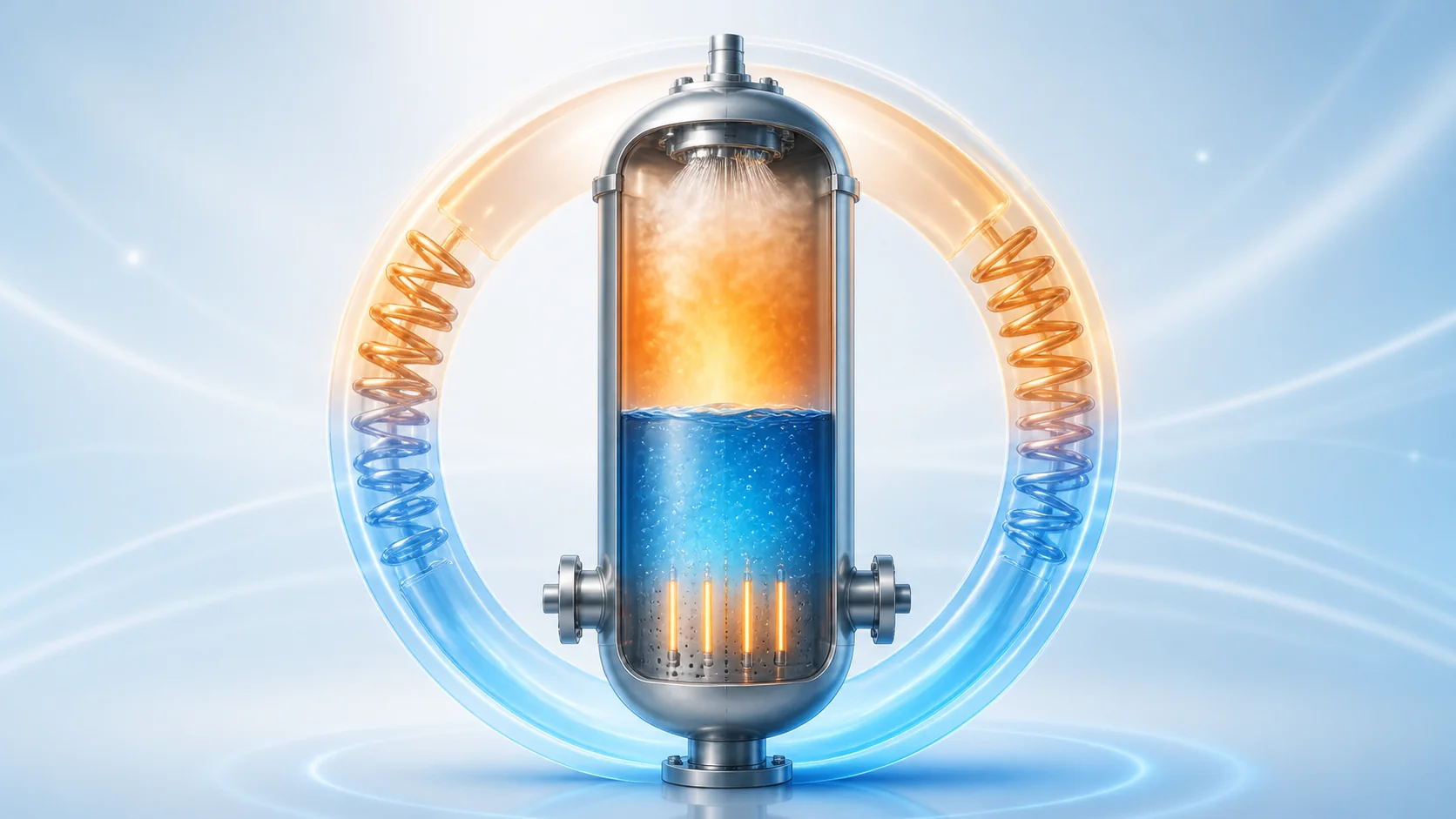
Pumping Up the Tires of a Nuclear Plant — How the Pressurizer Controls Pressure
The pressurizer is a separate vessel holding water and steam that automatically raises primary-system pressure with heaters and lowers it with spray, while the pressure vessel only withstands that pressure.
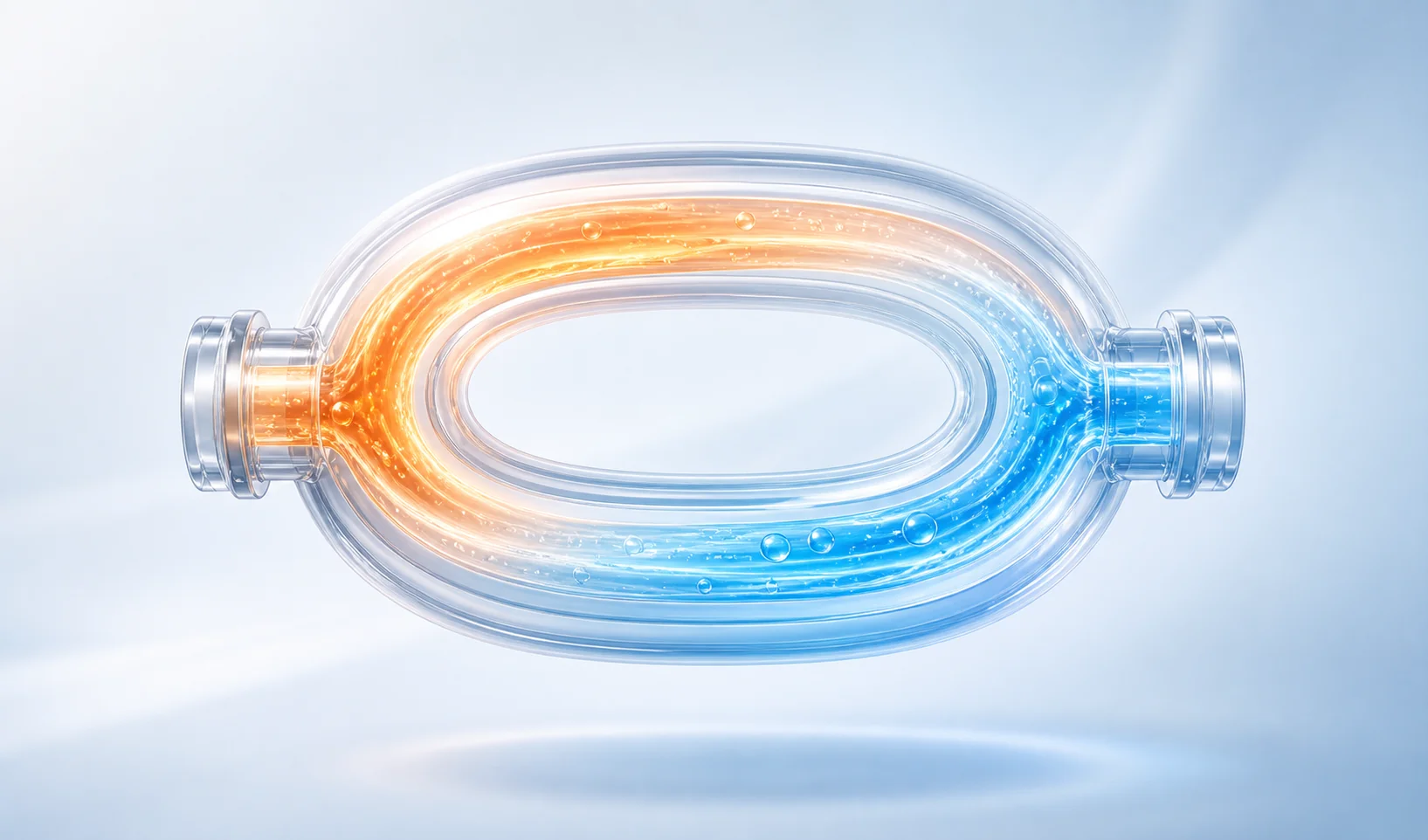
Why Your Boiler Heats Water Twice — The Steam Generator, Explained
A steam generator is a large heat exchanger that hands only heat from the reactor's primary water to separate secondary water, keeping any radioactive material out of the turbine loop.