Nuclear Theory archive — page 12
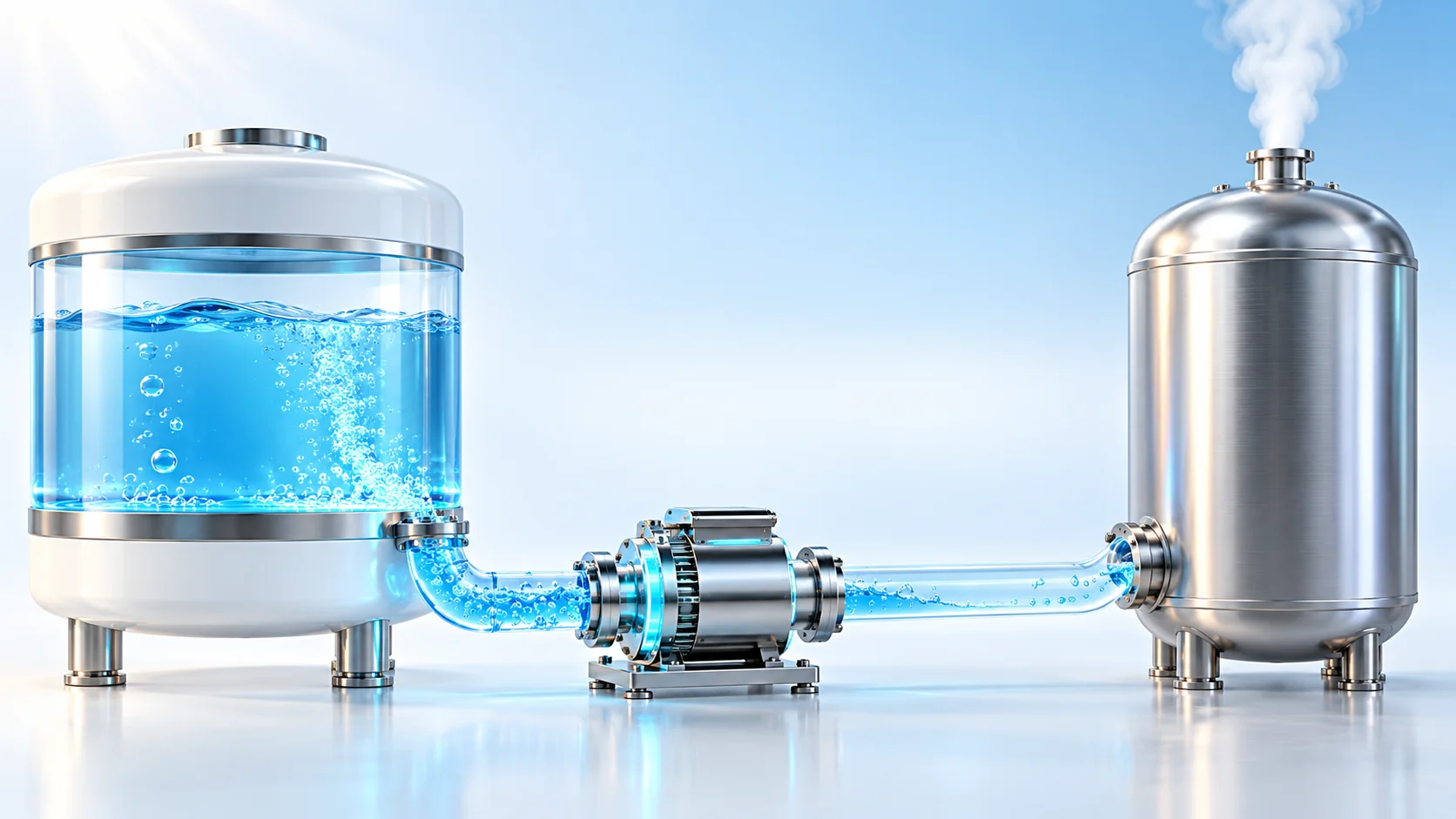
Before the Kettle Boils Dry — Why the Auxiliary Feedwater System Is Needed
The auxiliary feedwater system refills the steam generators when main feedwater stops, using its own tank, redundant pumps, diverse electric and steam-turbine drives and automatic start, so decay heat can keep leaving as steam after shutdown.
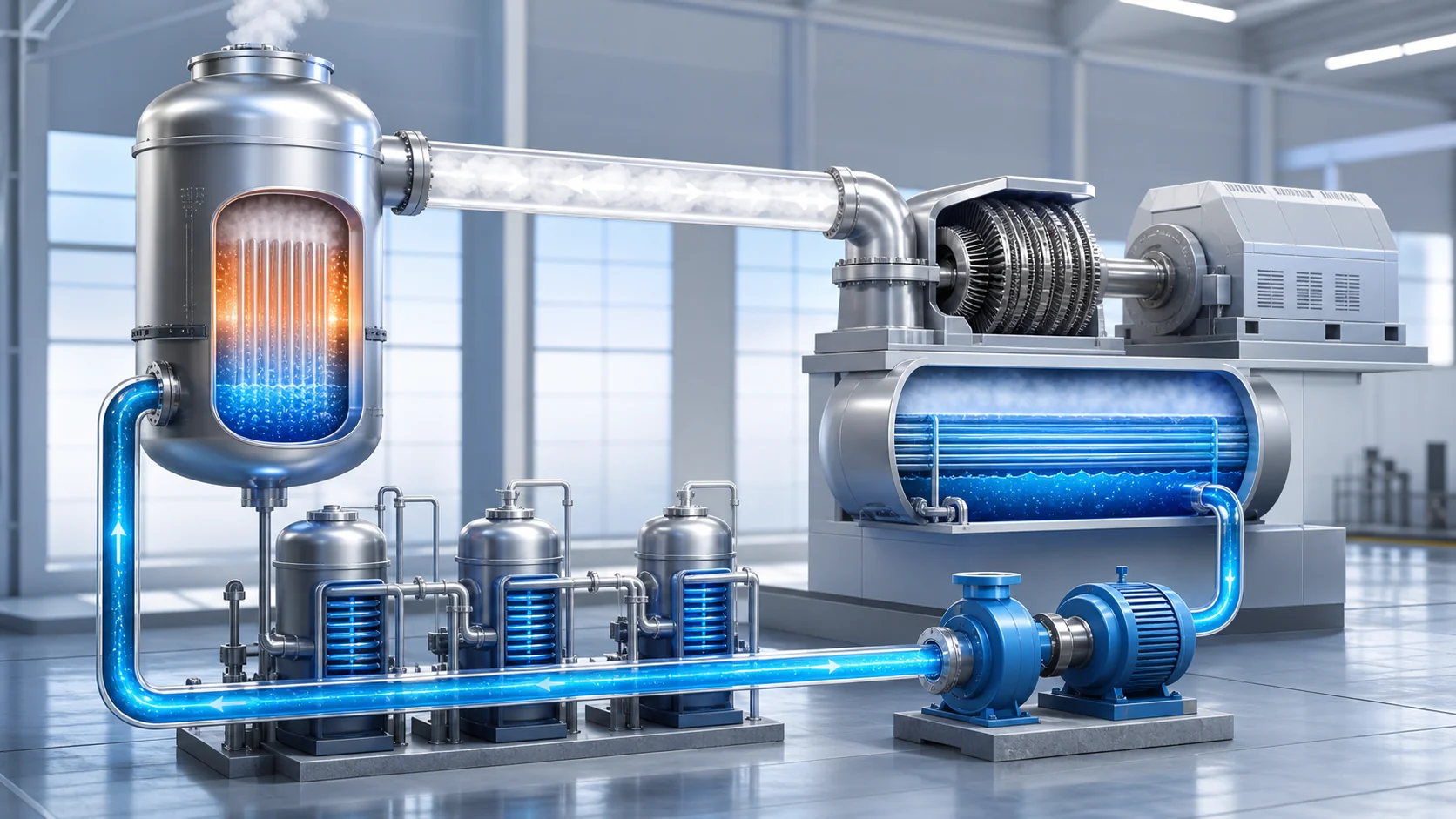
The Quiet Hand That Refills Whatever Leaves as Steam — What Does the Feedwater System Do?
The feedwater system pumps condensed water back to the steam generators at high pressure, preheats it for efficiency and to limit thermal shock, and matches feedwater flow to steam flow to hold the water level, with auxiliary feedwater as backup.
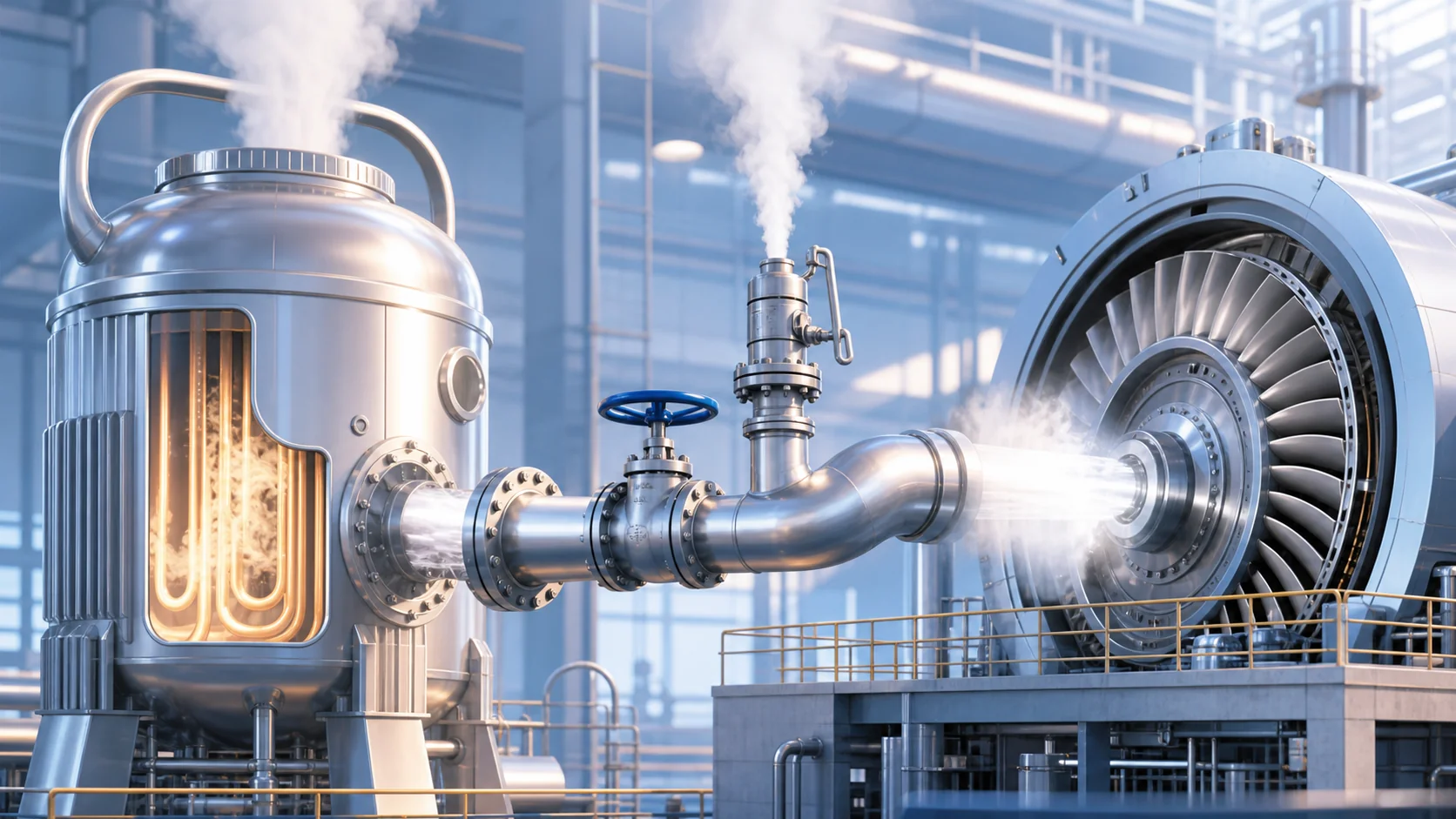
From a Kettle's Hot Breath to a Spinning Generator — The Main Steam System That Carries Steam to the Turbine
The main steam system carries steam from the steam generators (PWR) or reactor (BWR) to the turbine, with main steam isolation valves that cut the path within seconds in an emergency and safety valves that vent overpressure when the turbine stops.
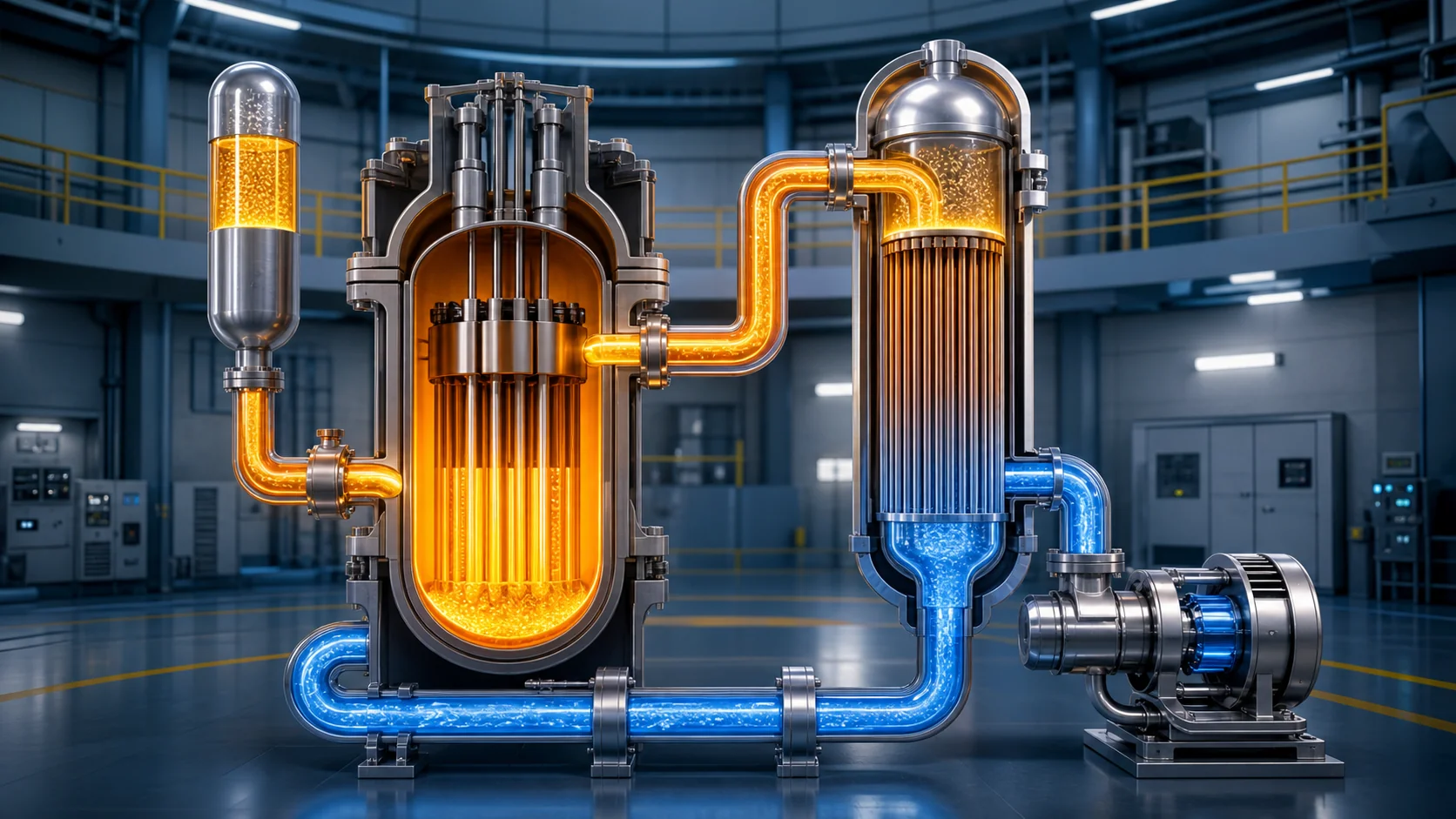
A Delivery Route That Never Stops Hauling Heat — The Big Picture of the Reactor Coolant System (RCS)
The reactor coolant system is a closed, high-pressure loop (about 150 atm, roughly 290–325°C) that carries core heat to the steam generators through two to four parallel loops, doubles as a barrier for radioactive material, and must keep circulating even after shutdown because of decay heat.
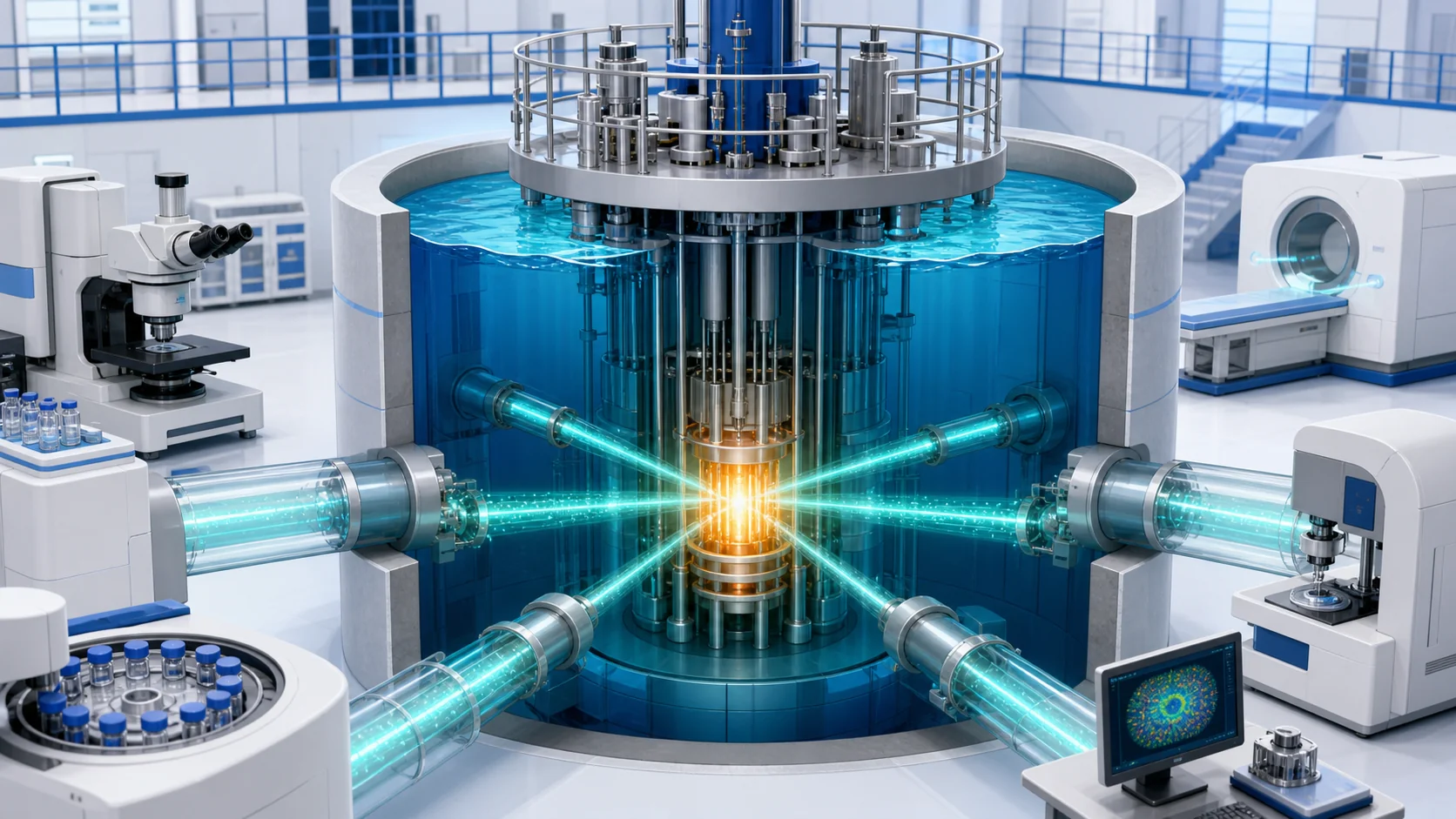
If What We Wanted from a Candle Was Light, Not Warmth — Why Research Reactors Matter Without Making Electricity
A research reactor makes no electricity; it is run to supply neutrons for medical isotopes, neutron beams, materials testing, trace analysis and training, so its value depends on neutron flux rather than power output.
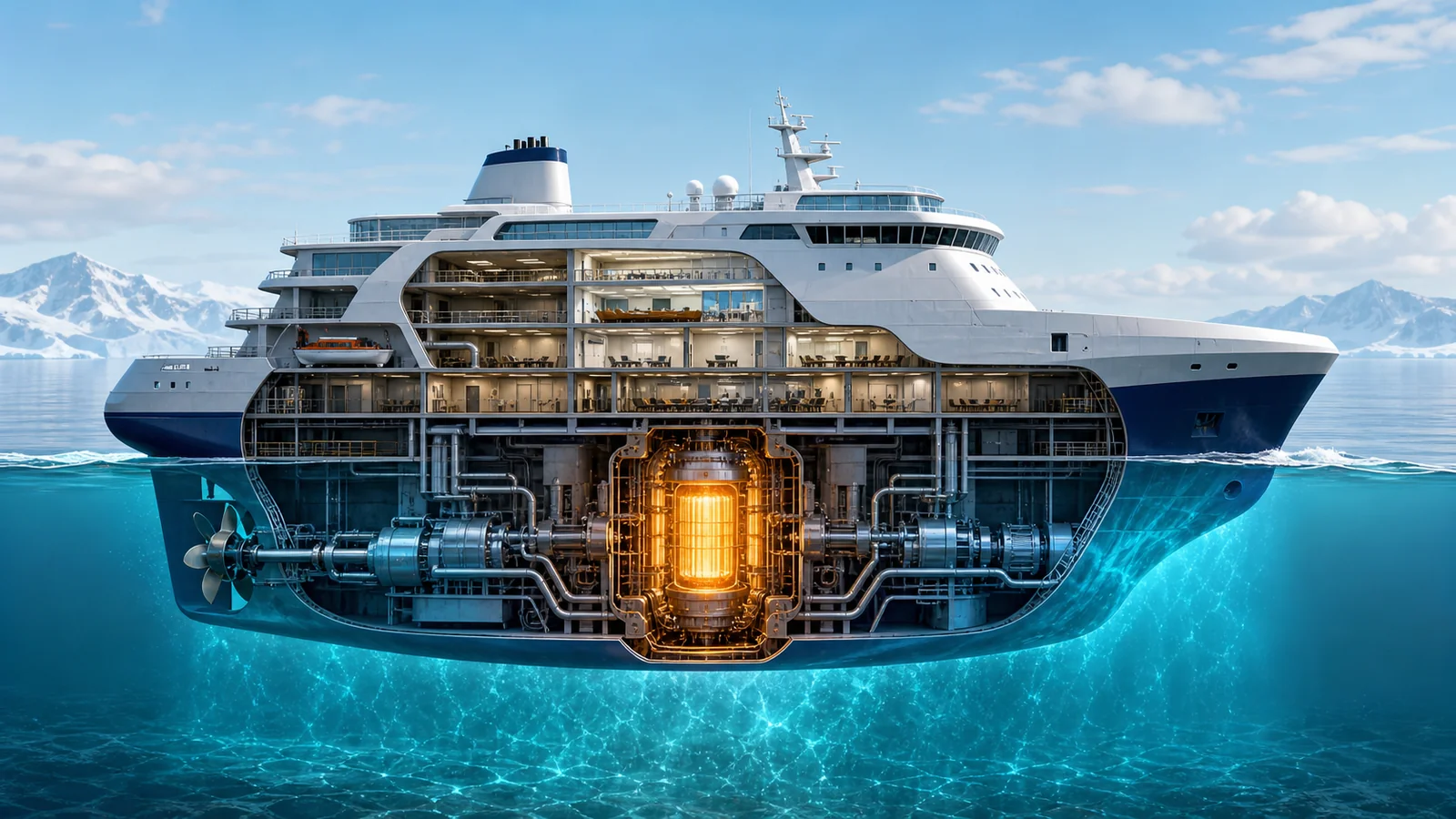
What If You Put a Whole Power Plant on a Ship? — How Marine Reactors Differ from Land-Based Nuclear Plants
Marine reactors differ from land-based plants because a self-sufficient power plant must fit inside a cramped, moving ship: they are smaller with higher power density, keep cooling while the ship rolls, use seawater as the ultimate heat sink, follow load often and aim for long-life cores.
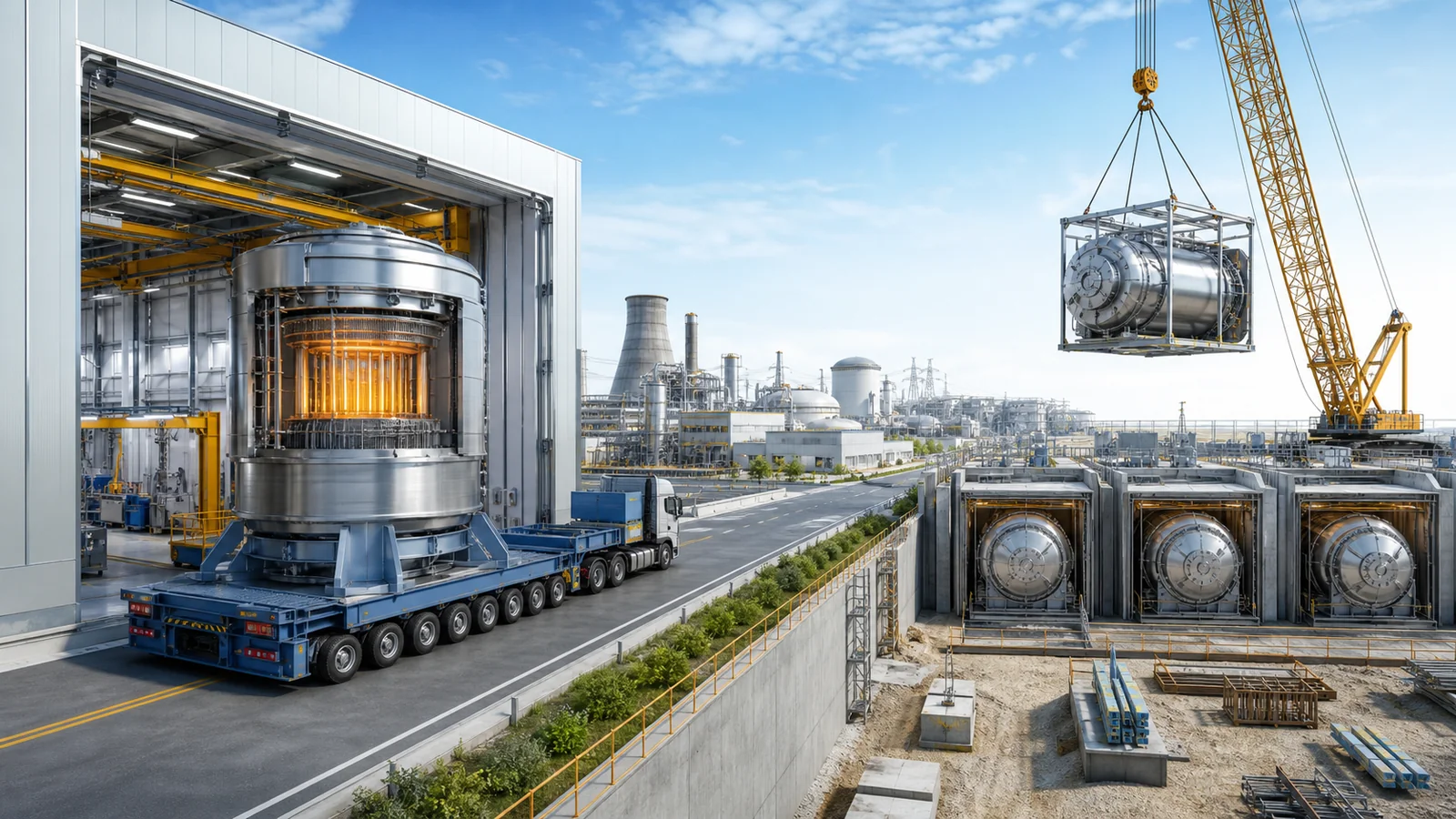
What If Reactors Were Built in a Factory and Shipped? — The Core Idea Behind Small Modular Reactors (SMRs)
A small modular reactor is a reactor of roughly 300 MWe or less whose main components are factory-built, shipped and assembled on site, often with an integral layout and passive safety, a strategy that gives up some economies of scale to gain factory production, flexibility and larger safety margins.
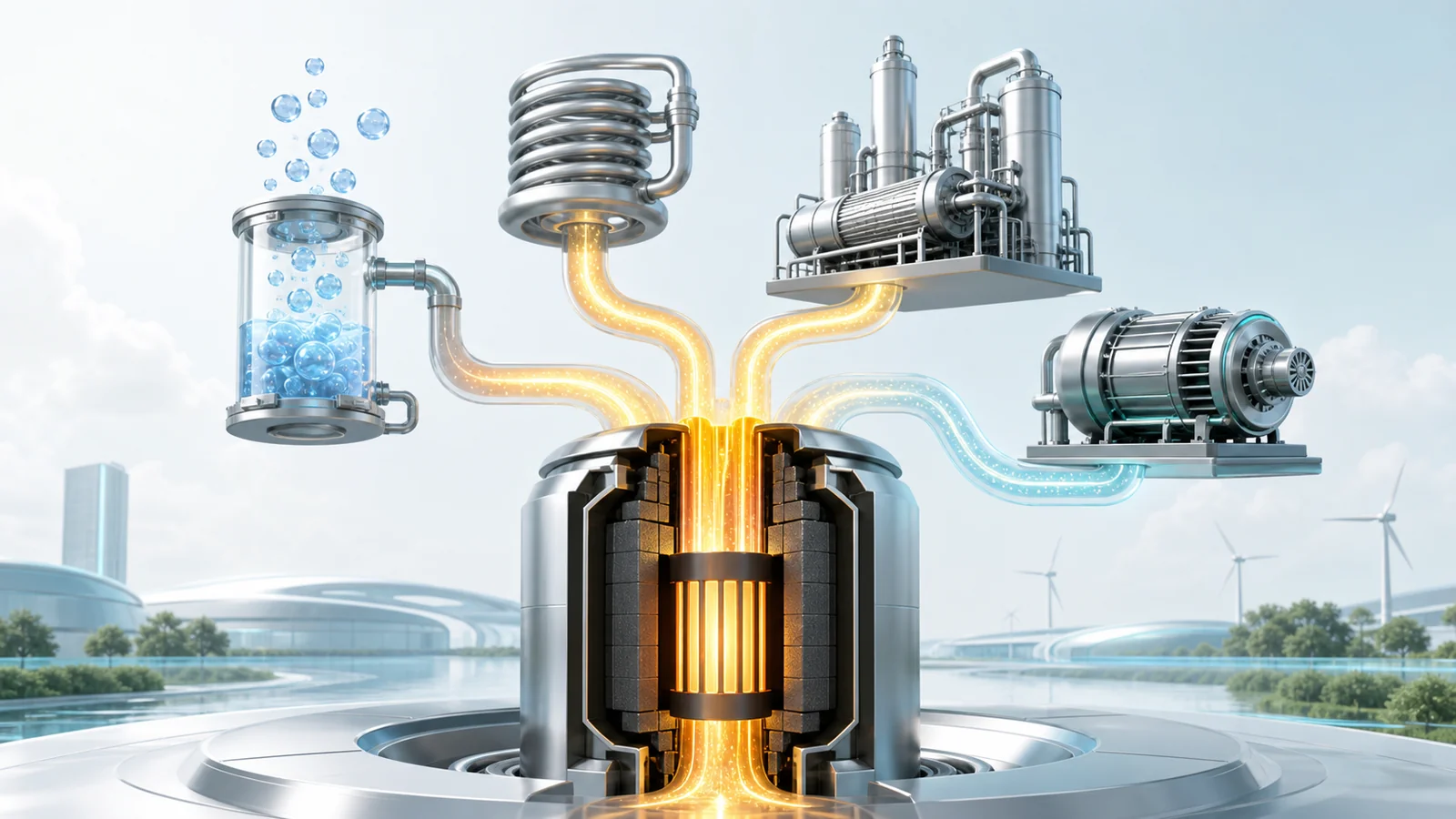
Too Hot to Waste on Electricity Alone — Why High-Temperature Gas Reactors (HTGRs) Are Eyeing Hydrogen Production
A high-temperature gas reactor uses helium coolant and graphite moderator to reach roughly 700–950°C, heat hot enough to supply industry directly and split water into low-carbon hydrogen by high-temperature steam electrolysis or thermochemical cycles.
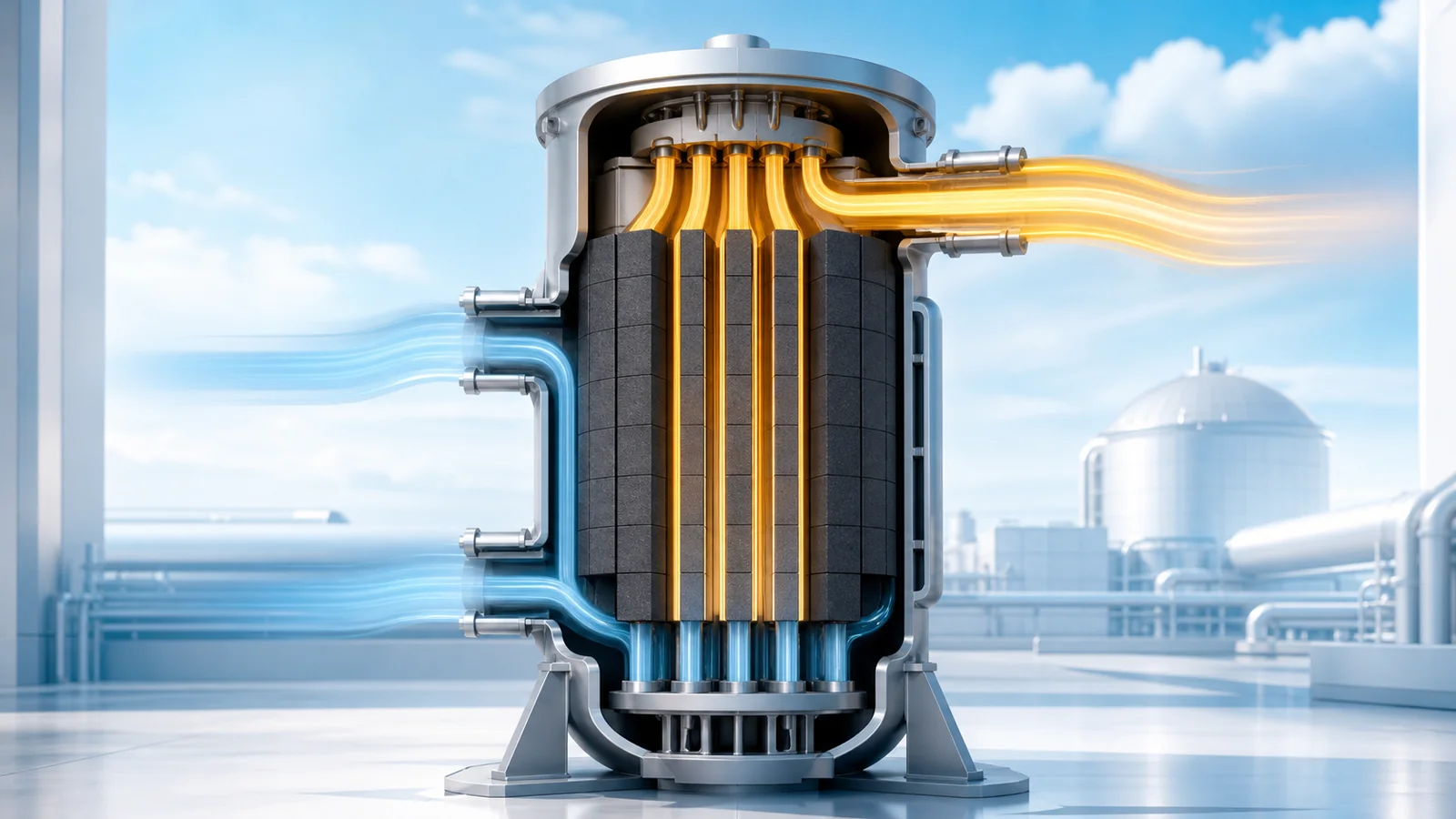
A Coolant That Never Boils? Gas-Cooled Reactors Trade Water for Wind
Gas-cooled reactors use carbon dioxide or helium instead of water as coolant, gaining a boiling-free path to much higher temperatures (from Magnox to AGR to the HTGR at 700–900°C) in exchange for big blowers, large surfaces and pressurization.
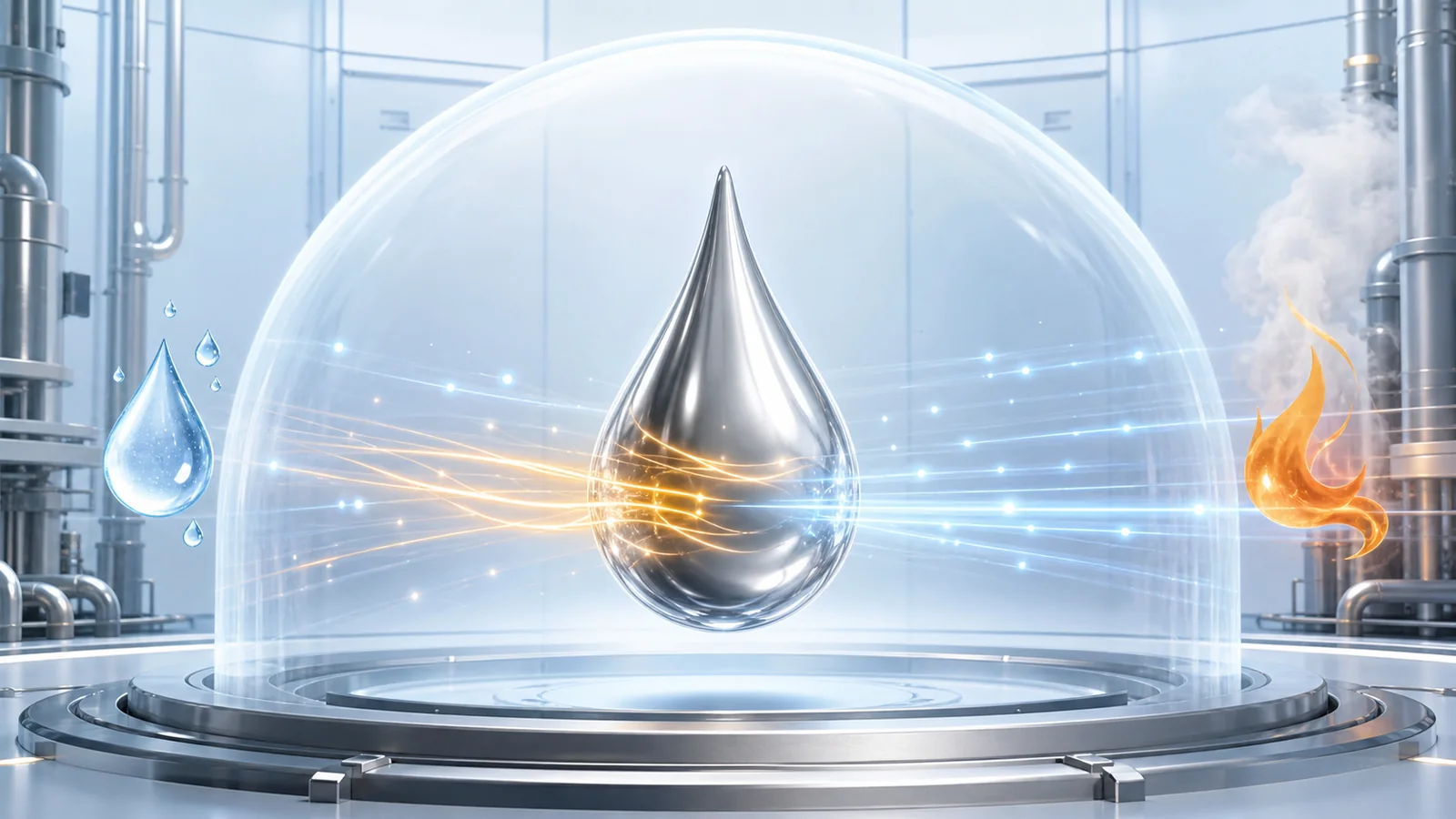
The Star Employee Who Can't Go Near Water — The Sodium-Cooled Fast Reactor (SFR)
A sodium-cooled fast reactor trades demanding handling for outstanding cooling: liquid sodium moves heat far better than water and runs at about 500–550°C near atmospheric pressure, while a non-radioactive intermediate loop keeps radioactive primary sodium away from water.