Nuclear Theory archive — page 3

Cold Pasteurization with Radiation Instead of Heat — Food Irradiation, Myths and Facts
Food irradiation uses ionizing radiation instead of heat: 10 kGy would warm water by only about 2.4 °C, permitted energies of at most 10 MeV stay below the 10.6 MeV lowest threshold among the main food elements, and labeled use is limited by food and dose.
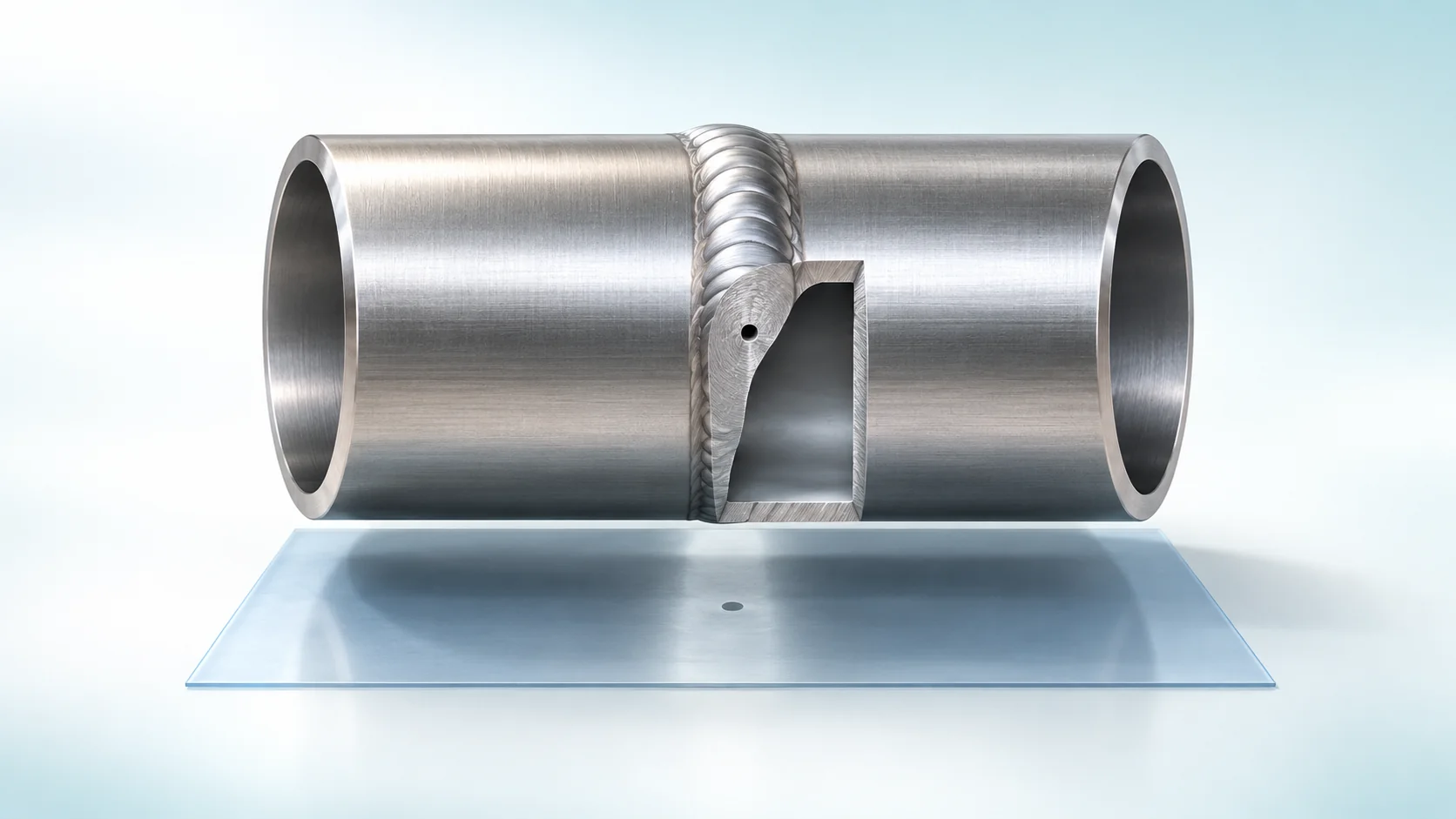
An X-Ray for Steel — Industrial Radiography and Non-Destructive Testing
Radiographic testing images welds like a hospital X-ray: through 30 mm of steel iridium-192 keeps about 11% and cobalt-60 about 28%, but a 2 mm pore stands out more with iridium-192 (+16% vs +9%).
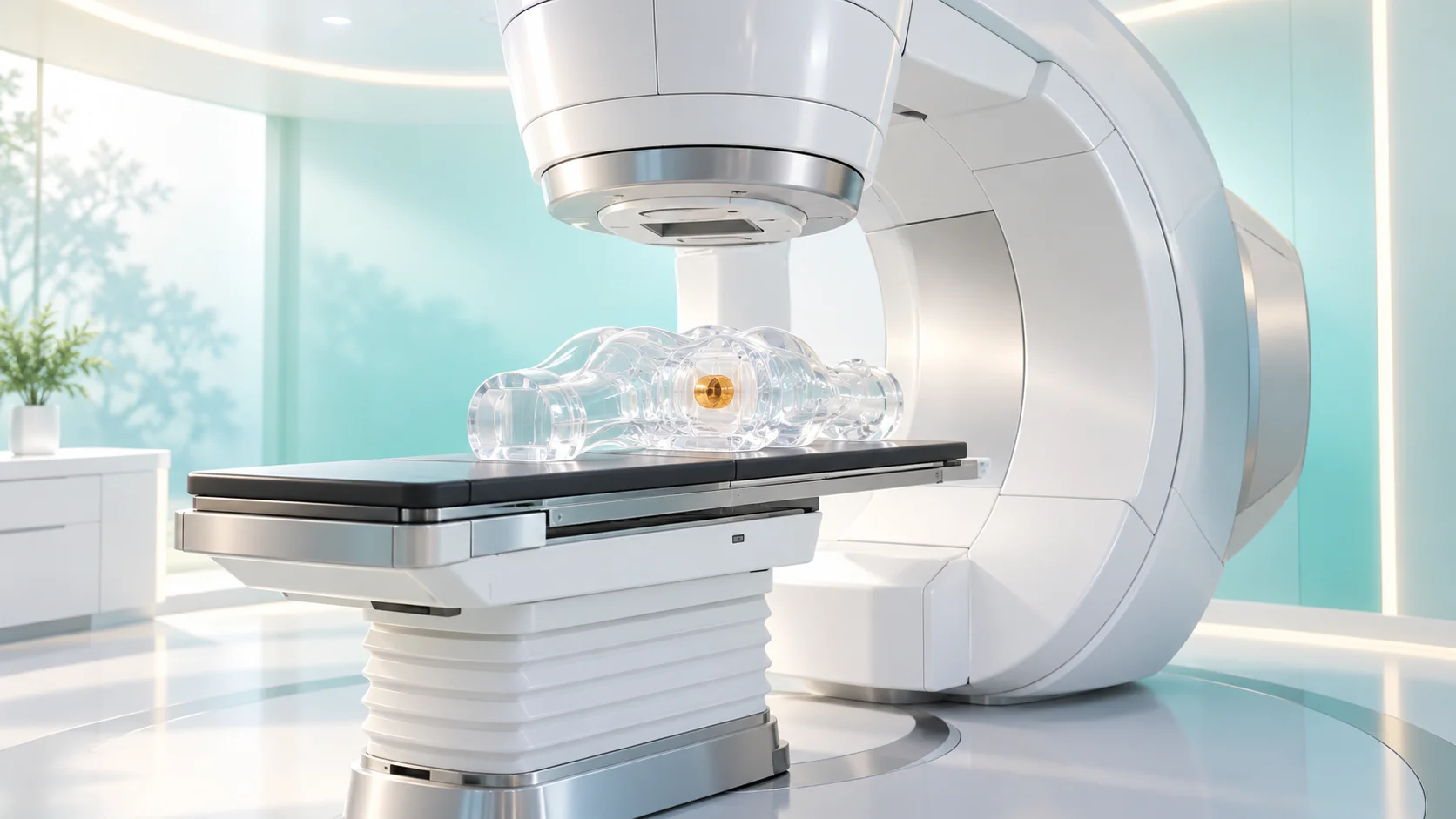
Five Flashlights on One Spot — How Radiation Therapy Takes Aim at Cancer
Radiation therapy aims by design rather than by radiation picking cells: 2 Gy sessions let healthy tissue recover, beams from several directions overlap on the tumor, and a 150 MeV proton stops at about 15.8 cm in a Bragg peak.
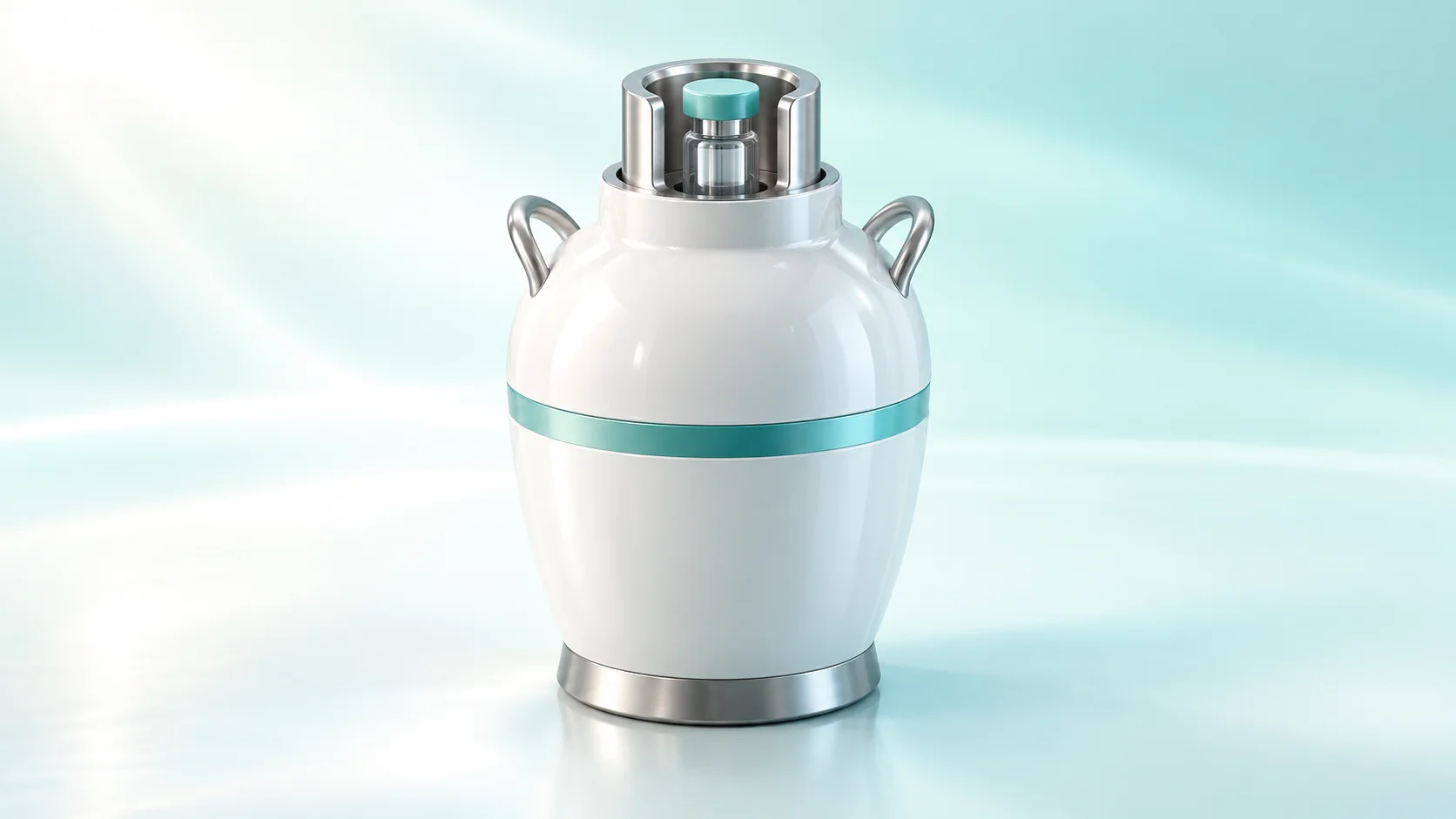
Milked Fresh Every Morning — Why Medical Radioisotopes Have to Be Just Right
Medical radioisotopes are chosen for fit, not strength: technetium-99m's 6-hour half-life and 140 keV gamma rays suit imaging, and a molybdenum-99 generator refills it to a peak about 23 hours after each milking.

Nuclear's Swiss Army Knife — Non-Power Applications Beyond Electricity
Nuclear technology works far beyond the power grid, from about 40 million nuclear medicine scans a year and gamma sterilization of medical devices to 228 research reactors, district heating and the power pack of a Mars rover.

Wait Before You "Turn Left" — Seven Questions to Ask Before Trusting a Simulation
Seven questions help decide whether a simulation result fits its purpose, and a hypothetical example shows two models that agree within 3% where tested diverging by almost 2 times outside that range.

Read It Top to Bottom, Like a Medical Checkup Report — How to Read a Calculation Result Graph
Using a hypothetical peak cladding temperature curve against the 1,204 °C limit, this guide shows how to read result graphs in order, and why the same graph can show a 304 °C or a 184 °C margin.

The Bus Timetable That Drives the Day Ahead — Load Change Simulation at a Nuclear Plant
A load change simulation shows that cutting power to 50% at midday makes xenon take about 590 pcm extra by 4 p.m. and leave about 230 pcm spare by midnight, so the next day starts from a different point.

A Roly-Poly Toy on a Tilted Desk — How Reactivity Feedback Modeling Shows a Reactor Steadying Itself
A reactivity feedback model shows that after a +50 pcm step, negative Doppler and moderator feedback settle power at 104.4% where total reactivity is zero, while without feedback power keeps rising to 241% at 120 seconds.

Hot by the Inlet, Lukewarm at the Far End — Building a Simple Steam Generator Model
Reducing a steam generator to Q = UA × ΔTlm with APR1400 design values shows a 17.2 °C log-mean temperature difference and steam pressure falling from 9.50 to 6.91 MPa as load rises, while missing water-level swell and shrink.