Nuclear Theory archive — page 8
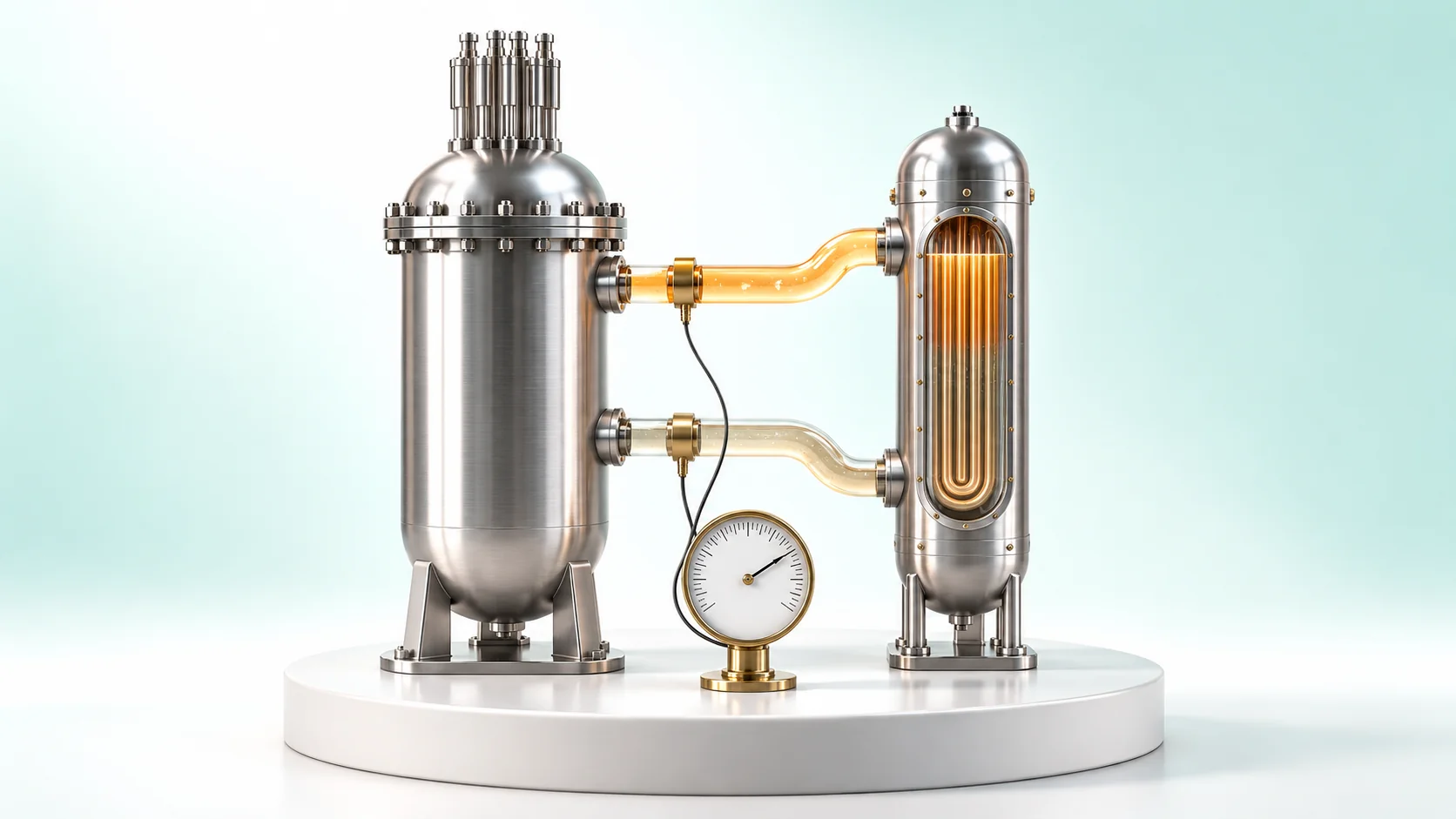
You Can't See the Flame, but the Shower Knows — Why Reactor Power Means Thermal Power
Reactor power means thermal power, so 100% power is 100% of rated thermal power; it is measured with a secondary-side heat balance and used to calibrate fast neutron instruments every 24 hours.

When the Waiters Grab Plates Faster, the Kitchen Speeds Up — Turbine Load Changes and Reactor Power
In a pressurized water reactor, more turbine steam cools the water returning to the core, the negative moderator temperature coefficient raises reactor power, and control rods bring the average temperature to a load-dependent target.
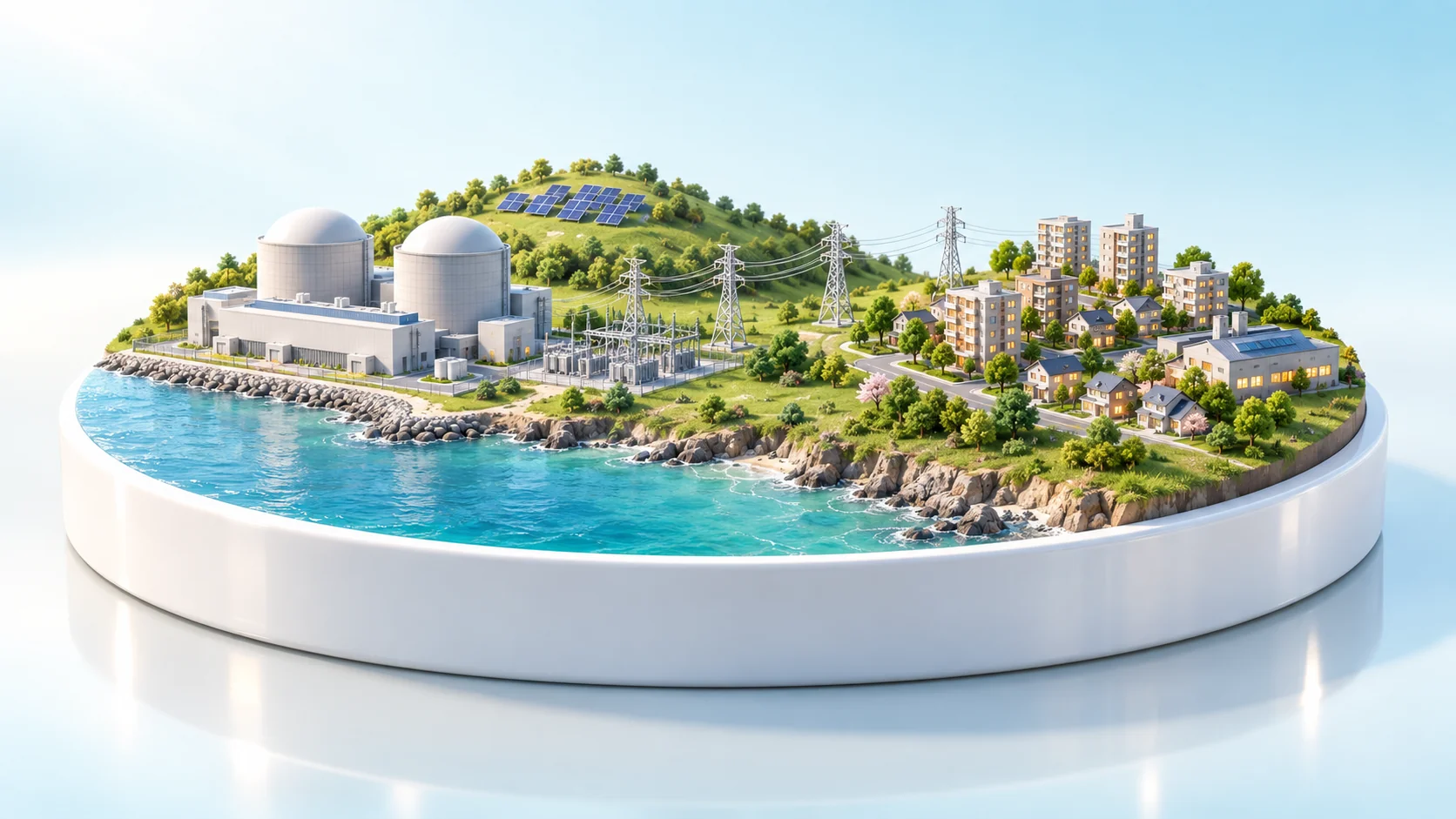
The Soup Pot Doesn't Change Its Flame for Every Order — How Nuclear Plants Respond When Electricity Demand Changes
When demand changes, South Korea's nuclear plants help automatically only through rotating inertia, are exempt from governor and AGC duties, and adjust output through day-ahead plans and dispatch orders such as spring output reductions.
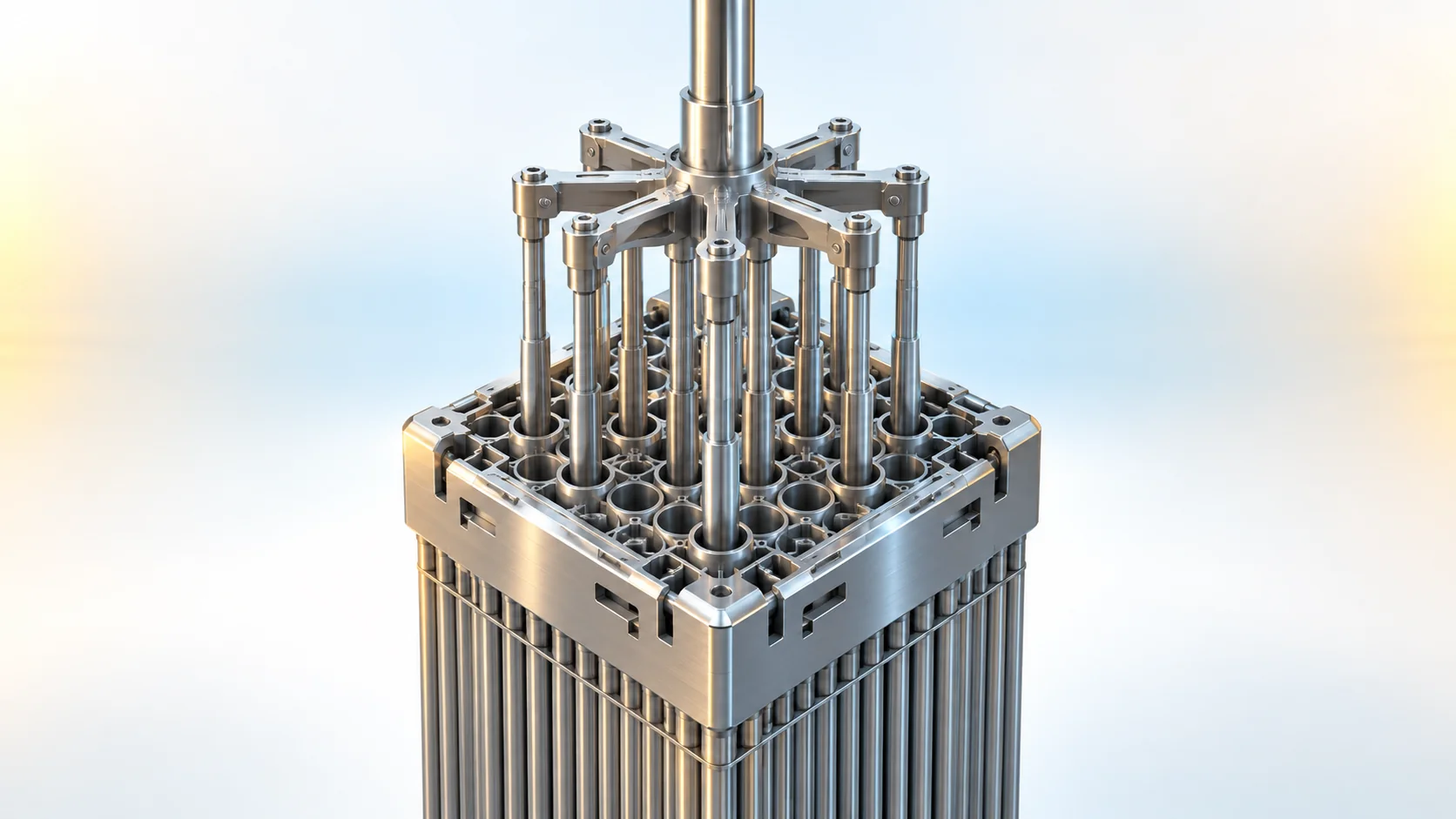
"Please Run at Half Power Tonight" — What Load-Following Operation Means for a Nuclear Plant
Load following means deliberately lowering and raising a nuclear plant's output to match demand, typically between 100% and about 50% of rated power, within limits set by xenon-135, fuel swelling and end-of-cycle margins.

Why the Rice Cooker Stays On All Day — How Nuclear Plants Came to Be Called Base-Load Generation
Base load is the floor that electricity demand never drops below, and nuclear plants have filled it mainly because their mostly fixed costs fall per kWh as the capacity factor rises.

When the GPS Goes Dark, Unfold the Map — The Role of Severe Accident Management Guidelines (SAMG)
Severe accident management guidelines take over when core exit temperature reaches 649°C in South Korean PWRs, shifting the goal from preventing core damage to limiting it by weighing each action's benefits and side effects.

Check the Pulse Before Naming the Disease — Symptom-Based Emergency Operating Procedures
Symptom-based response uses instrument readings to check six critical safety functions in priority order and restores any function showing red first, so a wrong diagnosis like the one at Three Mile Island cannot steer the whole response.
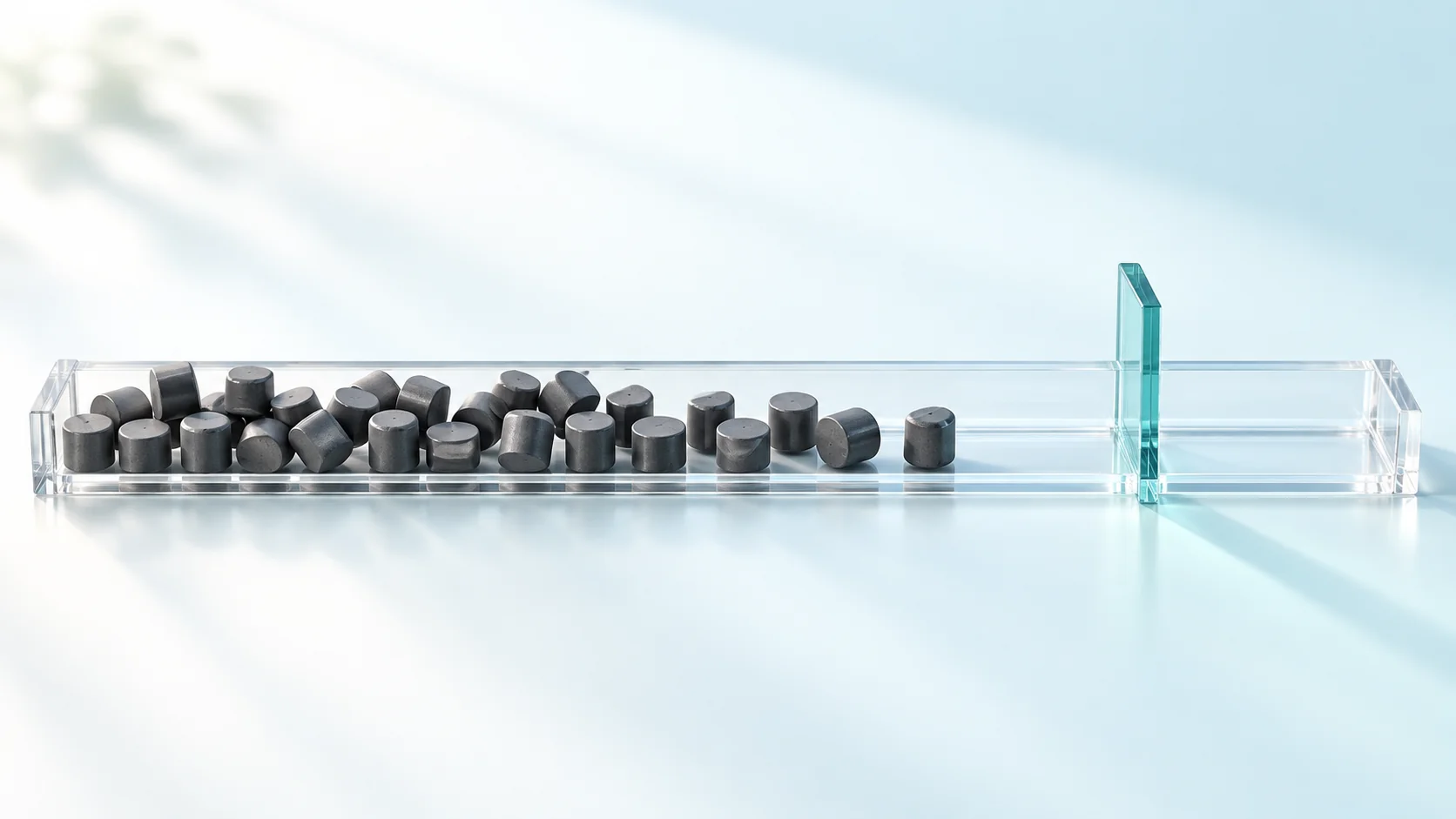
What Time Do You Leave for the Big Interview? — Conservative vs. Best-Estimate Safety Analysis
Conservative analysis sets every unknown on the unfavorable side, such as 102% power and 1.2 times decay heat, while best estimate plus uncertainty runs at least 59 calculations and compares the highest with the same 1,204°C limit, showing the margin as a number.
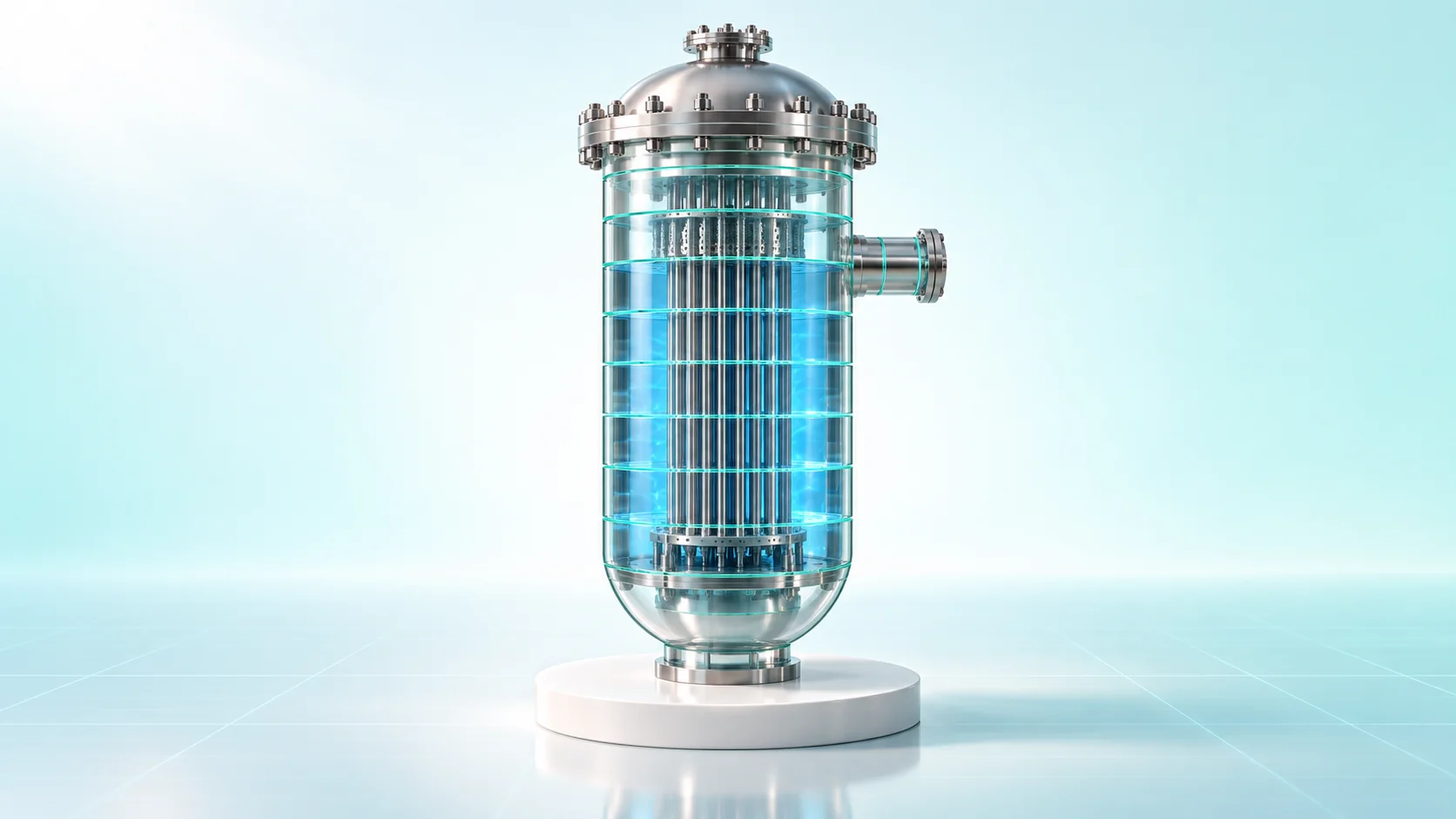
You Can't Crash-Test a Nuclear Plant — What Safety Analysis Codes Actually Calculate
A safety analysis code assumes a failure, balances mass, energy and momentum in hundreds of cells one short time step at a time, and checks that the peak cladding temperature stays below 1,204°C, using either conservative assumptions or 59 best-estimate runs.

Insurers Worry More About Fire Than Umbrellas — Accident Frequency vs. Risk
Frequency counts how often an event happens per reactor-year, while risk multiplies that frequency by the consequence, so nuclear safety goals set limits such as 10⁻⁴ for core damage and 10⁻⁵ or lower for large releases.