Nuclear Theory archive — page 13
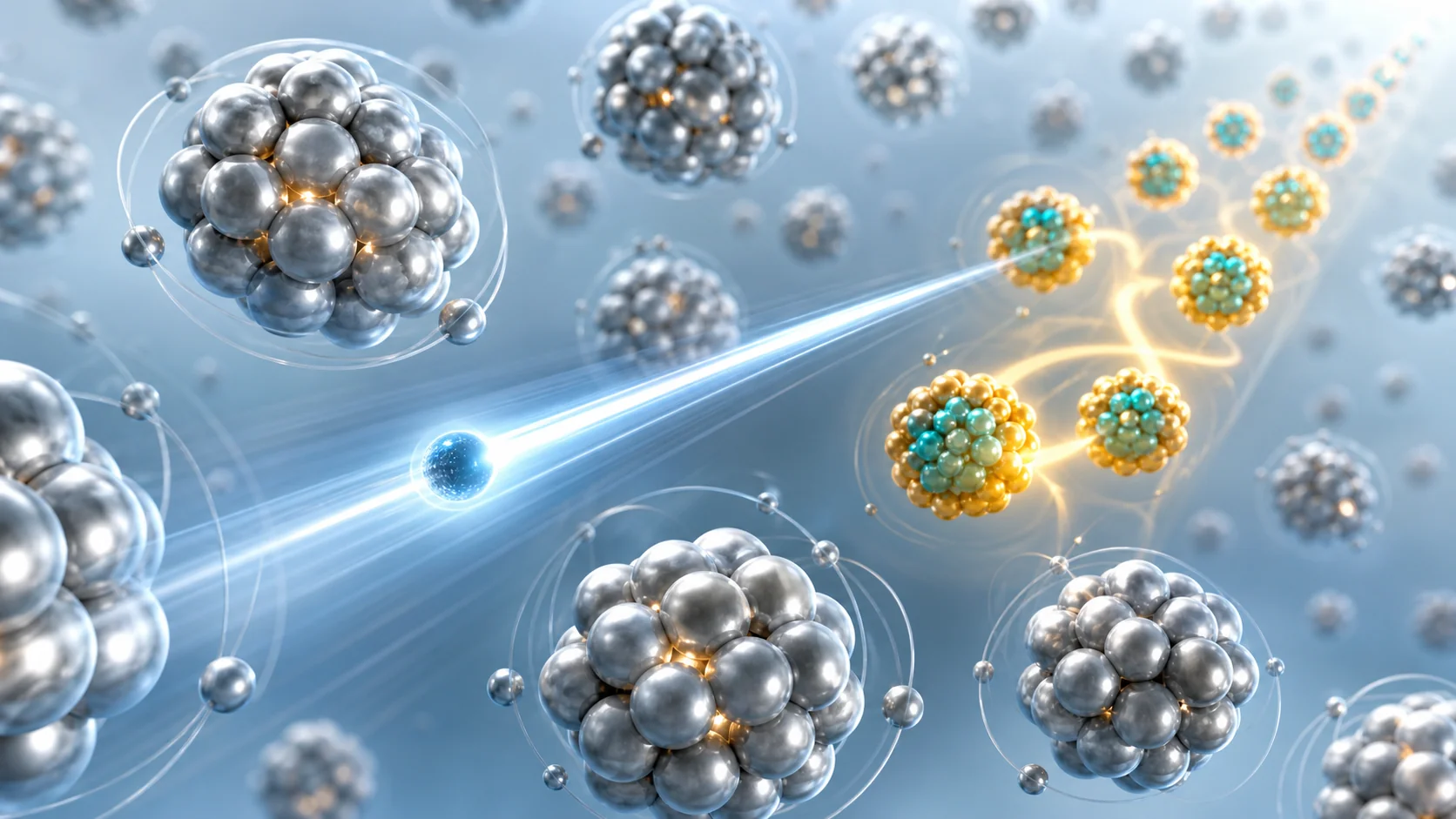
The Reactor That Refuses to Hit the Brakes — Why Fast Reactors Do Without a Moderator
Fast reactors keep neutrons fast by using no moderator and a heavy coolant such as sodium, giving up easy fission in exchange for spare neutrons that can turn uranium-238 into plutonium-239 fuel and burn long-lived materials.
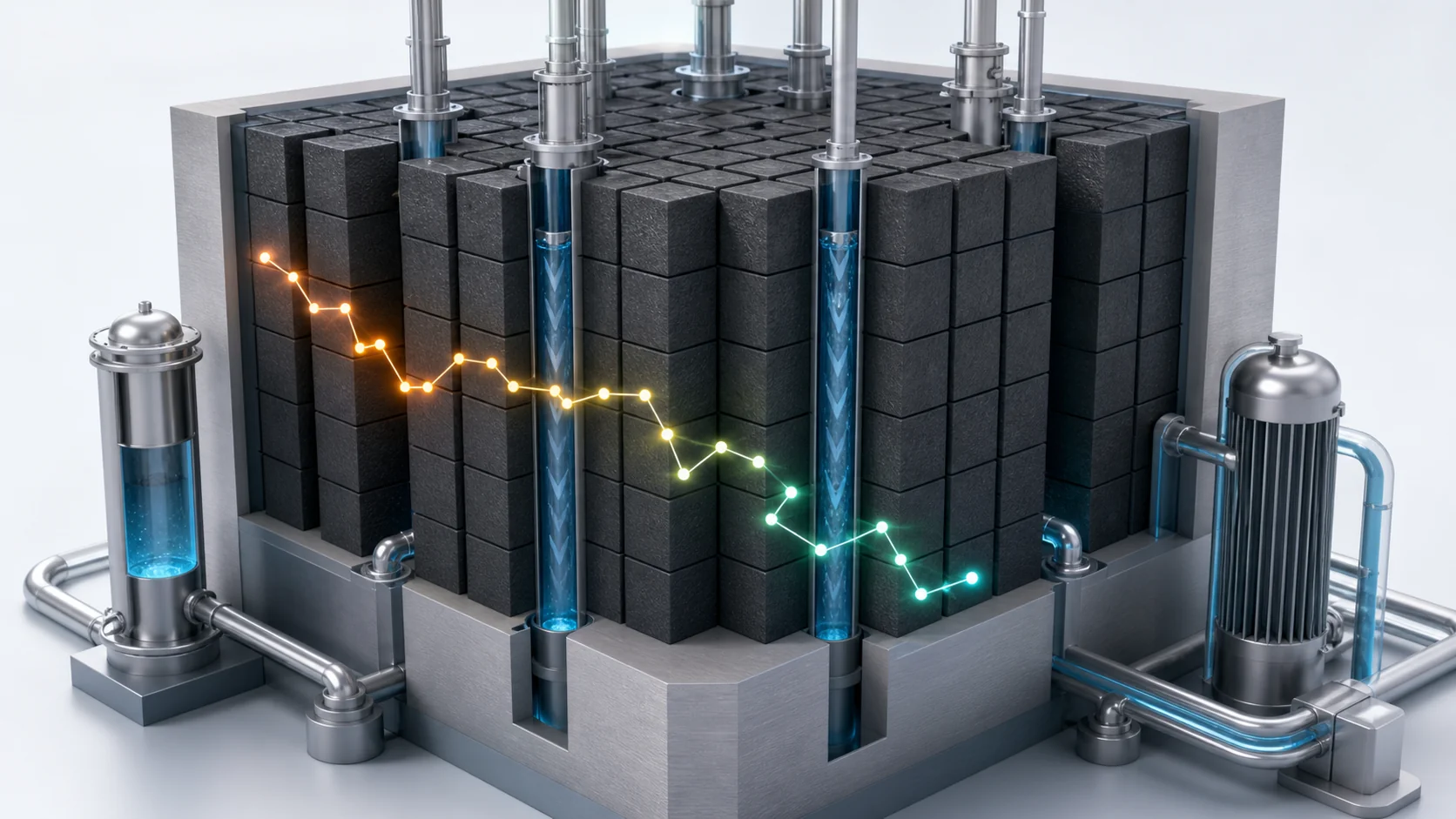
Your Pencil's Cousin in the Heart of a Reactor — How Graphite-Moderated Reactors Split Moderation from Cooling
Graphite absorbs almost no neutrons but needs more than a hundred collisions to slow them, so graphite reactors have large cores and hand cooling to a separate gas or water, a choice that defines each family's temperature, fuel and safety characteristics.
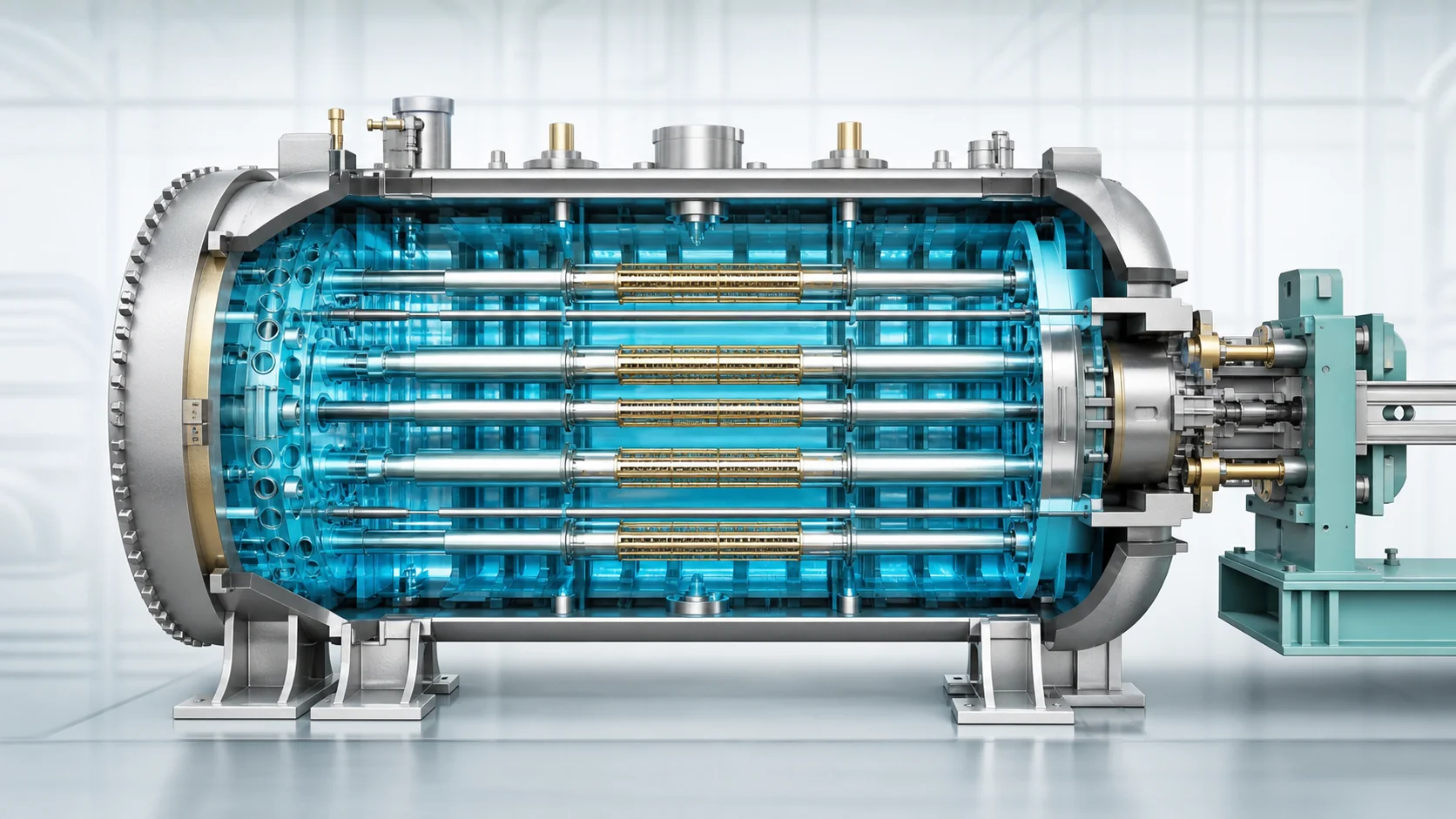
Some Water Is Heavier Than Others — Why the CANDU Reactor Insists on Heavy Water
Deuterium in heavy water absorbs neutrons several hundred times less readily than ordinary hydrogen, so CANDU reactors can sustain a chain reaction on natural uranium with about 0.7% U-235, at the cost of expensive heavy water and a larger core.
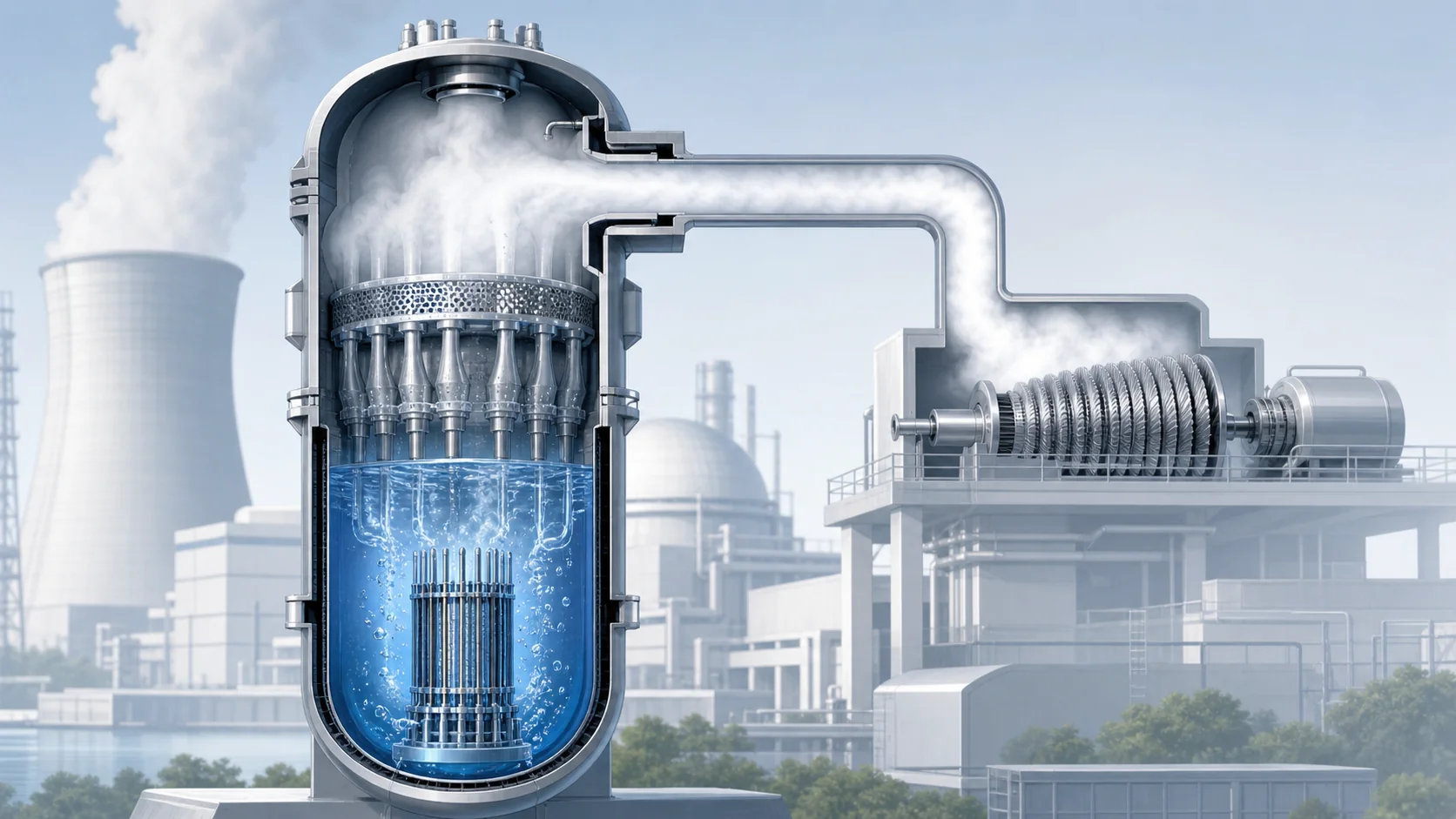
Steam Straight from the Kettle to the Turbine — How a Boiling Water Reactor (BWR) Skips the Steam Generator
A BWR boils ordinary water directly in its pressure vessel at around 70 atmospheres and sends the dried steam straight to the turbine, so it needs no steam generator and inserts its control rods from below.
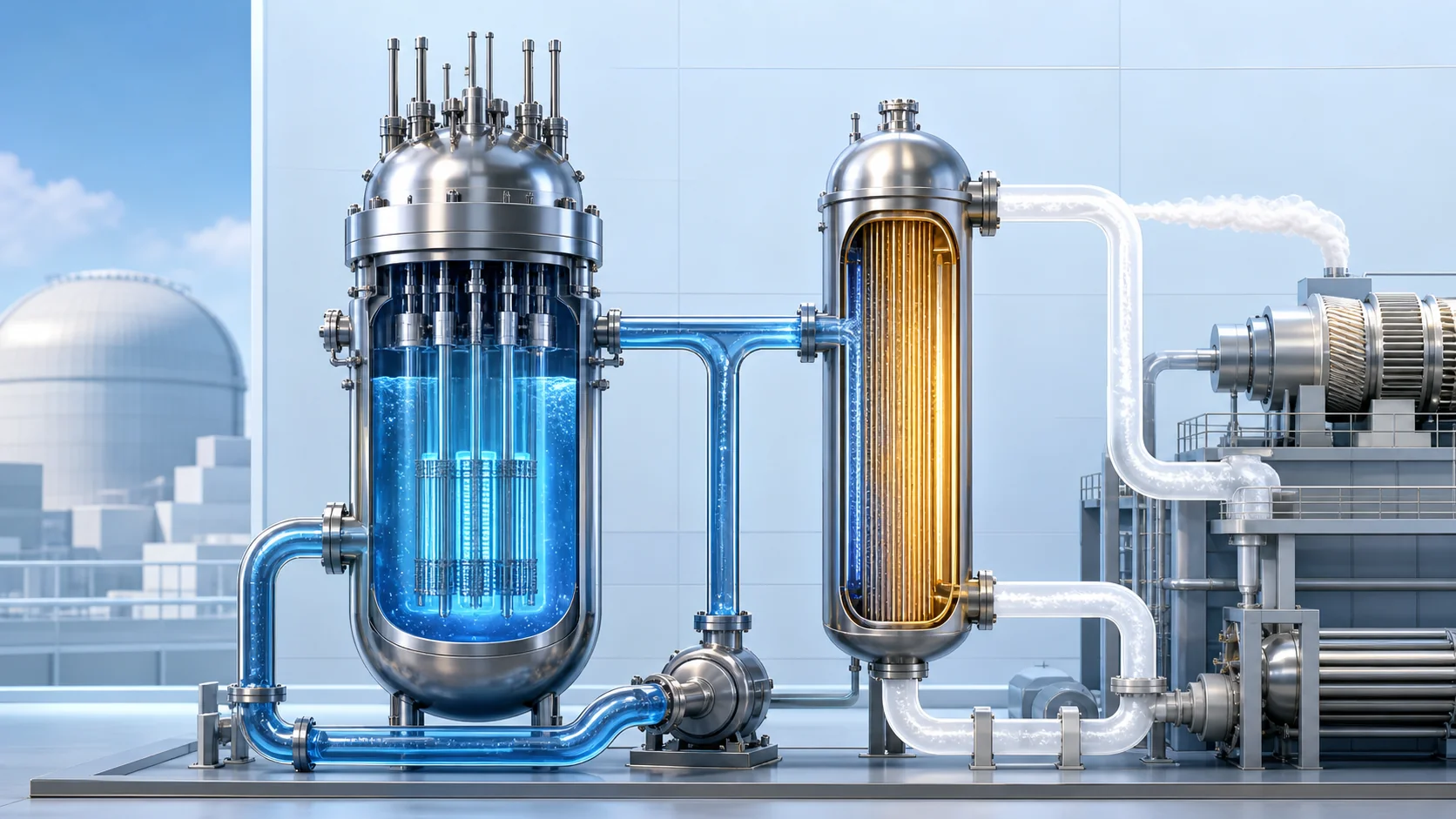
A Pot of Water Held Down So It Can't Boil — How a Pressurized Water Reactor (PWR) Is Built
A PWR keeps ordinary water at about 150 atmospheres so it stays liquid at around 320°C, and passes that heat through steam generator tubes to a separate secondary loop that boils and drives the turbine.
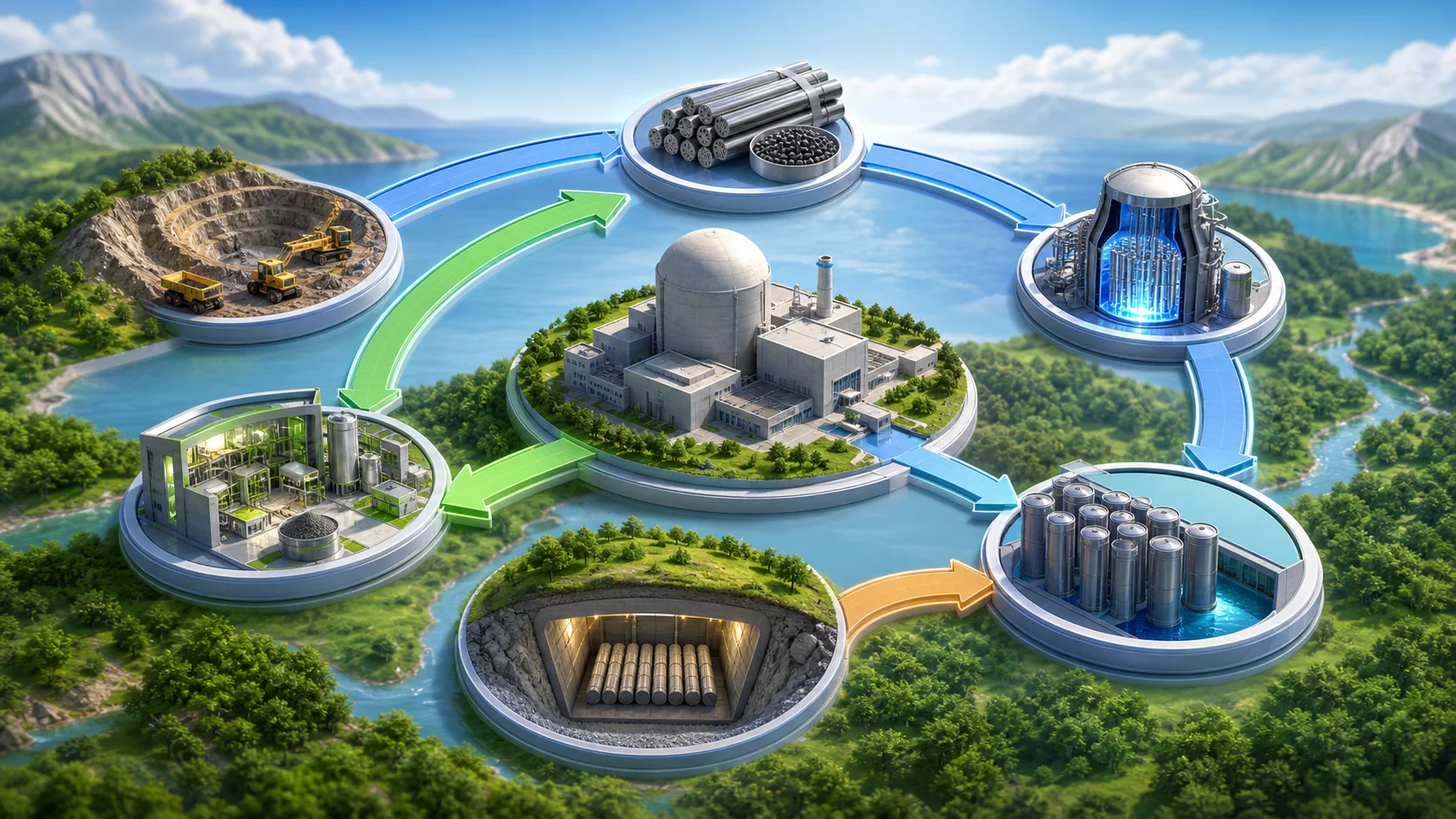
Used Up Doesn't Mean Over? — Seeing the Nuclear Fuel Cycle as a Circular Economy
The nuclear fuel cycle resembles a circular economy only when its back end recycles spent fuel, which is still about 95% uranium by weight, and even then it is a half-closed loop because fission products always remain as final waste and new uranium is still needed.
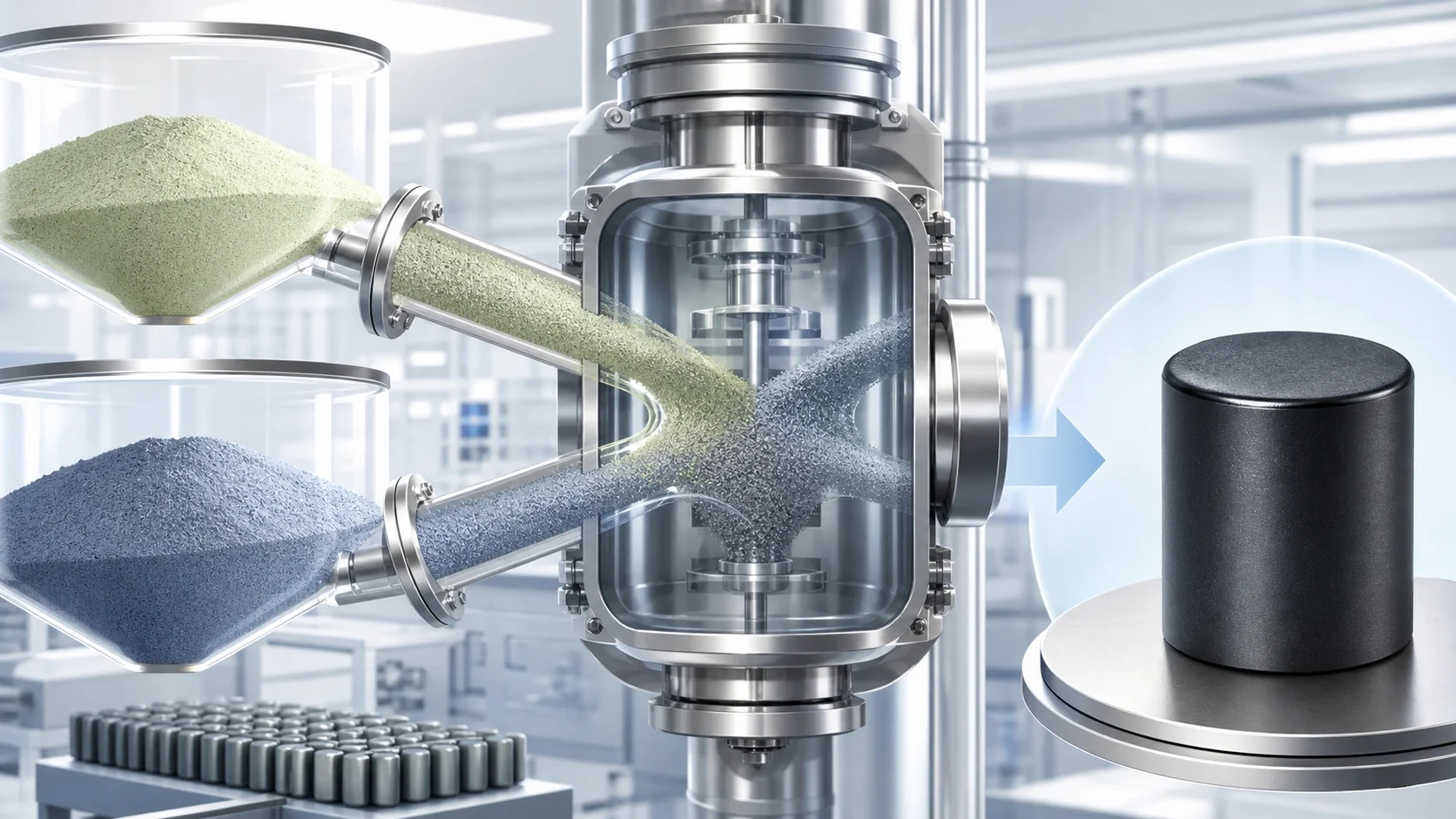
Burned-Out Ashes? There's Still Good Stuff Left — The Story of MOX Fuel
MOX fuel mixes plutonium oxide recovered by reprocessing spent fuel with uranium oxide, and because plutonium yields fewer delayed neutrons, light water reactors usually load it into only part of the core while fast reactors use it as a standard fuel.
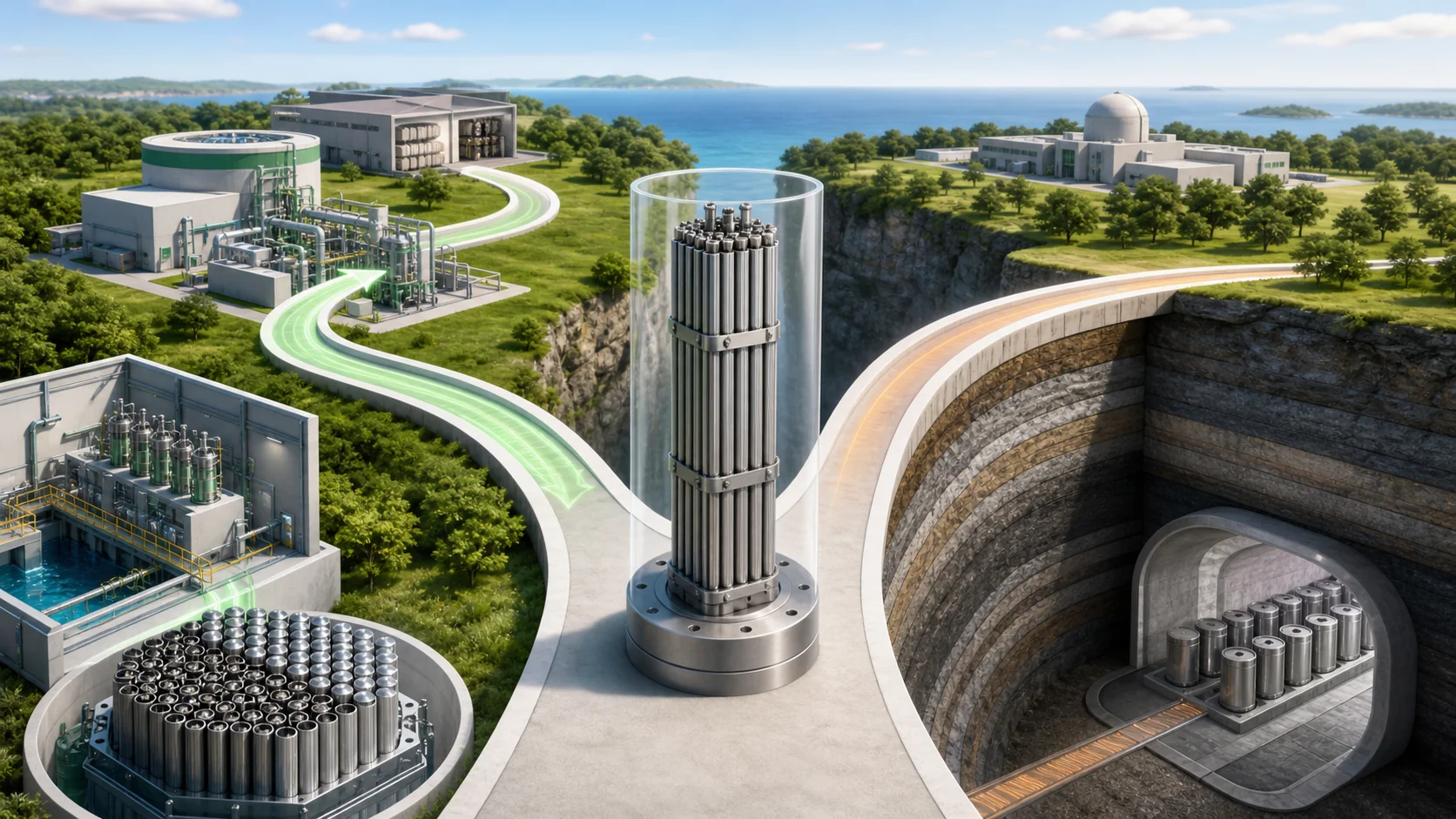
Two Roads for Used Fuel — How Reprocessing and Direct Disposal Differ
Reprocessing recovers the uranium and plutonium left in spent fuel for reuse while direct disposal isolates the whole fuel in a deep geological repository, and because they balance resources, waste and plutonium control differently, neither is simply superior and both still need final disposal.
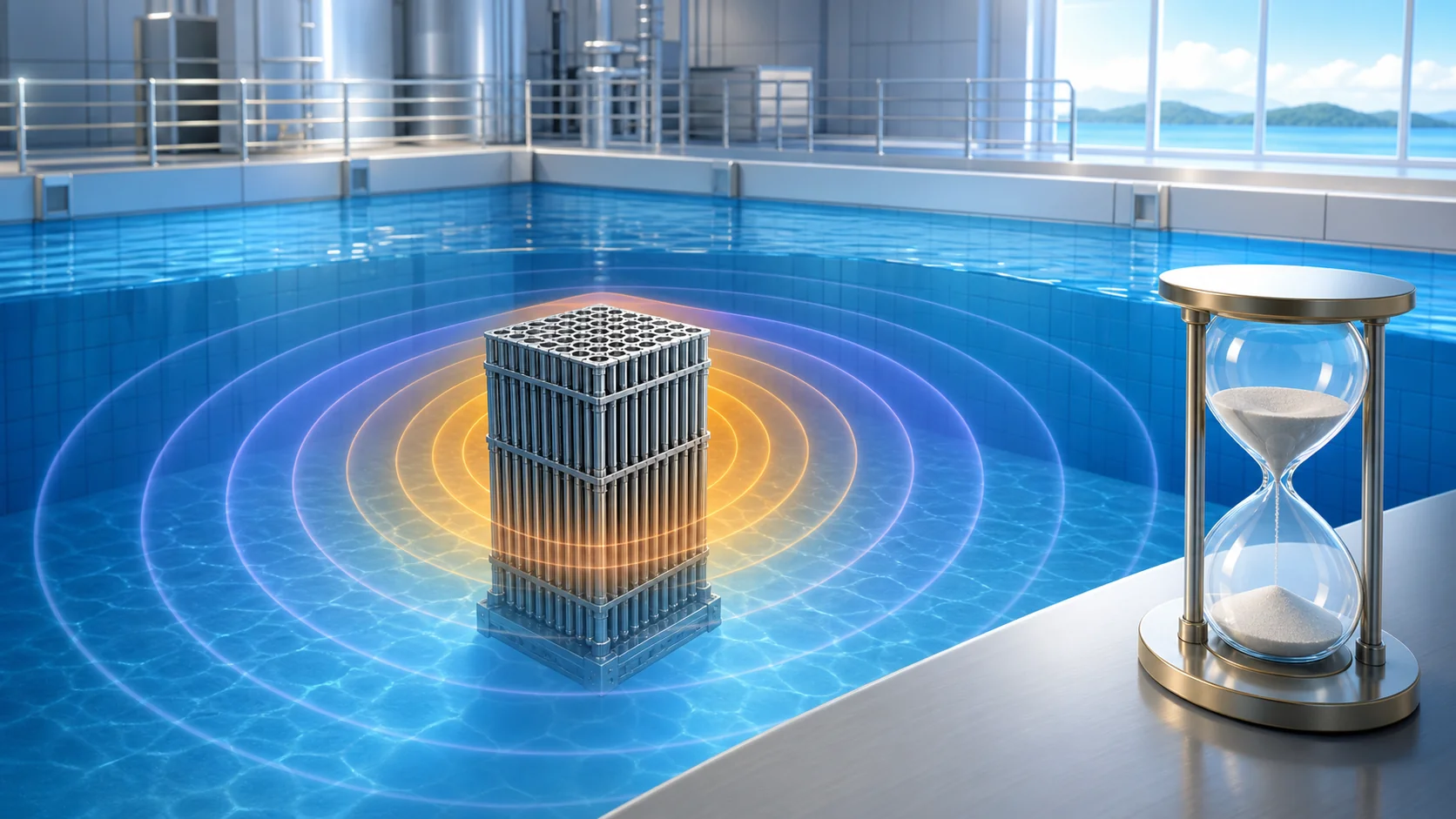
The Fire Is Out, So Why Wait Years? — What the Cooling Period of Spent Fuel Means
The cooling period is the time spent fuel waits, usually several years in a water pool, until its decay heat and radiation fall below what the next step such as air-cooled dry storage can handle, which makes it easier to handle but not harmless.
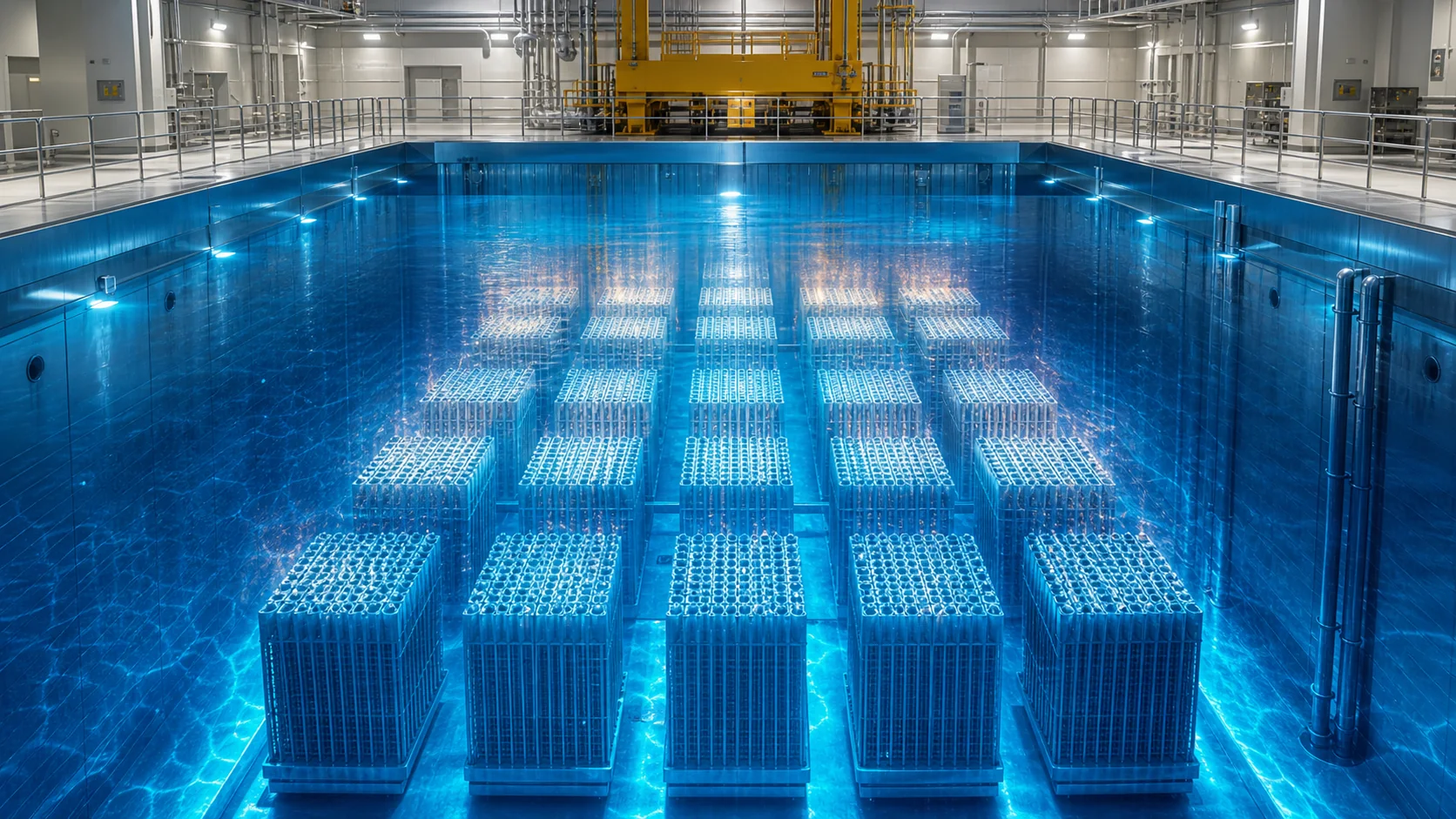
Retired but Still Warm and Busy — The Heat and Radioactivity of Spent Fuel
Spent fuel keeps producing decay heat and radiation from the radioactive decay of fission products and transuranic elements, with heat falling relatively quickly and radioactivity lingering far longer because of long-lived nuclides.