Nuclear Theory archive — page 22

Two Fences, Two Fractions — The Non-Leakage Probability
The non-leakage probability is the fraction of neutrons that stay inside the core, decided once during slowing down (P_FNL) and once during thermal diffusion (P_TNL), and k_eff = k∞ × P_FNL × P_TNL.

A Neutron's Real Rate of Return — The Reproduction Factor (Eta)
The reproduction factor η is the average number of new fission neutrons born per neutron absorbed in the fuel, equal to ν times the fraction of absorptions that cause fission, and it is set mainly by the choice of fuel.

Bonus Riders Before Departure — The Fast Fission Factor
The fast fission factor ε accounts for extra fissions that fast neutrons cause in uranium-238 before slowing down, so it is always slightly greater than 1 and depends mainly on how the fuel and moderator are arranged.
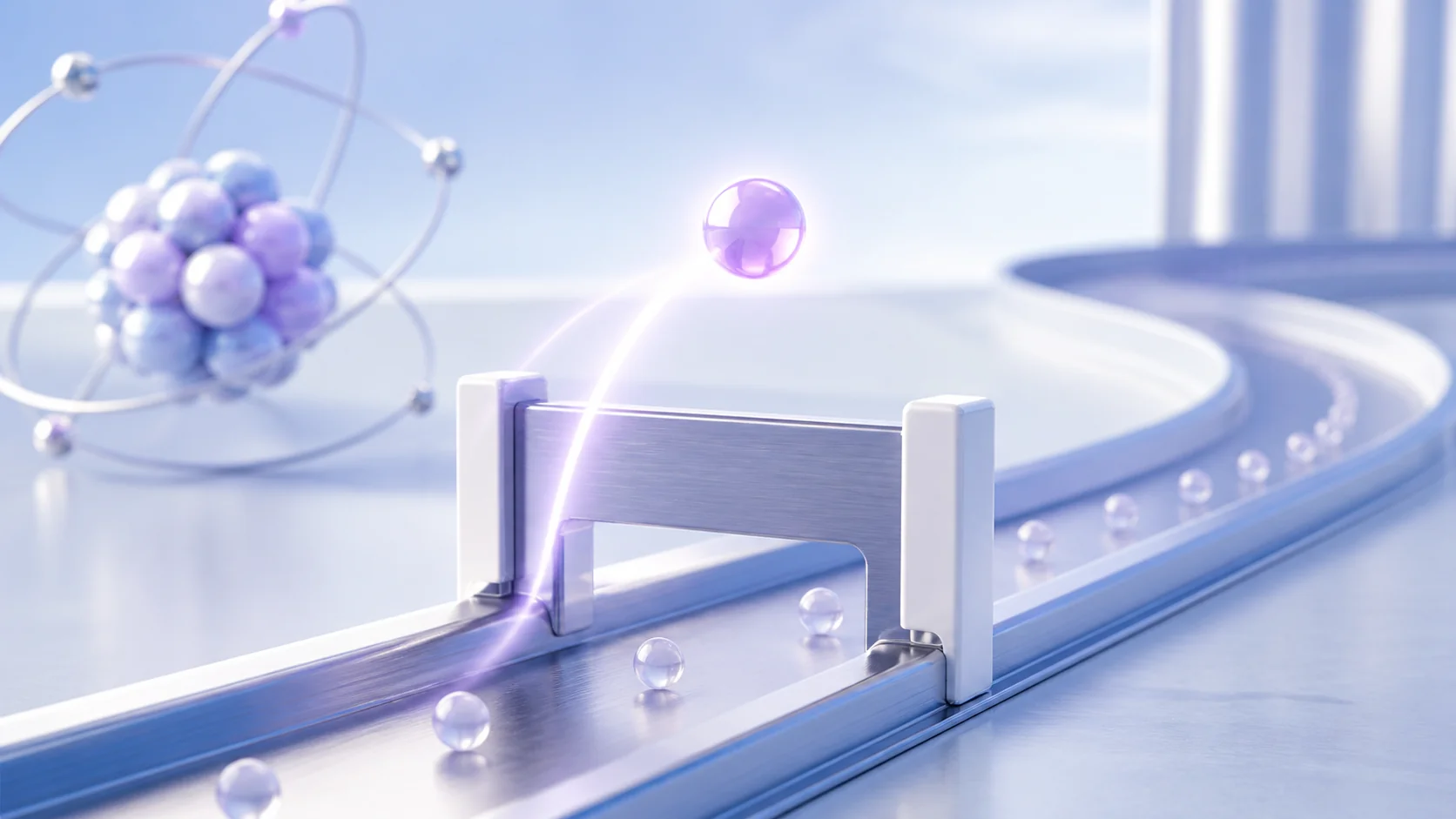
Clear the Hurdle to Escape — The Resonance Escape Probability
The resonance escape probability p is the fraction of slowing-down neutrons that avoid capture in uranium-238 resonances and reach thermal energy, which is a different thing from not leaking out of the core.
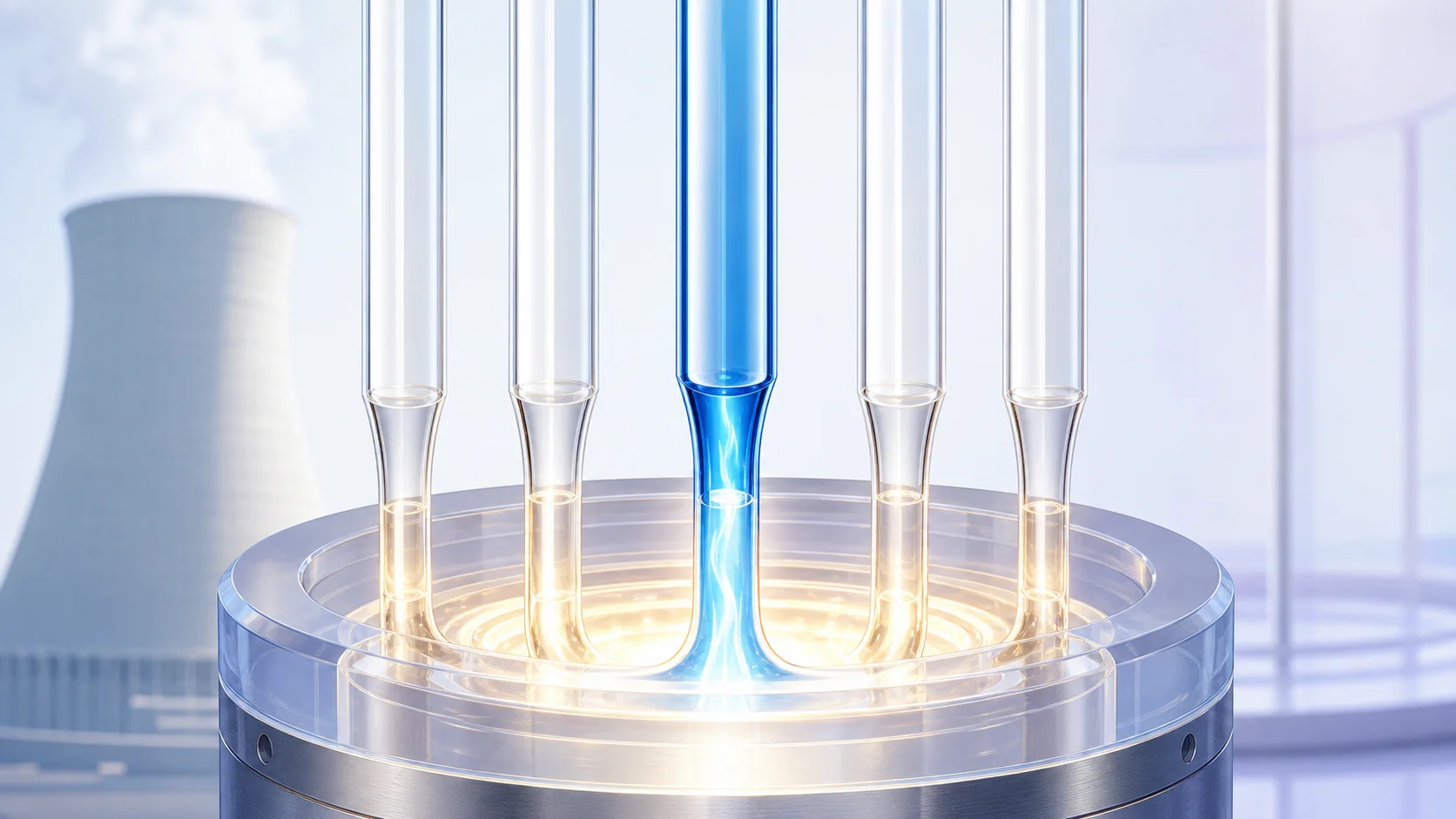
Five Straws in One Glass — The Thermal Utilization Factor Explained
The thermal utilization factor f is the fraction of thermal-neutron absorptions that happen in the fuel rather than in the moderator, coolant, structure or control material, and inserting control rods or adding boron lowers it to control reactivity.
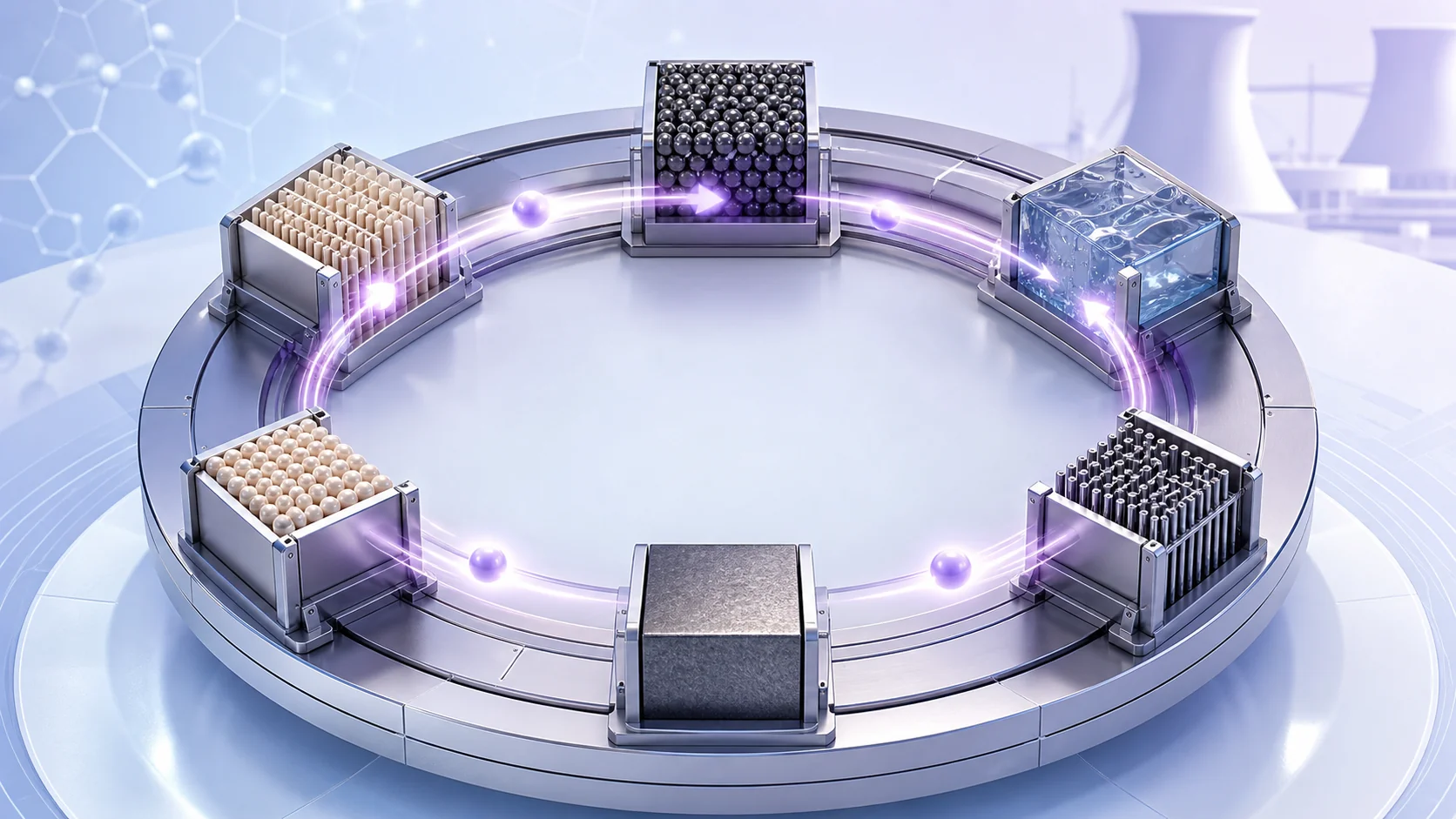
Six Baton Passes to the Finish Line — The Big Picture of the Six-Factor Formula
The six-factor formula writes k_eff as the product η·ε·p·f·P_FNL·P_TNL, so one weak gate lowers the whole value, and a product of exactly 1 means criticality.
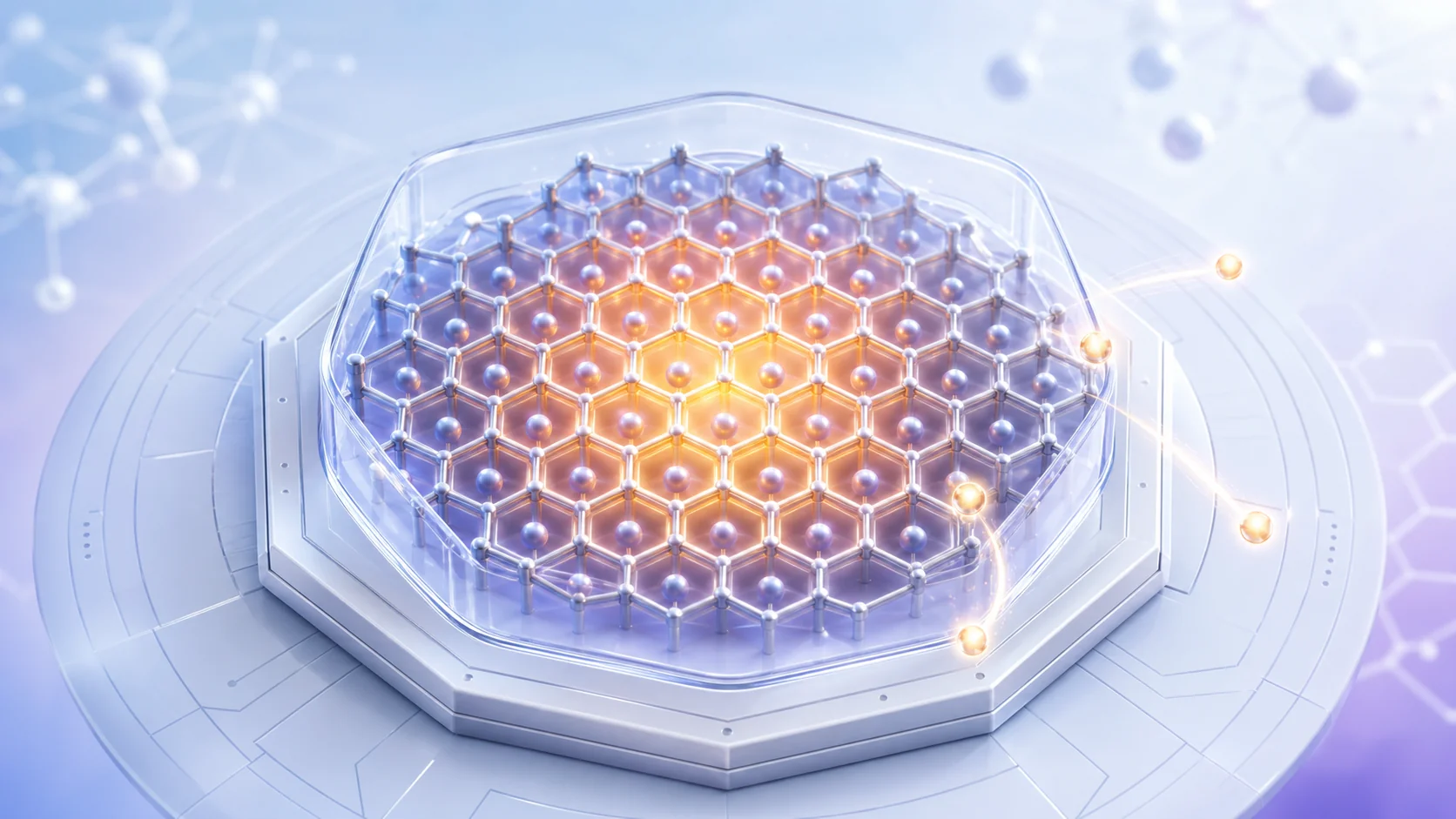
We Put Walls Around the Endless Room — What the Effective Multiplication Factor (k-effective) Really Tells Us
The effective multiplication factor k_eff = k∞ × P_NL accounts for neutrons leaking out of a finite core, and k_eff = 1 marks true criticality, not power or efficiency.
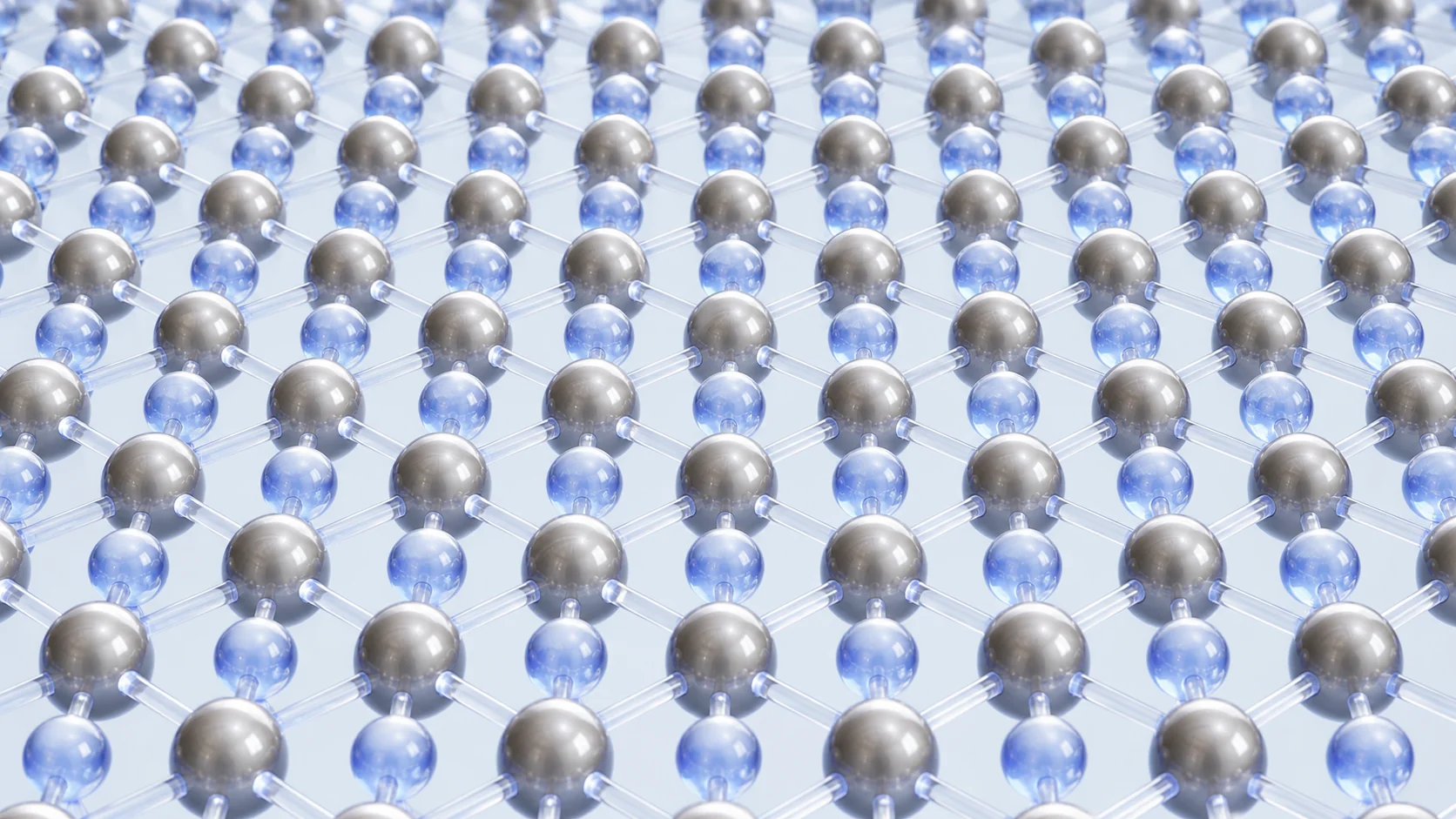
How Fast Do Neutrons Multiply in a Room With No Exit? — The Infinite Multiplication Factor, k-infinity
k-infinity is the generation-to-generation neutron multiplication in an imaginary infinite medium with no leakage, set only by fuel enrichment and the moderator mix.
Why Is the Window Seat Always Colder? — Why the Neutron Flux Distribution Isn't Flat
Neutron flux is highest at the core center and falls toward the edge because of leakage at the boundary, and reflectors, enrichment layout and control rods are used to flatten it.

A Drop of Ink That Spreads on Its Own — Neutron Current and the Flux Gradient
Neutron current is the net flow of neutrons from high to low flux, set in both direction and size by the local flux gradient through J = -D·∇φ.