Nuclear History archive — page 26

Scientists in Exile: Nazi Germany, 1933
In 1933 a new German law forced non-Aryan civil servants, including professors, into retirement; leading scientists left for Britain, Denmark and the US, helped by the new Academic Assistance Council.
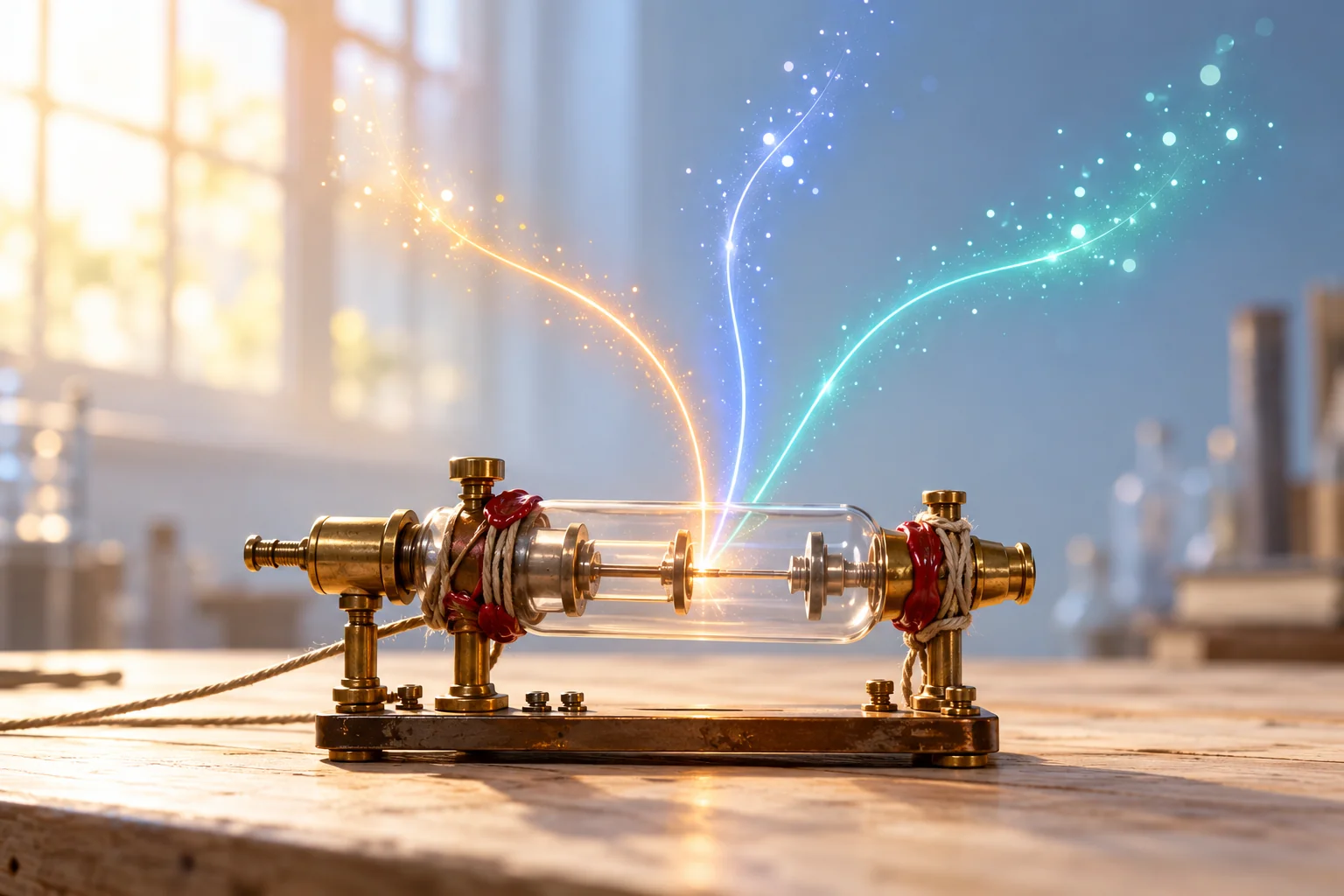
The Cavendish Laboratory's Miracle Year (1932)
Rutherford's Cavendish Laboratory, run on frugal sealing-wax-and-string habits, gave the world the neutron, lithium splitting and the positron's confirmation in fourteen months, while Berkeley's big machines pointed to the era of big science.
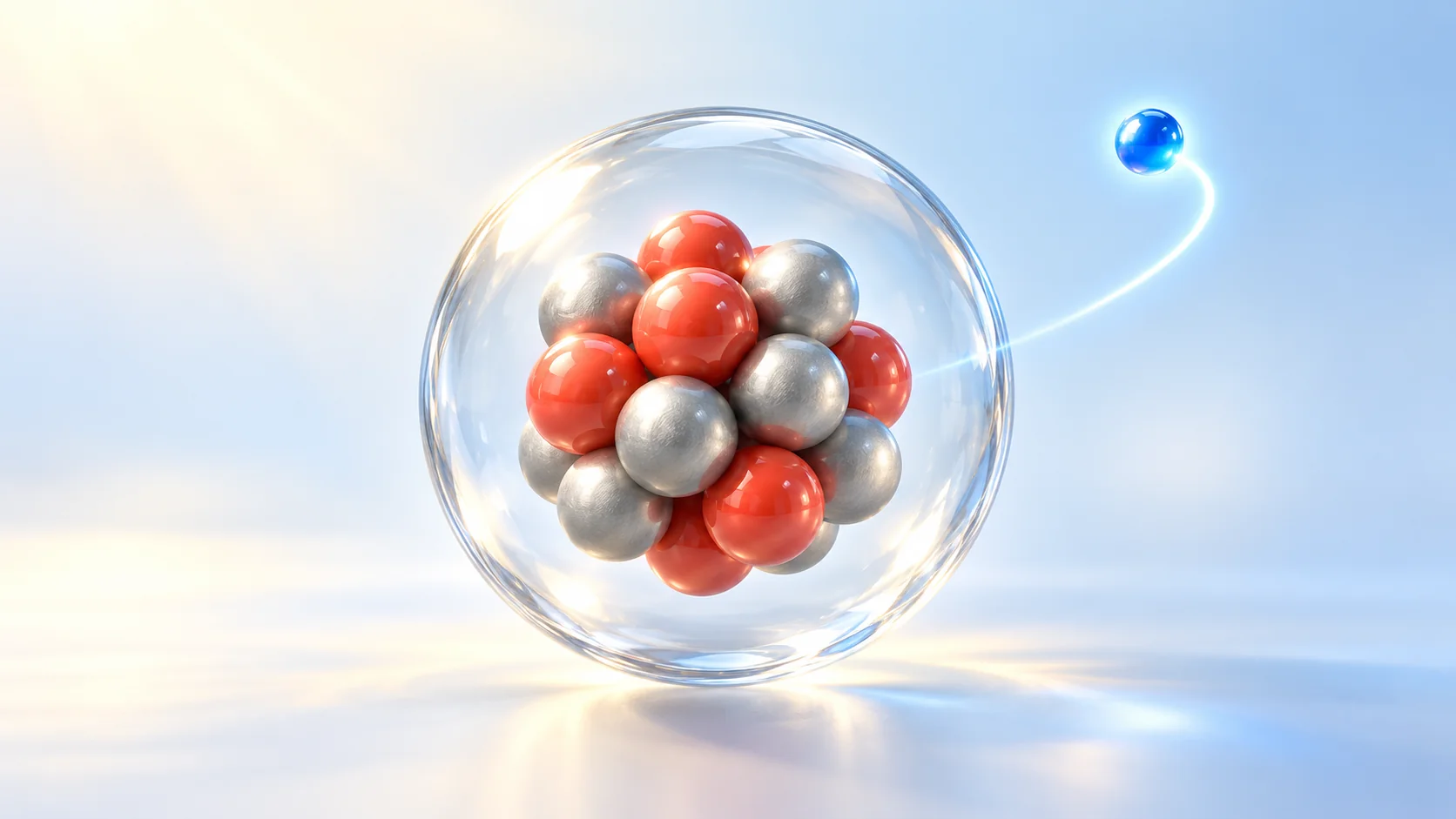
Ivanenko, Heisenberg and the Proton–Neutron Model (1932)
In 1932 Dmitri Ivanenko proposed in Nature that nuclei contain only protons and neutrons, and Werner Heisenberg gave the idea a quantum-mechanical theory with an exchange force, ending the puzzle of electrons inside the nucleus.
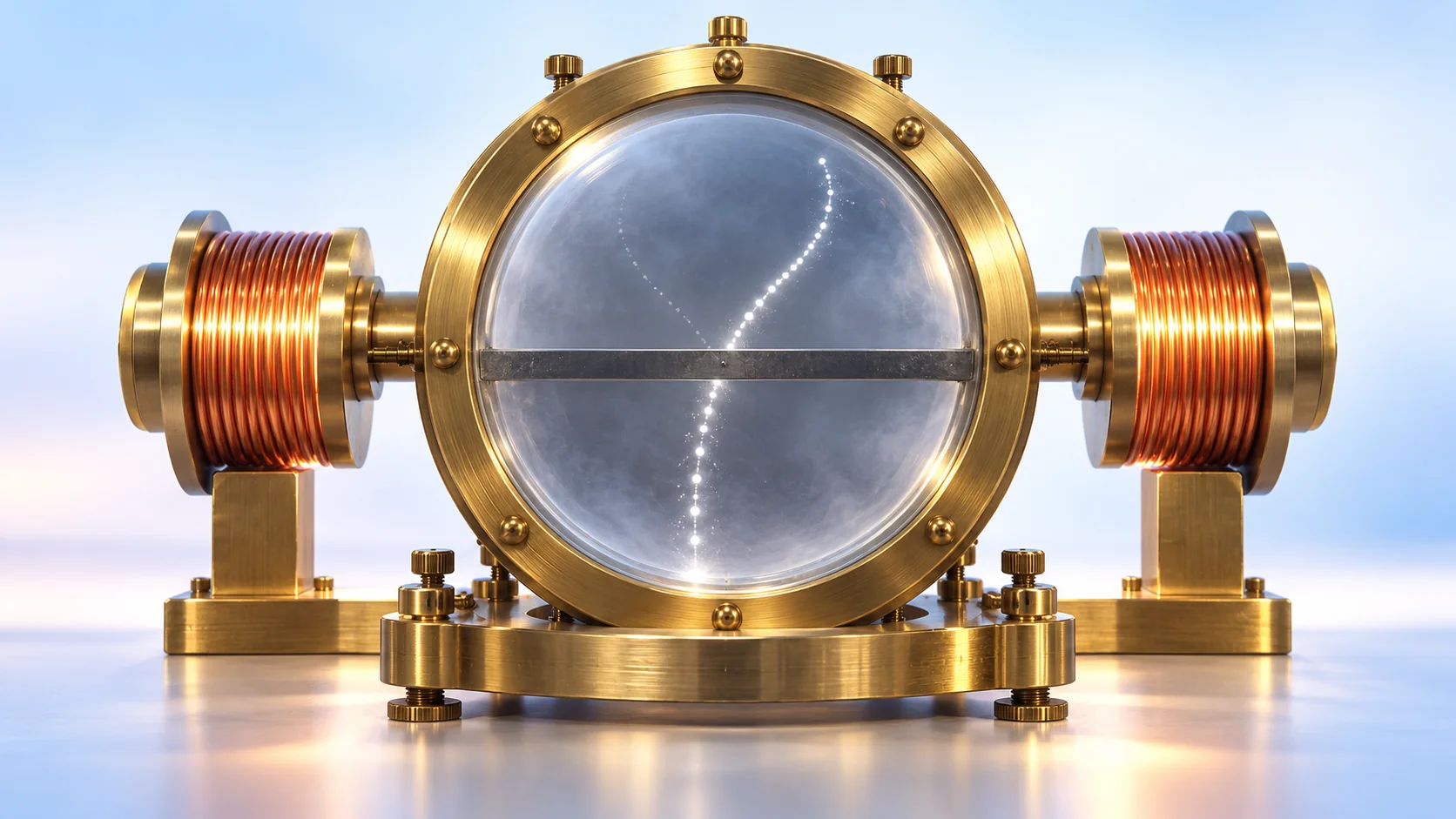
Anderson Discovers the Positron (1932)
In August 1932 Carl Anderson photographed a cosmic-ray particle crossing a lead plate in a magnetized cloud chamber and showed it was a light, positively charged particle, the positron, confirmed by Blackett and Occhialini in 1933 and rewarded with the 1936 Nobel Prize in Physics.
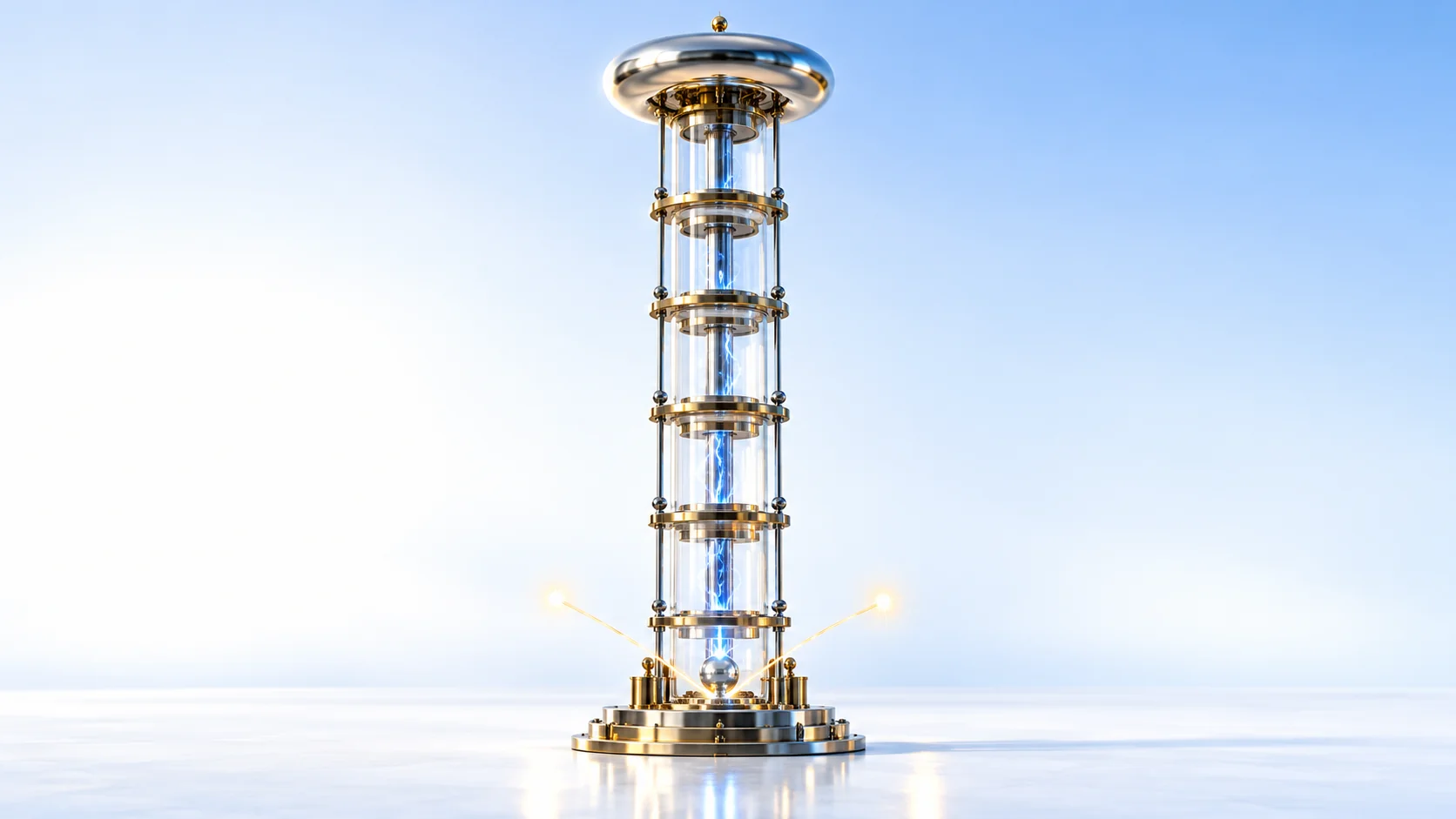
Cockcroft and Walton Split the Atom (1932)
On 14 April 1932 Cockcroft and Walton's voltage-multiplier accelerator produced the first nuclear reaction driven by artificially accelerated particles, splitting lithium-7 into two alpha particles and earning the 1951 Nobel Prize.
Chadwick Discovers the Neutron (1932)
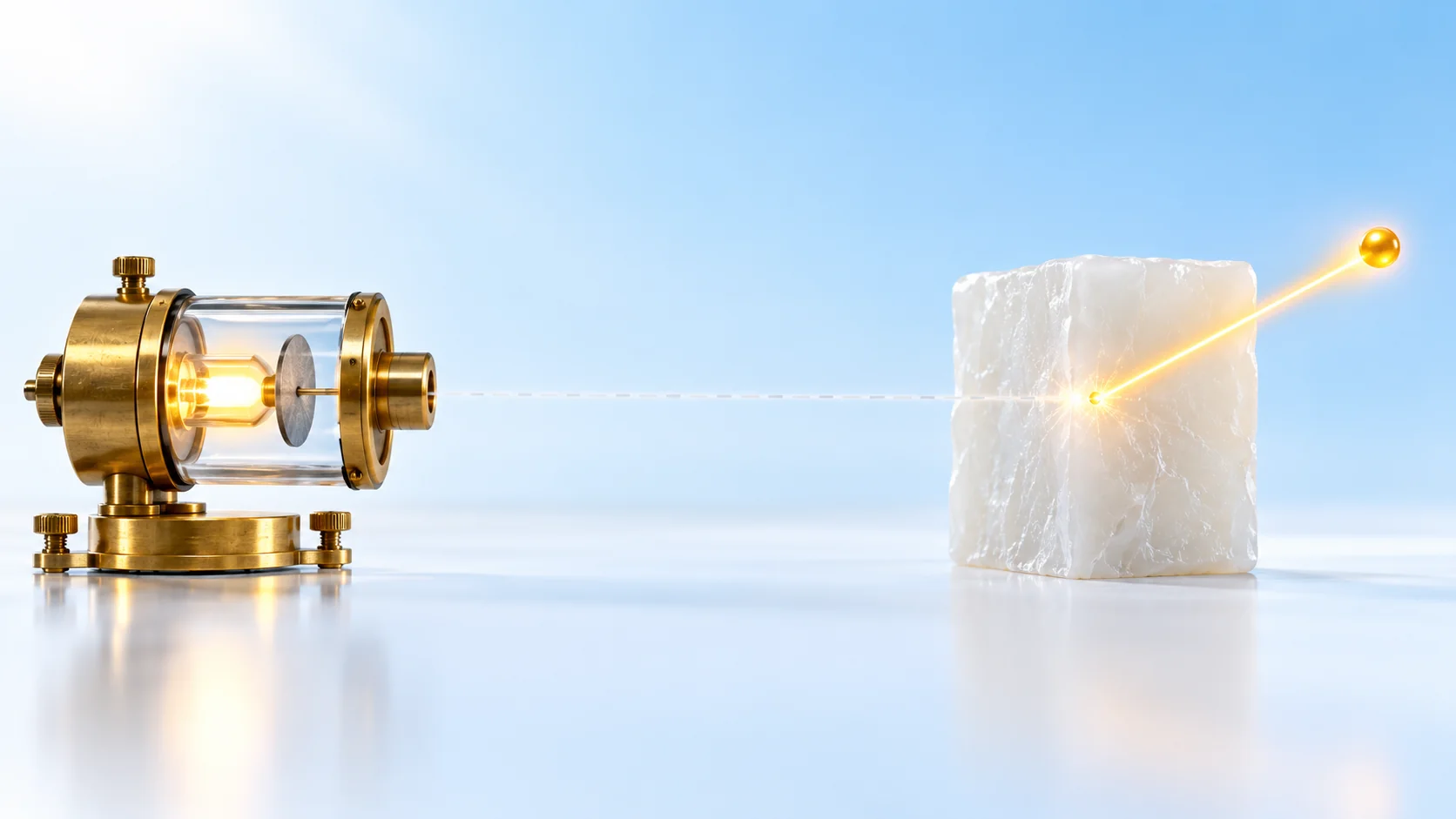
In February 1932 James Chadwick measured the nuclei knocked out by radiation from beryllium and showed it was a neutral particle about as heavy as a proton, announcing the neutron in Nature and winning the 1935 Nobel Prize in Physics.

Urey Discovers Deuterium (1931)
Around Thanksgiving 1931 Harold Urey found spectral proof of hydrogen of mass 2 in samples enriched at the National Bureau of Standards, published in January 1932 and rewarded with the 1934 Nobel Prize in Chemistry.
Lawrence's Cyclotron (1931)
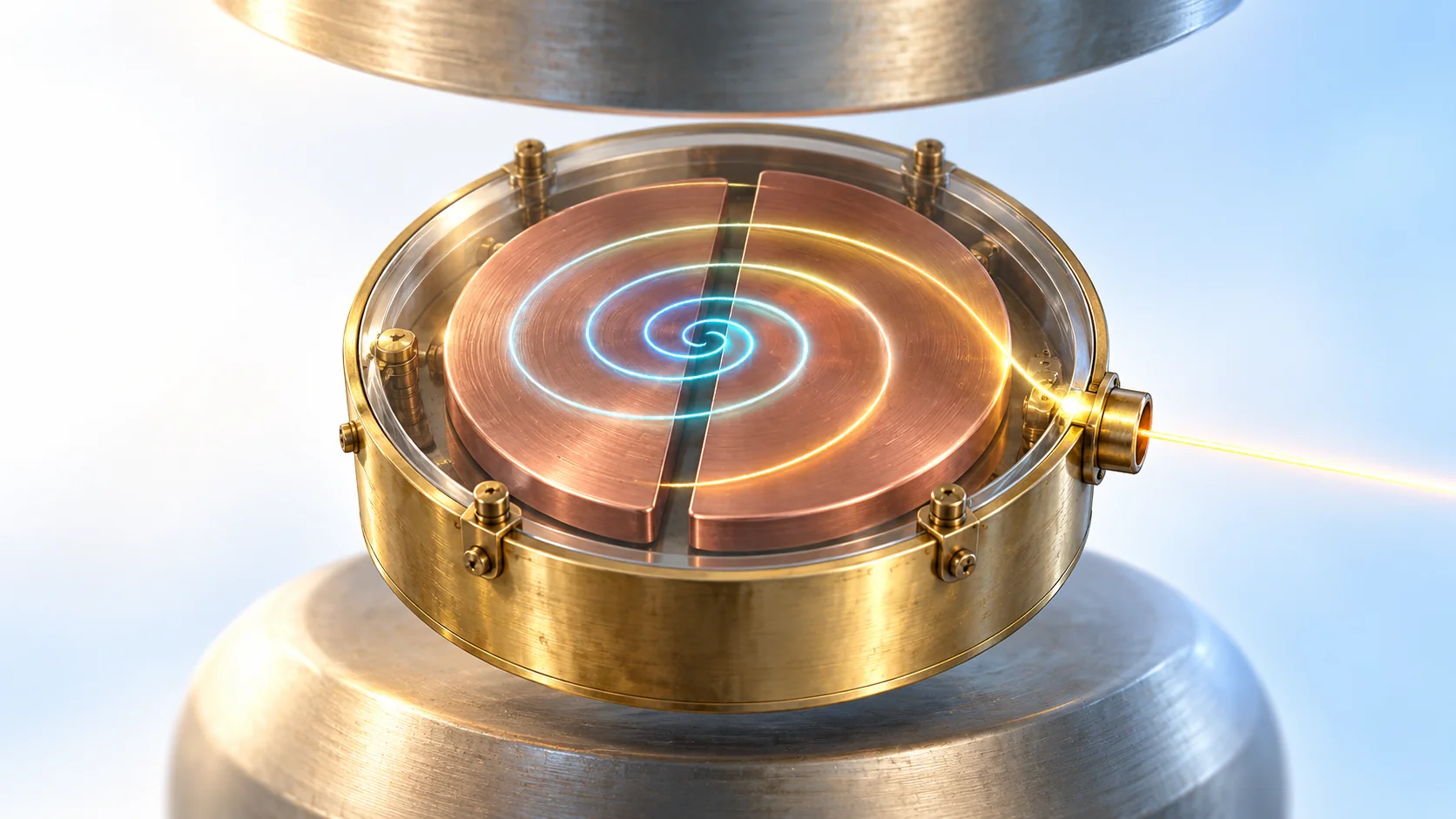
In January 1931 a 4.5-inch cyclotron at Berkeley reached 80 keV with under 2,000 volts, and an 11-inch machine passed 1 MeV, reported by telegram on 3 August 1931 and recorded at 1.22 MeV on 9 January 1932.
Bothe and Becker's Penetrating Radiation (1930)
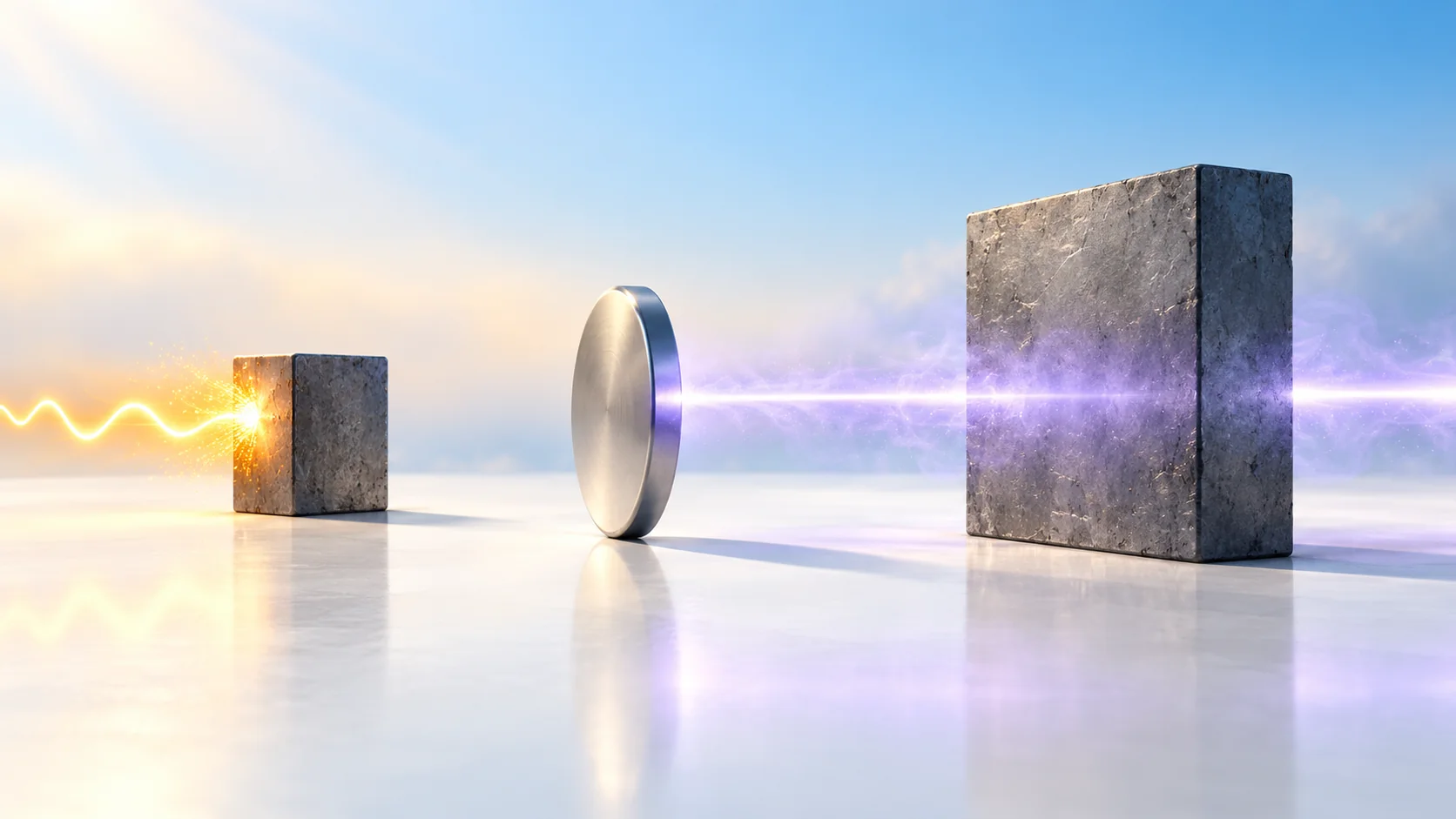
In 1930 Bothe and Becker reported a highly penetrating radiation from beryllium hit by alpha rays; in January 1932 the Joliot-Curies showed it knocked protons out of paraffin, a result that only a new neutral particle, the neutron, could explain.

Pauli's Neutrino Hypothesis (1930)
On 4 December 1930 Wolfgang Pauli proposed, in a letter to a meeting in Tübingen, a light neutral particle that shares the energy of beta decay with the electron; Fermi named it the neutrino and it was detected at a reactor in 1956.