Nuclear History archive — page 5
The H-Bomb Debate and the GAC Report
On 30 October 1949 the AEC's General Advisory Committee unanimously opposed an all-out effort on the hydrogen bomb, its majority calling it a possible weapon of genocide and Fermi and Rabi an evil thing in any light, before Truman ordered the work on 31 January 1950.
RDS-1: The Soviet Bomb Ends the Monopoly
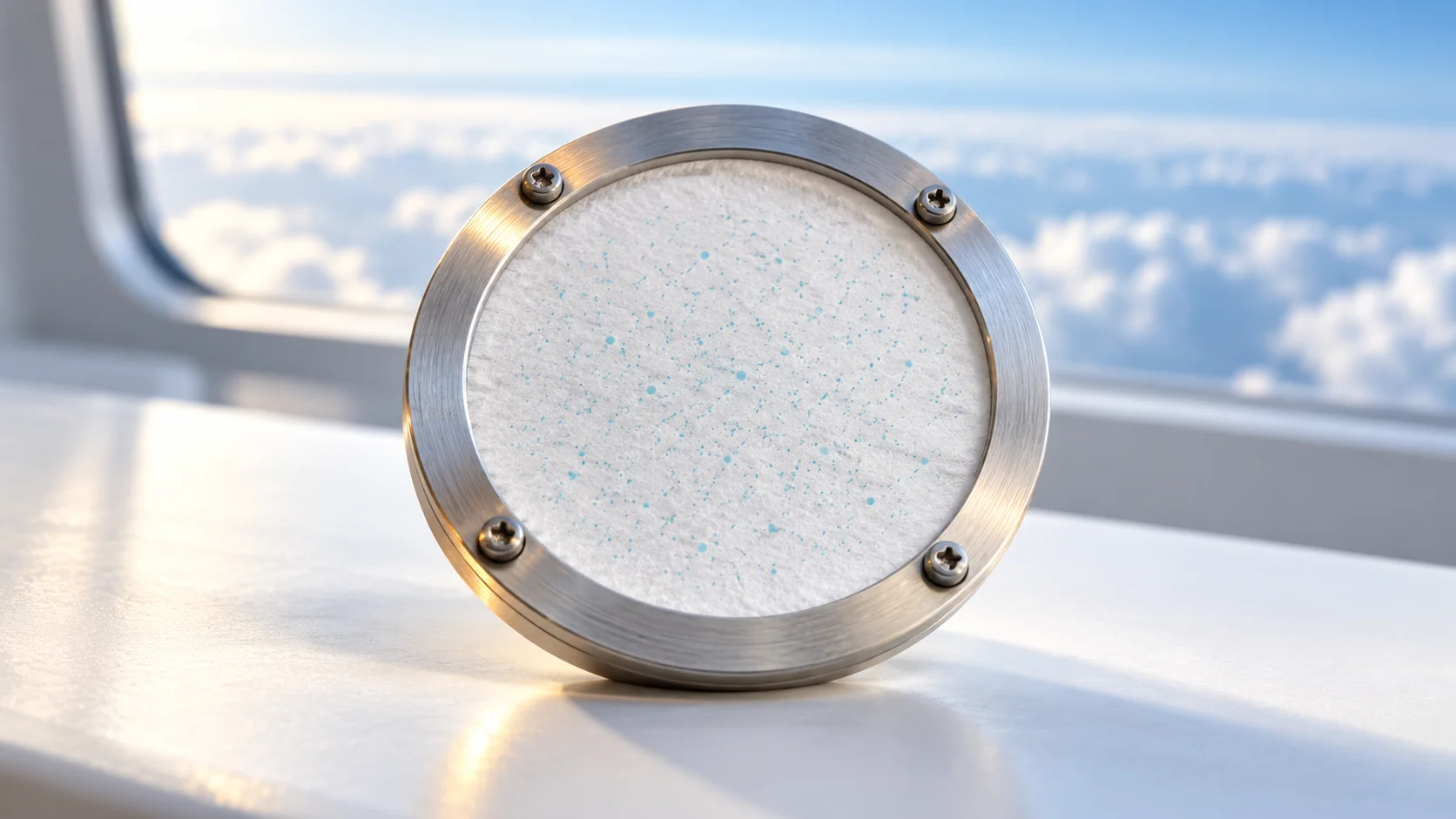
The Soviet Union exploded RDS-1, a roughly 22-kiloton plutonium implosion device, at Semipalatinsk on 29 August 1949; a U.S. WB-29 filter caught the debris on 3 September and Truman announced it on 23 September.

The Soviet F-1 Reactor
On 25 December 1946 the Soviet F-1 reactor, about 400 t of graphite and 50 t of uranium metal stacked in a 10 m pit in Moscow, became the first reactor in Europe and Asia to go critical, paving the way for the 1948 production reactor A.

The 1946 Radioisotope Distribution Program
On 2 August 1946 Oak Ridge sent its first official shipment of a reactor-made radioisotope, starting a program that supplied tracers for medicine and research at home and abroad and passed 175,000 shipments by 1962.

The First National Laboratories
Argonne opened as the first U.S. national laboratory on 1 July 1946, Brookhaven followed in 1947 under nine universities, and Clinton Laboratories survived a 1947 crisis to become Oak Ridge National Laboratory in 1948, setting the GOCO model still used by the DOE's 17 labs.

Operation Crossroads at Bikini
Operation Crossroads in July 1946 tested two 23-kiloton bombs against a target fleet at Bikini Atoll; the underwater Baker shot showed that radioactive contamination outlasts the blast, and the relocated Bikinians never returned permanently.

The Baruch Plan
On 14 June 1946 Bernard Baruch proposed an international Atomic Development Authority with penalties and no veto; the Soviet Union answered with a ban first, and the UN Atomic Energy Commission deadlocked until its dissolution in 1952.
The Acheson–Lilienthal Report
The Acheson–Lilienthal Report of 16 March 1946 proposed an international Atomic Development Authority to own uranium mines, enrichment and plutonium plants while licensing safe uses, a gradual plan reshaped by Baruch and never adopted.

Birth of the Atomic Energy Commission
The U.S. Atomic Energy Commission took over the Manhattan Project on 1 January 1947, was confirmed by the Senate only on 9 April, and for 28 years both built and regulated atomic energy until the 1974 split into the NRC and ERDA.

The McMahon Act of 1946
Signed by Truman on 1 August 1946 after Senate (unanimous) and House (265 to 79) votes, the McMahon Act replaced the Army-drafted May–Johnson bill with a five-member civilian Atomic Energy Commission, while keeping a military voice and congressional oversight.