Nuclear History archive — page 13

Ida Noddack's Unheeded Warning (1934)
In September 1934 Ida Noddack criticised Fermi's element 93 claim and suggested that heavy nuclei might break into large fragments; lacking evidence and clashing with accepted ideas, the suggestion went untested until barium was found in 1938.
Fermi Discovers the Slow-Neutron Effect (1934)
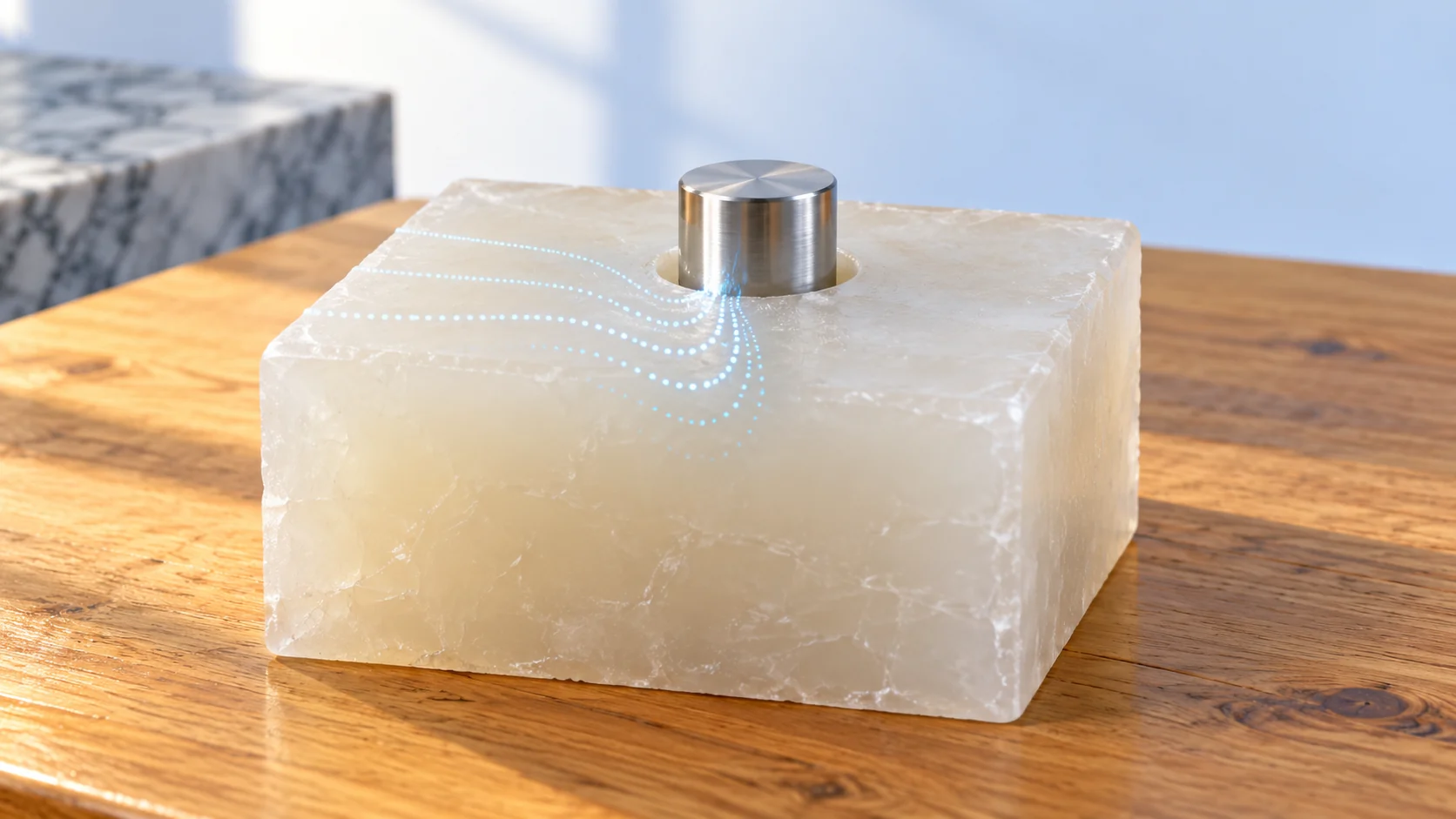
In October 1934 Fermi's team found that neutrons slowed by hydrogen in paraffin or water made silver far more radioactive, the origin of the reactor moderator and of a patent the US settled for $300,000 in 1953.
Fermi's Neutron Experiments (1934)
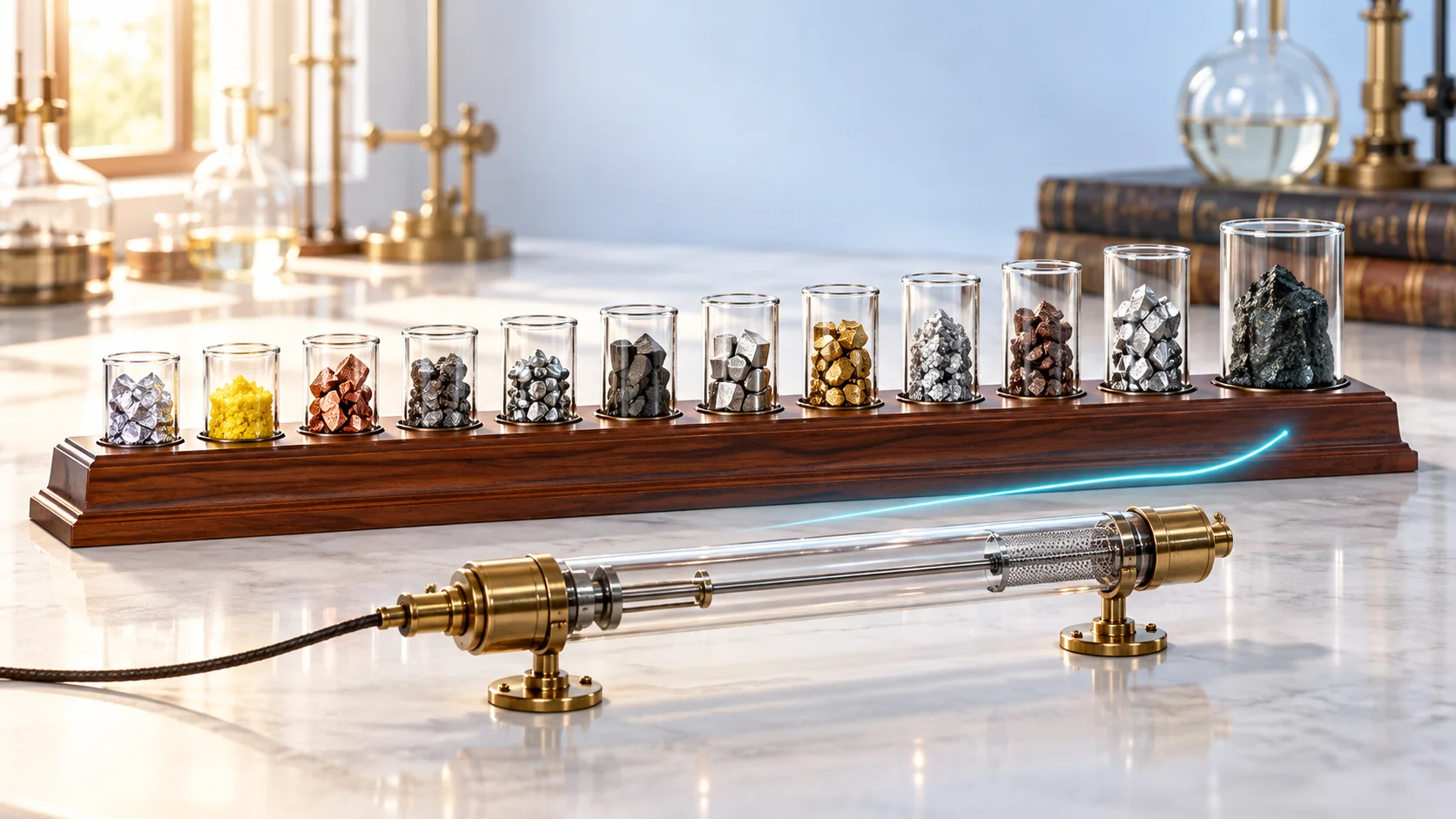
In 1934 Enrico Fermi and the Via Panisperna boys bombarded the periodic table with neutrons, activated 37 of 63 elements, and cautiously suggested that uranium had produced element 93.
The Joliot-Curies Create Artificial Radioactivity (1934)
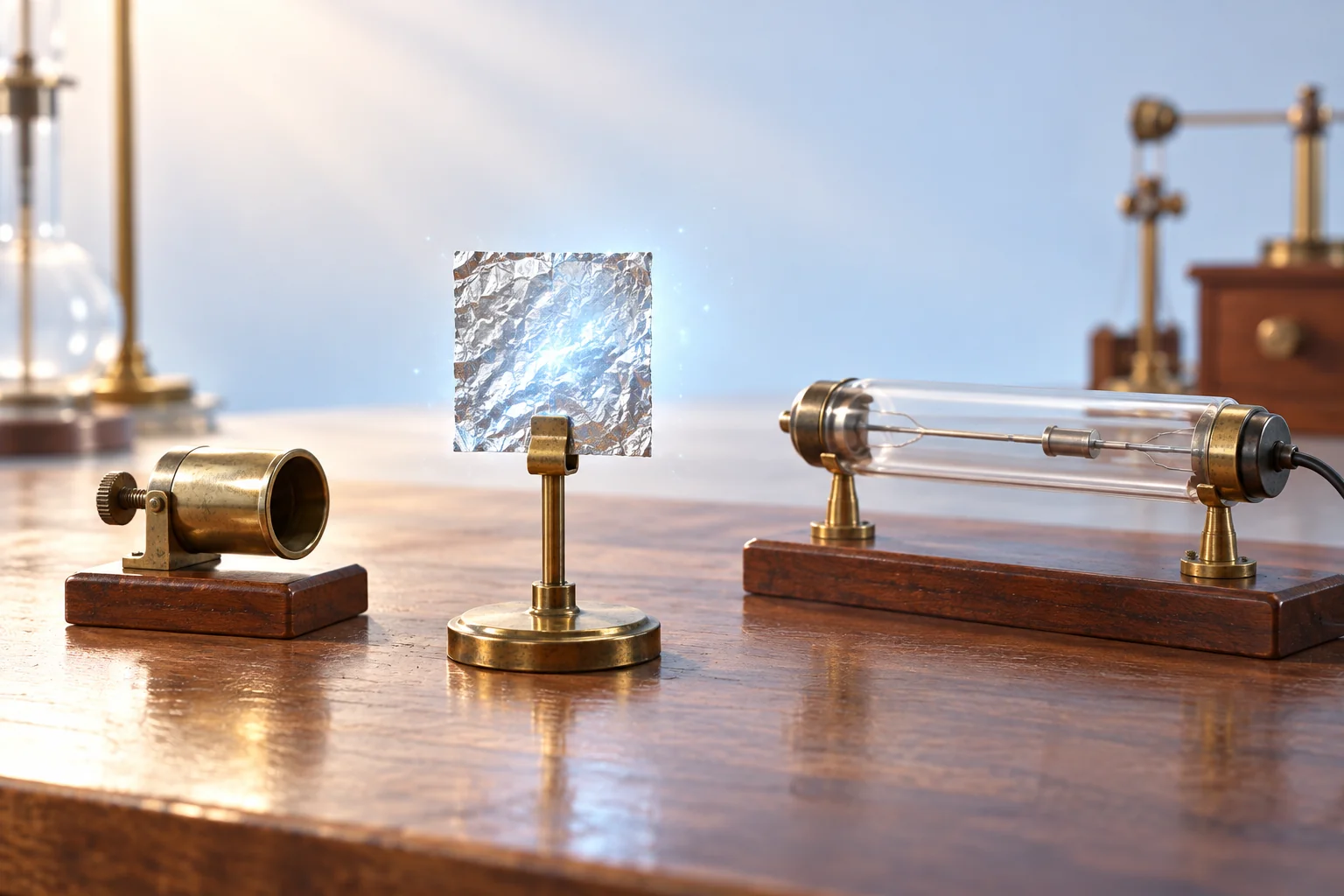
In January 1934 Irène and Frédéric Joliot-Curie turned aluminium into radioactive phosphorus-30 with alpha particles, showing for the first time that radioactivity could be made, and won the 1935 Nobel Prize in Chemistry.
Szilard's Chain Reaction and Secret Patent
In 1933 Leo Szilard imagined a self-sustaining neutron chain reaction, patented it with the notion of a critical size in 1934, and had the patent kept secret by the British Admiralty until 1949.

Scientists in Exile: Nazi Germany, 1933
In 1933 a new German law forced non-Aryan civil servants, including professors, into retirement; leading scientists left for Britain, Denmark and the US, helped by the new Academic Assistance Council.
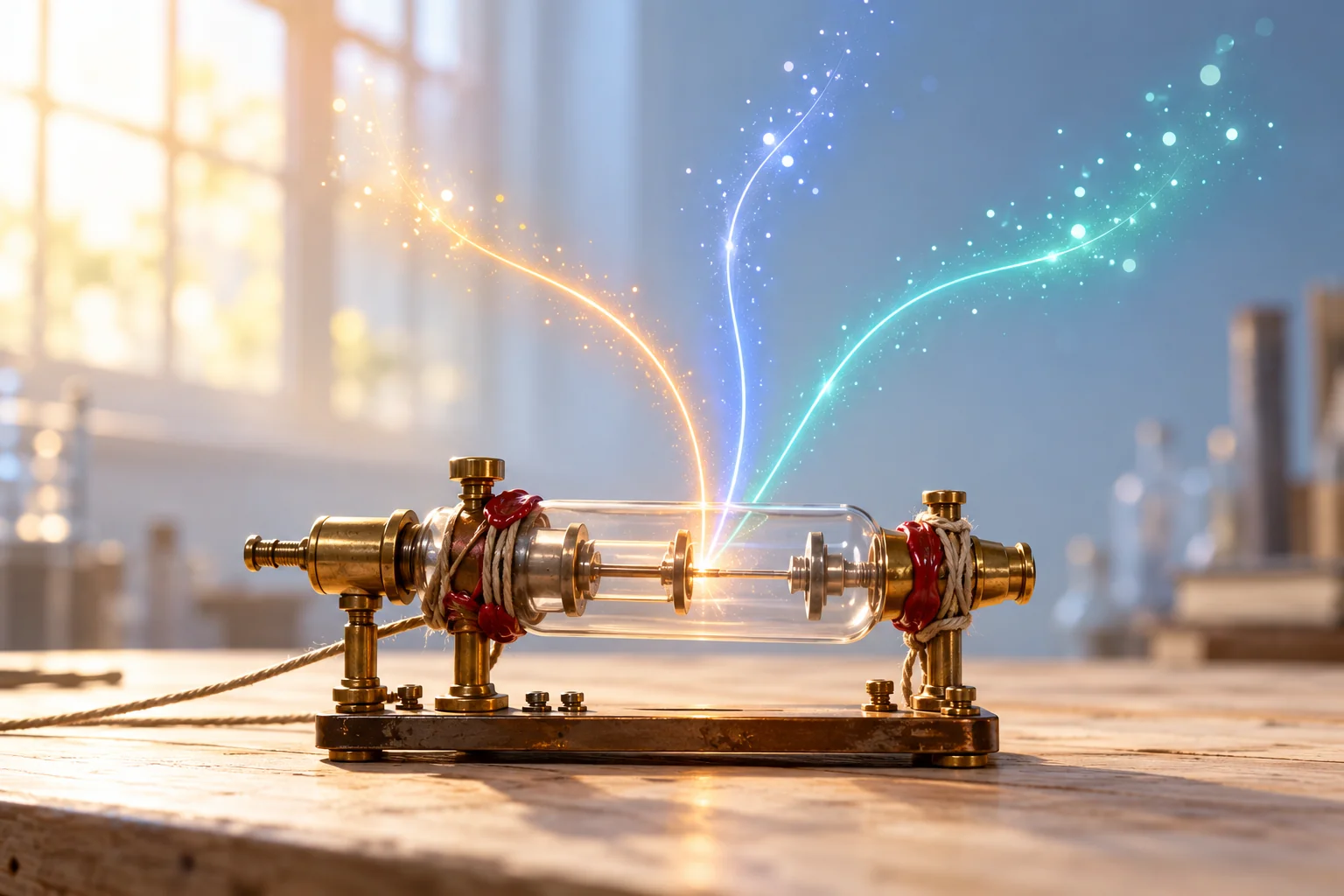
The Cavendish Laboratory's Miracle Year (1932)
Rutherford's Cavendish Laboratory, run on frugal sealing-wax-and-string habits, gave the world the neutron, lithium splitting and the positron's confirmation in fourteen months, while Berkeley's big machines pointed to the era of big science.
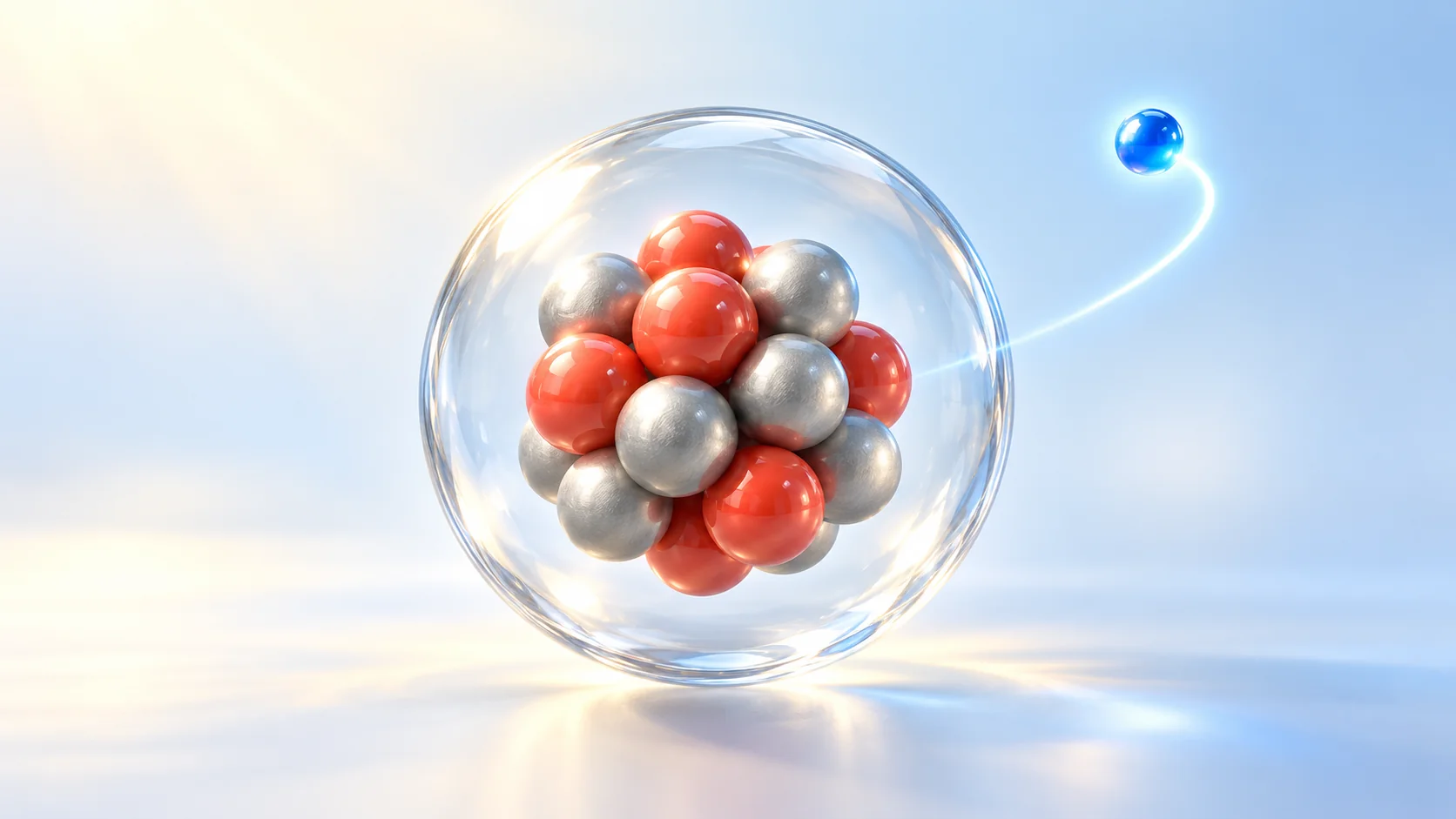
Ivanenko, Heisenberg and the Proton–Neutron Model (1932)
In 1932 Dmitri Ivanenko proposed in Nature that nuclei contain only protons and neutrons, and Werner Heisenberg gave the idea a quantum-mechanical theory with an exchange force, ending the puzzle of electrons inside the nucleus.
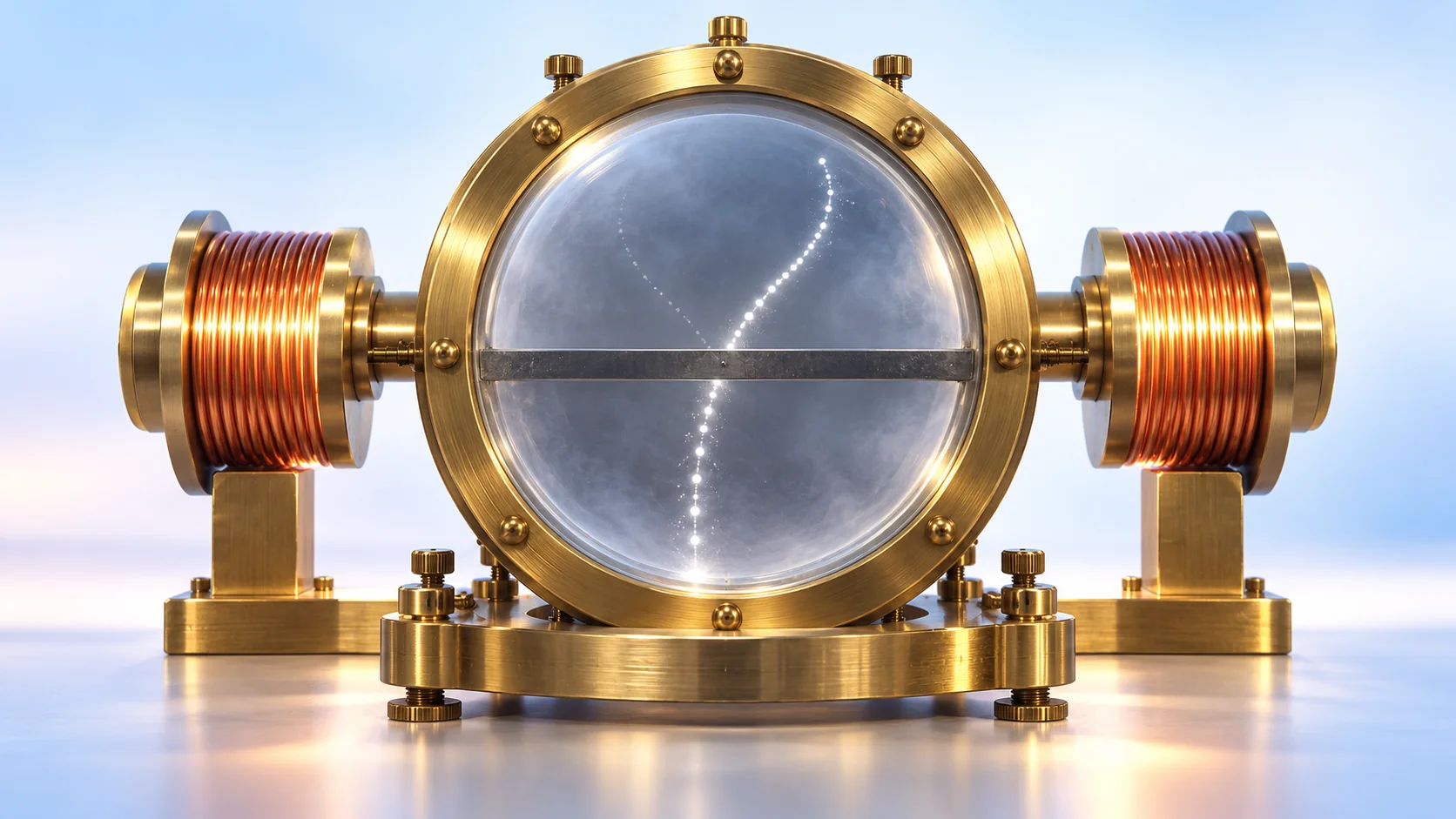
Anderson Discovers the Positron (1932)
In August 1932 Carl Anderson photographed a cosmic-ray particle crossing a lead plate in a magnetized cloud chamber and showed it was a light, positively charged particle, the positron, confirmed by Blackett and Occhialini in 1933 and rewarded with the 1936 Nobel Prize in Physics.
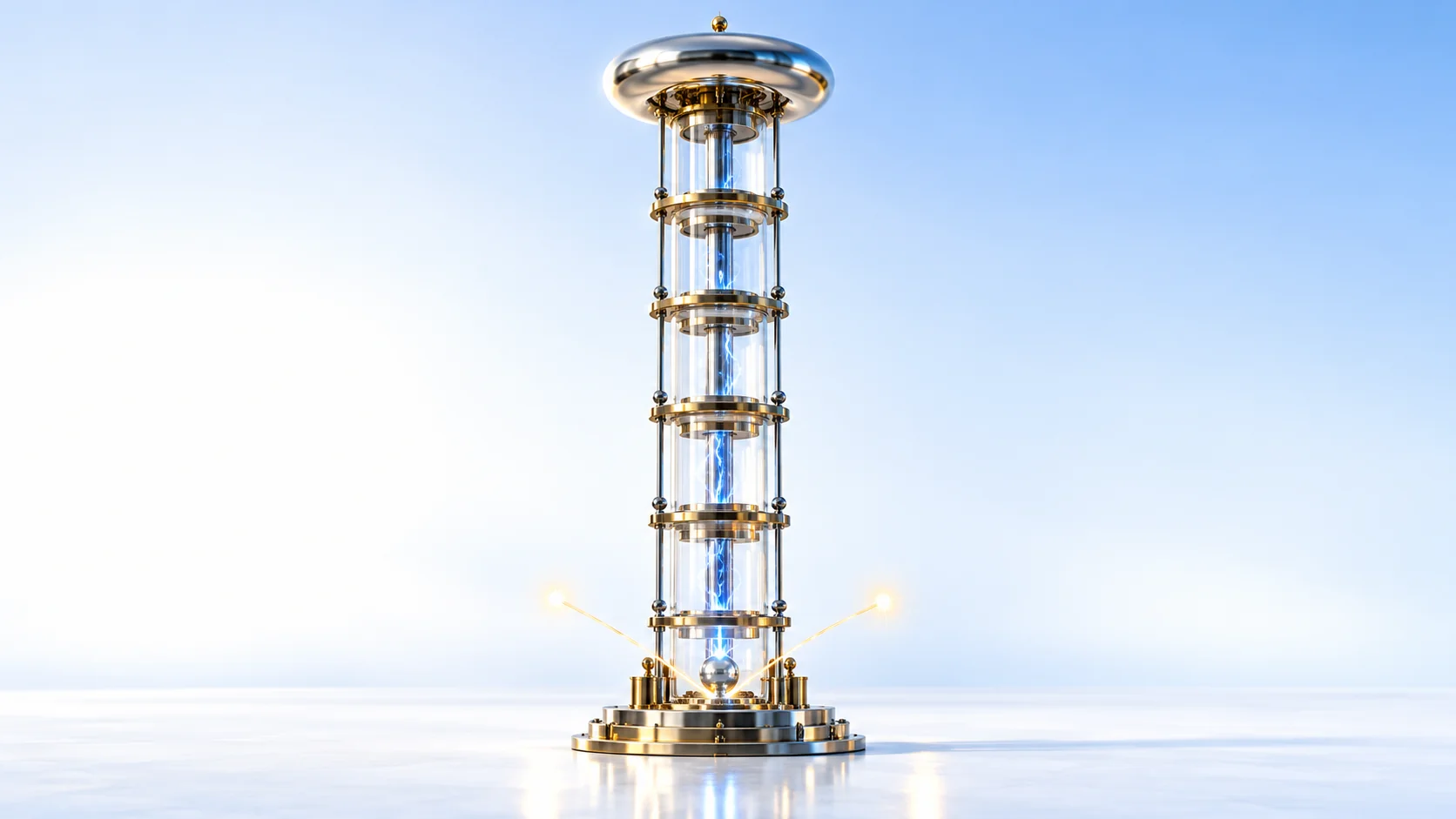
Cockcroft and Walton Split the Atom (1932)
On 14 April 1932 Cockcroft and Walton's voltage-multiplier accelerator produced the first nuclear reaction driven by artificially accelerated particles, splitting lithium-7 into two alpha particles and earning the 1951 Nobel Prize.