Nuclear History archive — page 9
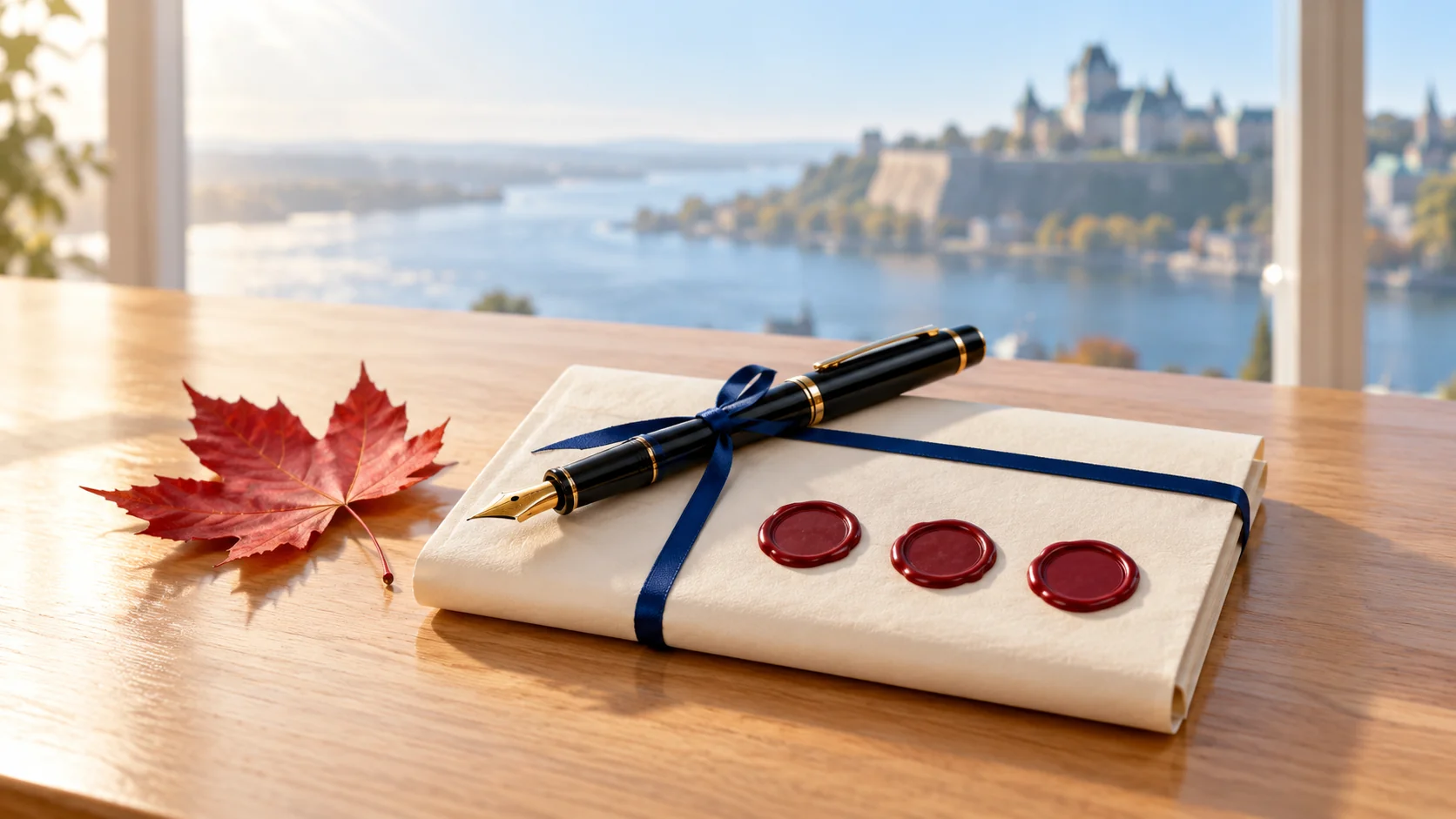
The Quebec Agreement (1943)
On 19 August 1943 Roosevelt and Churchill signed the Quebec Agreement, pledging never to use the bomb against each other, to require mutual consent for its use and for sharing secrets, and to run the joint effort through a Combined Policy Committee.

The Vemork Heavy Water Sabotage (1942–1944)
From Operation Freshman's 41 deaths to Gunnerside's bloodless raid, the November 1943 bombing and the ferry Hydro sinking, five moves against Norway's heavy water plant.
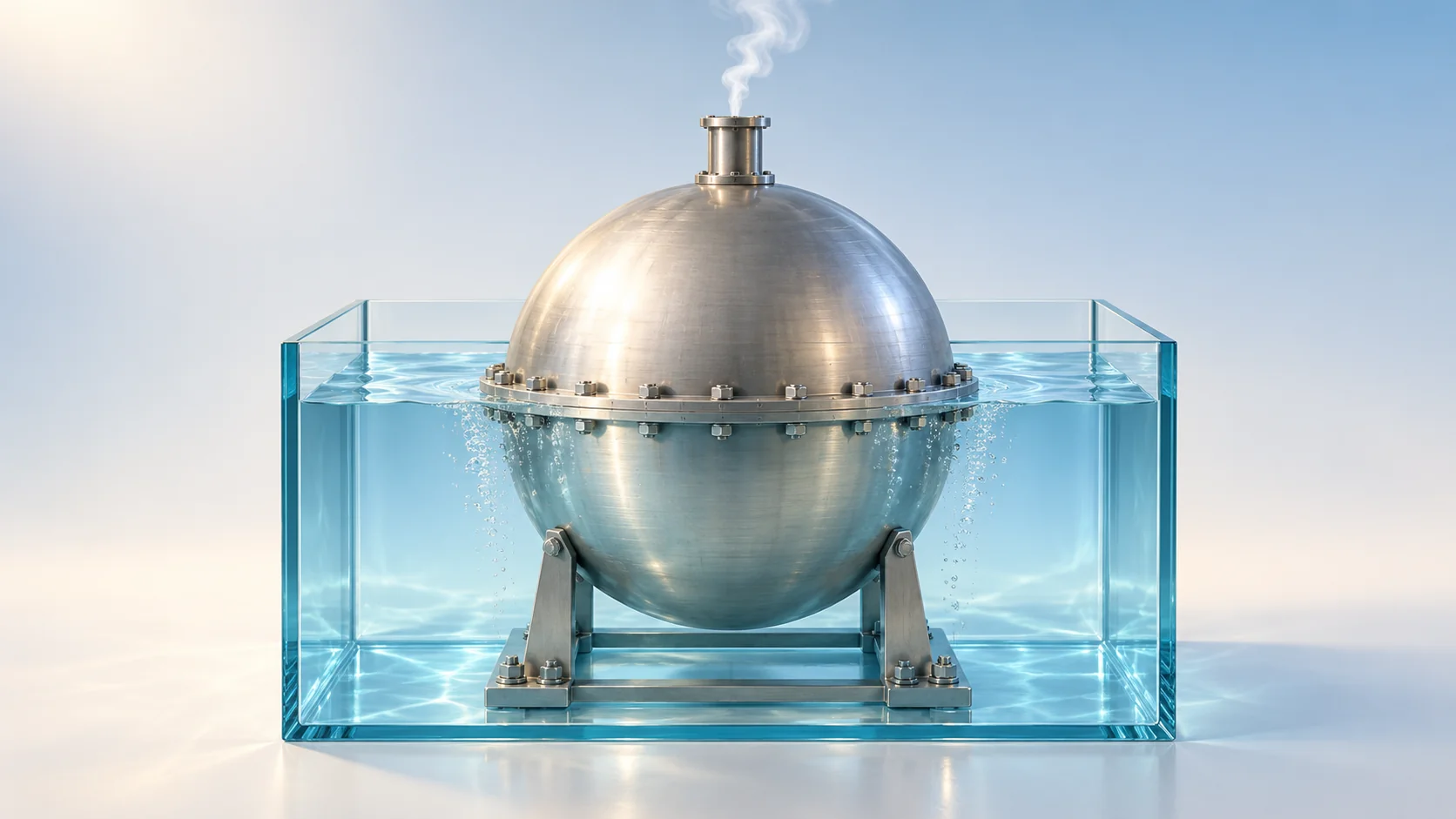
Leipzig L-IV Reactor Experiment (1942)
In 1942 Robert and Klara Döpel and Werner Heisenberg measured a small net neutron gain in the L-IV sphere, which ignited and burst on 23 June; a faulty graphite measurement and scarce heavy water kept German reactors from going critical.

"The Italian Navigator Has Landed": the People of 2 December 1942
After Chicago Pile-1 went critical on 2 December 1942, Compton phoned Conant in improvised code, Wigner opened a Chianti for a silent toast, and Szilard warned of a black day for mankind.

Chicago Pile-1 Goes Critical (1942)
On 2 December 1942 Chicago Pile-1, about 400 tons of graphite with uranium lumps, reached k = 1.0006 at 3:25 p.m. and ran at about half a watt for 28 minutes, the first controlled chain reaction.

The 1942 Berkeley Summer Study and the "Super"
In summer 1942 Oppenheimer's "luminaries" at Berkeley concluded a fission bomb was feasible but needed about twice the material once estimated, discussed Teller's fusion Super, and judged atmospheric ignition extremely unlikely.
Why Groves Picked Oppenheimer (1942)
In October 1942 Leslie Groves settled on J. Robert Oppenheimer to direct the bomb laboratory despite concerns over his inexperience, politics and lack of a Nobel Prize, and on 16 November the two chose the Los Alamos Ranch School mesa as its site.
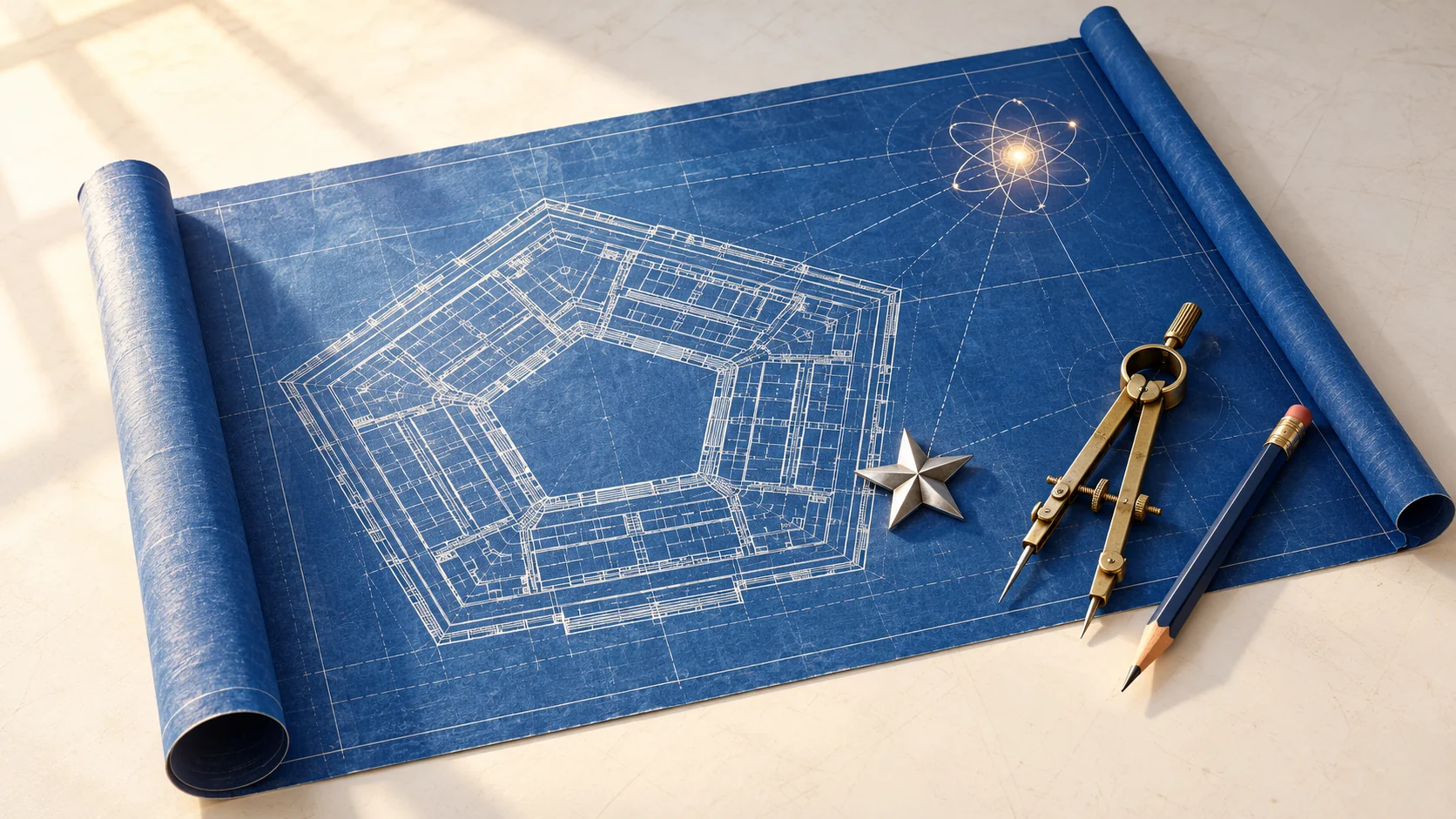
General Groves Takes Over the Manhattan Project (1942)
Appointed on 17 September 1942 and promoted to brigadier general six days later, Leslie Groves bought 1,250 tons of uranium ore, secured the Tennessee site and the top AAA priority, and brought in DuPont within weeks.
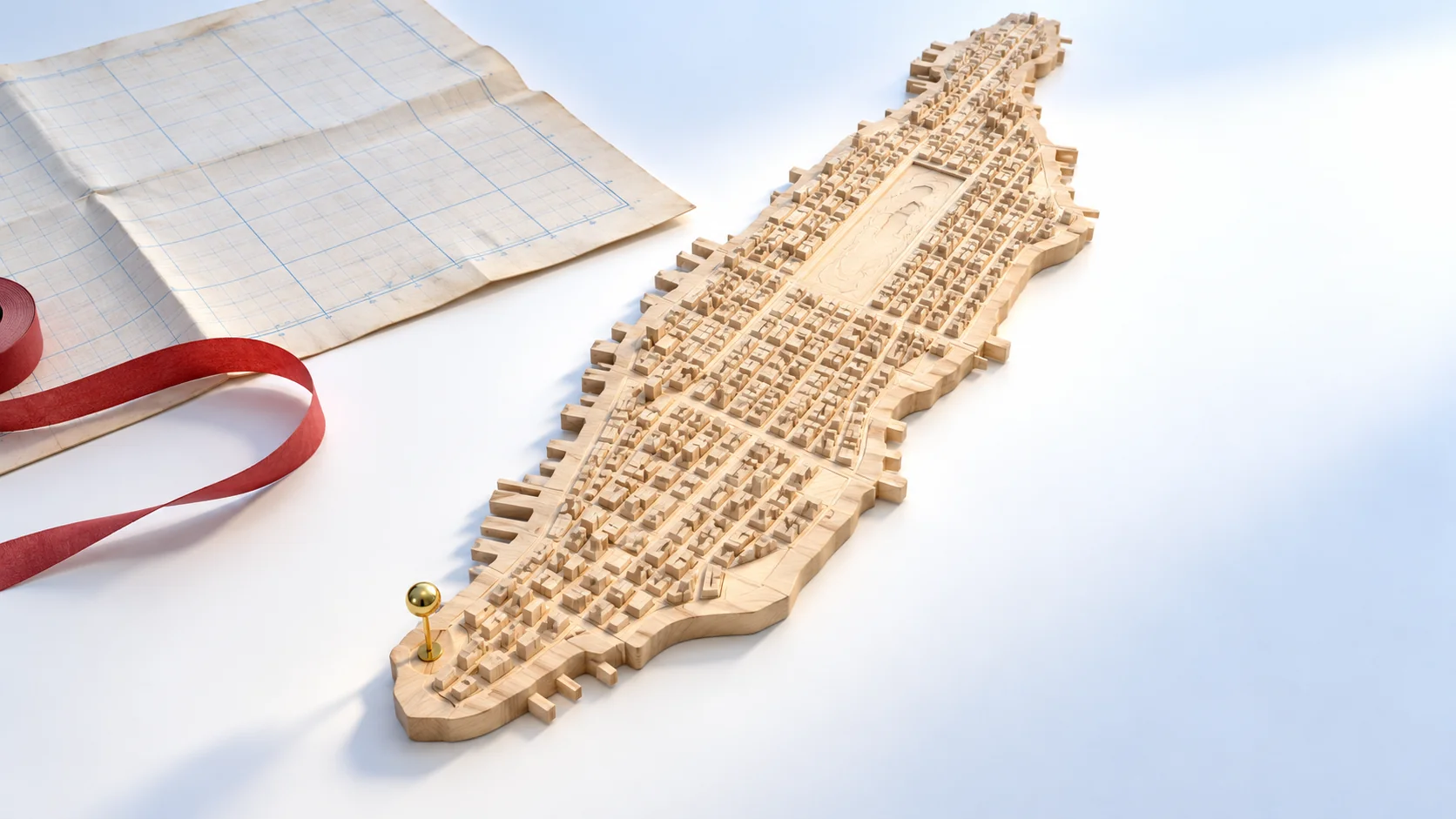
Why "Manhattan"? Creating the Manhattan Engineer District (1942)
In June 1942 Colonel James C. Marshall was told to form a special Army engineer district for the bomb project; on 13 August it became the Manhattan Engineer District, named after its first headquarters at 270 Broadway, New York.

The Birth of Chicago's Met Lab (1942)
Arthur Compton's January 1942 decision to centralise reactor and plutonium research in Chicago created the Metallurgical Laboratory, which grew from 153 to over 2,000 staff and became Argonne National Laboratory.