Nuclear History archive — page 2
Japan's Nuclear Ship Mutsu
On 1 September 1974 fast neutrons streamed through a gap in the shielding of Japan's nuclear ship Mutsu; fishermen blocked her return for fifty days, and she sailed again only in 1990 before becoming the research vessel Mirai.
NS Otto Hahn, Germany's Nuclear Cargo Ship
Launched in Kiel in 1964 and named after the chemist whose work revealed fission, the Otto Hahn sailed some 642,000 to 650,000 nautical miles on nuclear power before economics and port access ended her nuclear career in 1979.

NS Savannah, the First Nuclear Merchant Ship
Launched in 1959 and in service from 1962 to 1970, NS Savannah showed that a pressurized-water reactor could power a merchant ship, but liability rules, port access and cost kept nuclear merchant shipping from taking off.
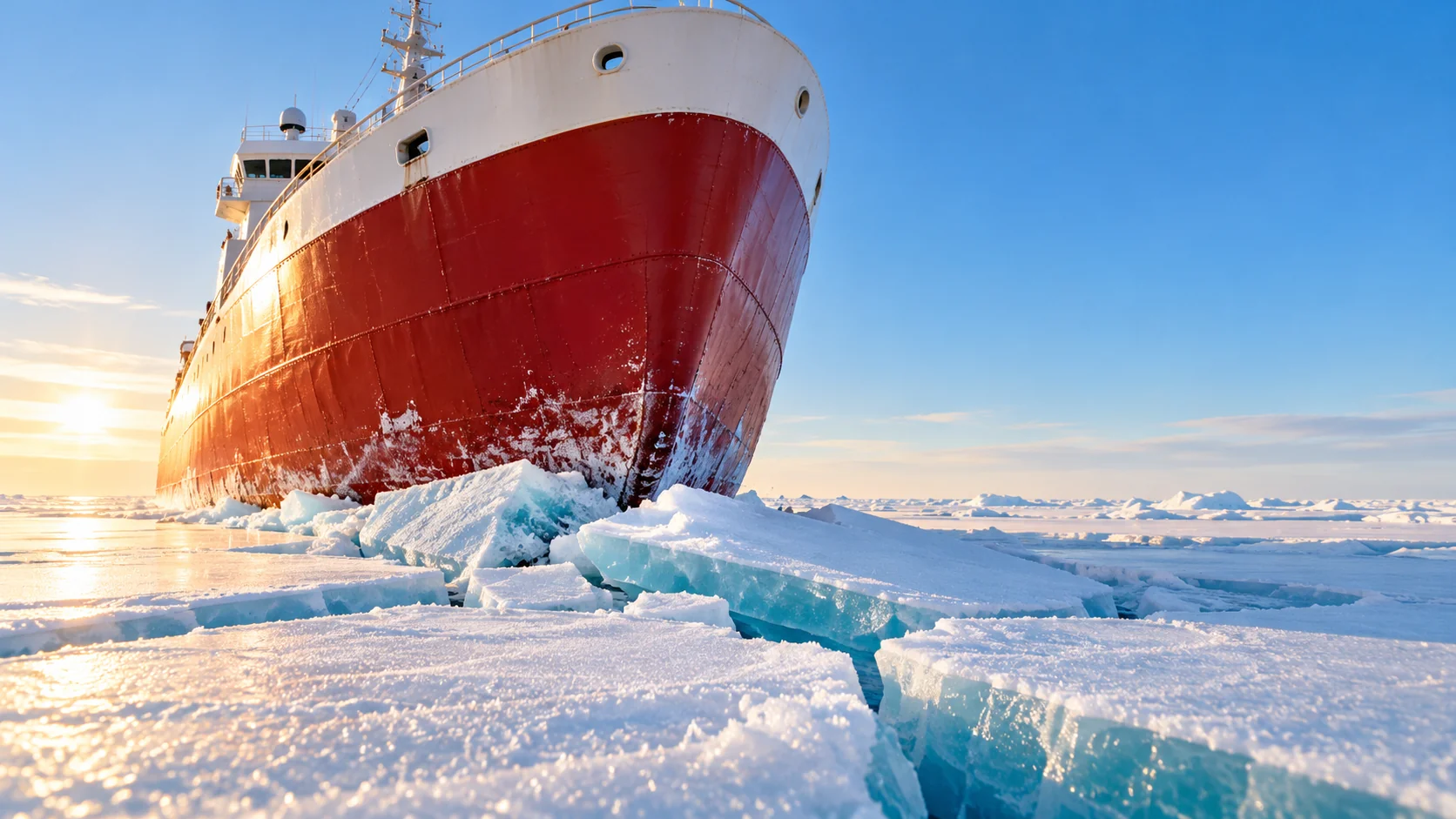
Lenin, the First Nuclear Icebreaker
The Soviet icebreaker Lenin, commissioned on 3 December 1959 with three OK-150 reactors, was the first nuclear-powered surface ship; after a 1965 accident her reactors were replaced and she worked the Arctic until 1989.
USS George Washington: The First SSBN (1959–1960)
Built from a hull laid down as an attack submarine, USS George Washington made the first submerged ballistic missile launch on 20 July 1960 and began the first deterrent patrol on 15 November 1960.
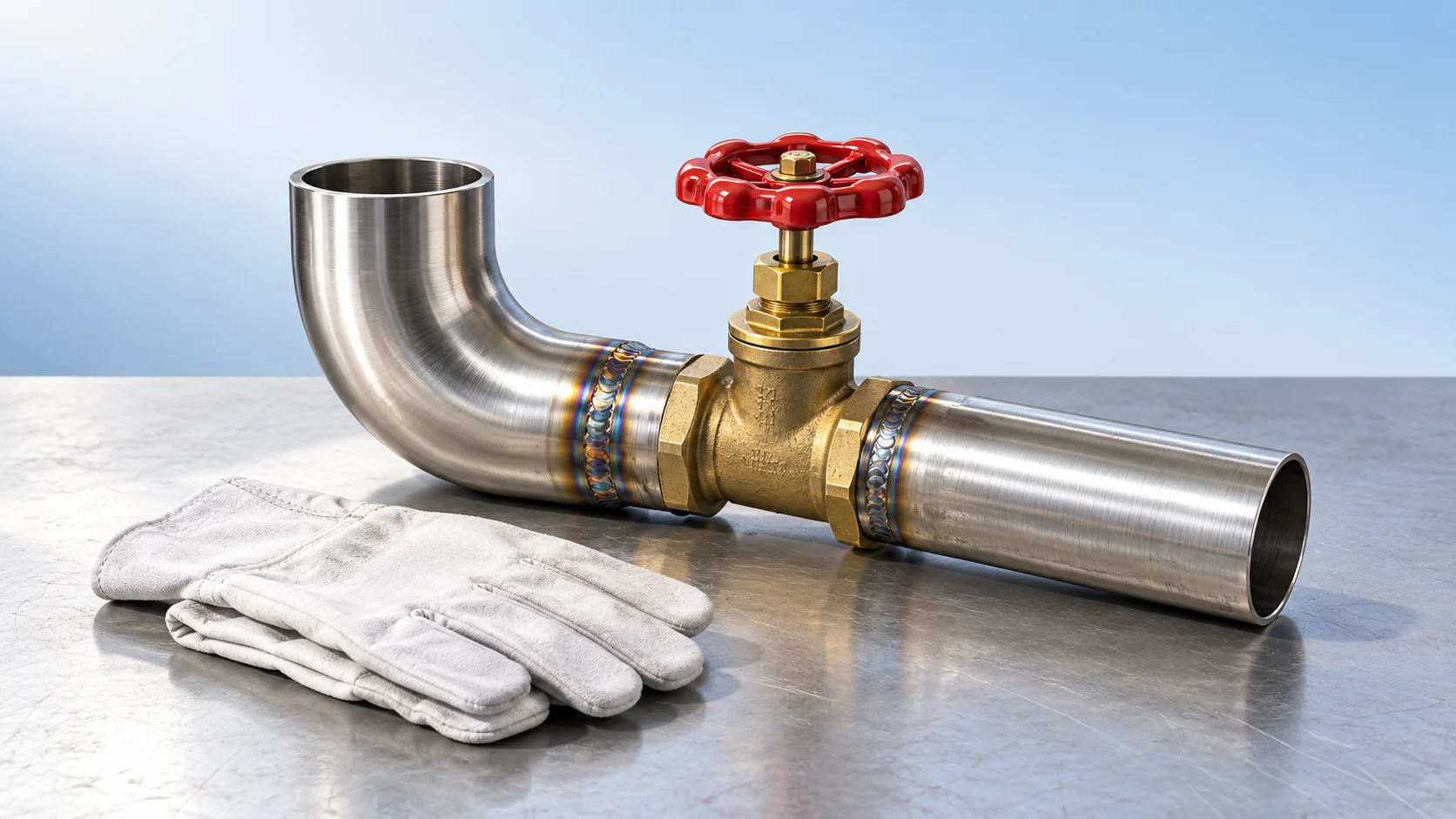
The K-19 Reactor Accident (1961)
On 4 July 1961 a reactor aboard the Soviet missile submarine K-19 lost its coolant; repair teams welded in a makeshift cooling line, eight of them died of acute radiation syndrome, and the accident was kept secret until around 1990.
K-3 Leninsky Komsomol, the First Soviet Nuclear Submarine
K-3 first sailed on nuclear power on 4 July 1958, about three and a half years after Nautilus, reached the North Pole on 17 July 1962 and has been a museum exhibit in Kronstadt since 2023.
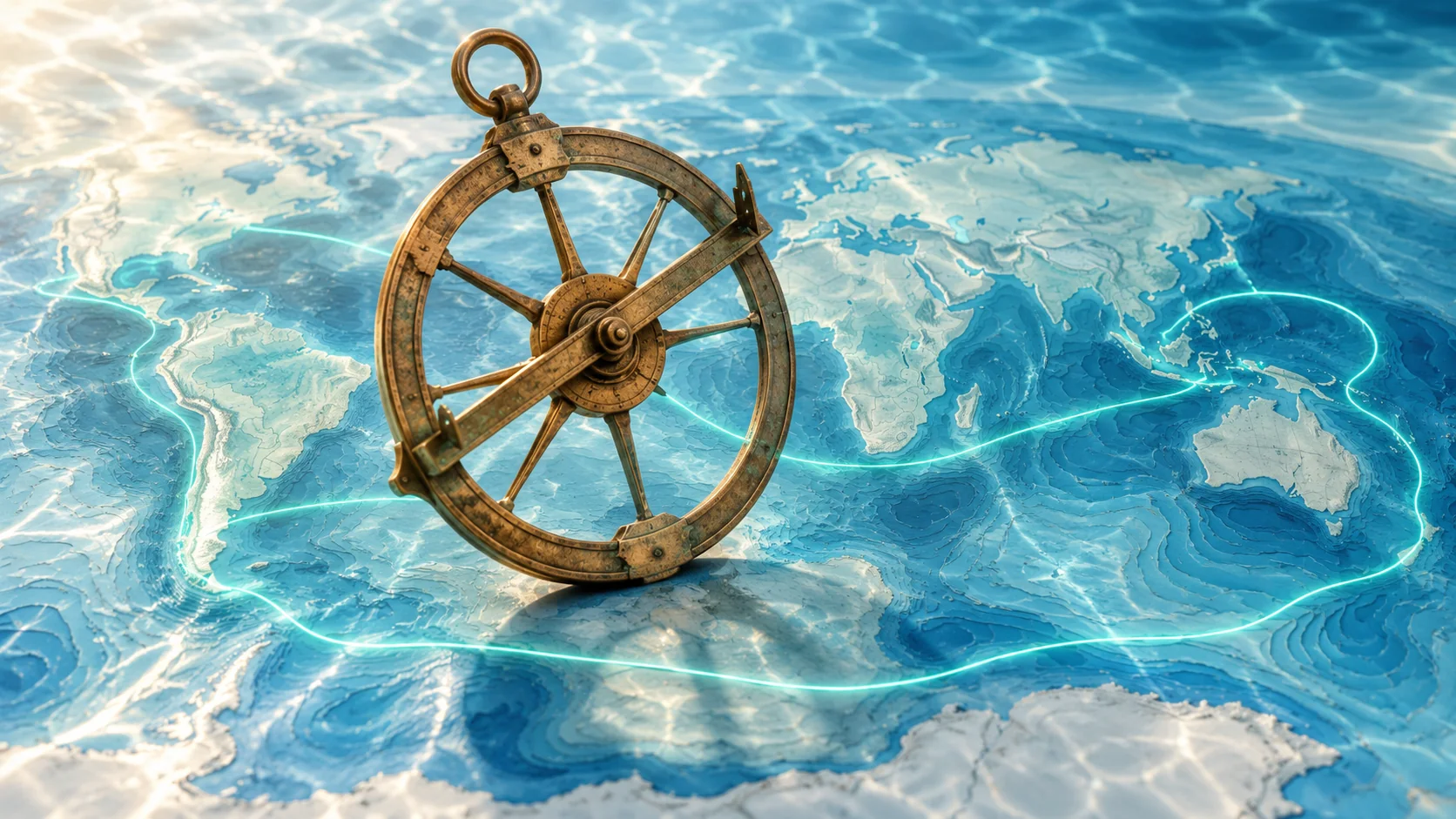
USS Triton Goes Around the World Submerged
From 24 February to 25 April 1960, USS Triton sailed 26,723 nautical miles around the world submerged, the first submerged circumnavigation, in a voyage planned to impress before the Paris summit.
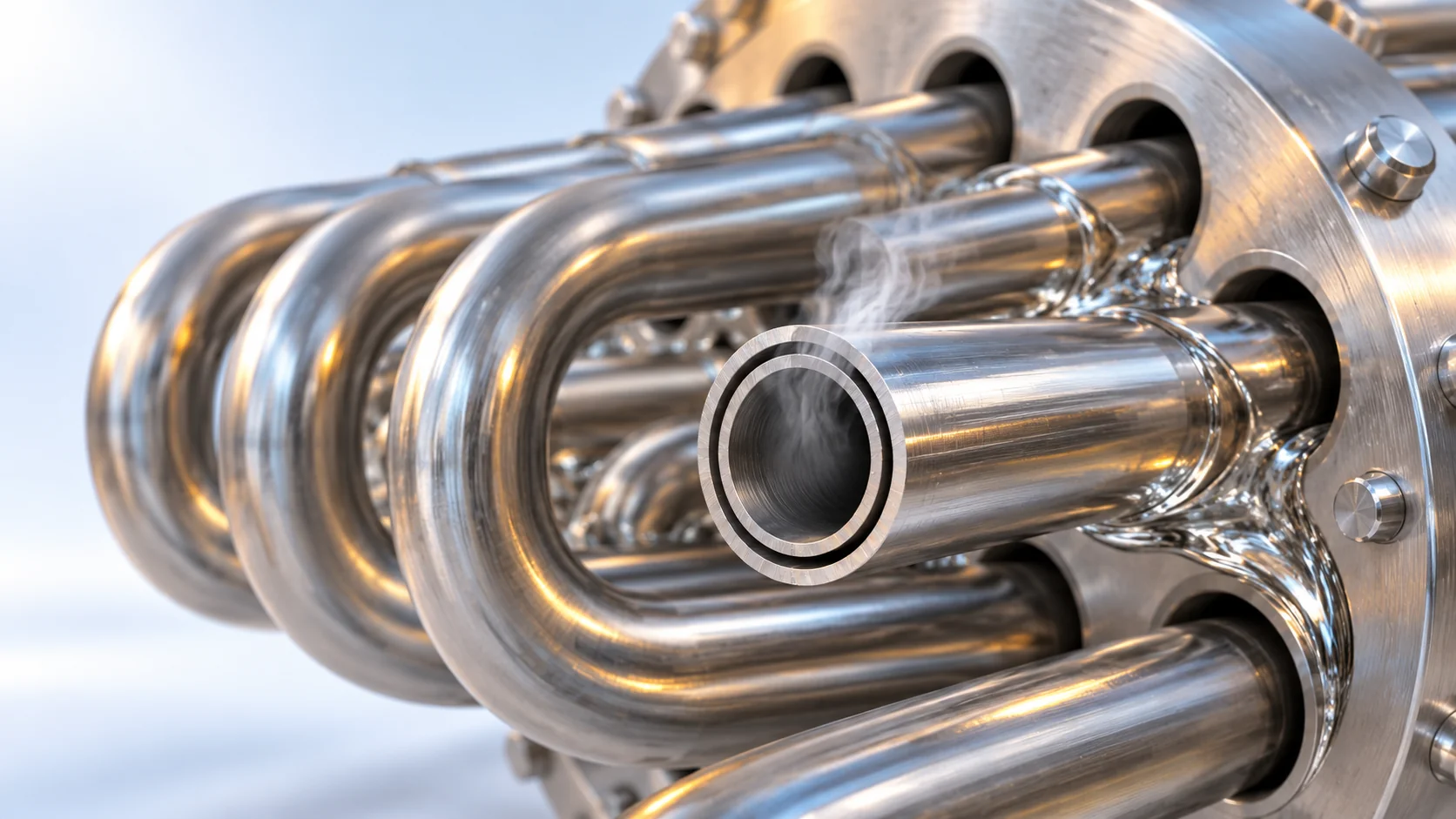
USS Seawolf and the Sodium-Cooled Reactor
USS Seawolf, launched in 1955 with GE's liquid-sodium-cooled S2G reactor, suffered steam generator and superheater leaks; Rickover decided in November 1956 to replace it, and after 60 days submerged in 1958 she was recommissioned with a pressurized water reactor in 1960.
Nautilus Crosses the North Pole (1958)
In Operation Sunshine, USS Nautilus left Pearl Harbor in July 1958, crossed the North Pole submerged at 11:15 p.m. (EDT) on 3 August with 116 men aboard, and surfaced in the Greenland Sea after 1,830 miles and 96 hours under the ice.