Nuclear History archive — page 3
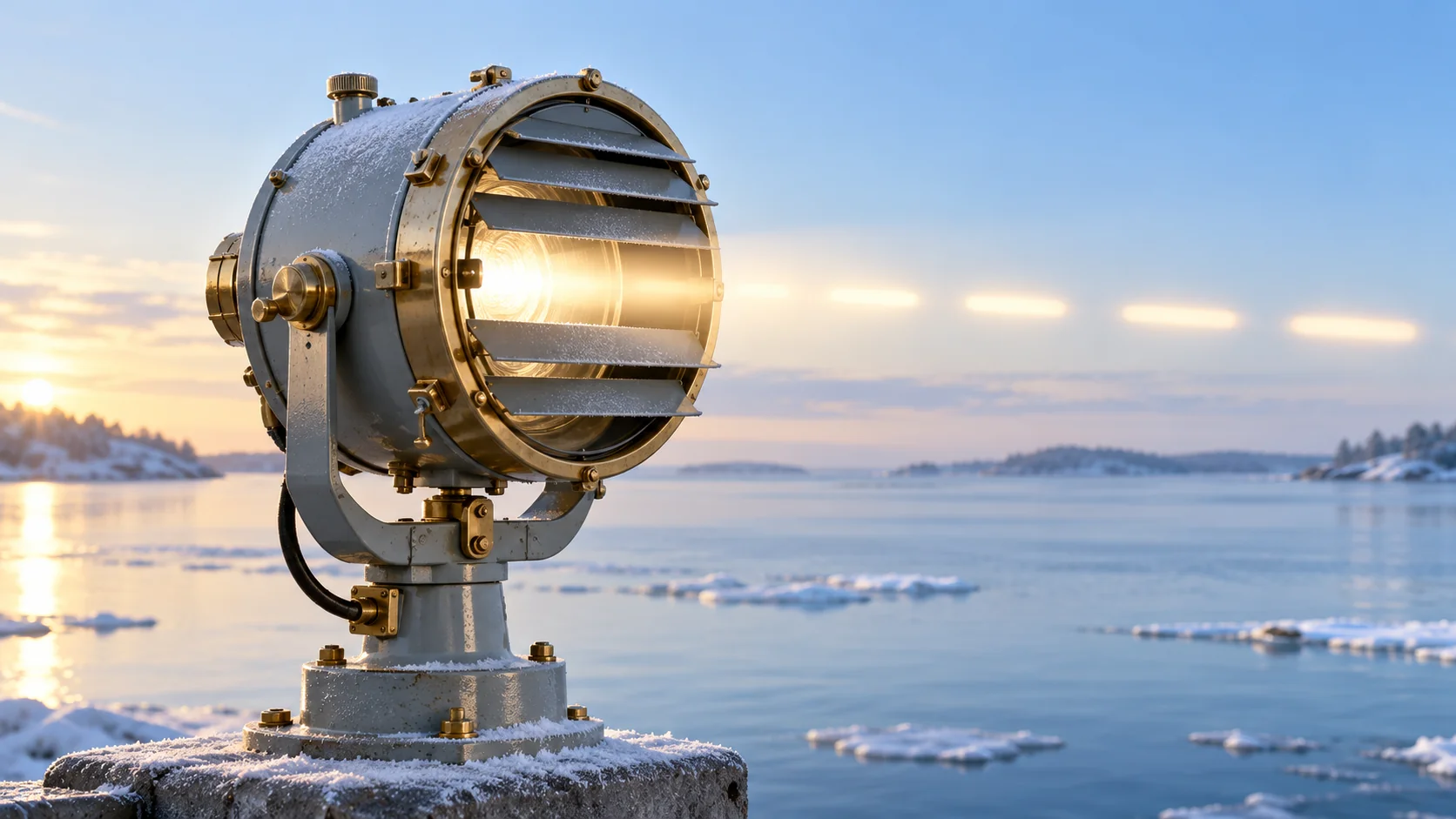
"Underway on Nuclear Power" — Nautilus Goes to Sea (1955)
On 17 January 1955 USS Nautilus signalled "Underway on nuclear power", then made a record 1,381-nautical-mile submerged run to San Juan and sailed more than 60,000 nautical miles before her first refuelling in 1957.
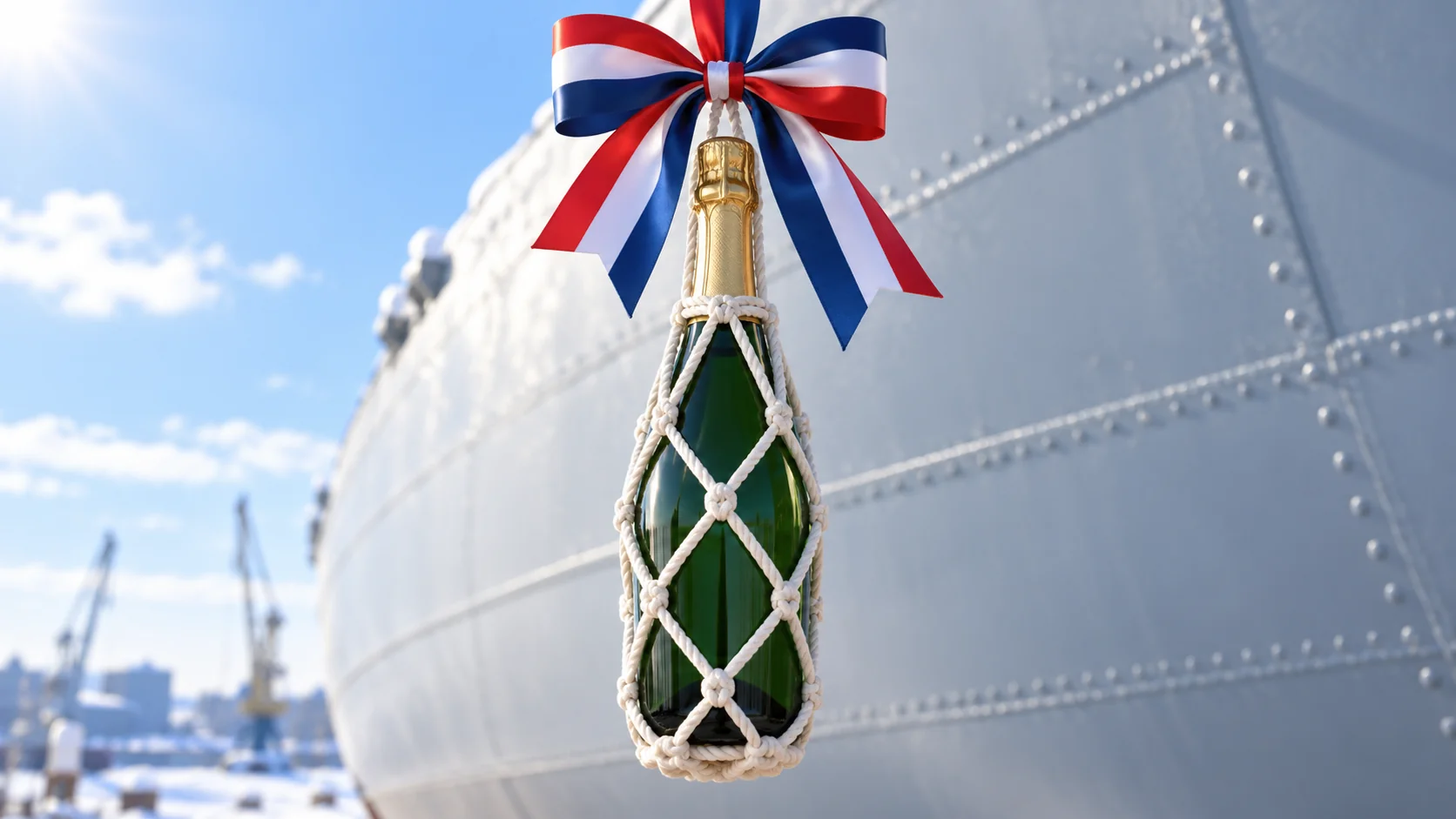
Launching USS Nautilus, 1954
Mamie Eisenhower christened USS Nautilus at Groton on 21 January 1954; the first nuclear submarine was commissioned that September and first went to sea under nuclear power in January 1955.
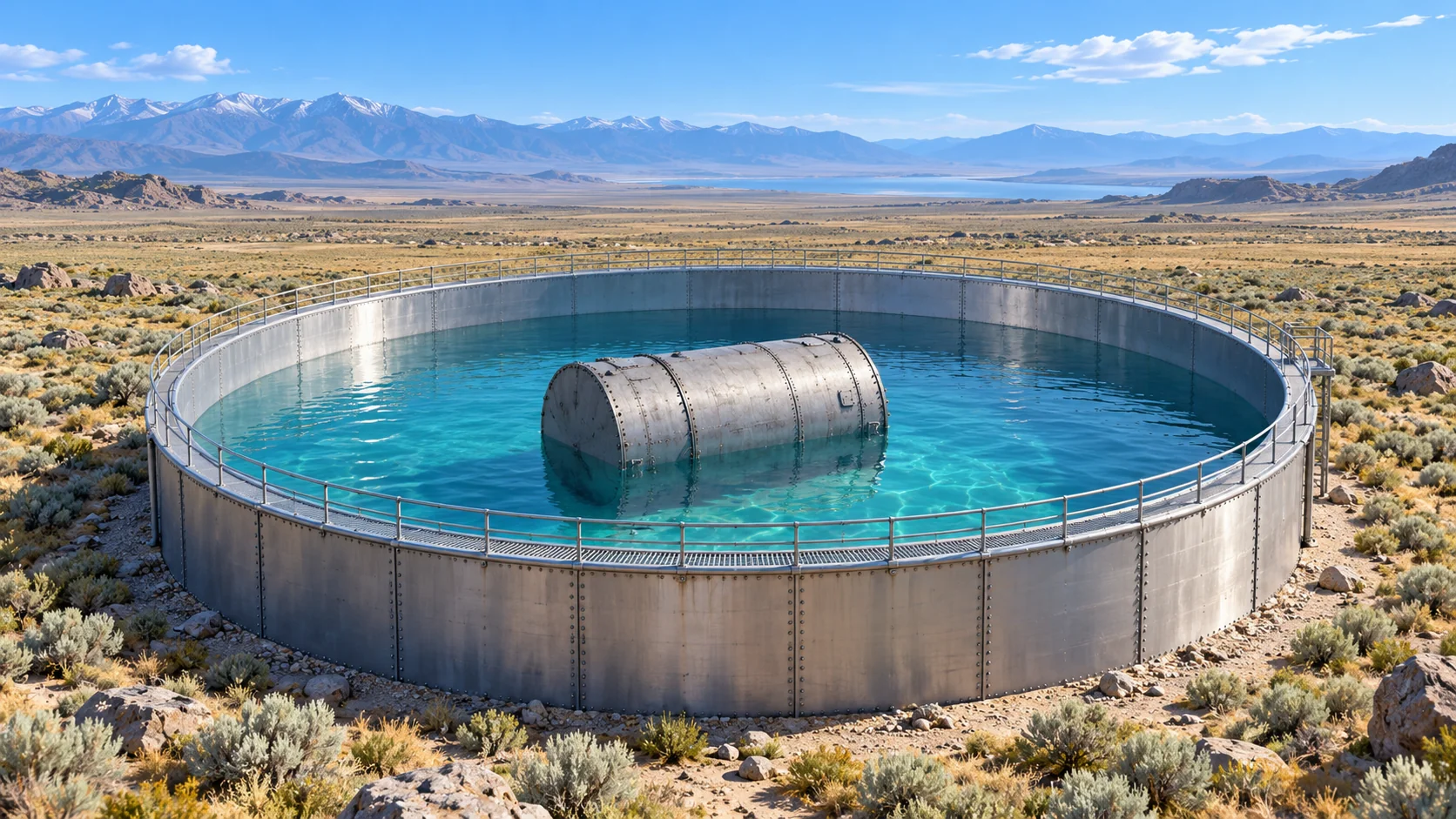
STR Mark I: the Submarine Prototype in the Desert
The STR Mark I (later S1W) prototype went critical in Idaho on 30 March 1953 and in June ran about 100 hours, plotted as an Atlantic crossing, clearing the way for USS Nautilus.

The Birth of the Naval Reactors Program
Between 1946 and 1952 the Navy and the Atomic Energy Commission built a two-hat organization under Rickover that set Westinghouse Bettis and GE Knolls to work on submarine reactors and led to the keel of Nautilus.

Admiral Rickover and the Nuclear Navy Culture
Hyman G. Rickover hand-picked every nuclear officer, demanded personal responsibility and built a naval reactor program with a 70-year operating record, before being forced to retire in 1982 after 63 years in uniform.

Eisenhower's Atoms for Peace Speech
On 8 December 1953 Eisenhower proposed at the UN that nations deposit uranium and fissionable material with an International Atomic Energy Agency for peaceful use, a speech that led toward the IAEA of 1957.

Duck and Cover and Cold War Civil Defense
After 1949 the US Federal Civil Defense Administration taught schoolchildren to duck and cover with Bert the Turtle, marked radio dials for CONELRAD and later posted fallout shelter signs, while monster films turned nuclear fear into entertainment.
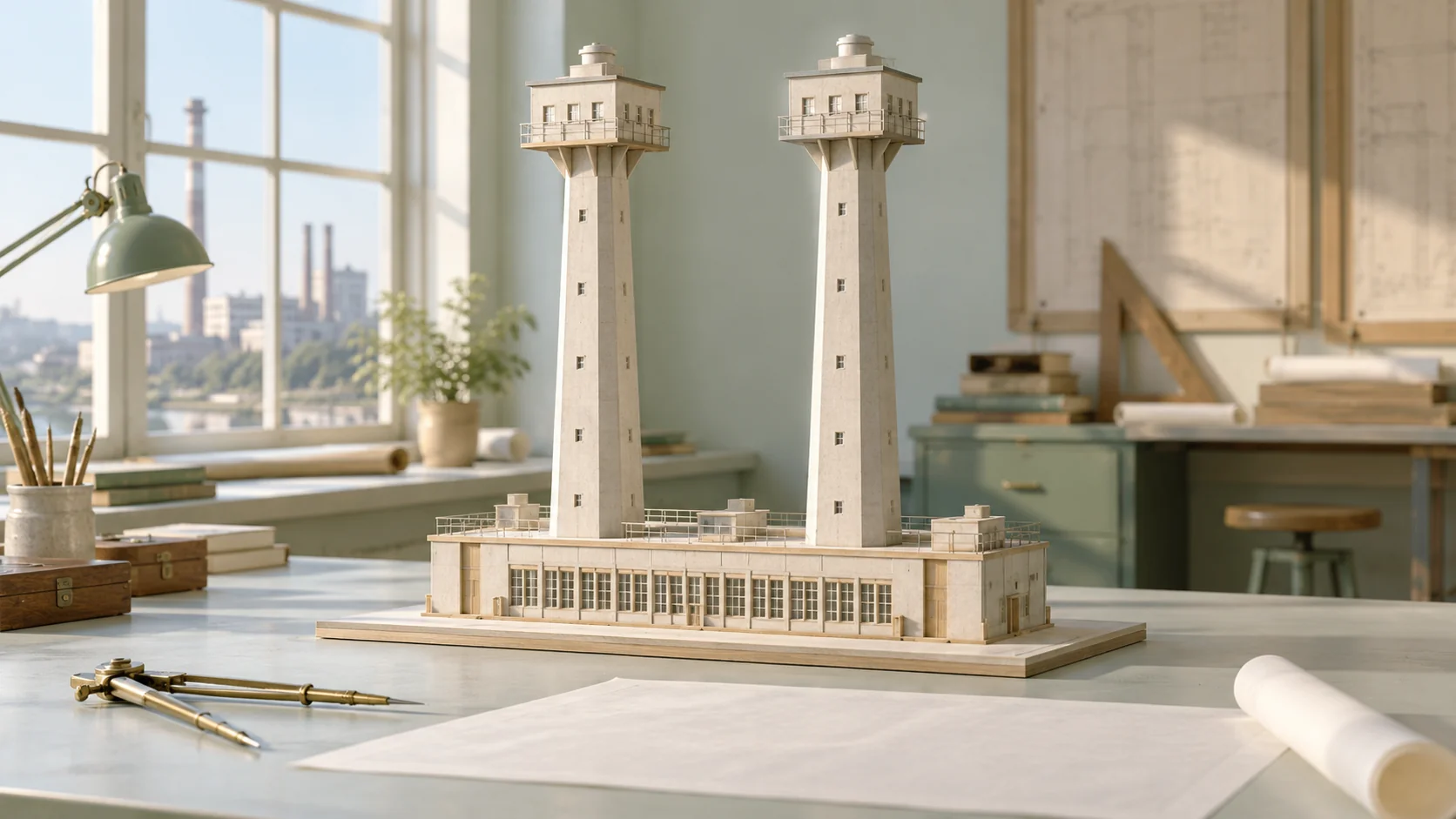
Harwell and the Windscale Piles: Britain's Twin Pillars
From GLEEP going critical in a Harwell hangar on 15 August 1947 to the first British plutonium from the air-cooled Windscale Piles on 28 March 1952, Britain built research and production side by side.
France's CEA and the ZOE Reactor
France founded the CEA on 18 October 1945 under Frédéric Joliot-Curie and Raoul Dautry, and its first reactor, ZOE, a natural-uranium heavy-water pile, went critical on 15 December 1948.

The Soviet Hydrogen Bombs, 1953 and 1955
The Soviet RDS-6s of 12 August 1953 was a single-stage 'sloika' of about 400 kt with only 15–20% fusion; the true two-stage RDS-37 followed on 22 November 1955, air-dropped at about 1.6 Mt.