Nuclear History archive — page 4
The Russell–Einstein Manifesto
Launched in London on 9 July 1955, the Russell–Einstein Manifesto asked governments and citizens to renounce war in the hydrogen-bomb age; it led to the first Pugwash conference in 1957 and the 1995 Nobel Peace Prize for Rotblat and Pugwash.
Castle Bravo and the Lucky Dragon No. 5
On 1 March 1954 Castle Bravo yielded 15 megatons, about 2.5 times the forecast, and fallout reached Marshall Islanders and the 23 crew of the Lucky Dragon No. 5, whose radio operator Aikichi Kuboyama died that September.
The Oppenheimer Security Hearing
In 1954 the Atomic Energy Commission revoked J. Robert Oppenheimer's security clearance by a 4–1 vote after a closed hearing that accepted his loyalty but faulted his character and associations; he received the Fermi Award in 1963 and the decision was vacated in 2022.
The Rosenberg Case (1950–1953)
Arrested in 1950 after Klaus Fuchs's confession set off a chain of arrests, Julius and Ethel Rosenberg were convicted of espionage conspiracy and executed in 1953; Venona files and later admissions supported the case against Julius while Ethel's role remains disputed.

The Materials Testing Reactor
The Materials Testing Reactor, designed at Oak Ridge with Eugene Wigner's influence and built in Idaho, reached an average thermal flux of about 2×10¹⁴ n/cm²·s, ran more than 15,000 irradiation experiments from 1952 to 1970, and was followed by the ETR and the still-operating ATR.
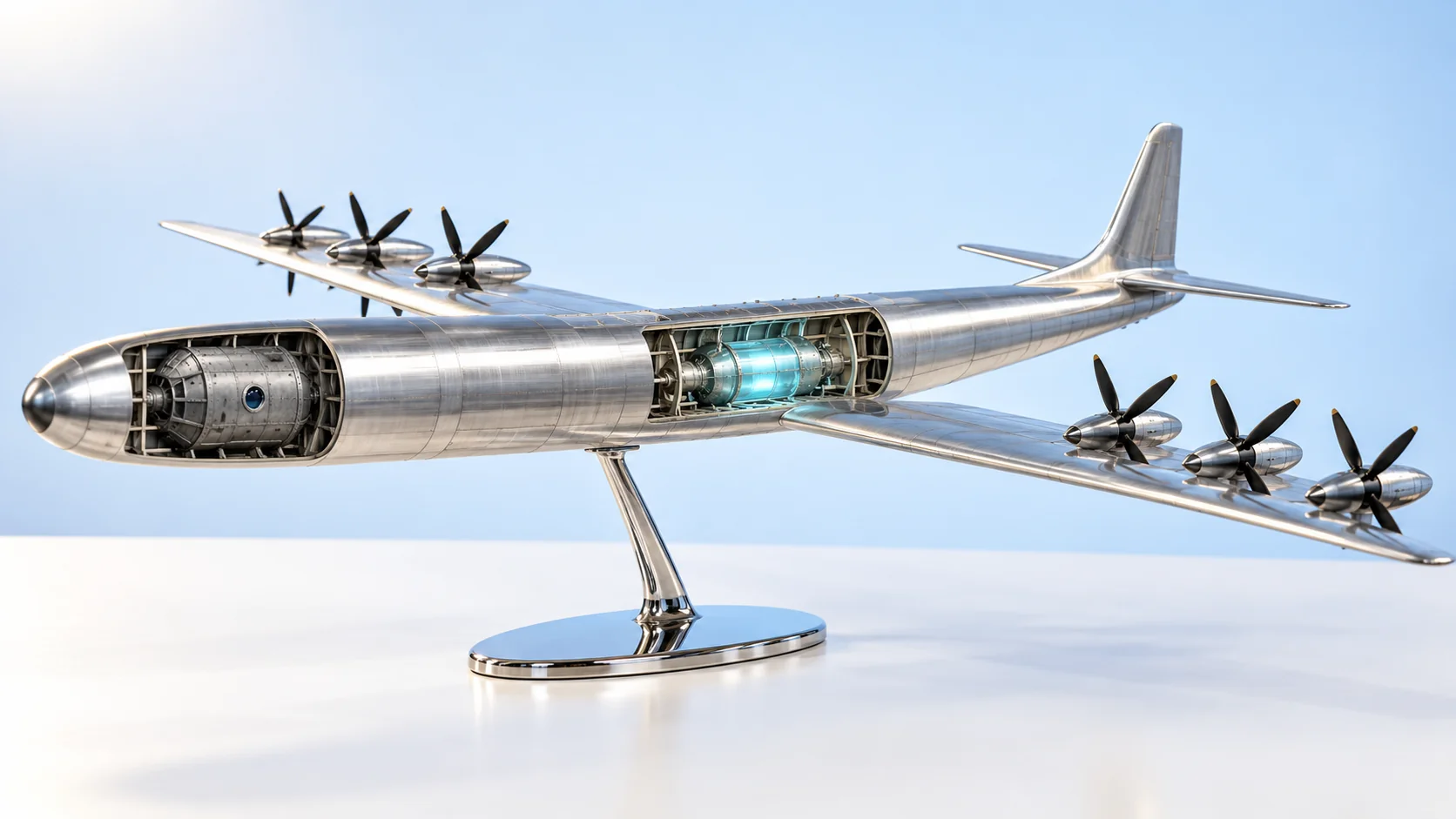
The Nuclear Bomber That Never Flew
From 1946 to 1961 the US Air Force and the AEC spent about $1,040 million on nuclear aircraft propulsion; a converted B-36 carried a test reactor on 47 flights and HTRE ground tests ran jet engines on reactor heat, but President Kennedy cancelled the program on 28 March 1961 without any nuclear-powered flight.
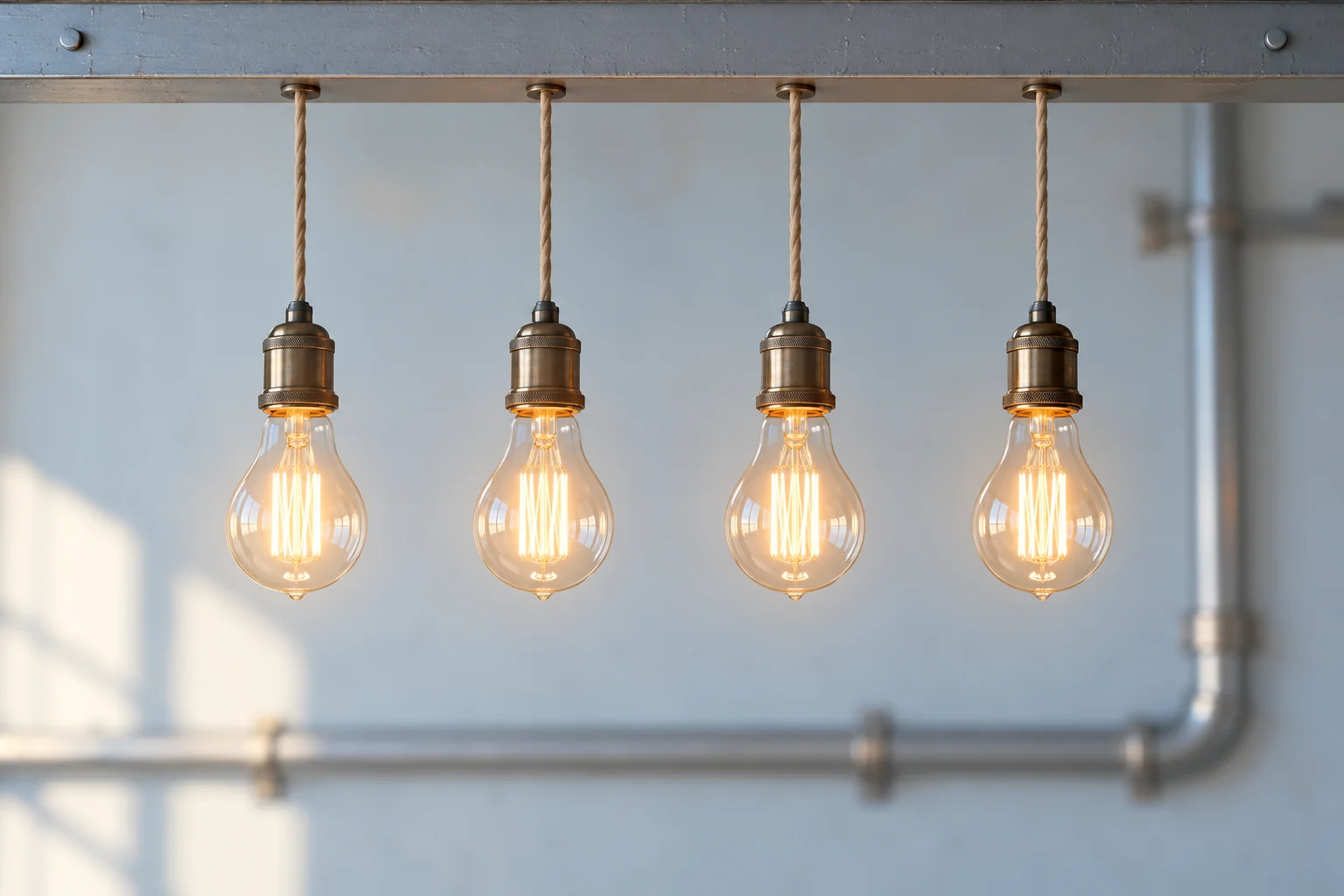
EBR-I and the First Nuclear Electricity
On 20 December 1951 Walter Zinn's Experimental Breeder Reactor I in Idaho lit four 200-watt bulbs, the first usable amount of nuclear electricity, before confirming breeding in 1953.
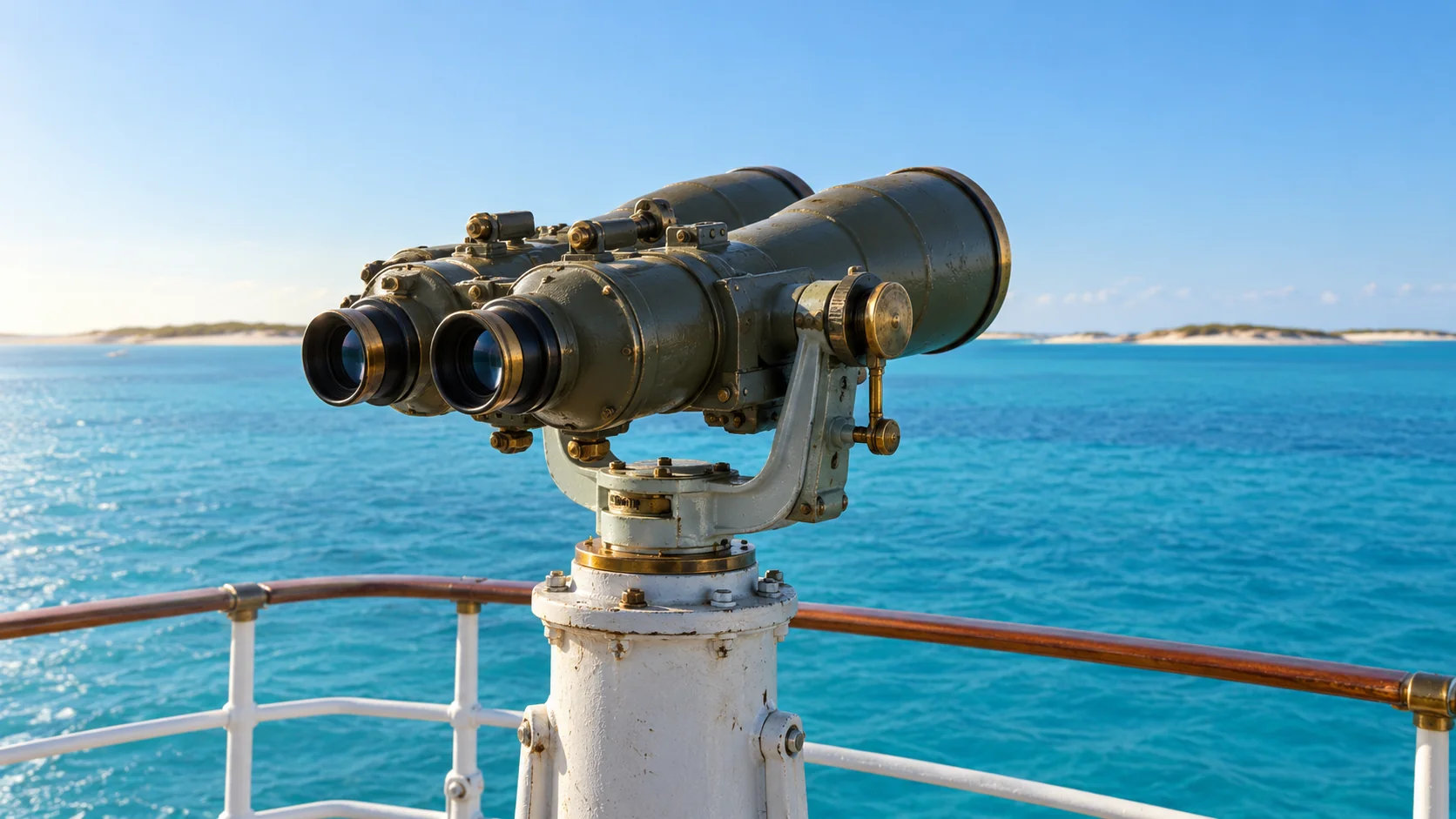
Operation Hurricane: Britain's First Atomic Test
On 3 October 1952 Britain tested its first atomic bomb, about 25 kilotons, inside HMS Plym off Western Australia, to study a ship-smuggled bomb in a port and to prove it could build the weapon on its own.
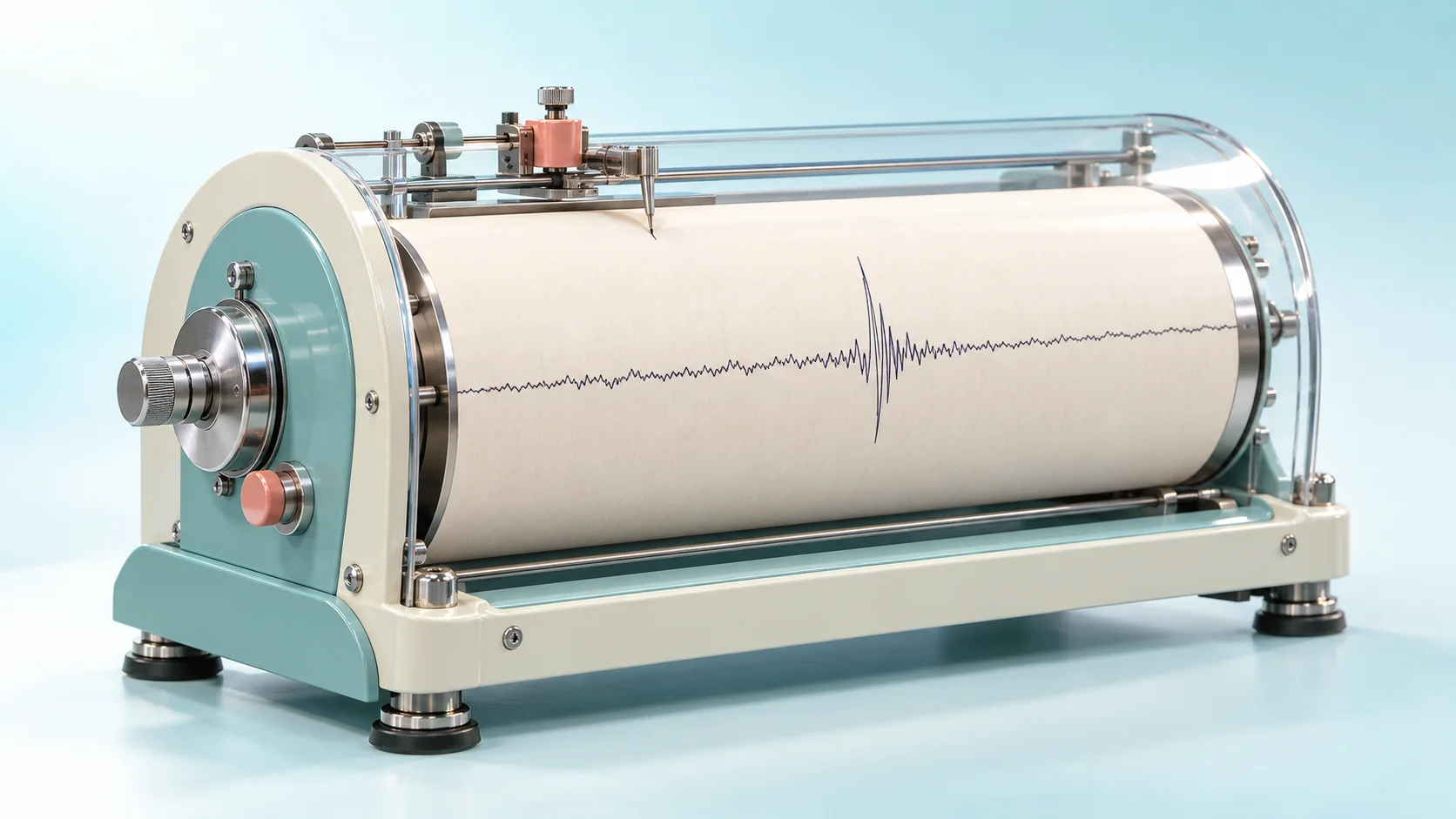
Ivy Mike, the First Thermonuclear Test
On 1 November 1952 the United States fired Ivy Mike, the first full-scale two-stage thermonuclear test, yielding 10.4 megatons, erasing Elugelab island and producing einsteinium and fermium, which stayed secret until 1955.
The Teller–Ulam Design (1951)
In early 1951 Stanisław Ulam proposed compressing fusion fuel before igniting it and Edward Teller added compression by X-rays; their joint report LAMS-1225 of 9 March 1951 became the basis of the hydrogen bomb, first proven at Ivy Mike on 1 November 1952.