Nuclear History archive — page 14
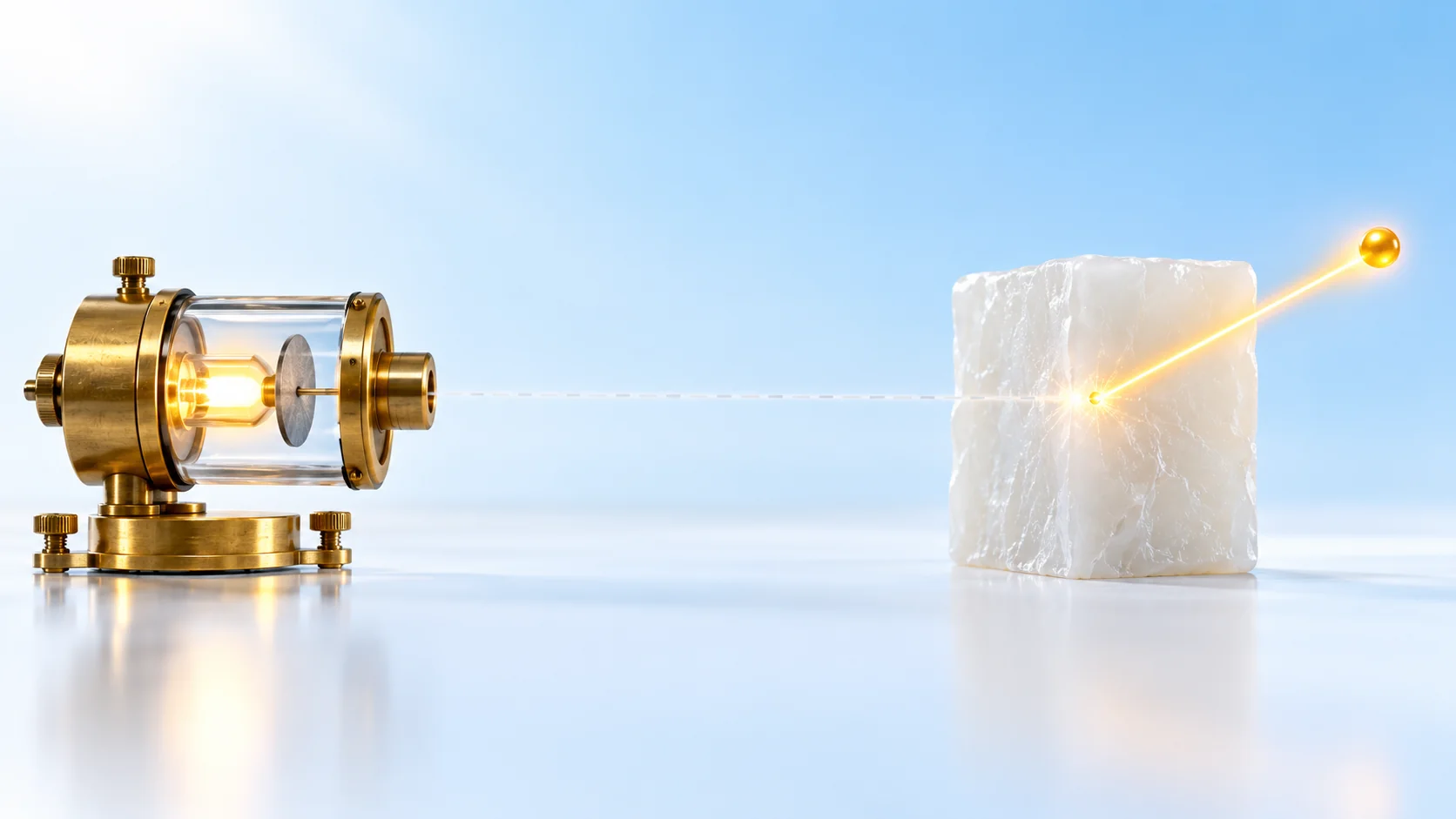
Chadwick Discovers the Neutron (1932)
In February 1932 James Chadwick measured the nuclei knocked out by radiation from beryllium and showed it was a neutral particle about as heavy as a proton, announcing the neutron in Nature and winning the 1935 Nobel Prize in Physics.

Urey Discovers Deuterium (1931)
Around Thanksgiving 1931 Harold Urey found spectral proof of hydrogen of mass 2 in samples enriched at the National Bureau of Standards, published in January 1932 and rewarded with the 1934 Nobel Prize in Chemistry.
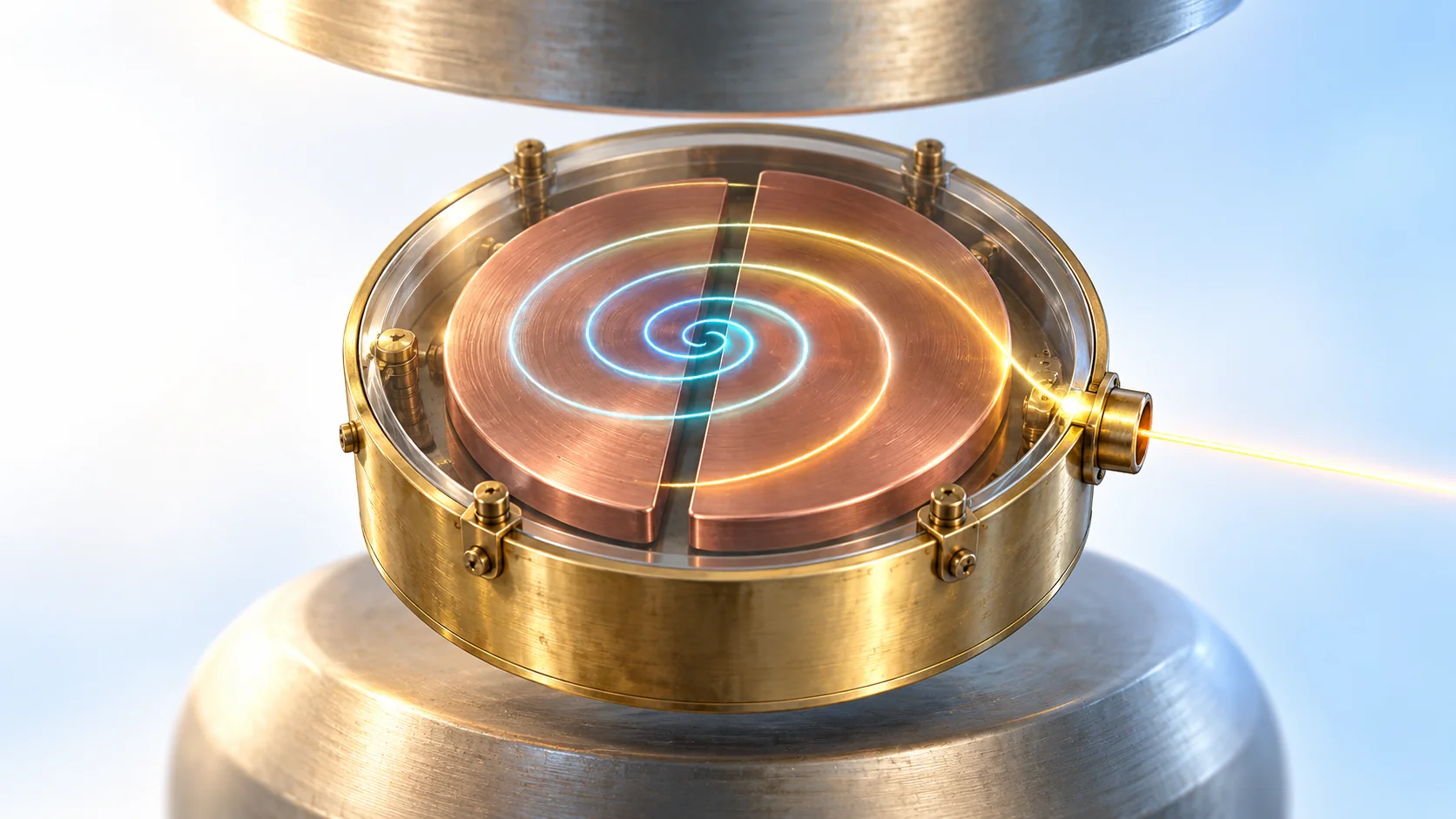
Lawrence's Cyclotron (1931)
In January 1931 a 4.5-inch cyclotron at Berkeley reached 80 keV with under 2,000 volts, and an 11-inch machine passed 1 MeV, reported by telegram on 3 August 1931 and recorded at 1.22 MeV on 9 January 1932.
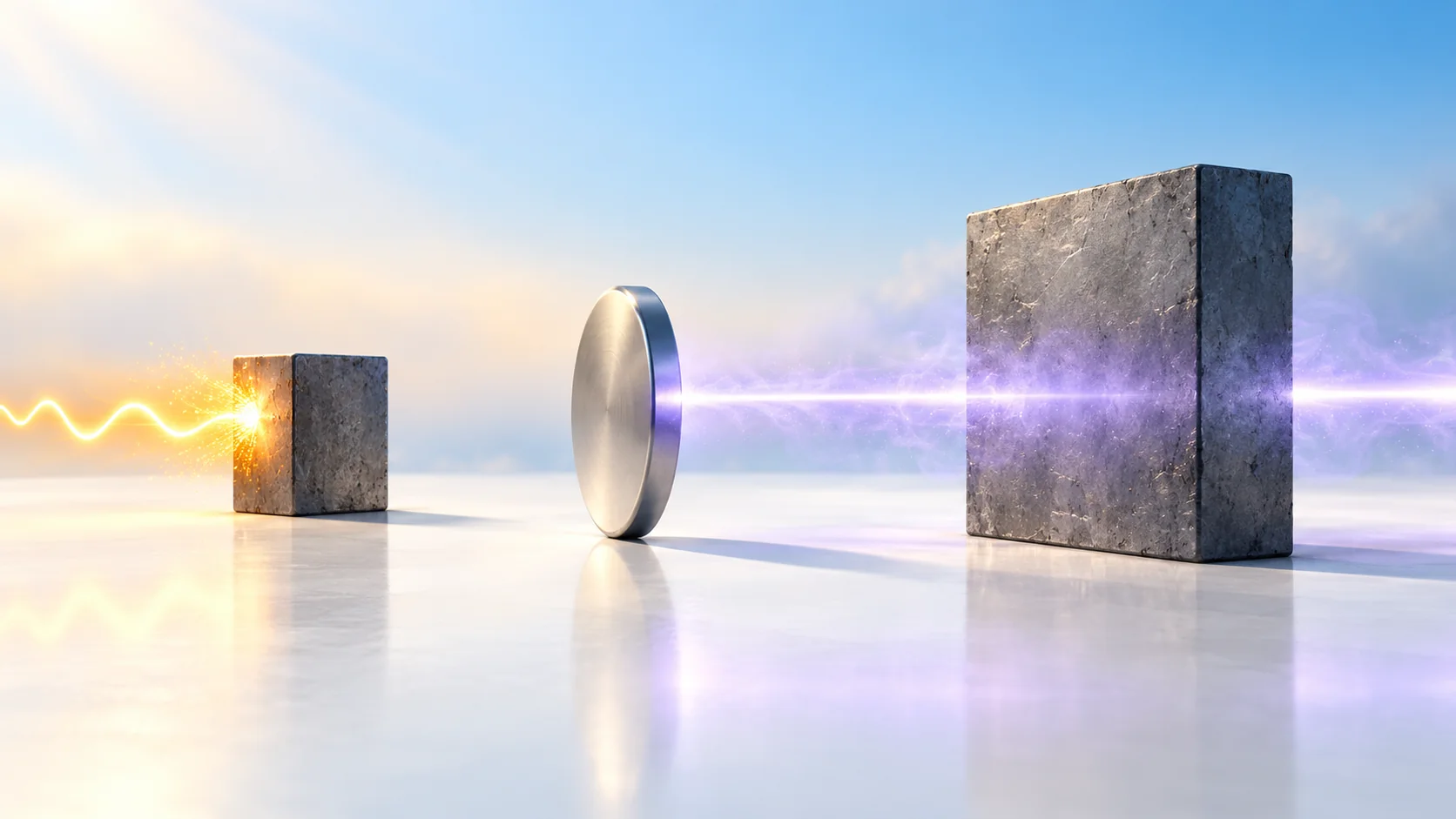
Bothe and Becker's Penetrating Radiation (1930)
In 1930 Bothe and Becker reported a highly penetrating radiation from beryllium hit by alpha rays; in January 1932 the Joliot-Curies showed it knocked protons out of paraffin, a result that only a new neutral particle, the neutron, could explain.

Pauli's Neutrino Hypothesis (1930)
On 4 December 1930 Wolfgang Pauli proposed, in a letter to a meeting in Tübingen, a light neutral particle that shares the energy of beta decay with the electron; Fermi named it the neutrino and it was detected at a reactor in 1956.

Dirac's Equation and the Prediction of Antimatter (1928)
Dirac's 1928 equation for the electron yielded negative-energy solutions; after first reading the resulting 'holes' as protons, he predicted the anti-electron in 1931.
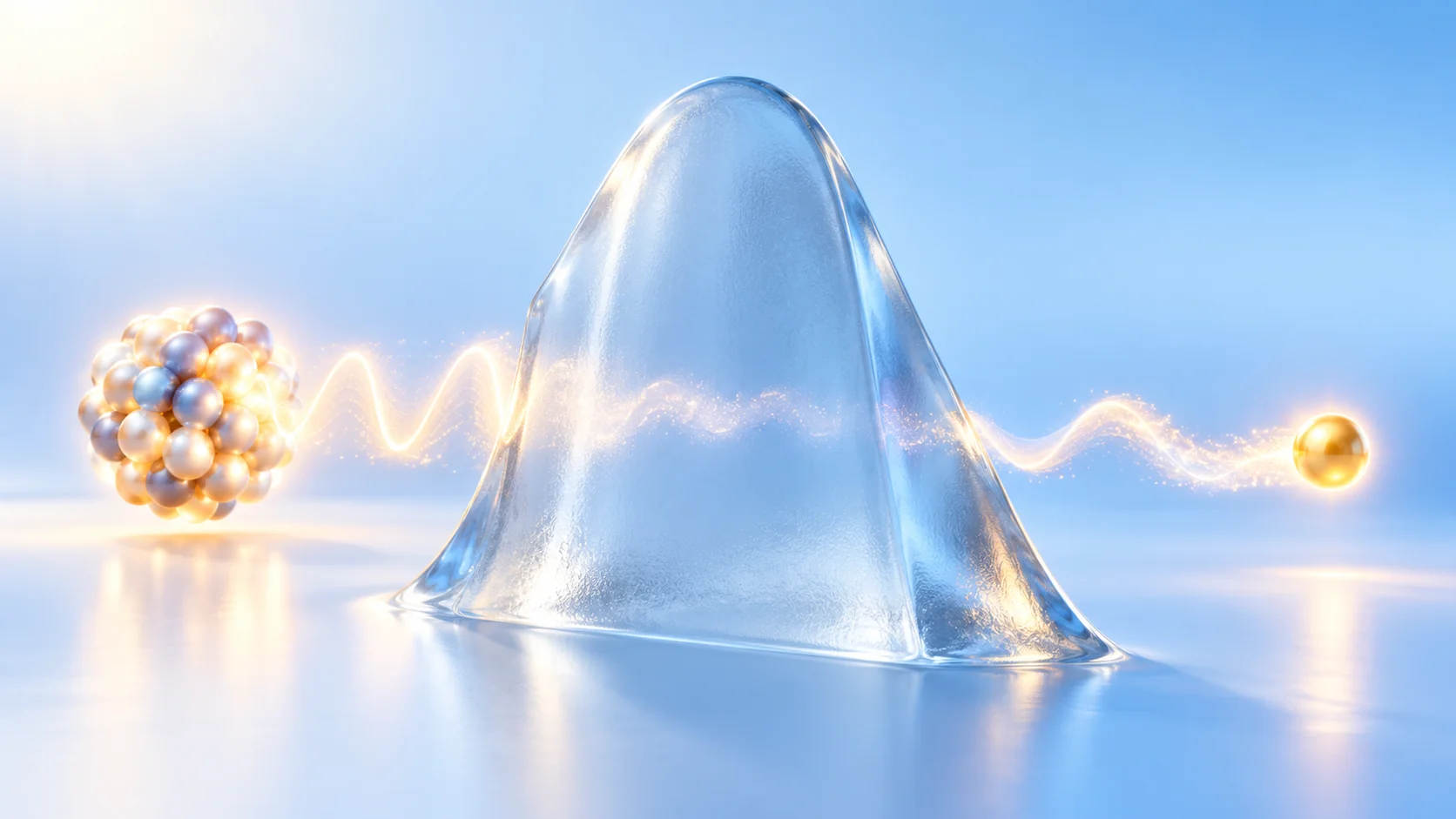
Gamow and Quantum Tunnelling in Alpha Decay (1928)
In summer 1928 George Gamow in Göttingen, and Gurney and Condon at Princeton, explained alpha decay as quantum tunnelling through the Coulomb barrier, also accounting for the Geiger–Nuttall rule.

The Uncertainty Principle and the 1927 Solvay Conference
In 1927 Heisenberg showed that position and momentum cannot both be sharply defined, and at the Fifth Solvay Conference in Brussels Bohr and Einstein argued over what that meant, a year after Einstein's famous 'dice' letter to Born.

Heisenberg, Schrödinger and Quantum Mechanics (1925–1926)
Between June 1925 and June 1926, Heisenberg, Born and Jordan's matrix mechanics and Schrödinger's wave mechanics emerged as rivals, were shown to be equivalent, and gained Born's probability interpretation.

Pauli's Exclusion Principle (1925)
In January 1925 Wolfgang Pauli proposed that no two electrons in an atom can share all four quantum numbers, a rule soon tied to electron spin that explains shell filling, chemistry and the nuclear shell model.