Nuclear History archive — page 8
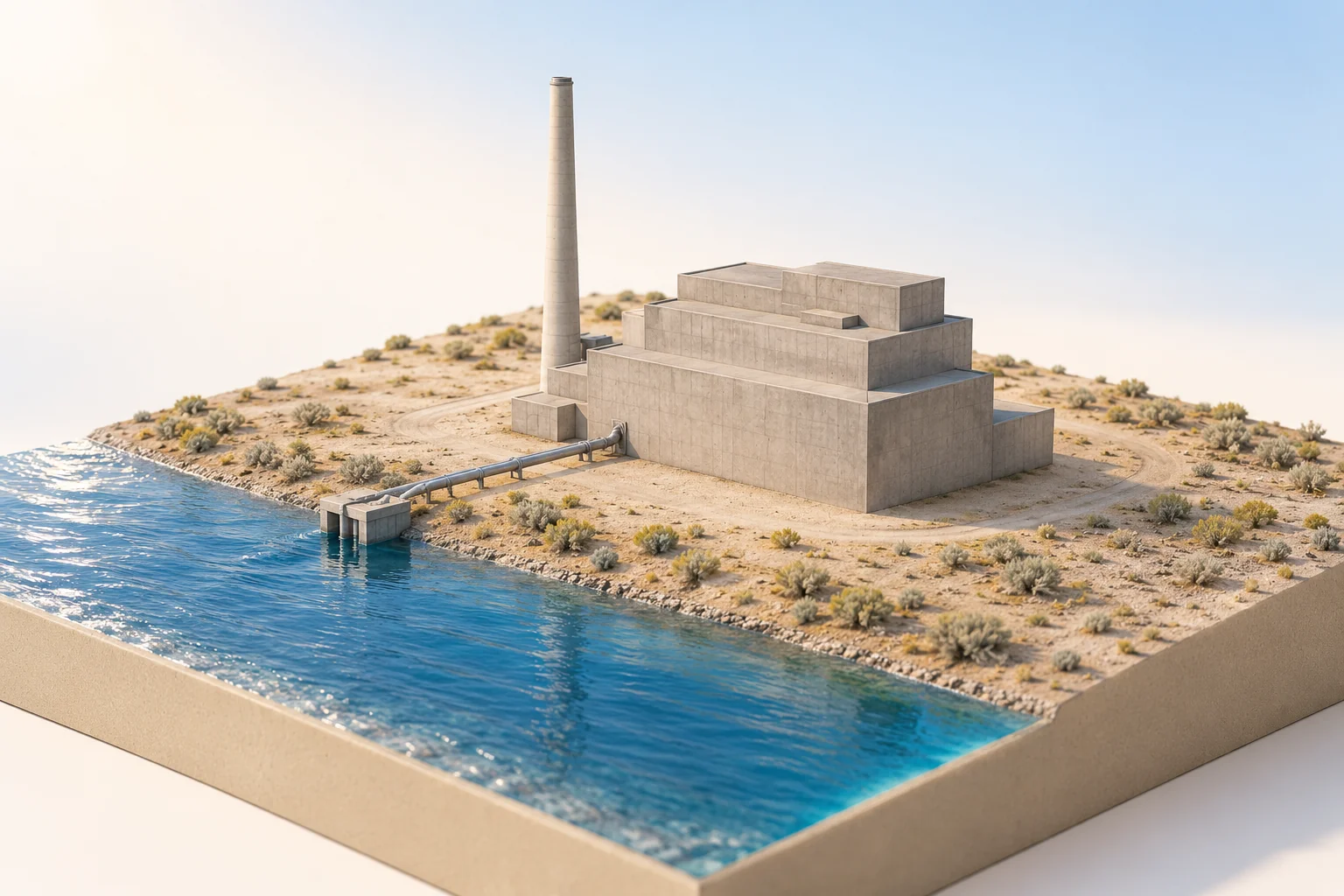
Hanford's B Reactor (1944)
Built in about eleven months on the Columbia River, Hanford's B Reactor went critical on 26 September 1944 and became the first reactor to make plutonium on an industrial scale.
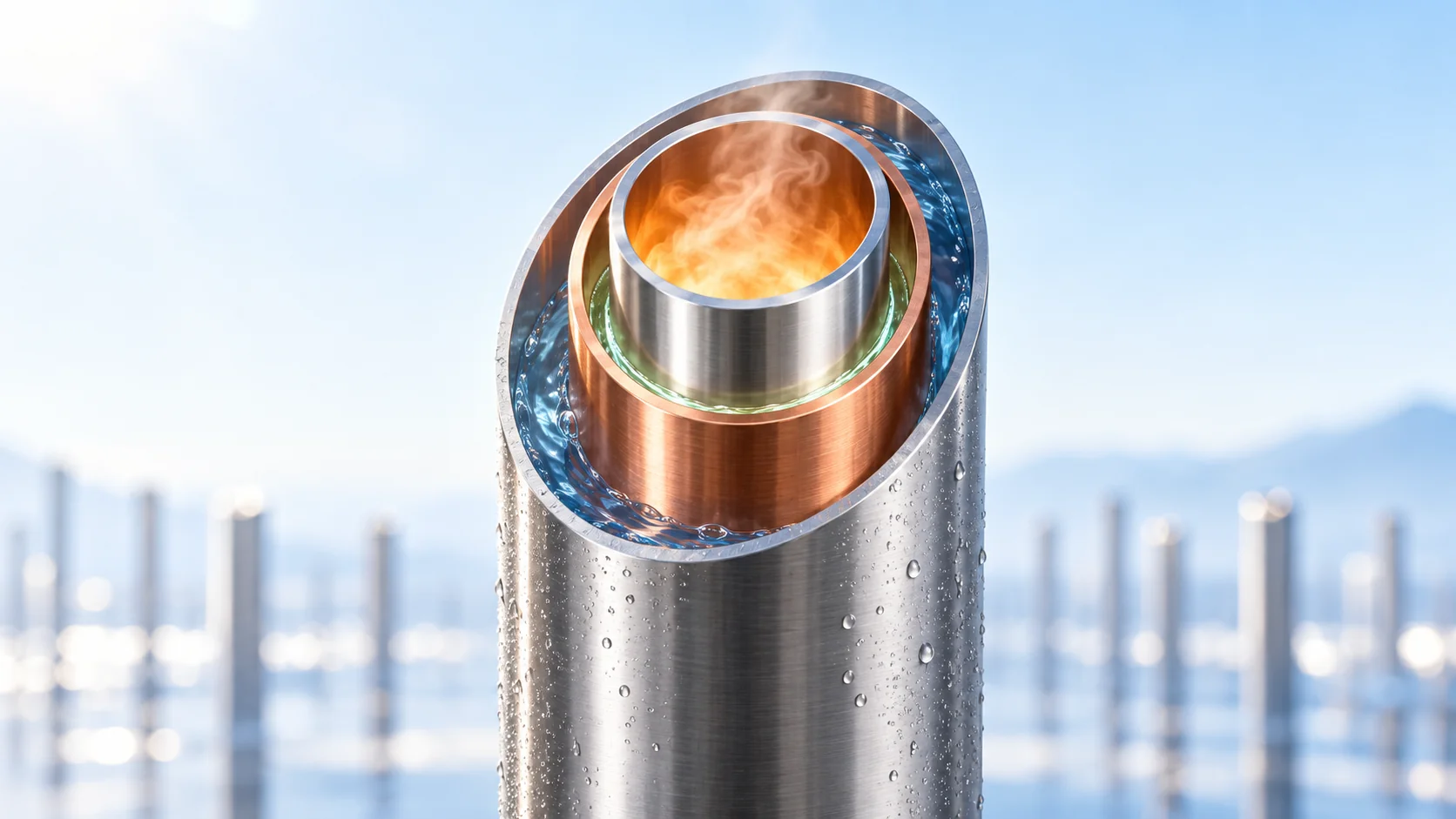
The S-50 Thermal Diffusion Plant (1944–1945)
After Oppenheimer's letter of 28 April 1944, Groves had Philip Abelson's liquid thermal diffusion method built at Oak Ridge as S-50, whose 2,142 columns ran from 16 September 1944 and fed slightly enriched uranium (about 0.85–0.89% U-235) to K-25 and Y-12.
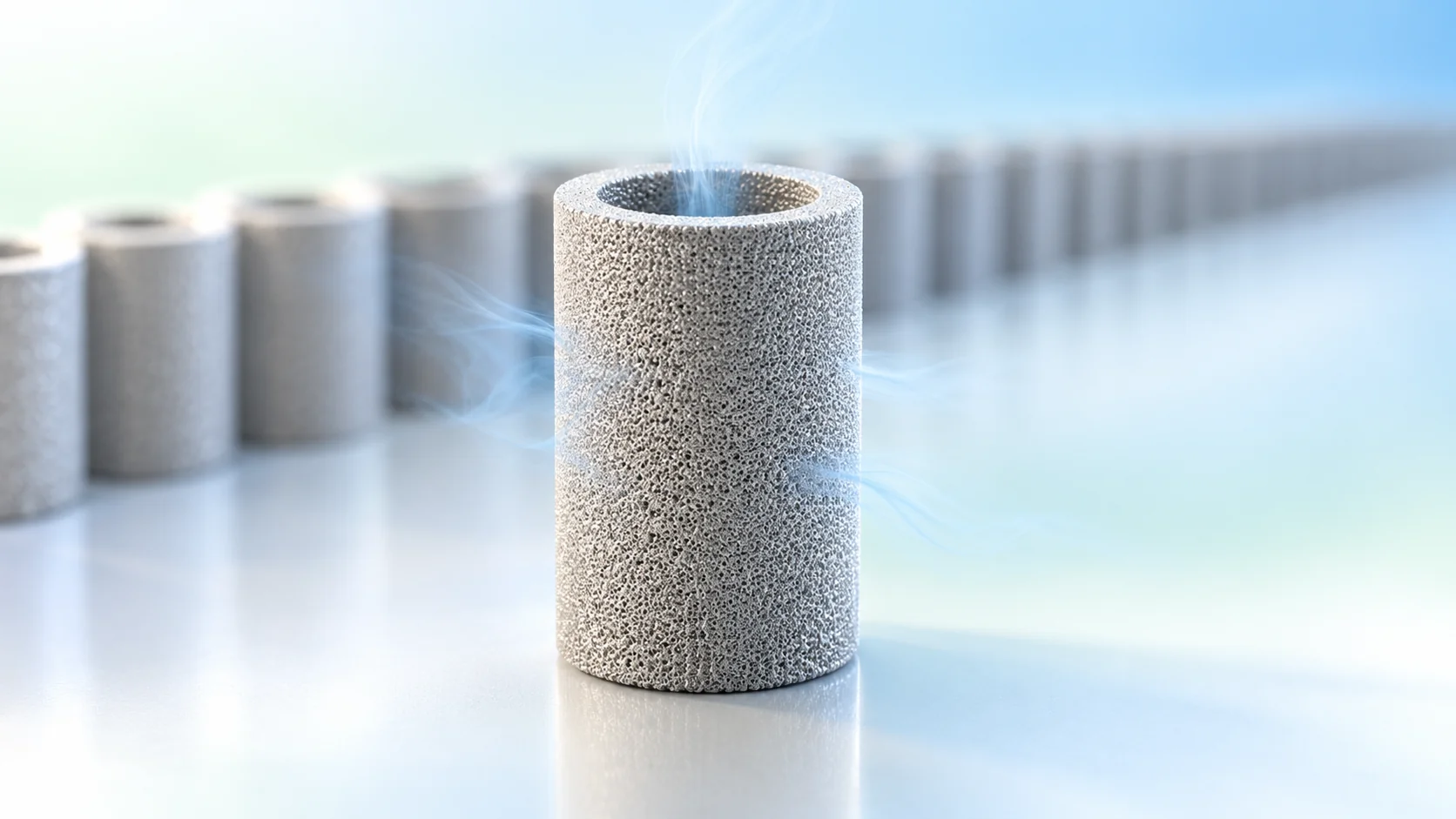
K-25 Gaseous Diffusion Plant (1943–1946)
Begun in October 1943 before a working barrier existed, Oak Ridge's half-mile K-25 plant pre-enriched uranium for the Y-12 calutrons in 1945 and reached 94% on its own in November 1946.
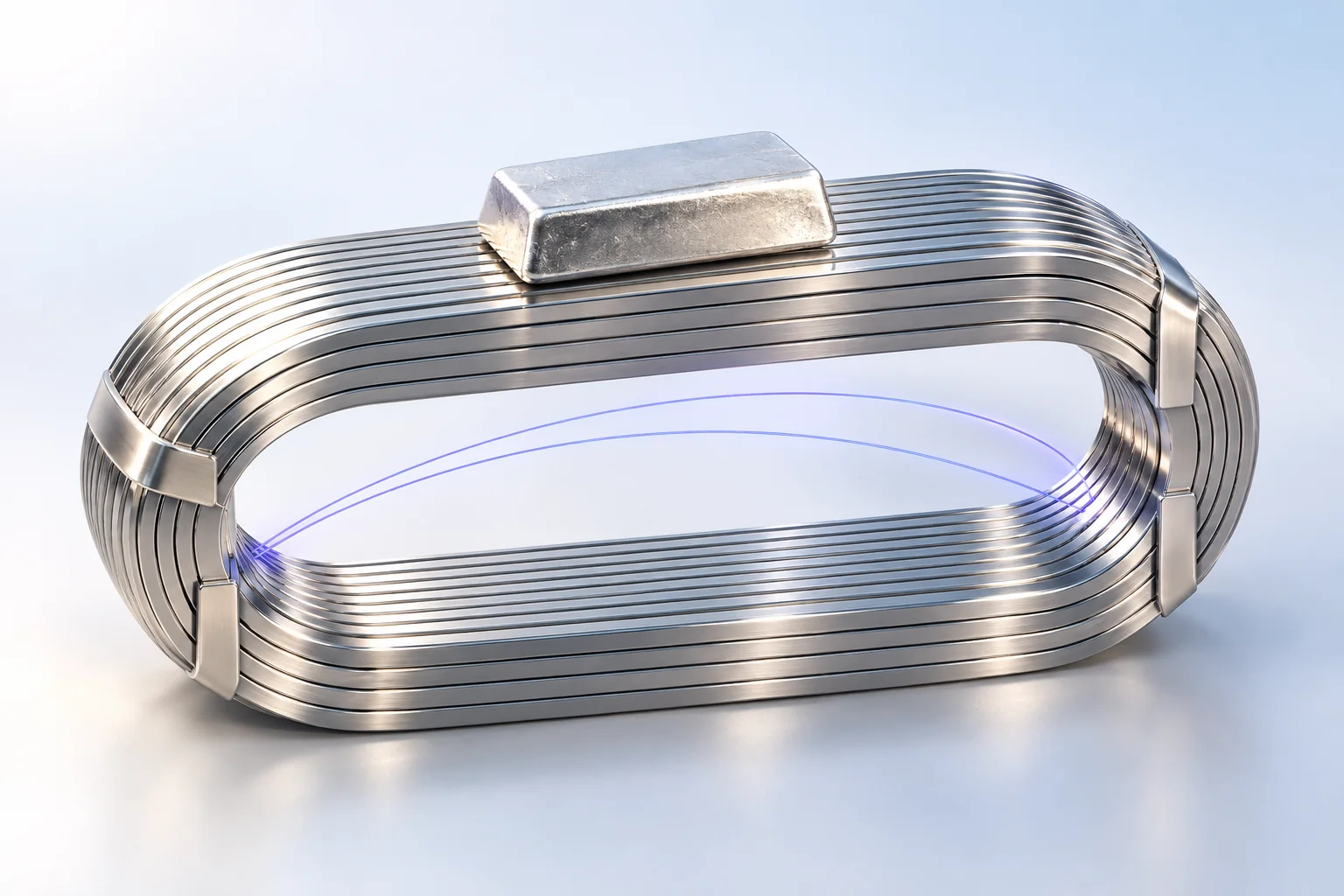
Y-12 and the Calutron
From 1943 the Y-12 plant at Oak Ridge used more than a thousand calutrons, with magnet coils made from about 13,500–14,700 tons of borrowed Treasury silver, to enrich the uranium for Little Boy; the last 67 tons of silver were returned only in 1970.

The Founding of Los Alamos (1943)
Between November 1942 and April 1943 the Los Alamos Ranch School became Project Y, a University of California laboratory under Army guard where Robert Serber's first lectures became report LA-1 and the population reached about 8,200 by 1945.
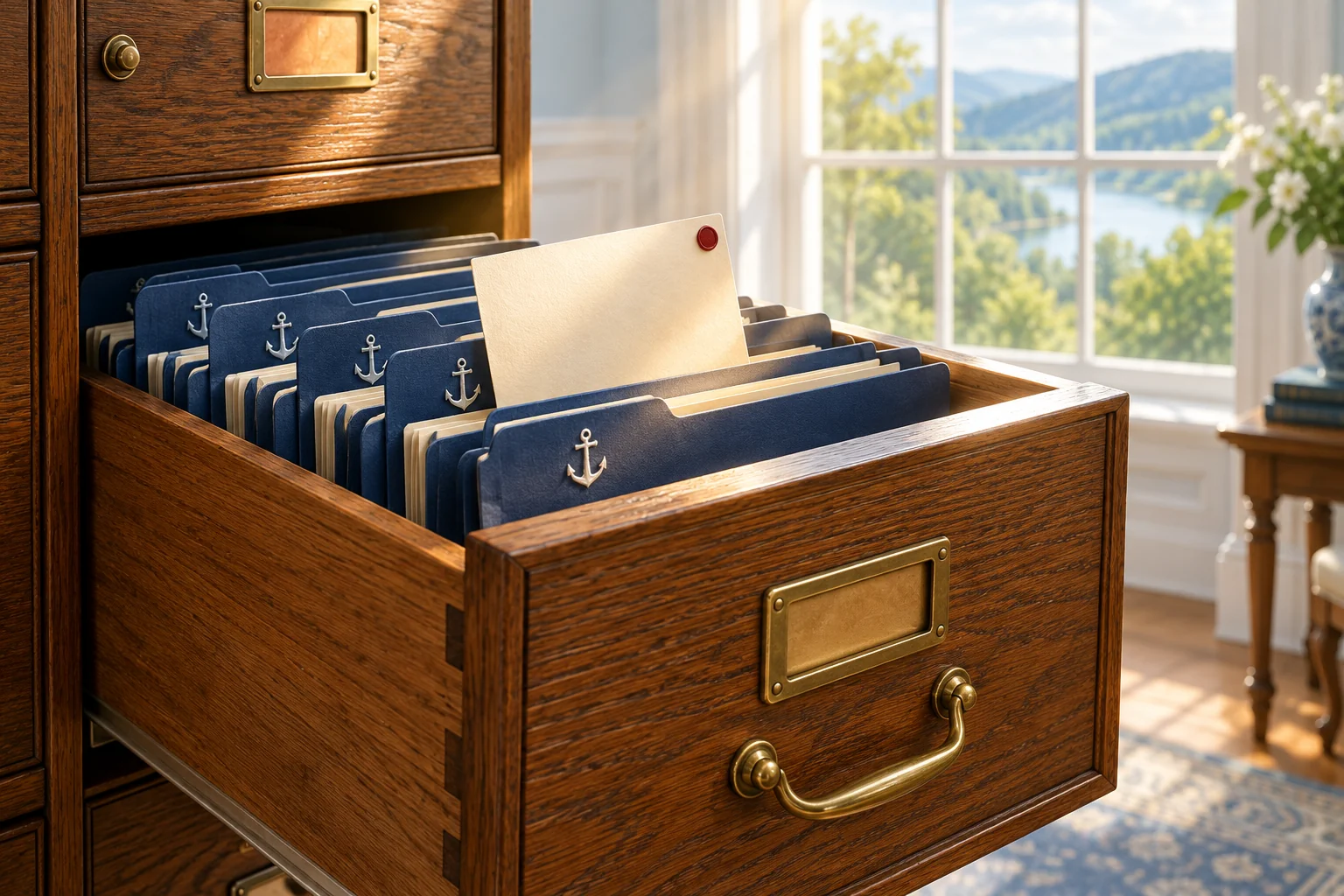
The Hyde Park Aide-Mémoire (1944)
On 18–19 September 1944 Roosevelt and Churchill rejected international control of the bomb, envisaged its possible use against Japan, promised post-war collaboration and ordered inquiries into Niels Bohr; the American copy was later misfiled and lost for years.

Heisenberg Meets Bohr in Copenhagen (1941)
In September 1941 Heisenberg visited Bohr in occupied Copenhagen; Heisenberg's 1957 account and Bohr's unsent drafts, released by the Niels Bohr Archive on 6 February 2002, give two different memories of the same talk.
Japan's Ni-Go and F-Go Projects (1941–1945)
Japan's Army (Ni-Go, thermal diffusion at RIKEN) and Navy (F-Go, a centrifuge design in Kyoto) pursued atomic bombs separately, but shortages of uranium, power and industry kept both at laboratory scale until the war ended.
Kurchatov and the Soviet Project Begins (1942–1944)
A GKO decree of 28 September 1942 restarted Soviet uranium research, Igor Kurchatov took scientific charge in February 1943 and Laboratory No. 2 was founded on 12 April 1943, a small effort shaped by intelligence that Kurchatov checked critically.
The Montreal Laboratory and ZEEP (1945)
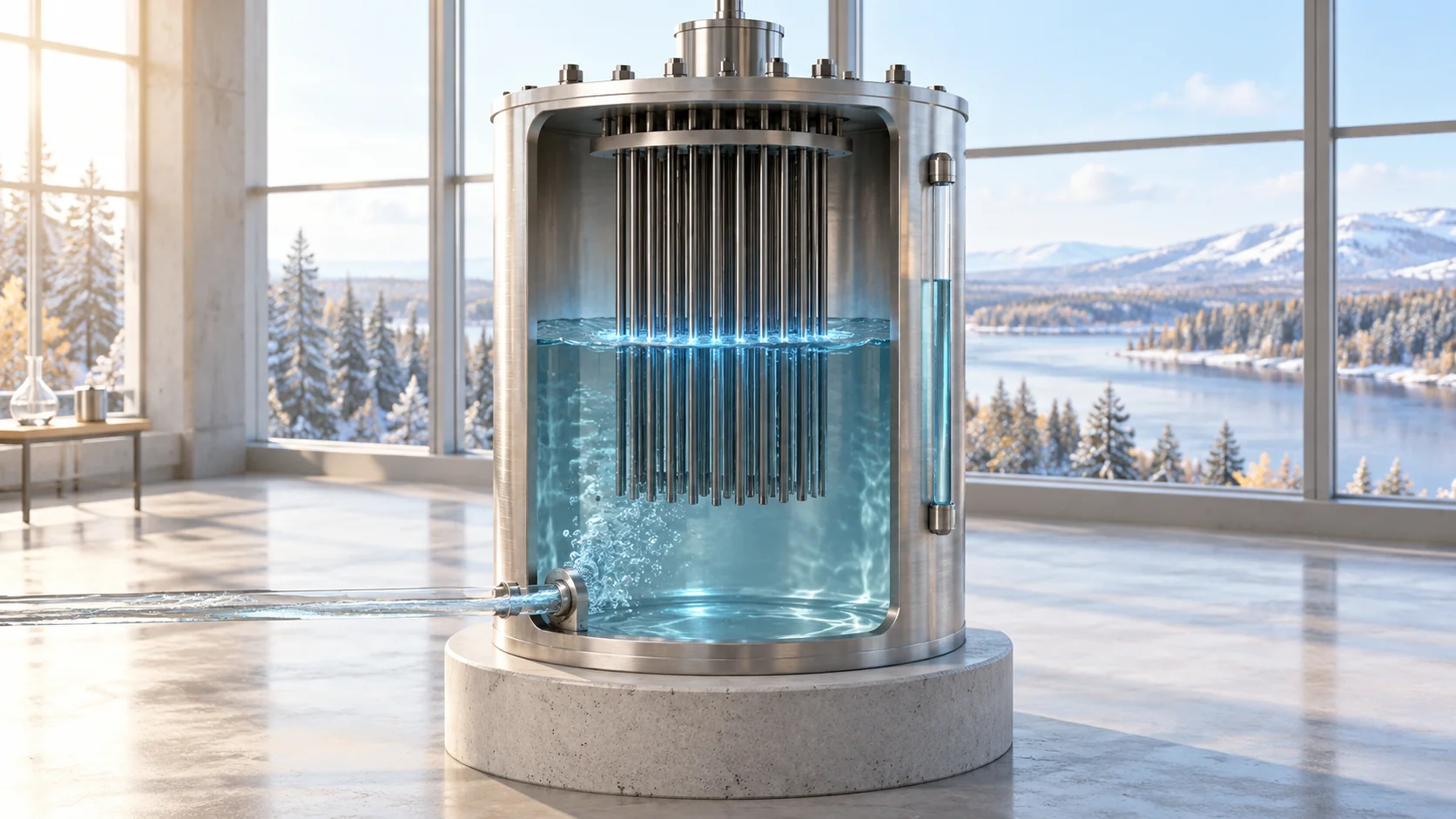
On 5 September 1945 ZEEP, a 30-watt heavy-water pile built at Chalk River by the Montreal Laboratory, became the first reactor to go critical outside the United States.