Nuclear History archive — page 25

Lise Meitner Escapes Nazi Germany (1938)
Stripped of her protection by the 1938 Anschluss and barred from travelling abroad, Lise Meitner crossed into the Netherlands on 13 July 1938 with Dirk Coster's help and reached Sweden, where she would soon interpret nuclear fission.

Fermi's Nobel Prize and Escape to America (1938)
Enrico Fermi left Rome on 6 December 1938 for the Nobel ceremony in Stockholm and never went back, sailing on to New York, where he arrived on 2 January 1939, while the 'new elements' in his prize citation turned out to be fission fragments.

Bethe's Theory of Stellar Fusion (1938–1939)
After the March 1938 Washington conference on stellar energy, Hans Bethe calculated the proton-proton chain (with Charles Critchfield) and the CNO cycle, matched them to the brightness of stars, and published in Physical Review on 1 March 1939.

The Nucleus as a Drop: Bohr's Compound Nucleus (1936)
In February 1936 Niels Bohr proposed that a captured neutron shares its energy with the whole nucleus, forming a long-lived compound nucleus; the idea explained Fermi's resonances and later framed the theory of fission.

Yukawa's Meson Theory (1935)
In 1934–35 Hideki Yukawa proposed that the nuclear force is carried by a particle about 200 electron masses heavy; the cosmic-ray muon was mistaken for it until Powell's team found the pion in 1947.

Ida Noddack's Unheeded Warning (1934)
In September 1934 Ida Noddack criticised Fermi's element 93 claim and suggested that heavy nuclei might break into large fragments; lacking evidence and clashing with accepted ideas, the suggestion went untested until barium was found in 1938.
Fermi Discovers the Slow-Neutron Effect (1934)
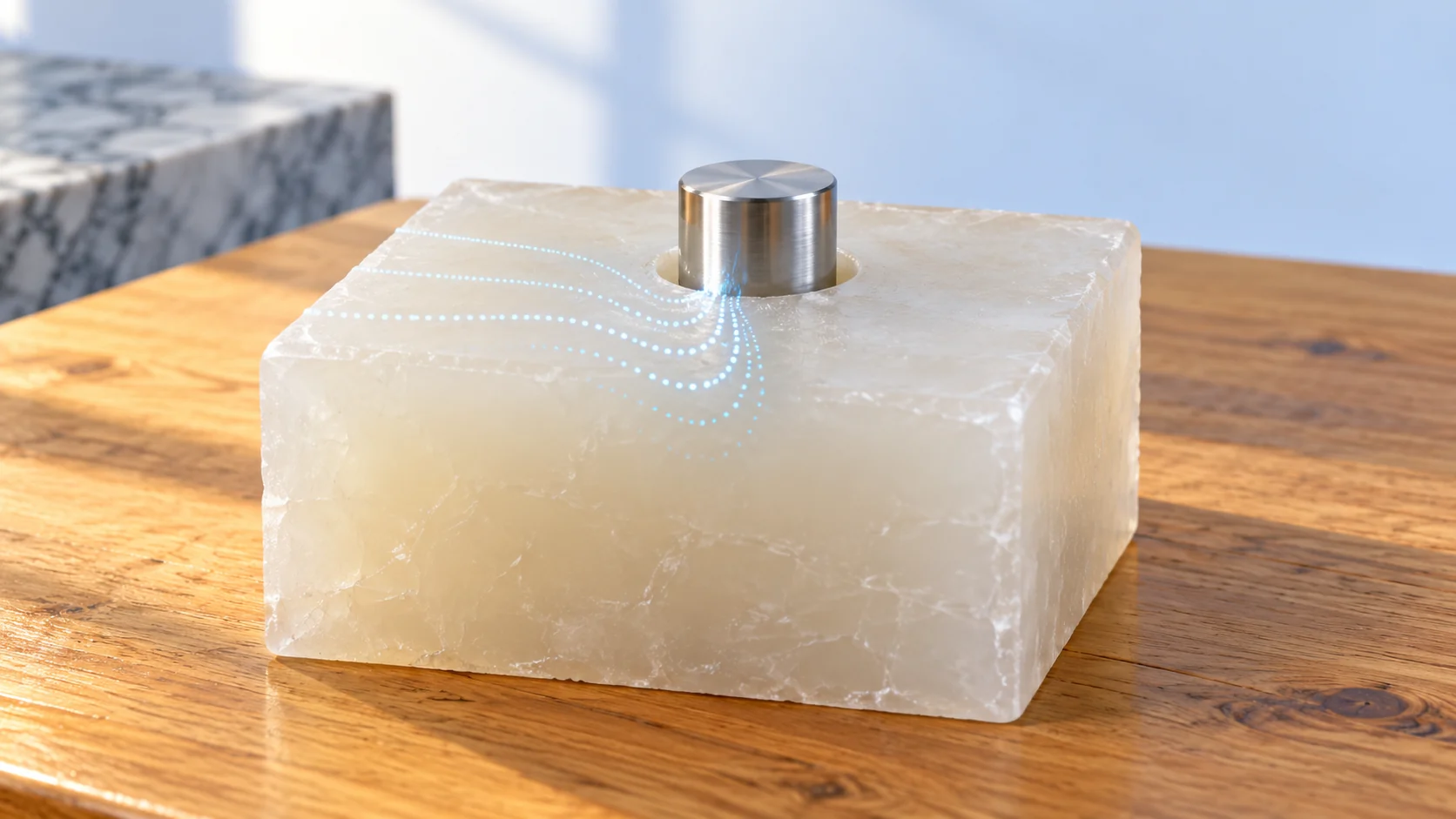
In October 1934 Fermi's team found that neutrons slowed by hydrogen in paraffin or water made silver far more radioactive, the origin of the reactor moderator and of a patent the US settled for $300,000 in 1953.
Fermi's Neutron Experiments (1934)
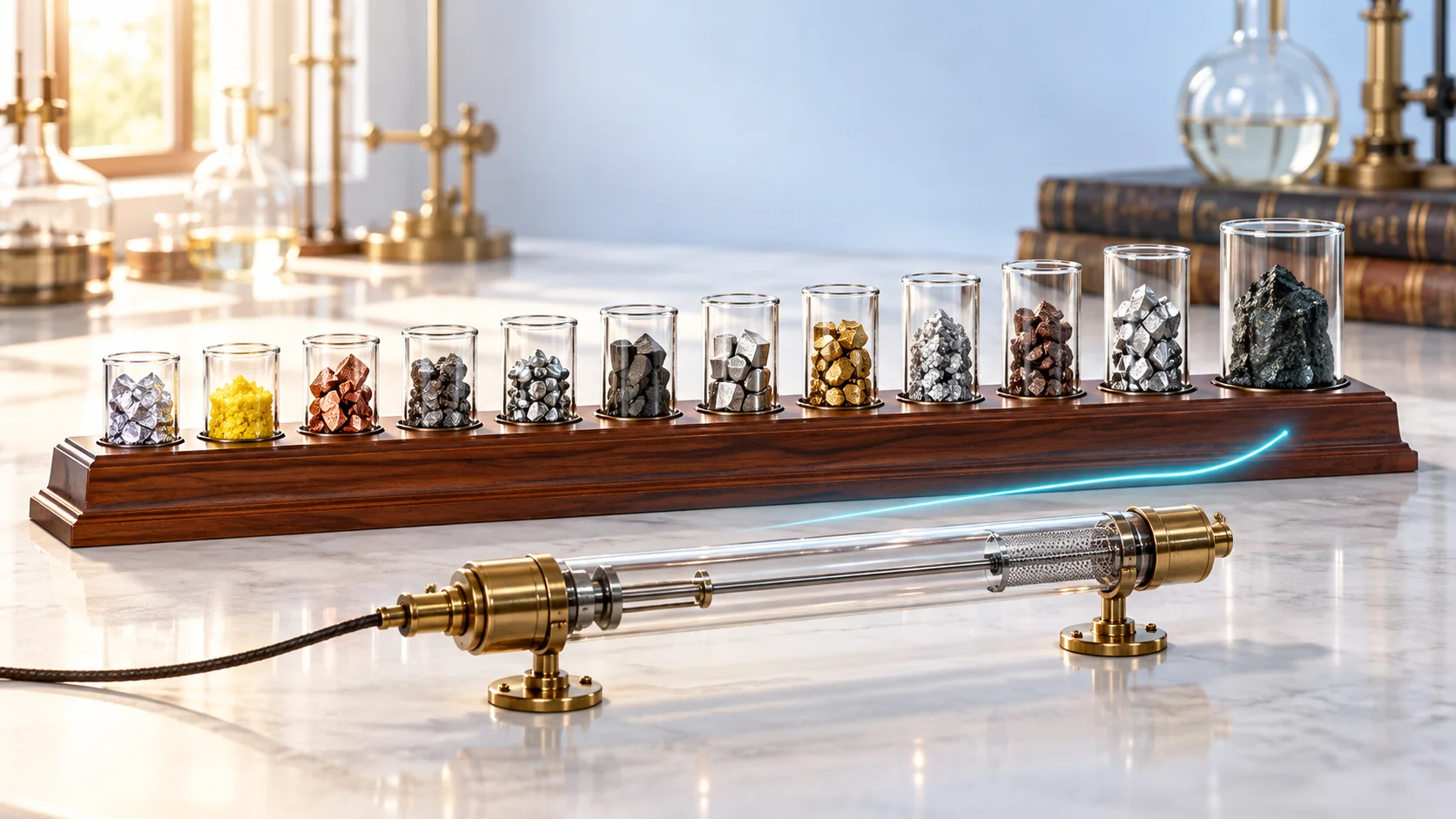
In 1934 Enrico Fermi and the Via Panisperna boys bombarded the periodic table with neutrons, activated 37 of 63 elements, and cautiously suggested that uranium had produced element 93.
The Joliot-Curies Create Artificial Radioactivity (1934)
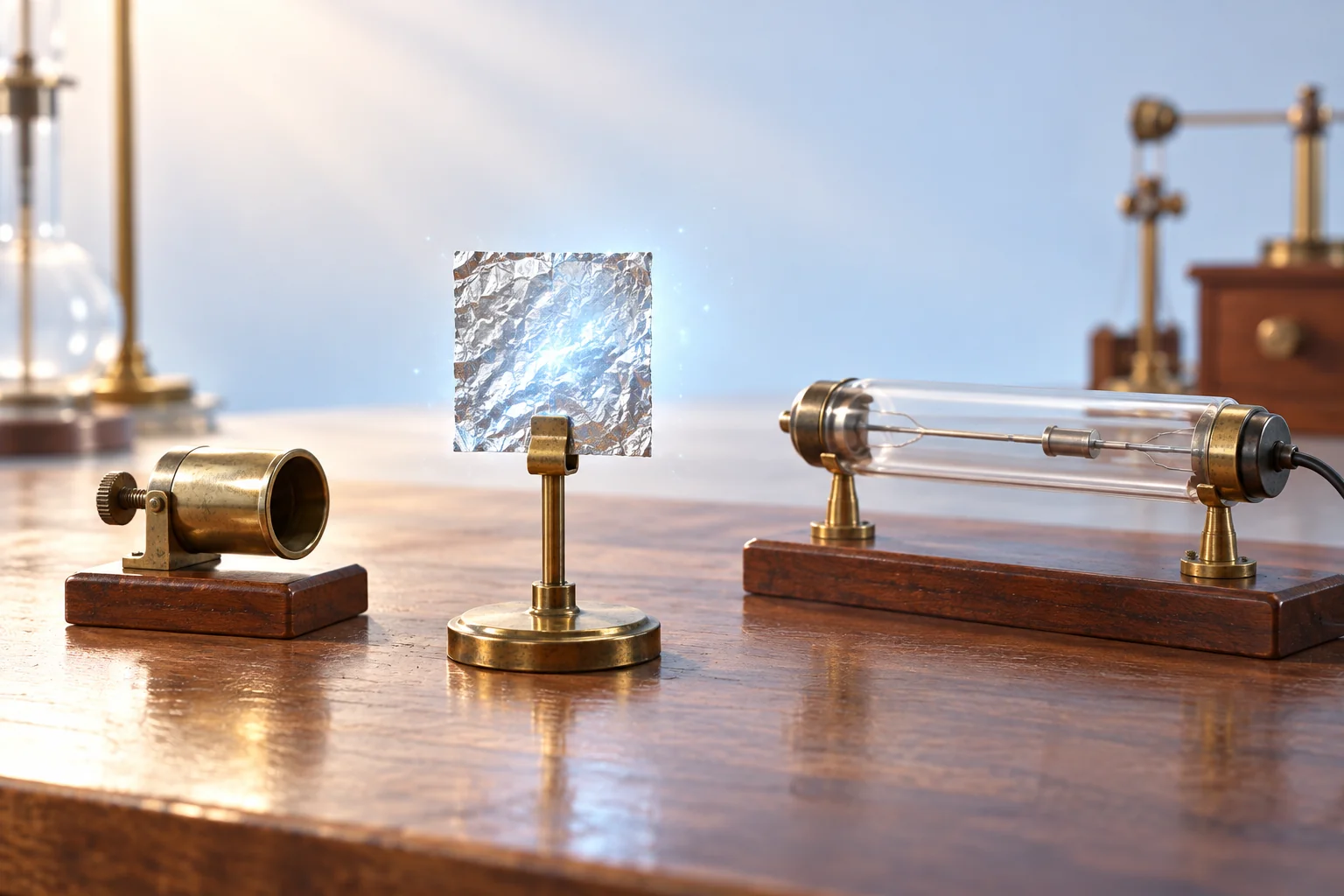
In January 1934 Irène and Frédéric Joliot-Curie turned aluminium into radioactive phosphorus-30 with alpha particles, showing for the first time that radioactivity could be made, and won the 1935 Nobel Prize in Chemistry.
Szilard's Chain Reaction and Secret Patent
In 1933 Leo Szilard imagined a self-sustaining neutron chain reaction, patented it with the notion of a critical size in 1934, and had the patent kept secret by the British Admiralty until 1949.