Nuclear History archive — page 24
Nishina's Cyclotrons in Tokyo (1937–1940)
Yoshio Nishina's RIKEN laboratory started a cyclotron in April 1937, and in 1940 his team with chemist Kenjiro Kimura found uranium-237 and symmetric fission by fast neutrons, narrowly missing element 93.
Szilard's Campaign for Voluntary Secrecy (1939–1940)
In spring 1939 Leo Szilard urged physicists to hold back fission results; Joliot refused, but in 1940 a voluntary National Research Council committee led by Gregory Breit kept American fission papers out of print.
Germany's Uranium Club (1939)
In April 1939 an education-ministry meeting formed Germany's informal Uranium Club while two Hamburg chemists warned the army of a new explosive; after war began, Army Ordnance relaunched the group in September.
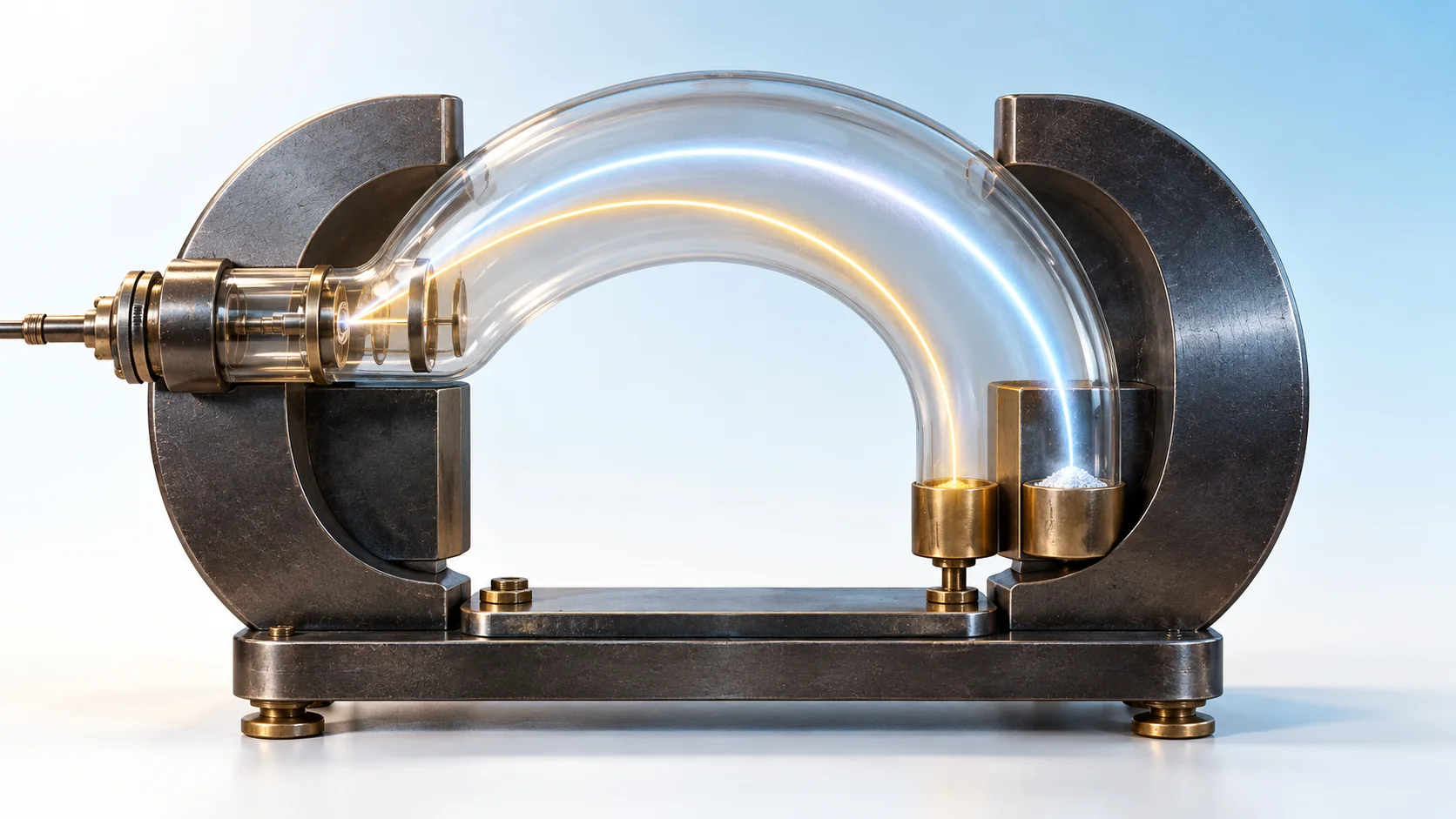
Bohr, Wheeler and Uranium-235 (1939)
In February 1939 Niels Bohr argued that rare U-235, not U-238, splits with slow neutrons; the Bohr–Wheeler theory published on 1 September 1939 explained why, and Nier and Dunning's separated samples confirmed it in March 1940.

One Begets Two: Fission Neutrons, 1939
In spring 1939 Szilard and Zinn, Fermi's team and Joliot's Paris group found that each fission frees more than one neutron (Paris: 3.5 ± 0.7; today about 2.4), opening the road to a chain reaction.
Fission Confirmed Around the World, 1939
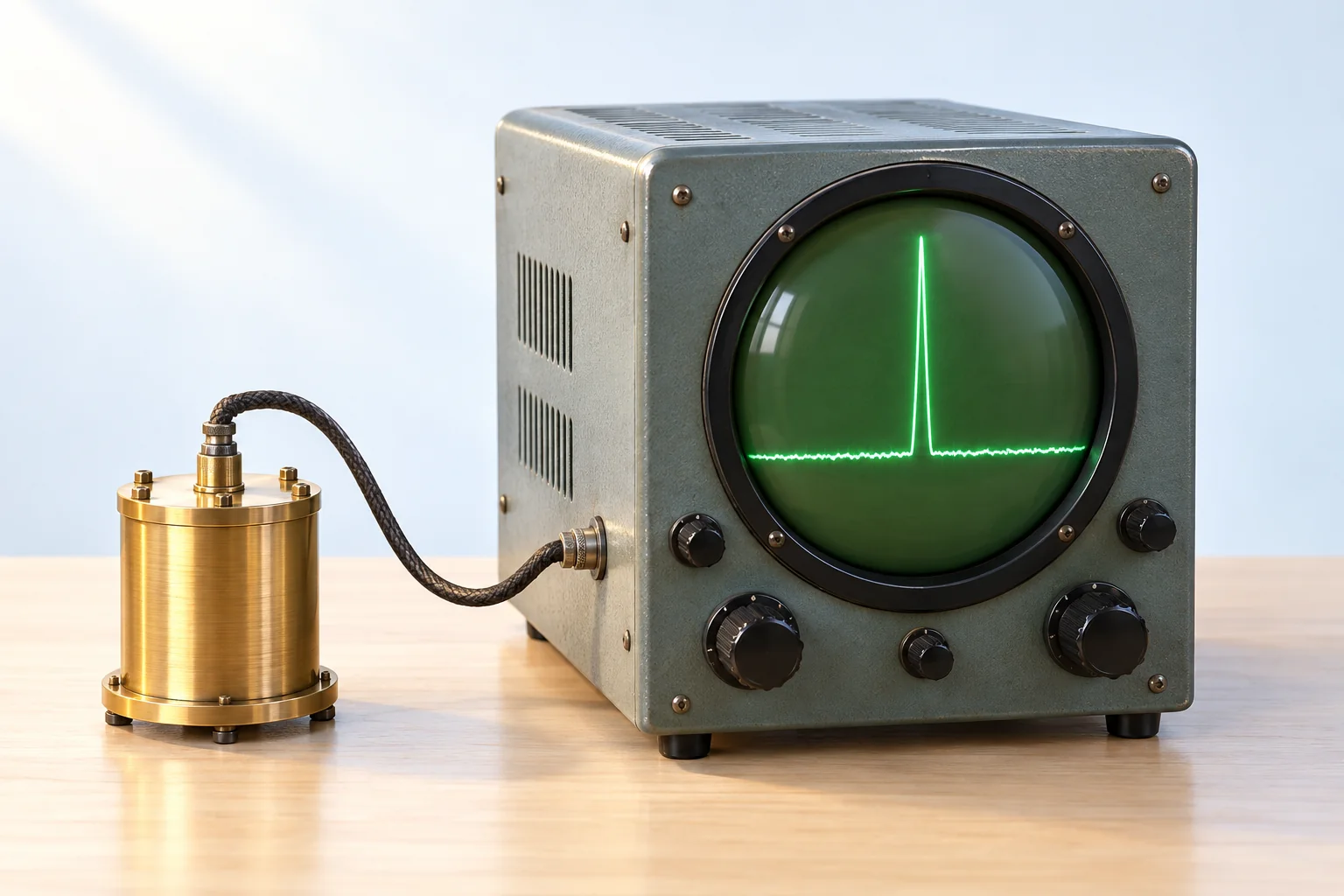
From Frisch in Copenhagen on 13 January to Columbia, Carnegie, Johns Hopkins, Berkeley and Paris by the end of January 1939, replication turned fission into an accepted fact.
Bohr Brings Fission to America (1939)
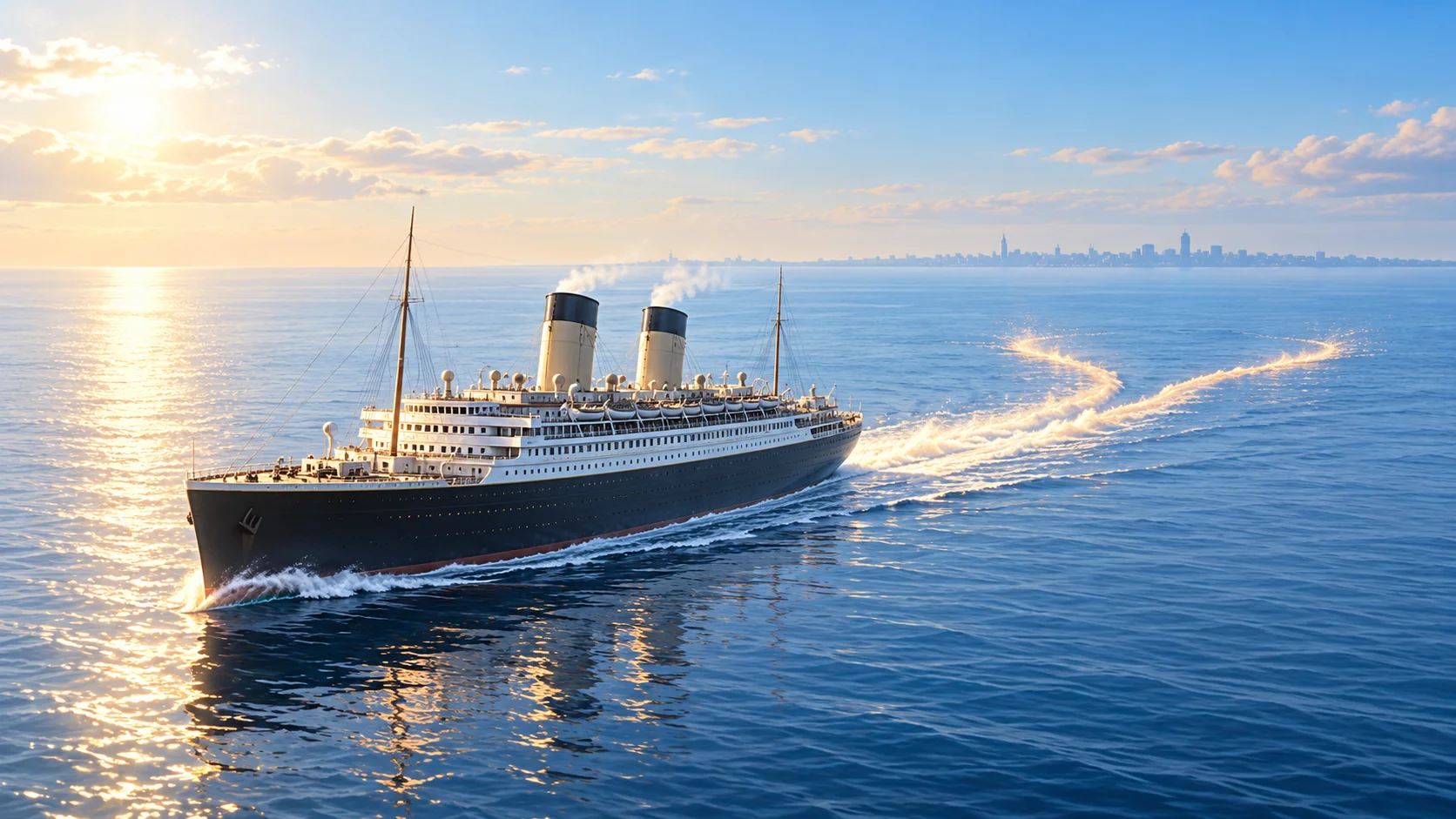
In January 1939 Bohr and Rosenfeld sailed from Gothenburg to New York with the news of fission; Rosenfeld told a Princeton seminar the night they landed, and Bohr and Fermi announced it in Washington on 26 January.

How "Fission" Got Its Name (1939)
In January 1939 Otto Frisch asked biologist William Arnold what bacteria do when they divide; 'binary fission' became 'nuclear fission', first printed in Nature on 11 February 1939.

Meitner and Frisch Explain Fission (1938–1939)
Around Christmas 1938 Lise Meitner and Otto Frisch pictured the uranium nucleus as a wobbly liquid drop, estimated about 200 MeV per split from both electric repulsion and E = mc², and Frisch detected the fragments' large pulses on 13 January 1939.
It Wasn't Radium, It Was Barium
In December 1938 Hahn and Strassmann proved that their supposed radium isotopes behaved exactly like barium, the chemical evidence that the uranium nucleus had split.