Nuclear History archive — page 22

The 1942 Berkeley Summer Study and the "Super"
In summer 1942 Oppenheimer's "luminaries" at Berkeley concluded a fission bomb was feasible but needed about twice the material once estimated, discussed Teller's fusion Super, and judged atmospheric ignition extremely unlikely.

Why Groves Picked Oppenheimer (1942)
In October 1942 Leslie Groves settled on J. Robert Oppenheimer to direct the bomb laboratory despite concerns over his inexperience, politics and lack of a Nobel Prize, and on 16 November the two chose the Los Alamos Ranch School mesa as its site.
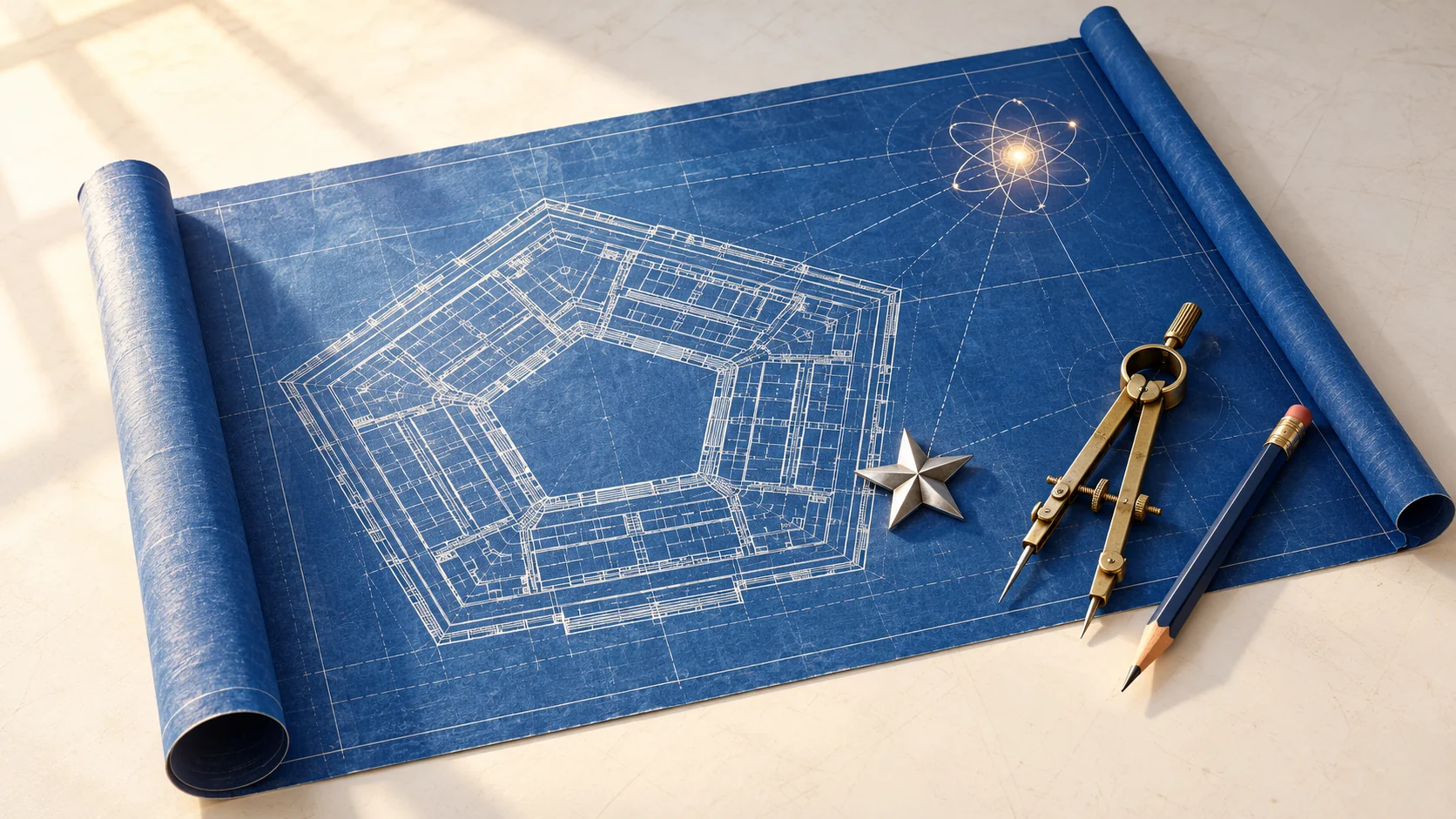
General Groves Takes Over the Manhattan Project (1942)
Appointed on 17 September 1942 and promoted to brigadier general six days later, Leslie Groves bought 1,250 tons of uranium ore, secured the Tennessee site and the top AAA priority, and brought in DuPont within weeks.
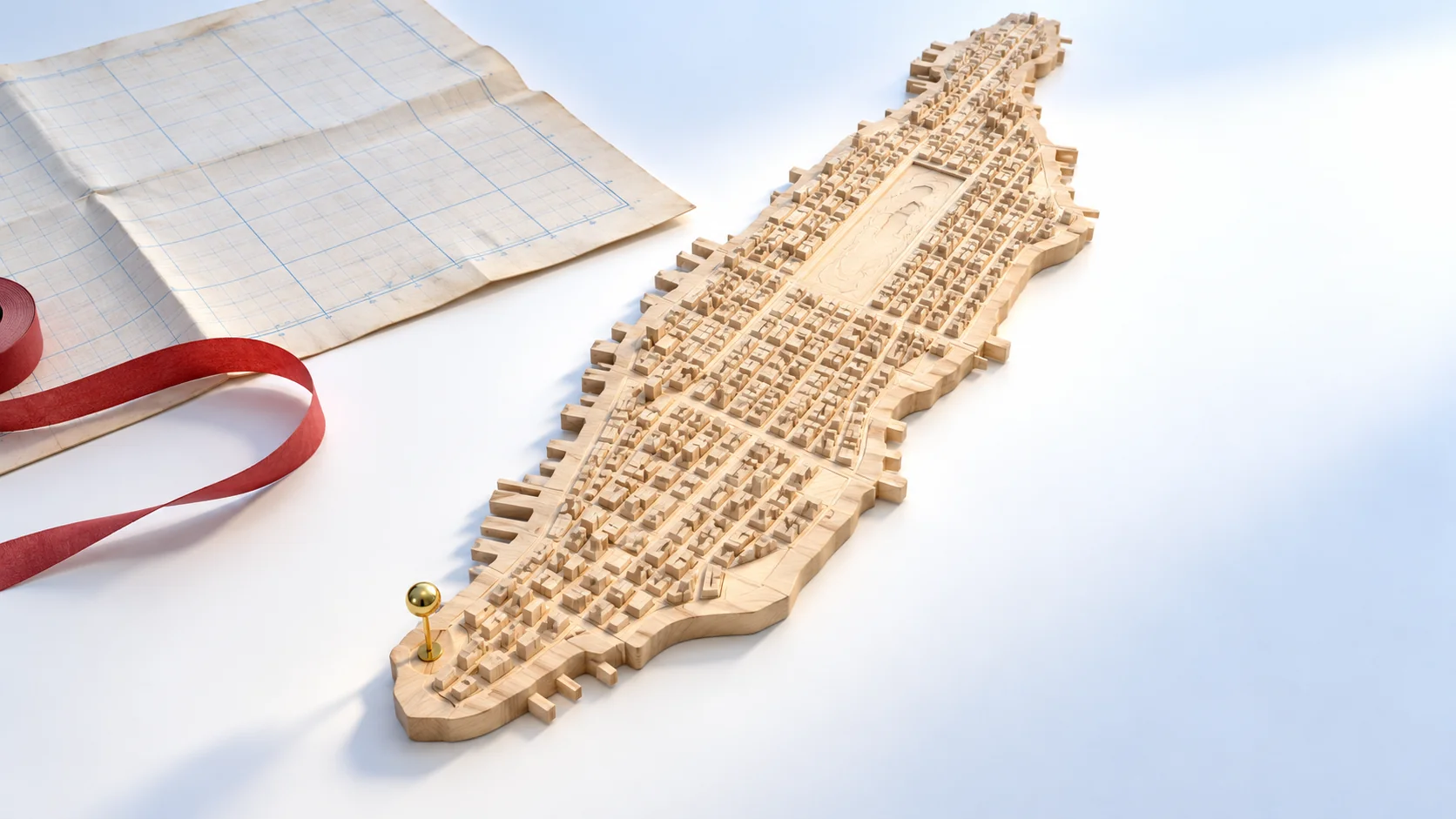
Why "Manhattan"? Creating the Manhattan Engineer District (1942)
In June 1942 Colonel James C. Marshall was told to form a special Army engineer district for the bomb project; on 13 August it became the Manhattan Engineer District, named after its first headquarters at 270 Broadway, New York.

The Birth of Chicago's Met Lab (1942)
Arthur Compton's January 1942 decision to centralise reactor and plutonium research in Chicago created the Metallurgical Laboratory, which grew from 153 to over 2,000 staff and became Argonne National Laboratory.

Code Name S-1 — The Committee Behind the Bomb Research
Renamed S-1 in 1941 to hide the word uranium, the committee reorganized for an all-out effort in December 1941, chose in May 1942 to push all four production routes, and in June 1942 became a six-member executive committee as the Army took over construction.

Pearl Harbor and the Bomb Decision (1941)
Roosevelt approved accelerated uranium research on 9 October 1941 and S-1 announced an all-out effort on 6 December; after Pearl Harbor the programme gained wartime urgency and money, and full-scale plants were approved in December 1942.
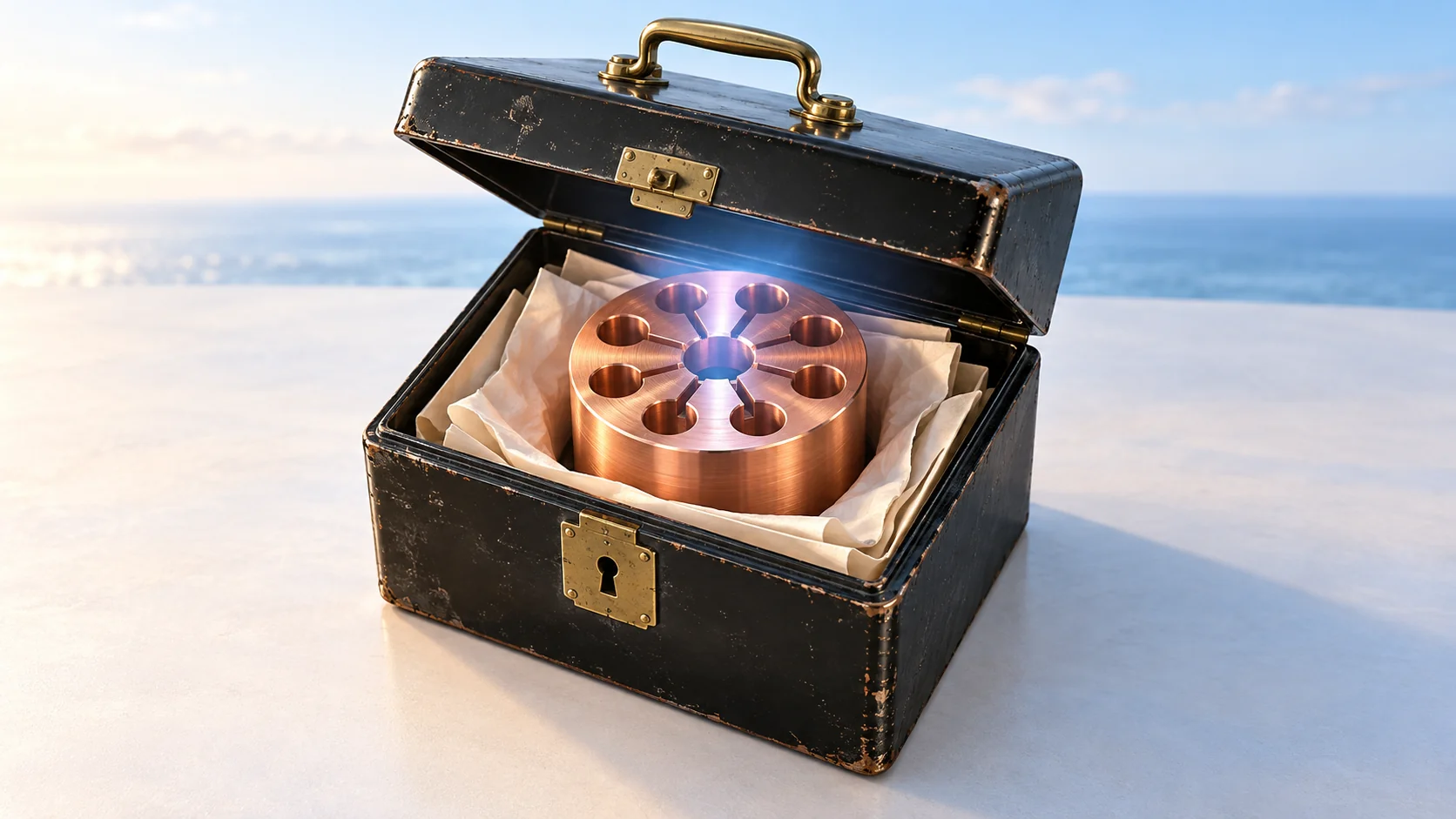
The Tizard Mission (1940)
Between August and November 1940 the Tizard Mission shared the cavity magnetron, jet engine data and early MAUD Committee uranium work with the United States, founding the radar boom and the channel for later nuclear cooperation.

Vannevar Bush, the NDRC and the OSRD (1940–1941)
In June 1940 Vannevar Bush won Roosevelt's approval for the NDRC, which absorbed the uranium committee, and in June 1941 Executive Order 8807 turned it into the OSRD, home of the S-1 uranium section.
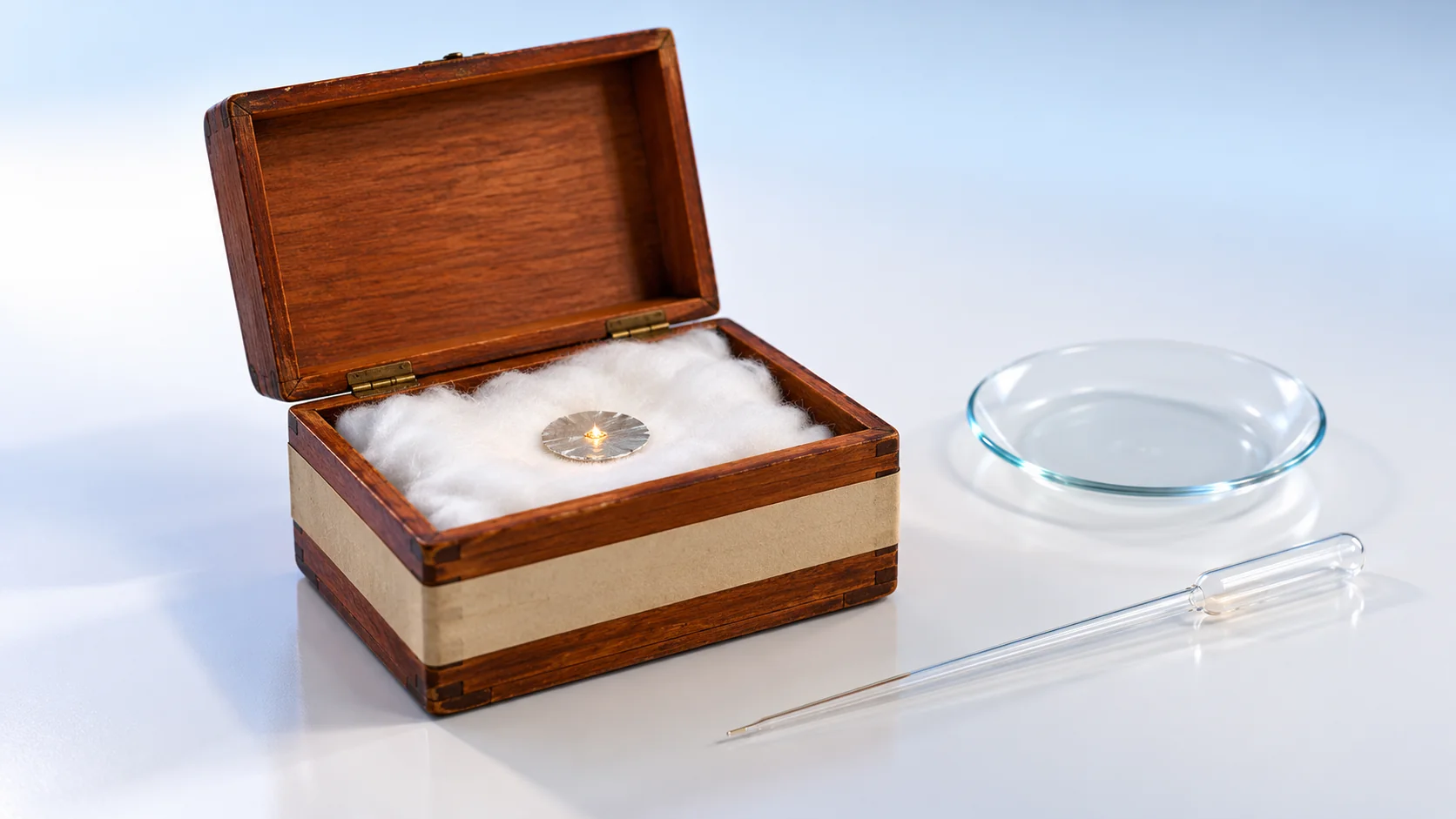
Seaborg and the Discovery of Plutonium (1941)
On the night of 23 February 1941 Seaborg's Berkeley team identified element 94; on 28 March a 0.5-microgram sample showed plutonium-239 splits under slow neutrons, about 1.7 times more readily than uranium-235.