Nuclear History archive — page 21
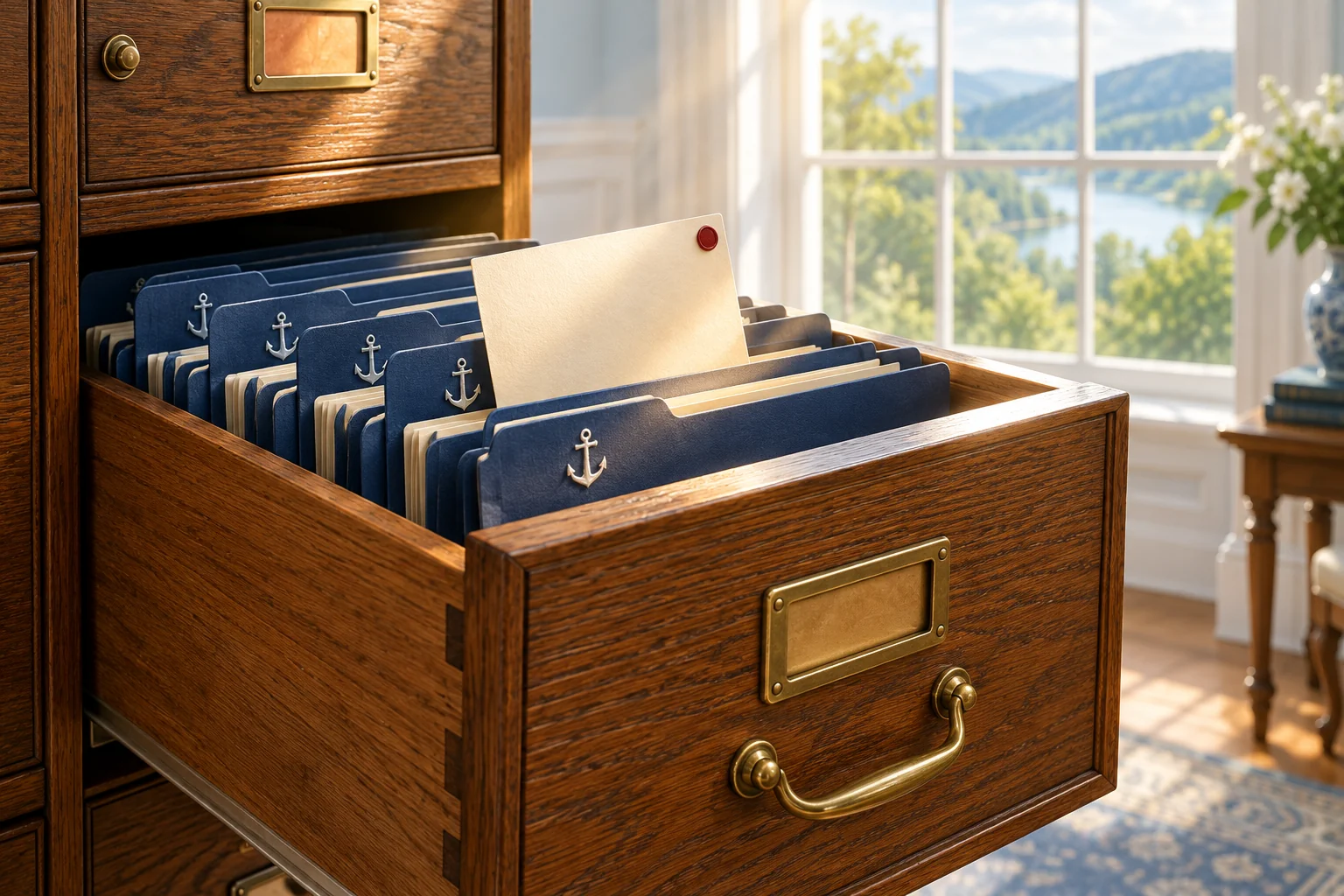
The Hyde Park Aide-Mémoire (1944)
On 18–19 September 1944 Roosevelt and Churchill rejected international control of the bomb, envisaged its possible use against Japan, promised post-war collaboration and ordered inquiries into Niels Bohr; the American copy was later misfiled and lost for years.

Heisenberg Meets Bohr in Copenhagen (1941)
In September 1941 Heisenberg visited Bohr in occupied Copenhagen; Heisenberg's 1957 account and Bohr's unsent drafts, released by the Niels Bohr Archive on 6 February 2002, give two different memories of the same talk.
Japan's Ni-Go and F-Go Projects (1941–1945)
Japan's Army (Ni-Go, thermal diffusion at RIKEN) and Navy (F-Go, a centrifuge design in Kyoto) pursued atomic bombs separately, but shortages of uranium, power and industry kept both at laboratory scale until the war ended.
Kurchatov and the Soviet Project Begins (1942–1944)
A GKO decree of 28 September 1942 restarted Soviet uranium research, Igor Kurchatov took scientific charge in February 1943 and Laboratory No. 2 was founded on 12 April 1943, a small effort shaped by intelligence that Kurchatov checked critically.

The Montreal Laboratory and ZEEP (1945)
On 5 September 1945 ZEEP, a 30-watt heavy-water pile built at Chalk River by the Montreal Laboratory, became the first reactor to go critical outside the United States.
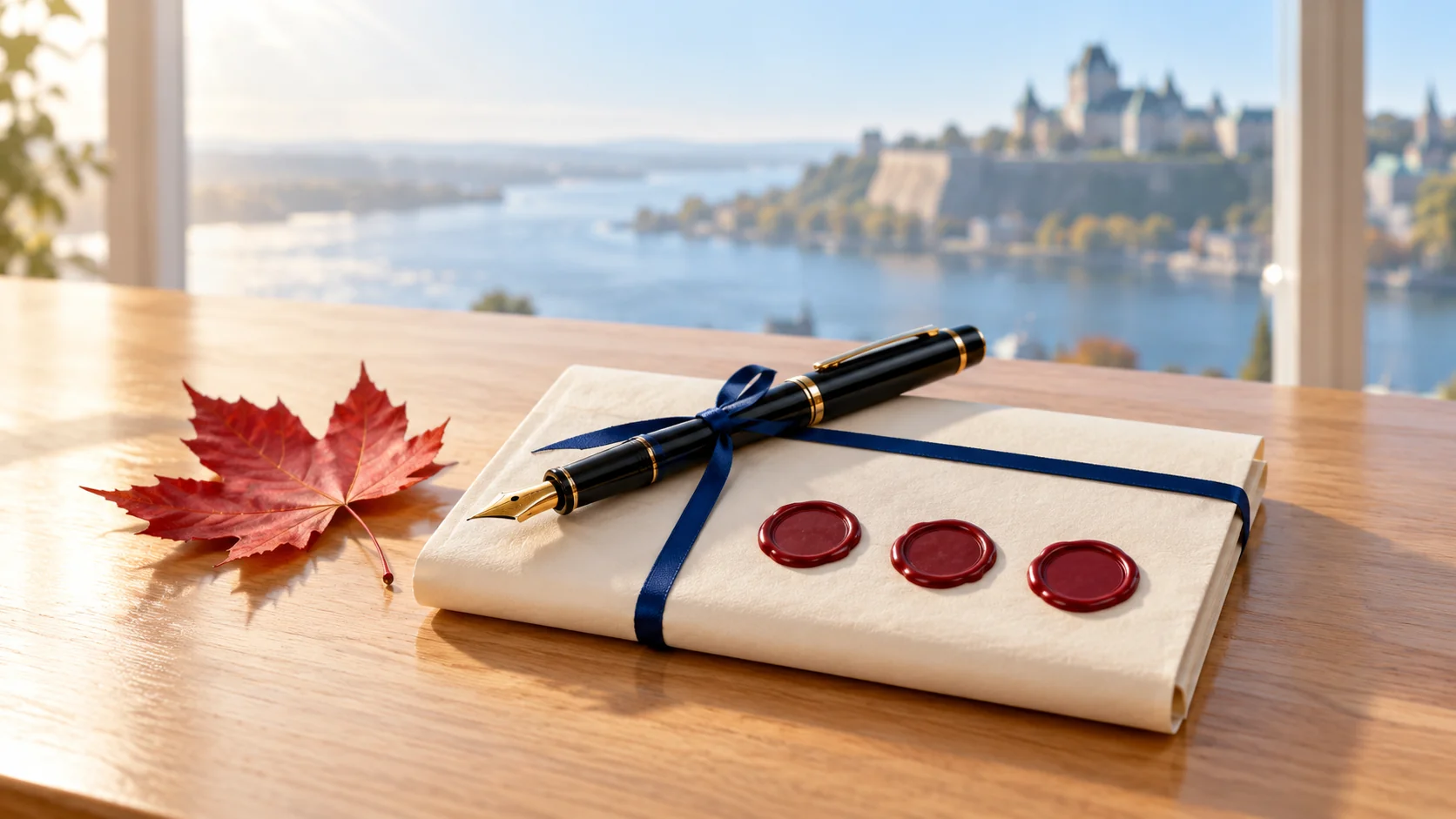
The Quebec Agreement (1943)
On 19 August 1943 Roosevelt and Churchill signed the Quebec Agreement, pledging never to use the bomb against each other, to require mutual consent for its use and for sharing secrets, and to run the joint effort through a Combined Policy Committee.

The Vemork Heavy Water Sabotage (1942–1944)
From Operation Freshman's 41 deaths to Gunnerside's bloodless raid, the November 1943 bombing and the ferry Hydro sinking, five moves against Norway's heavy water plant.
Leipzig L-IV Reactor Experiment (1942)
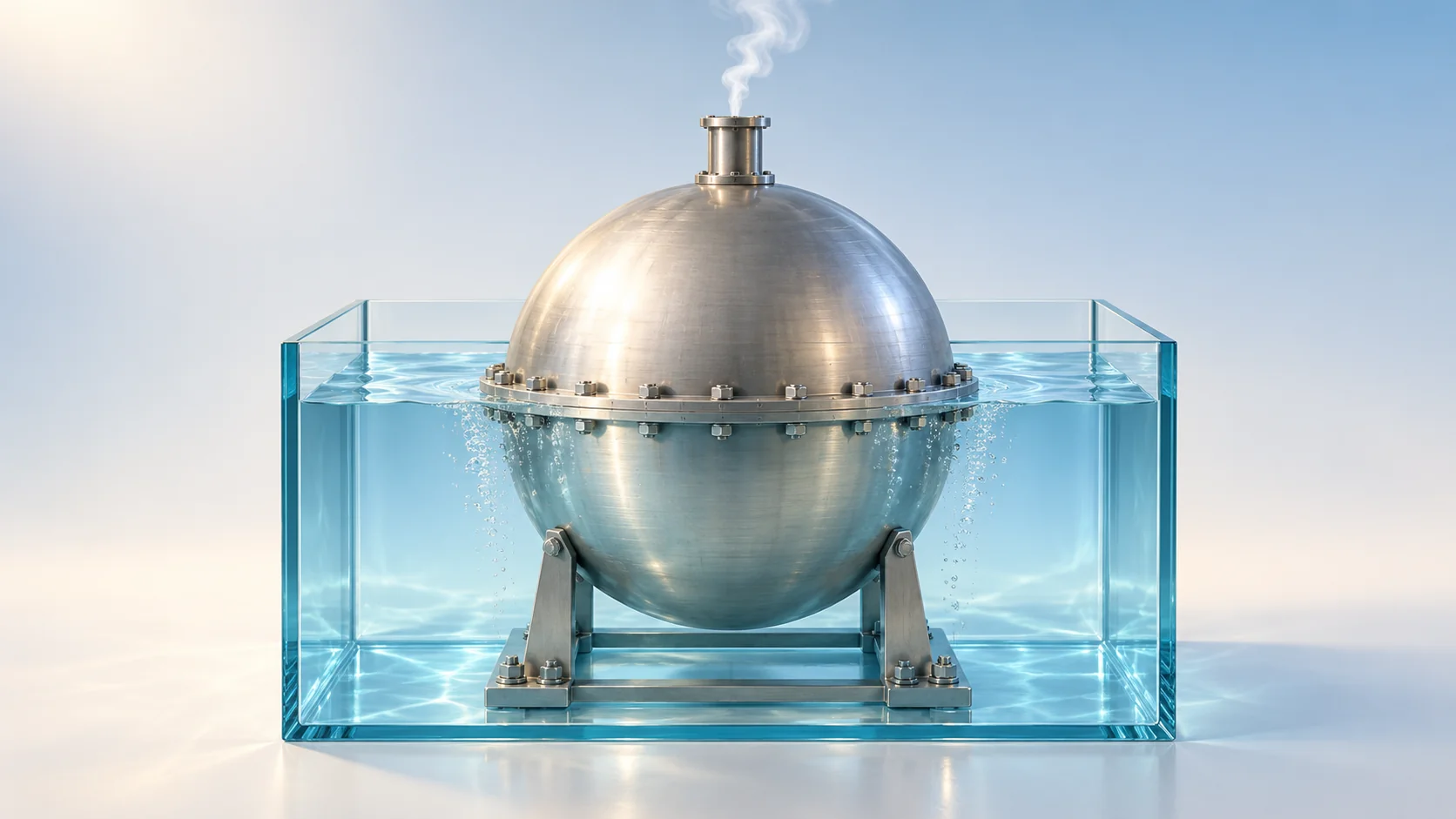
In 1942 Robert and Klara Döpel and Werner Heisenberg measured a small net neutron gain in the L-IV sphere, which ignited and burst on 23 June; a faulty graphite measurement and scarce heavy water kept German reactors from going critical.

"The Italian Navigator Has Landed": the People of 2 December 1942
After Chicago Pile-1 went critical on 2 December 1942, Compton phoned Conant in improvised code, Wigner opened a Chianti for a silent toast, and Szilard warned of a black day for mankind.
Chicago Pile-1 Goes Critical (1942)
On 2 December 1942 Chicago Pile-1, about 400 tons of graphite with uranium lumps, reached k = 1.0006 at 3:25 p.m. and ran at about half a watt for 28 minutes, the first controlled chain reaction.