Concept Dictionary archive — page 9
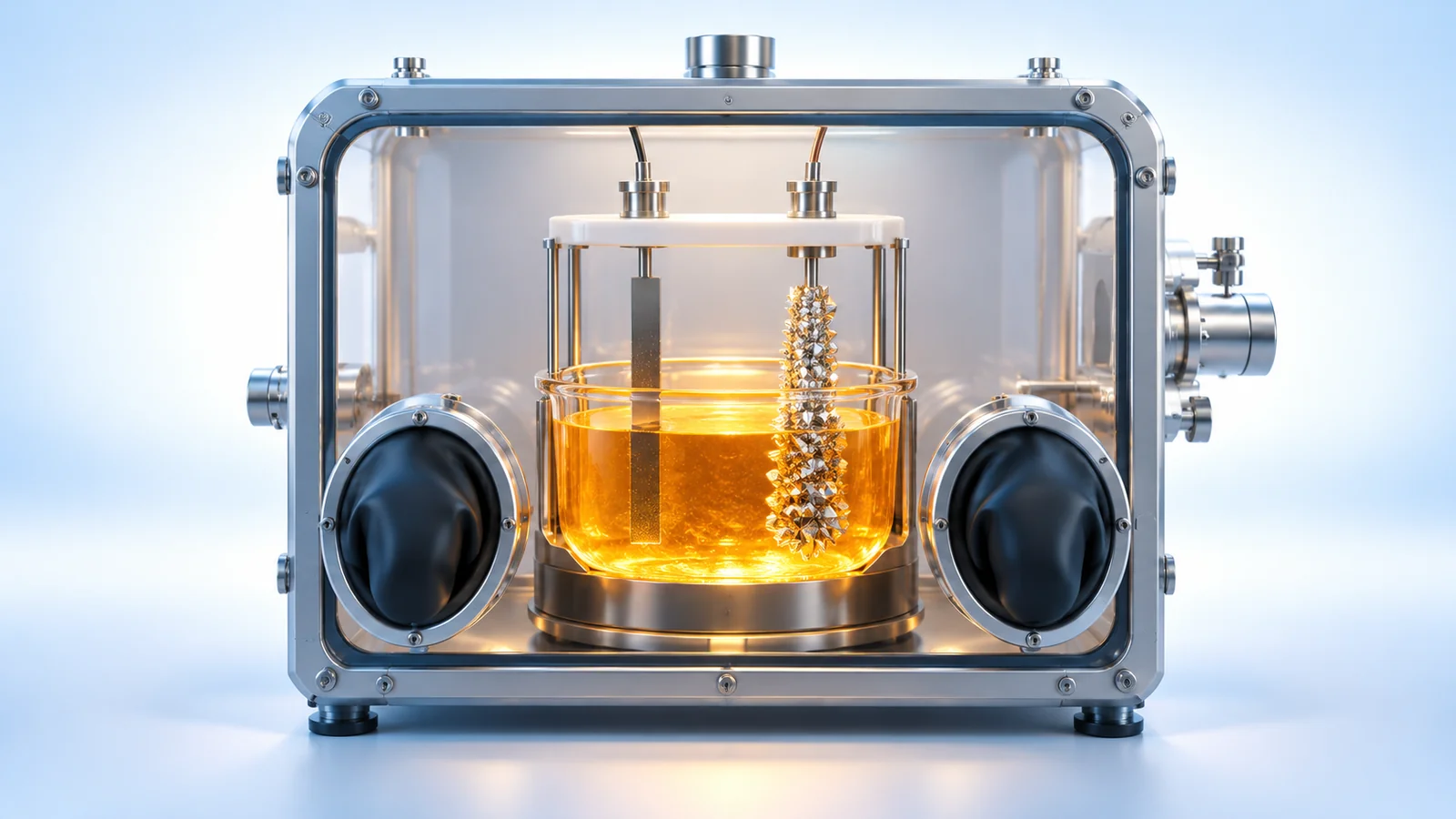
Pyroprocessing — molten-salt recovery of U and U/TRU
U deposits on a solid cathode and U+TRU in a liquid cadmium cathode because UCl₃ is the least stable actinide chloride; the waste-reduction benefit holds only if the TRU are burned in an SFR.
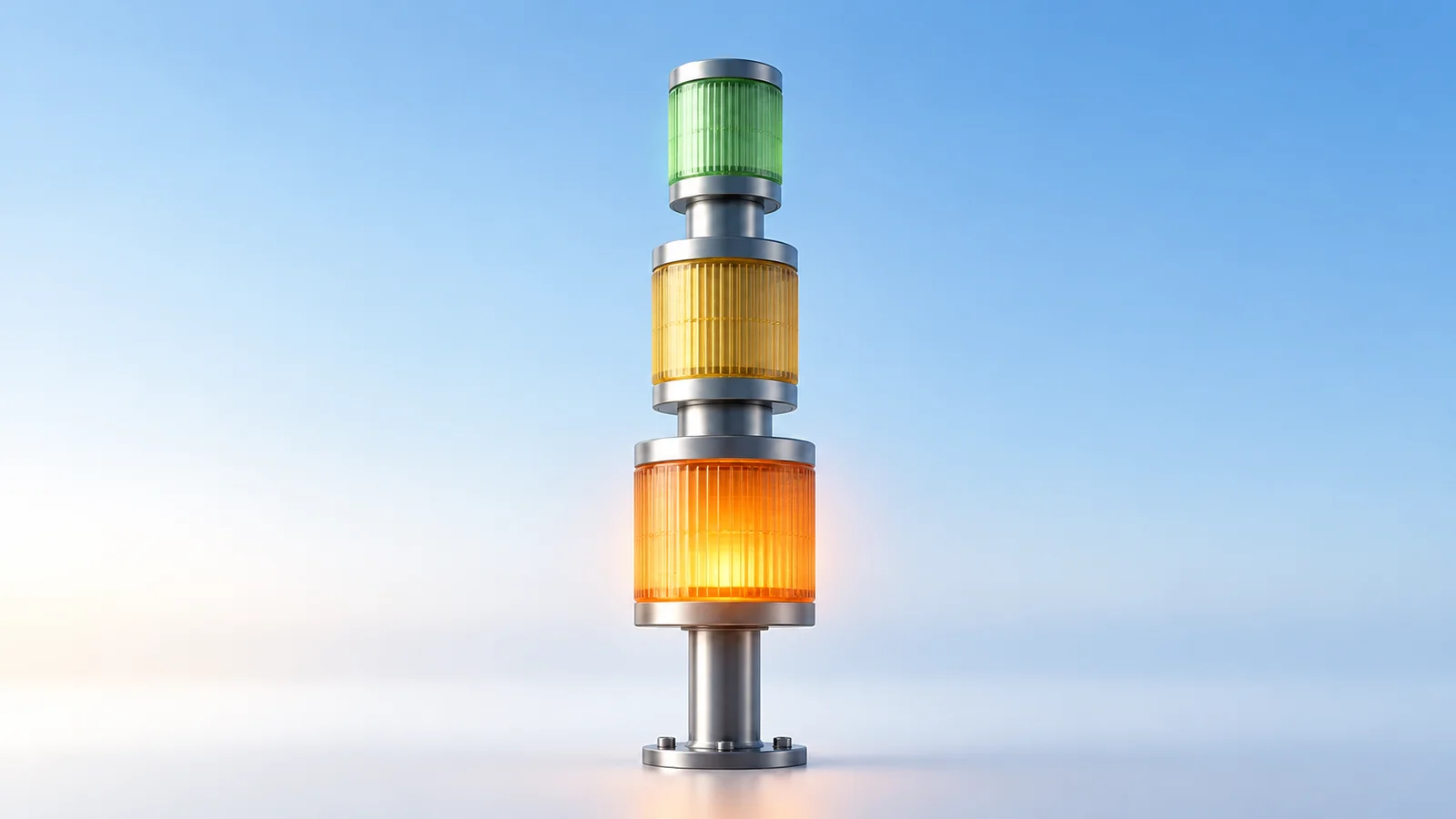
Radiation emergency classes — facility, site and general levels
Each class combines facility state with the expected extent of impact and is declared when damage occurs or is threatened; IAEA and US schemes use alert, site area and general emergency classes.
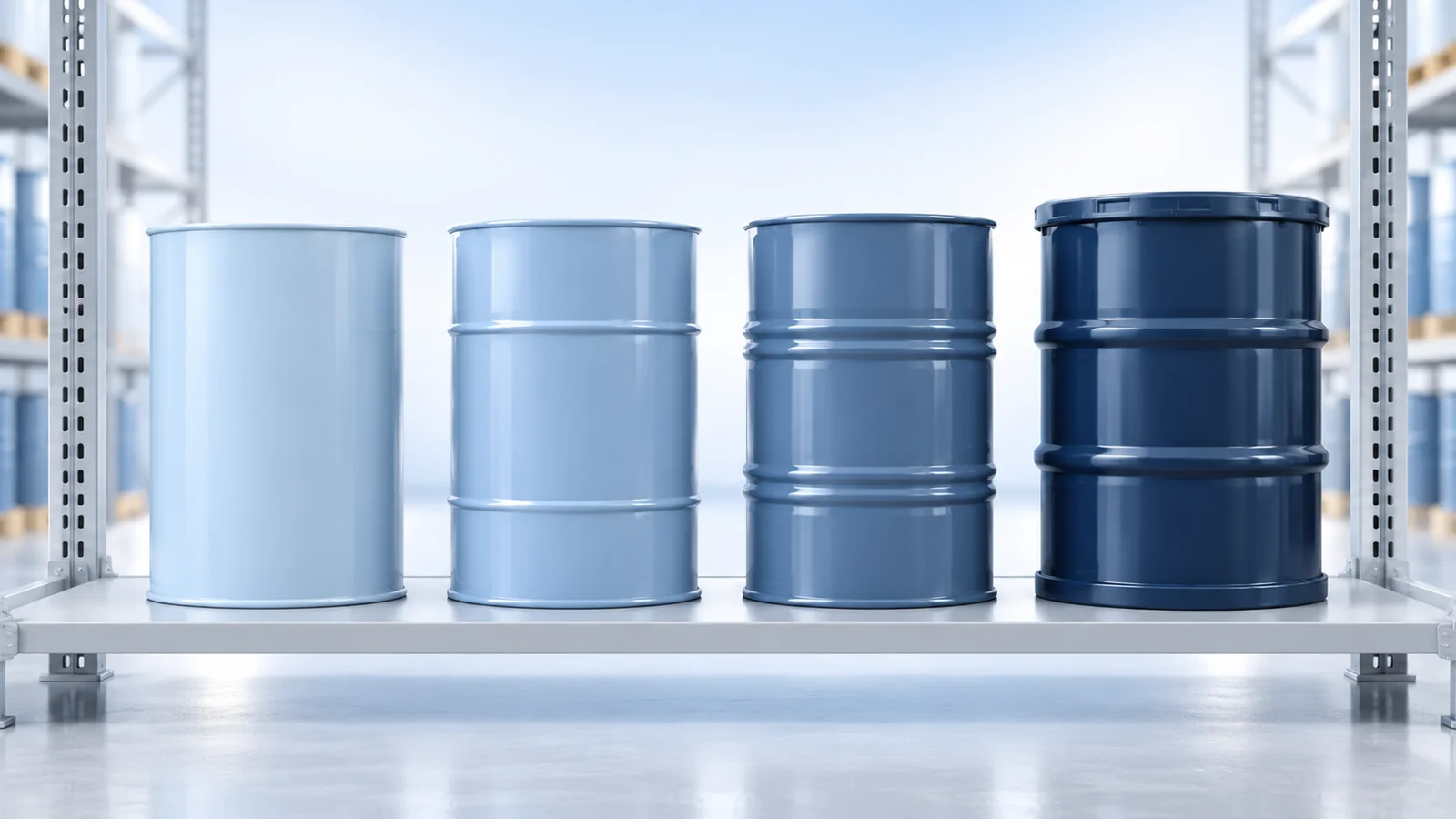
Radioactive waste classification — IAEA classes, clearance and US Classes A, B, C
IAEA GSG-1 defines six classes by the need for isolation without fixed numbers; the US sets Classes A, B and C by intruder-dose tables, e.g. 1, 44 and 4,600 Ci/m³ for Cs-137.
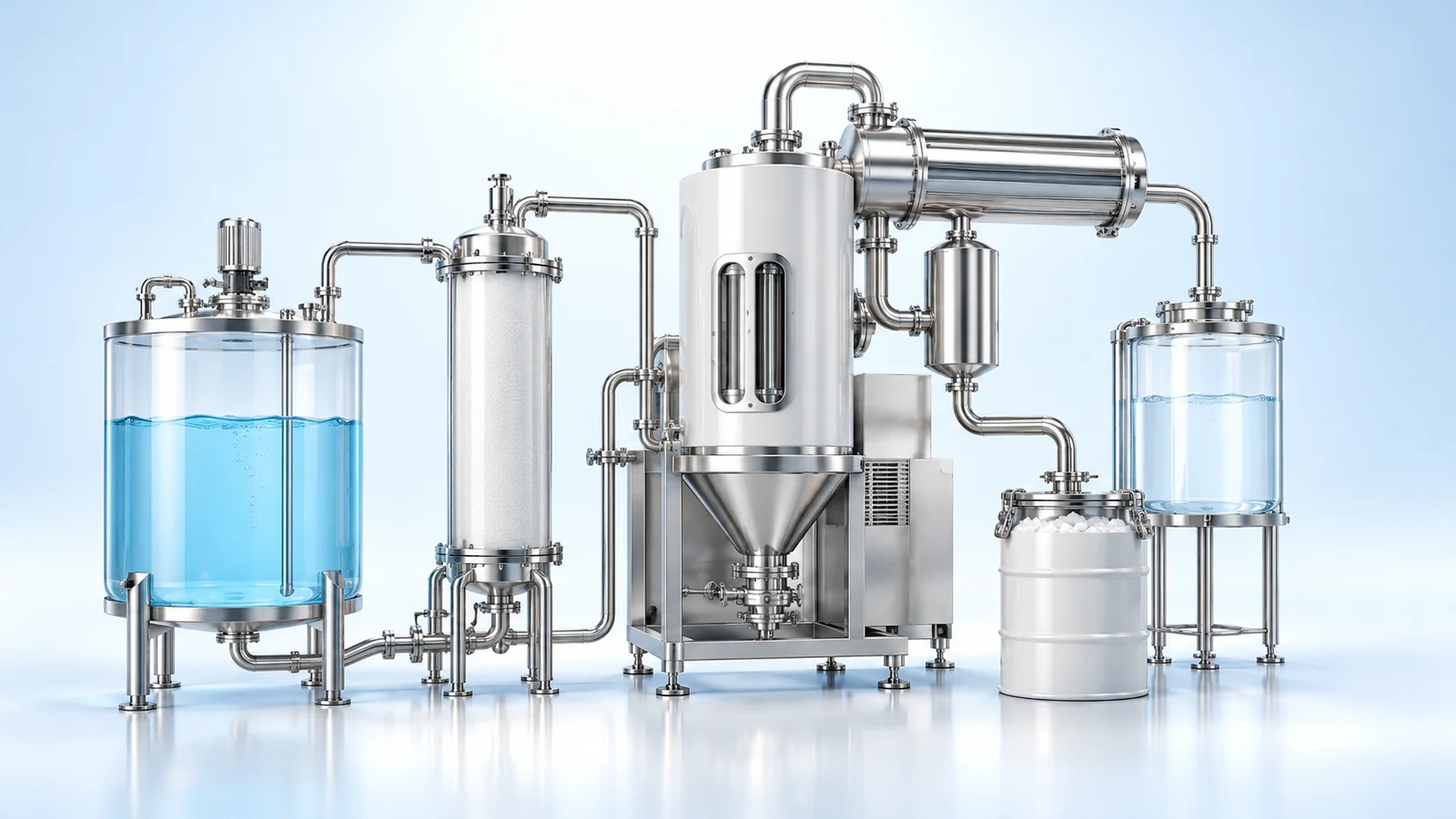
Radioactive waste treatment — sources, processes and decontamination factors
Gases are delayed and filtered before monitored release, liquids are evaporated or treated by RO and ion exchange before reuse or release, and solids are volume-reduced and packaged; DF multiplies in series and H-3 has DF 1.
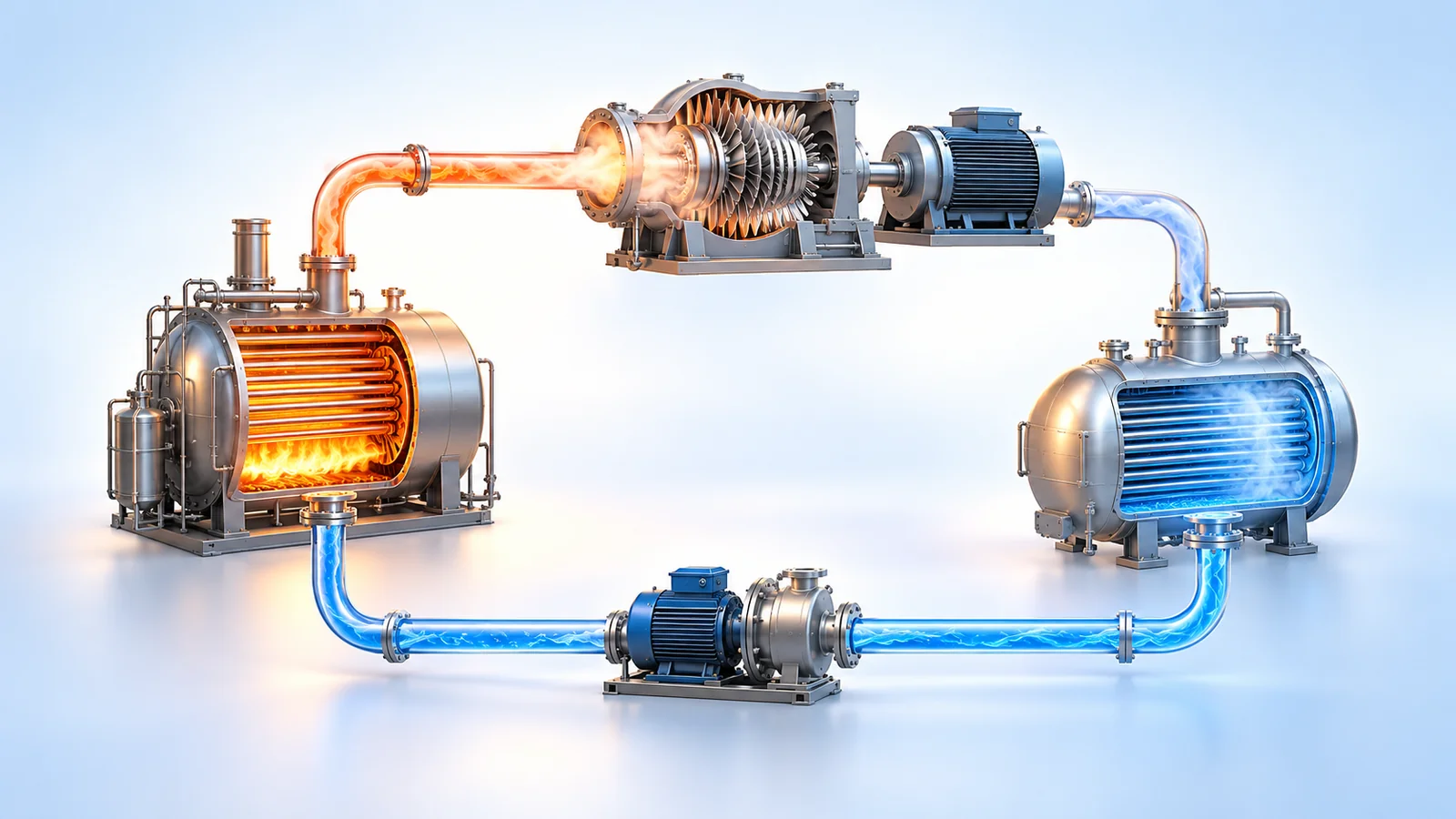
Rankine Cycle — PWR secondary T-s diagram, reheat and regeneration
For 6.9 MPa saturated steam and a 5 kPa condenser the ideal Rankine efficiency is 37.8 % (Carnot 45.2 %); regeneration raises it to 42.6 %, while the MSR mainly lifts exhaust quality from 0.675 to 0.820.
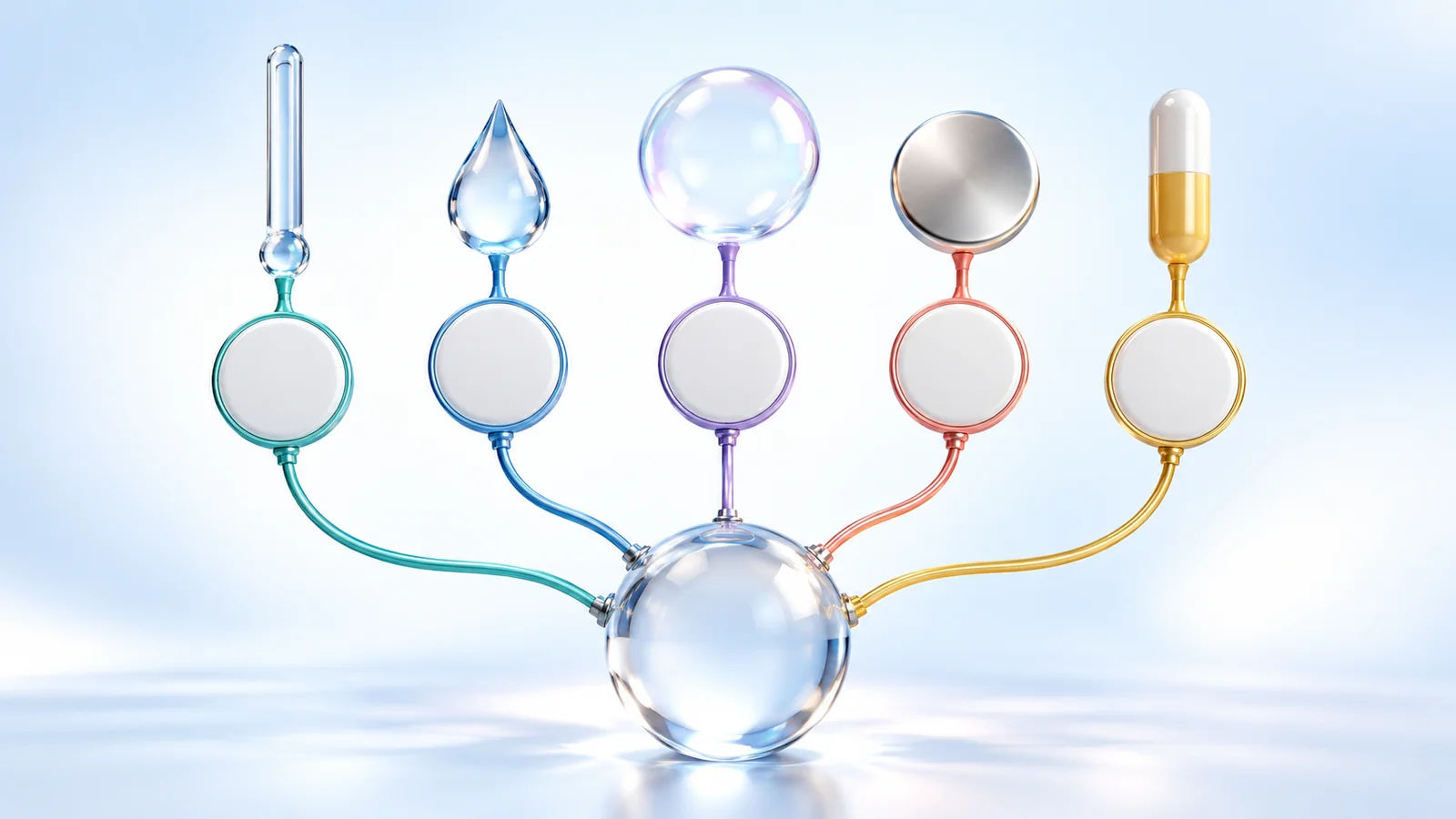
Reactivity coefficients — sign, size, response speed and cycle trend
The Doppler FTC is always negative and prompt (−1 to −2 pcm/°F), the MTC depends on boron (BOC near 0, EOC −30 to −45 pcm/°F), and the power coefficient MTC·dT_M/dP + FTC·dT_F/dP must stay negative.

Reactivity Control and Timescales — rods, boron and burnable absorbers
Short-term feedback is met by control rods and inherent feedback, medium-term xenon and samarium by rods then boron, and long-term burnup by boron dilution and burnable absorbers.
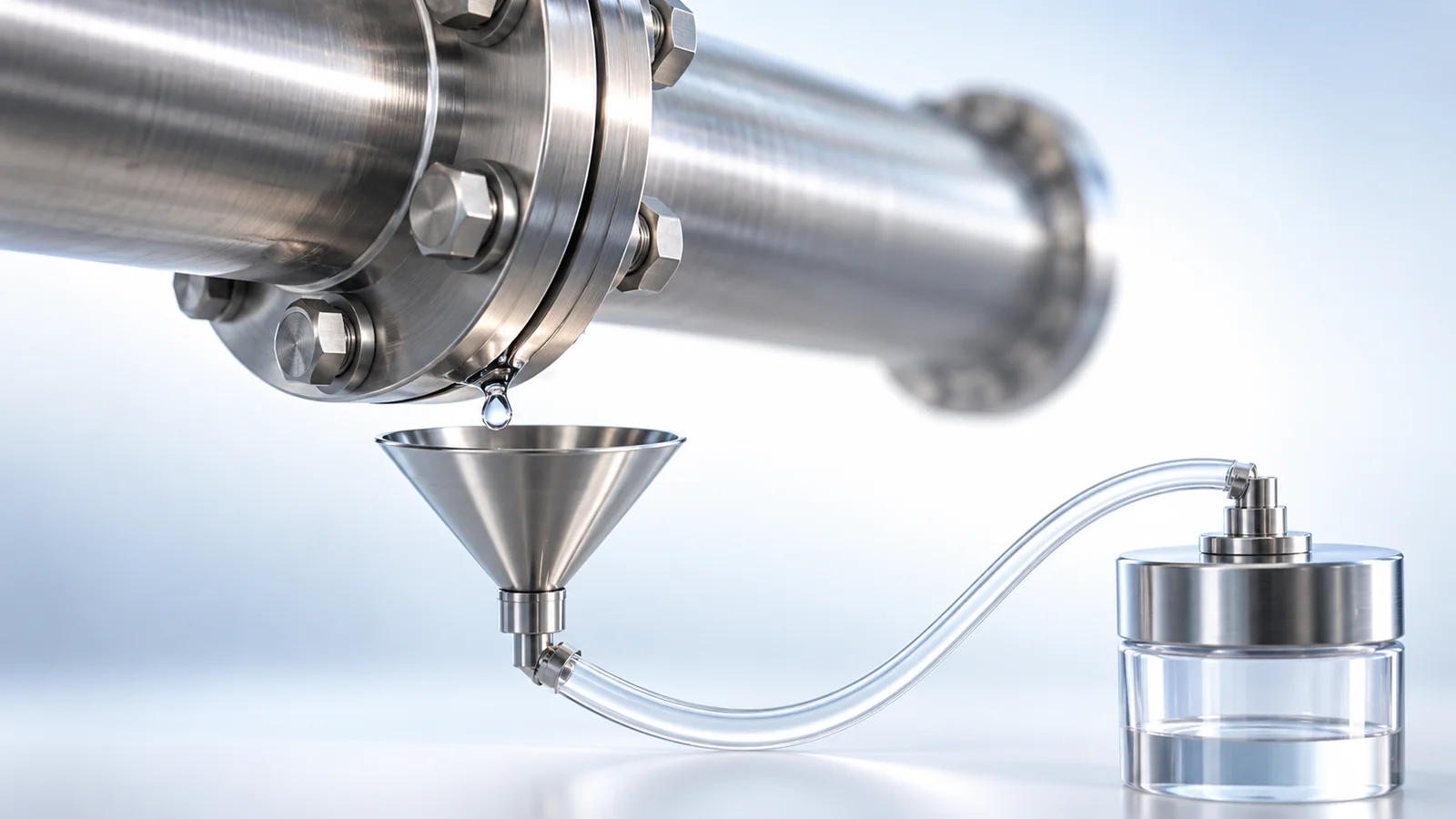
Reactor Coolant Leakage — identified, unidentified and pressure boundary
STS limits are zero pressure boundary leakage, 1 gpm unidentified, 10 gpm identified and 150 gpd per SG primary-to-secondary (APR1400 US DC: 0.5 gpm unidentified); unidentified leakage is found by a 72-hour water inventory balance.
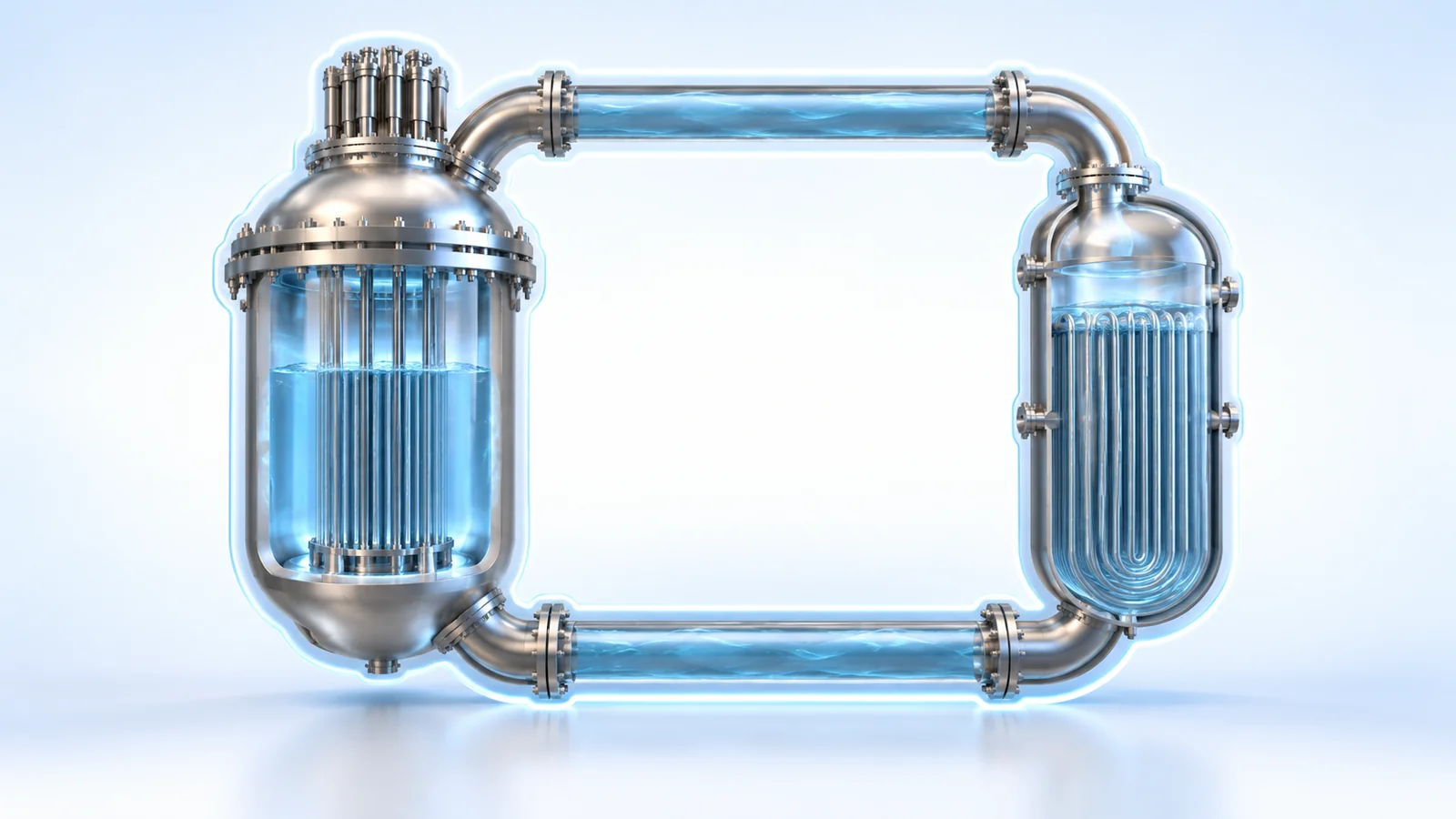
Reactor coolant pressure boundary — three outer limits and requirements
The RCPB extends to the outermost containment isolation valve, to the second of two normally closed valves, and includes the RCS safety and relief valves; its scope is not the same as Safety Class 1.
Reactor Coolant Selection — requirements, properties and reactor types
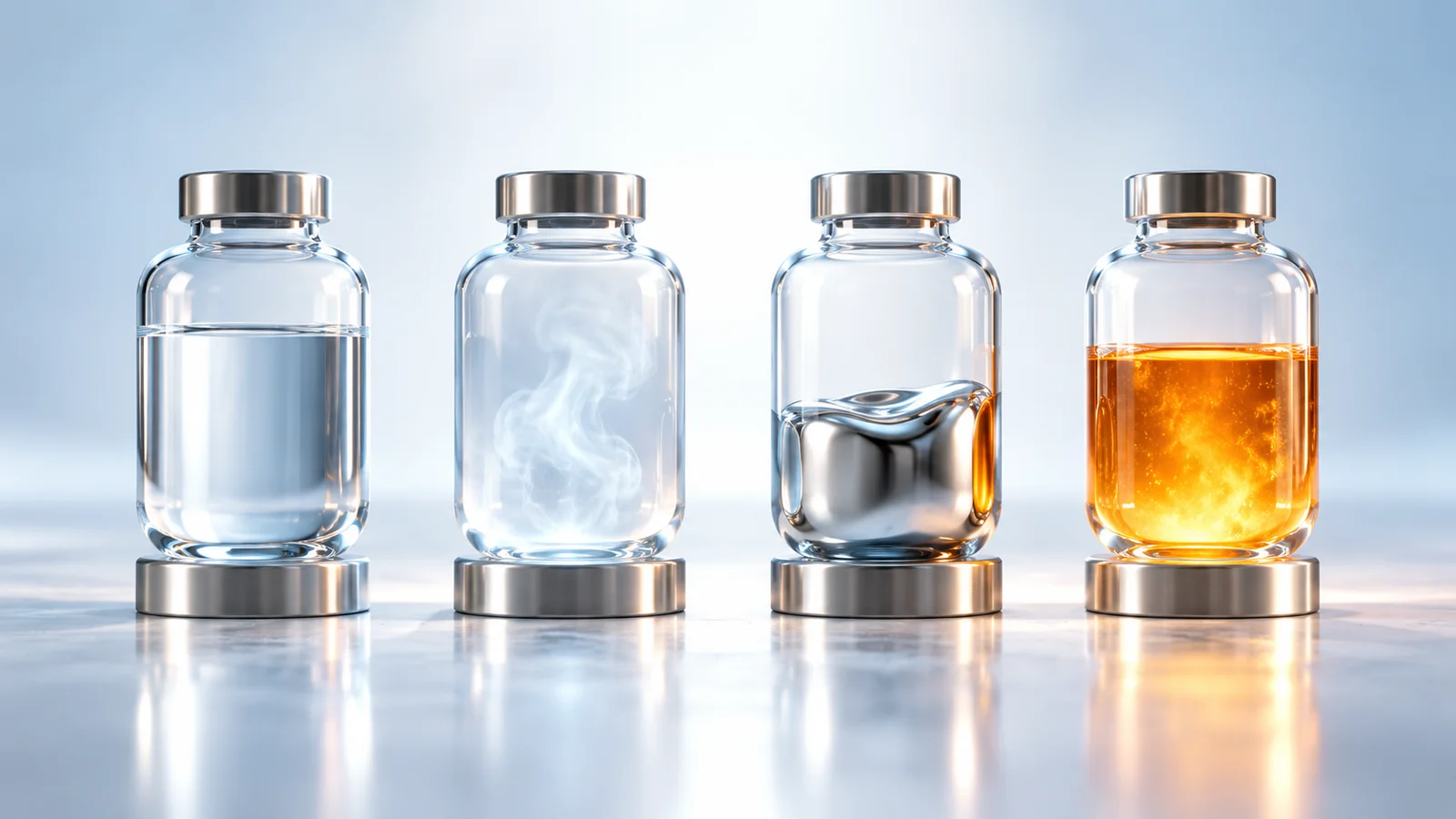
Water stores heat best but must be pressurized; liquid metals conduct heat best and run near atmospheric pressure; gases need high pressure and a large ΔT because pumping power scales as μ^0.2/(ρ²cₚ^2.8).