Concept Dictionary archive — page 6
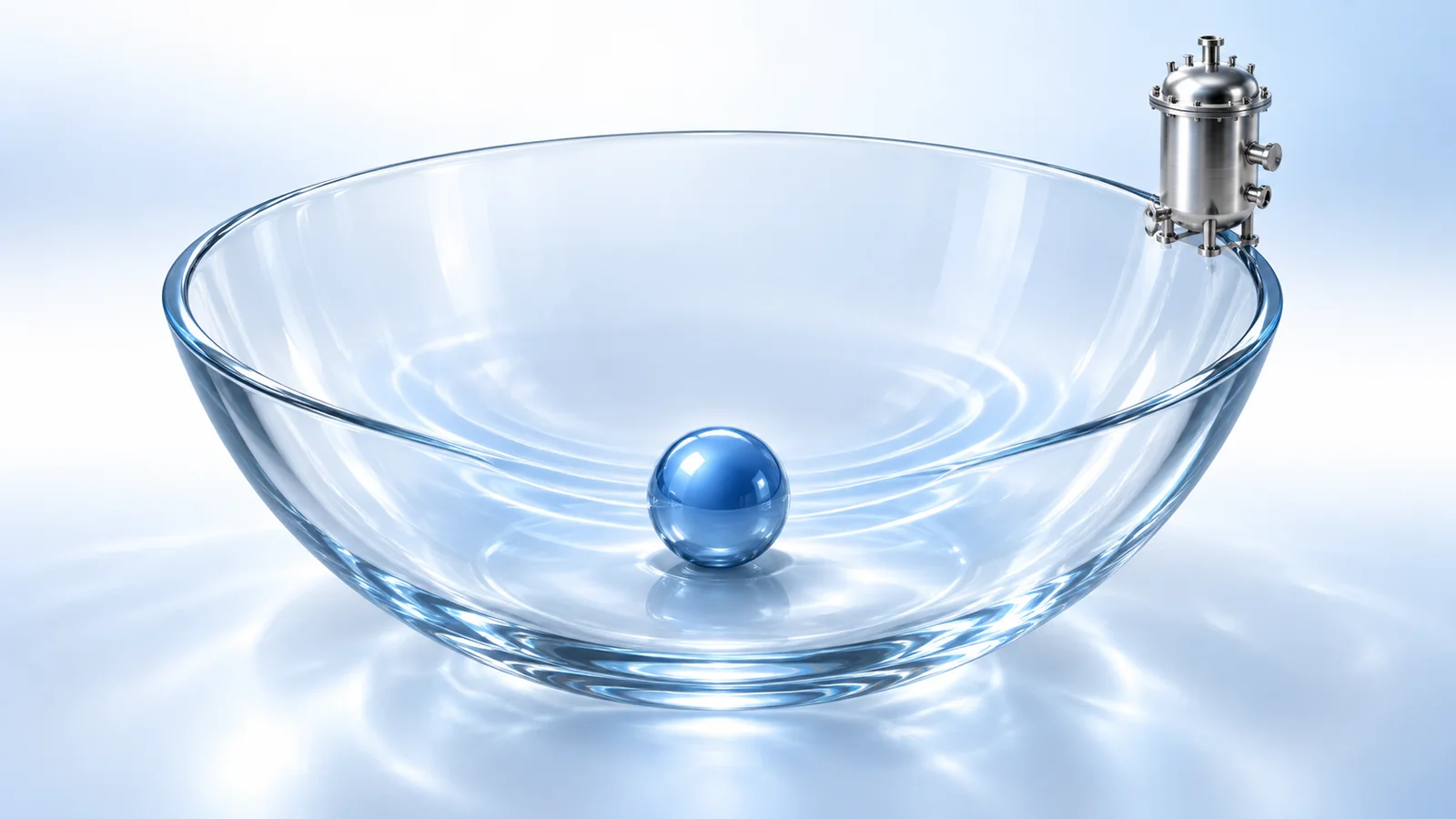
Inherent safety — negative feedback and the boundary with passive safety
Inherent safety removes hazards by design choice, in the core mainly through prompt negative feedback (ρ_fb = α_F·ΔT_F + α_M·ΔT_M + α_V·Δv + α_p·Δp); passive safety is a way of performing functions, classified A–D in TECDOC-626.
Inhour Equation — seven roots, one stable period
ρ = ωΛ + Σβᵢω/(ω+λᵢ) has seven real roots with six delayed groups; for ρ > 0 only ω₁ is positive and sets T = 1/ω₁, while for ρ < 0 the period is bounded by −1/λ₁ ≈ −80 s.

LCO — four selection criteria, actions and completion times
An item becomes an LCO if it meets one or more of four criteria (RCPB degradation instruments, analysis initial conditions, primary success path SSCs, PSA/experience); completion times run from discovery.
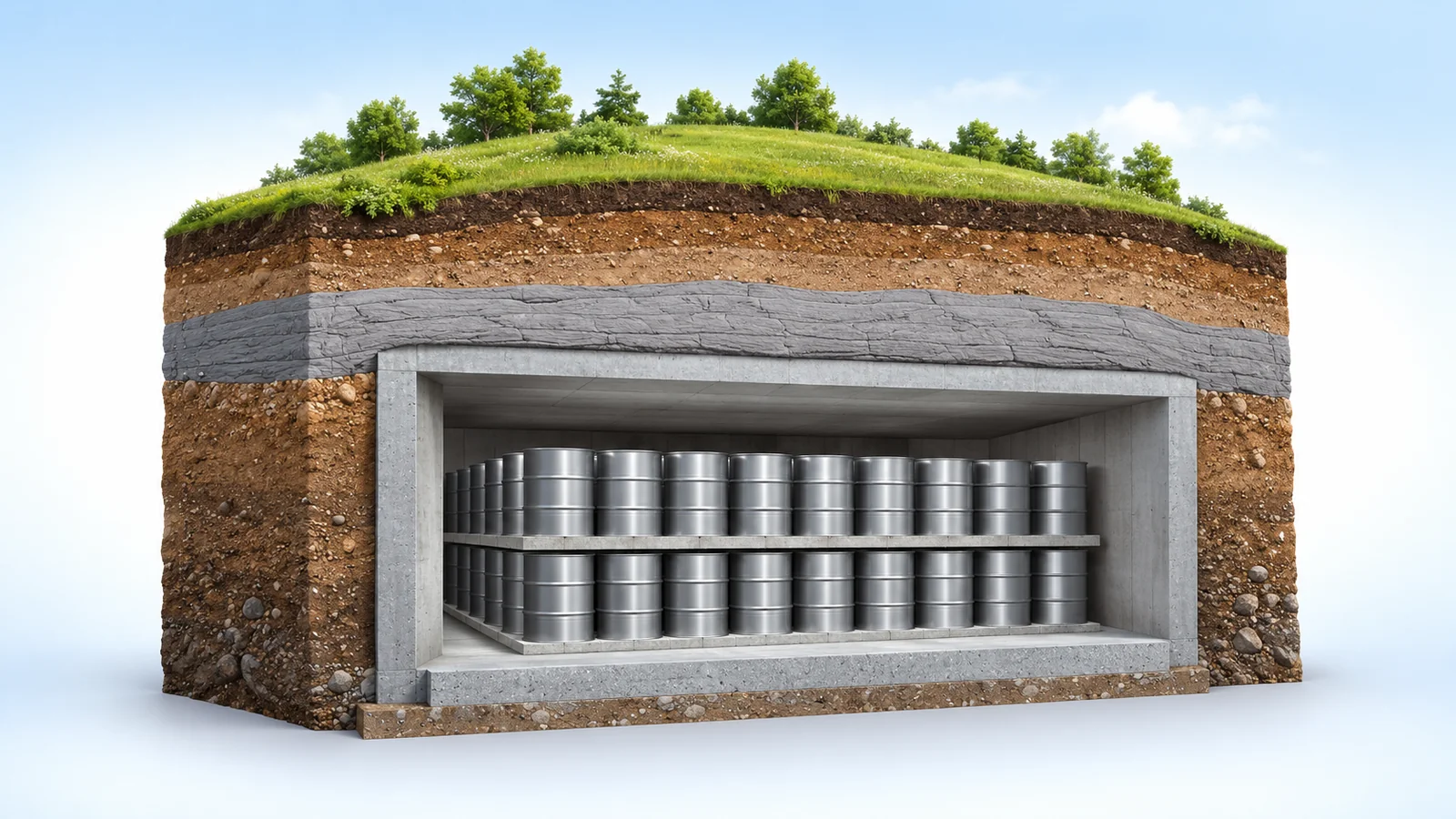
LILW disposal — waste classes, disposal methods and multiple barriers
Each waste class goes to a facility with at least the isolation it needs: landfill-type for very low level, engineered near-surface for low level, greater depth for intermediate level; Cs-137 falls to about 1/1,000 in 300 years.
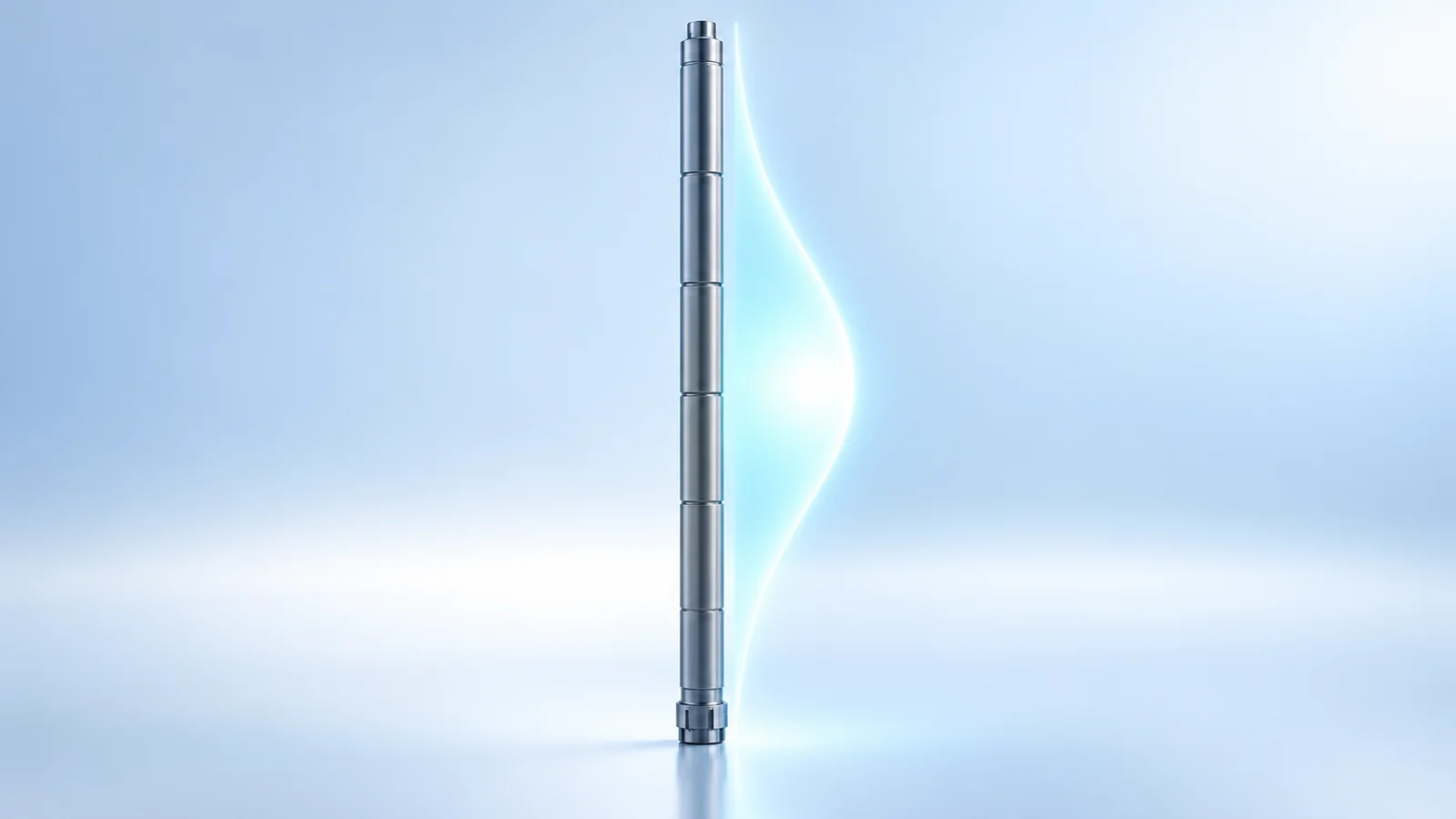
Linear heat rate (LHGR) — q′, q‴, kW/L and kW/kgU
q′avg = γ·P/(N·H) and q′max = FQ·q′avg; because ΔT = q′/(4πk) does not depend on pellet radius, the melt limit is set in kW/m.
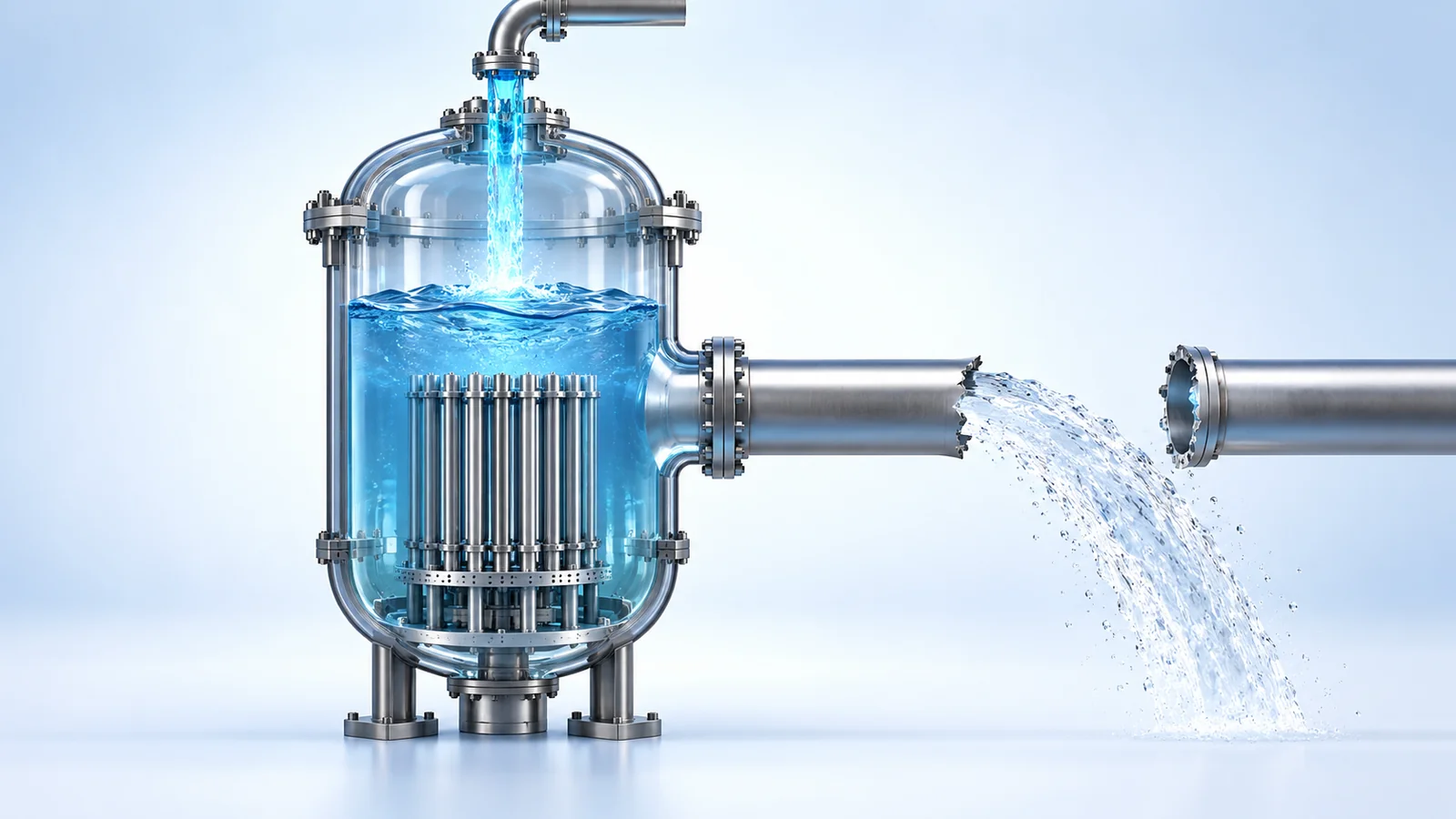
Loss-of-coolant accident — break size, location and ECCS response
A large LOCA depressurizes in tens of seconds and is decided by stored heat and reflood, while a small LOCA plateaus near SG pressure and is decided by loop seal, boil-off and operator actions.
Macroscopic cross section — N, Σ = Nσ and the mean free path
Σ = Nσ is the reaction probability per cm and λ = 1/Σ the mean free path; for water Σ_s = 3.44 cm⁻¹ (λ_s 0.29 cm) and Σ_a = 0.0222 cm⁻¹ (λ_a 45 cm) at 2200 m/s.
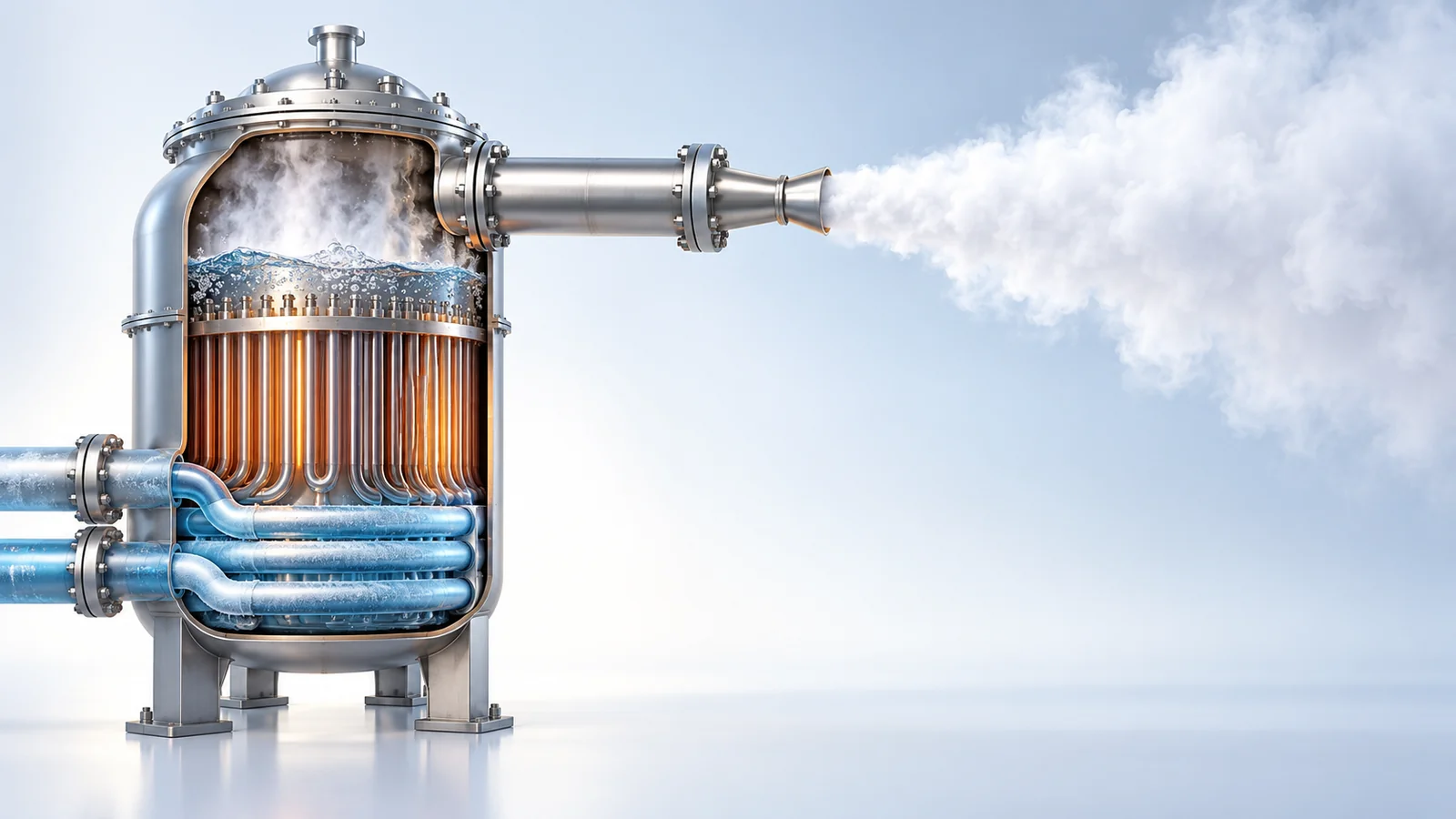
Main steam line break — overcooling, return to power and break location
An MSLB overcools the primary side so the negative MTC inserts positive reactivity; the limiting return-to-power case is hot zero power at end of cycle with the most reactive rod stuck, and an MSIV cannot isolate a break upstream of it.
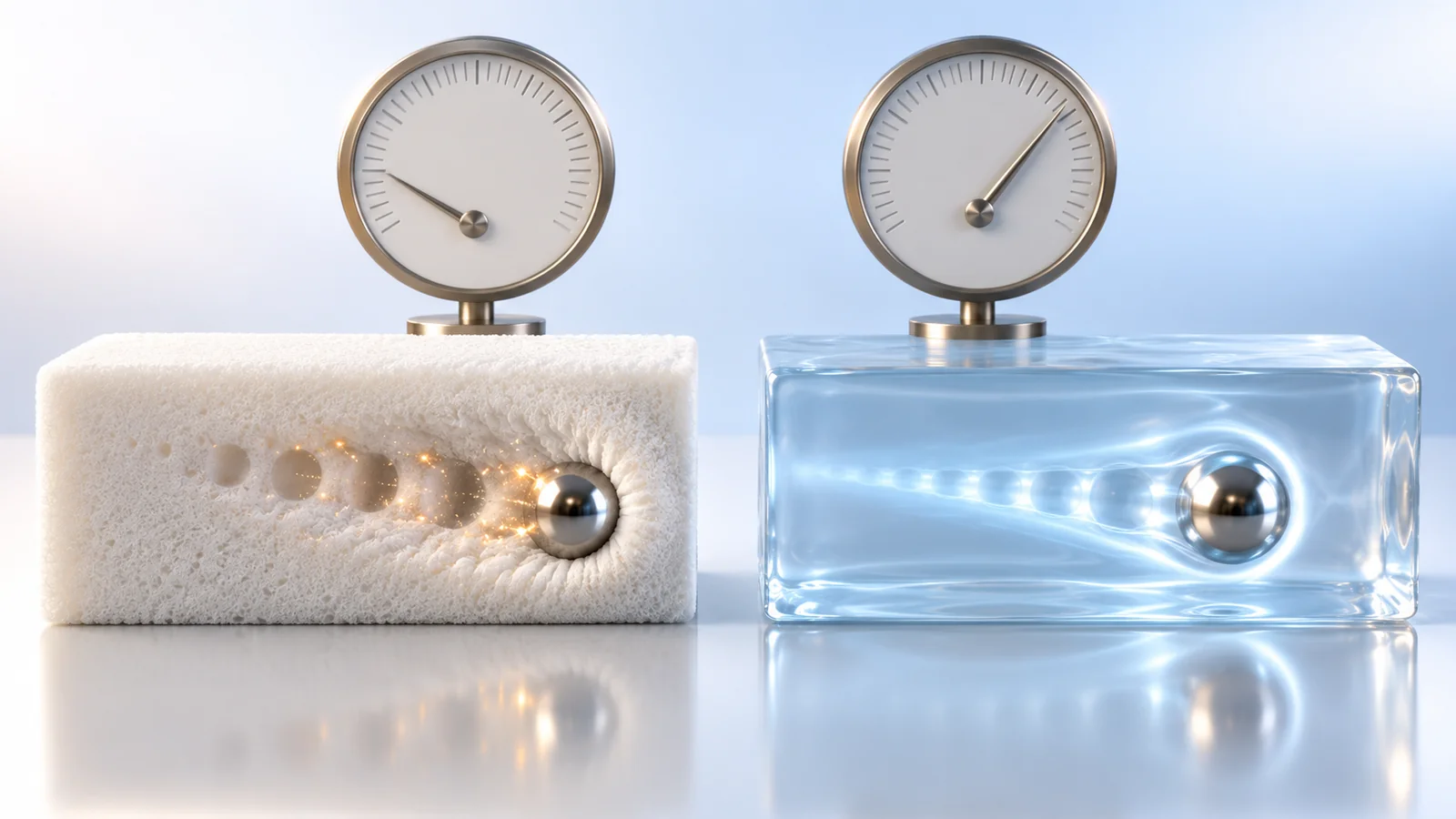
Moderating power and moderating ratio — ξ, collisions to thermalize and heavy-water purity
Light water has the largest moderating power (ξΣs 1.35 cm⁻¹), heavy water the largest moderating ratio (5,670), and only 0.19 at% light hydrogen halves the heavy-water ratio.
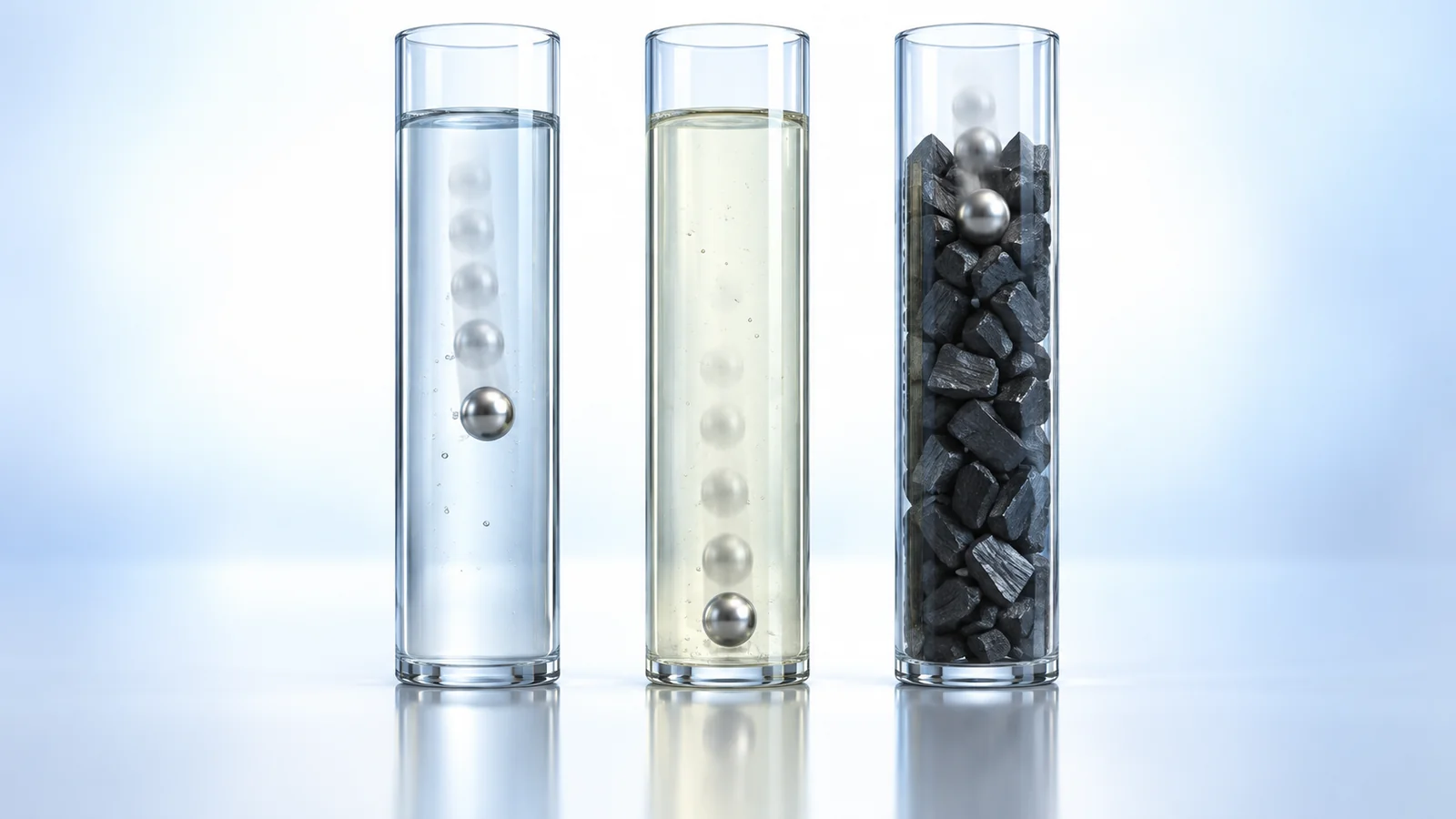
Moderator Selection Criteria — ξ, moderating power and moderating ratio
Light water has the largest moderating power (1.35 cm⁻¹) but the lowest moderating ratio (about 70), so light-water reactors need enrichment while heavy-water and graphite reactors can use natural uranium.