Concept Dictionary archive — page 8

Nuclear Generation Cost — LCOE, capital, O&M, fuel and the discount rate
Nuclear LCOE is about half investment, so the discount rate dominates: 39.4 to 67.2 USD/MWh from 3 to 10 %, with crossovers against coal and LNG near 14–15 % for the example inputs.

Nuclear QA — App. B 18 criteria, NQA-1, CGD and CFSI
QA is all planned and systematic actions giving adequate confidence that safety-related SSCs perform; its 18 App. B criteria run from organization to audits, and commercial-grade dedication and CFSI checks guard the supply chain.

One-group diffusion equation — terms, boundary conditions, source solutions and keff
Substituting J = −D∇φ into the neutron balance gives (1/v)∂φ/∂t = D∇²φ − Σaφ + S; its solutions fall off over the diffusion length L (2.85 cm in light water, 59 cm in graphite).
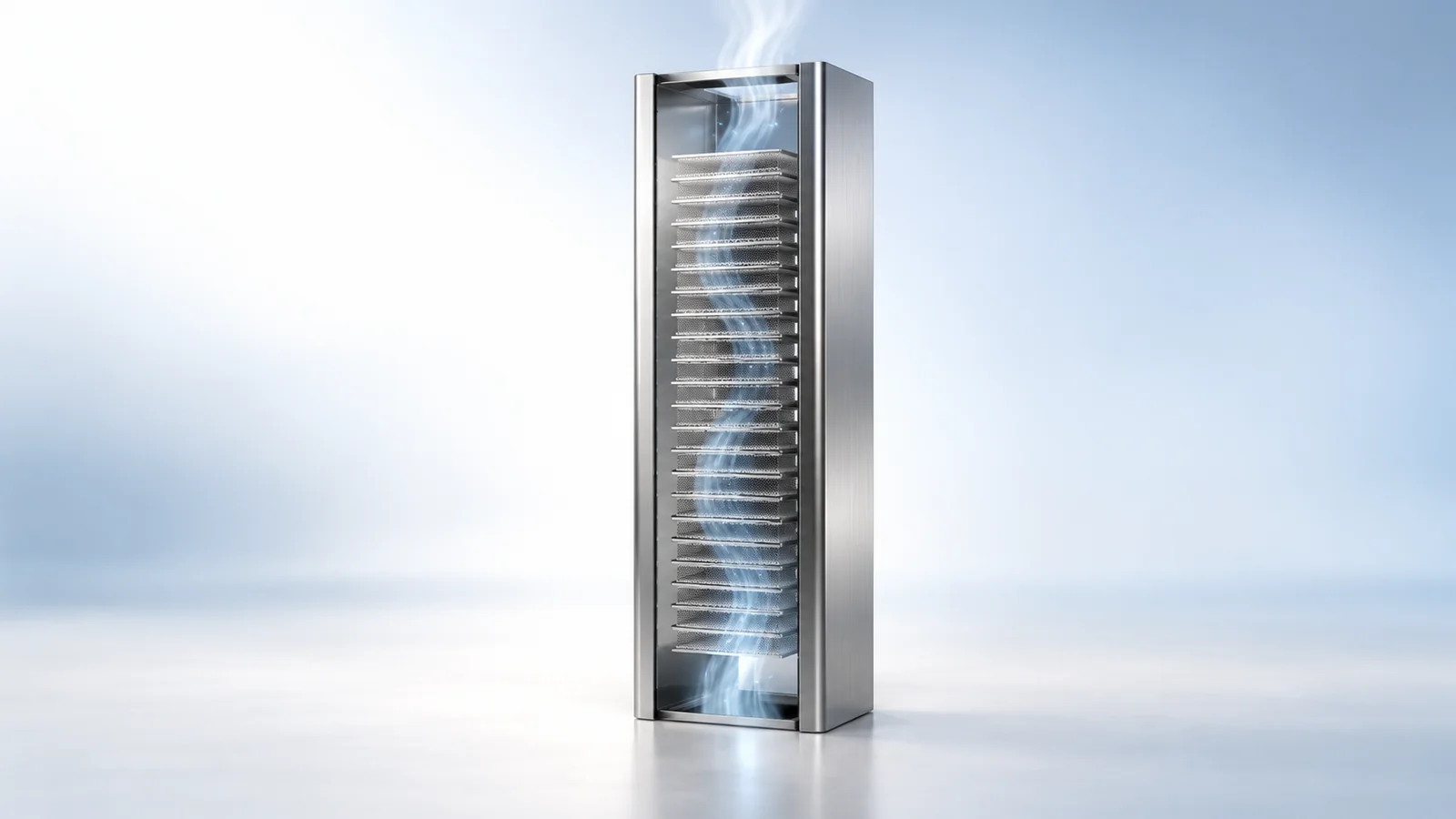
Passive autocatalytic recombiner — principle, removal rate and ignition risk
A PAR recombines H₂ and O₂ flamelessly on Pt/Pd and draws gas through by chimney draft; a large unit removes about 1.2–1.5 g/s at 4 %, and the catalyst can ignite the mixture above about 5.5–7.5 % in dry tests.
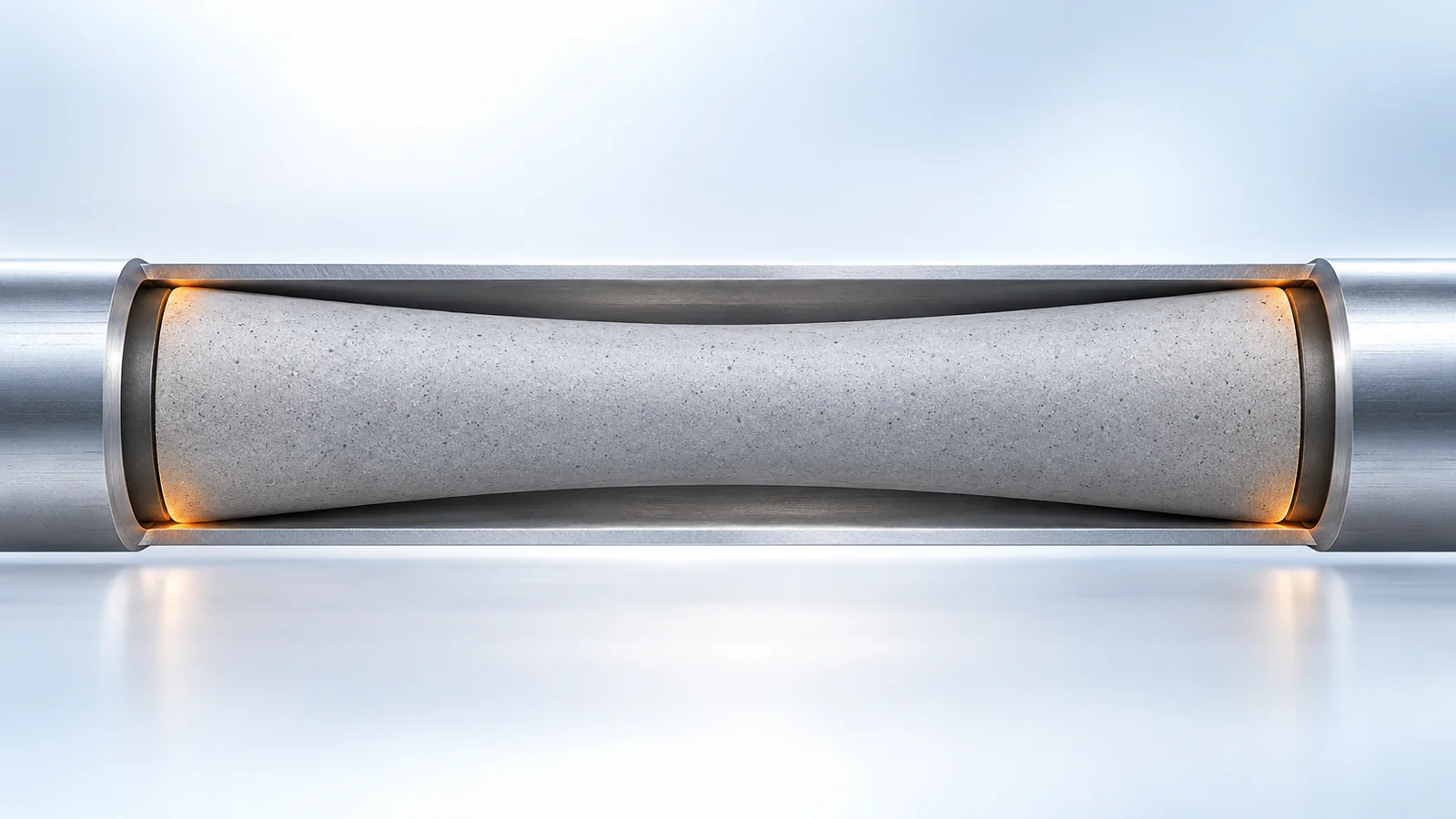
Pellet-cladding interaction (PCI) — iodine SCC, ramp-rate limits and soak operation
PCI-SCC needs tensile stress from a power increase after gap closure, iodine and susceptible Zr alloy; the most common ramp limit above a 20–50 % threshold is 3 %/h.
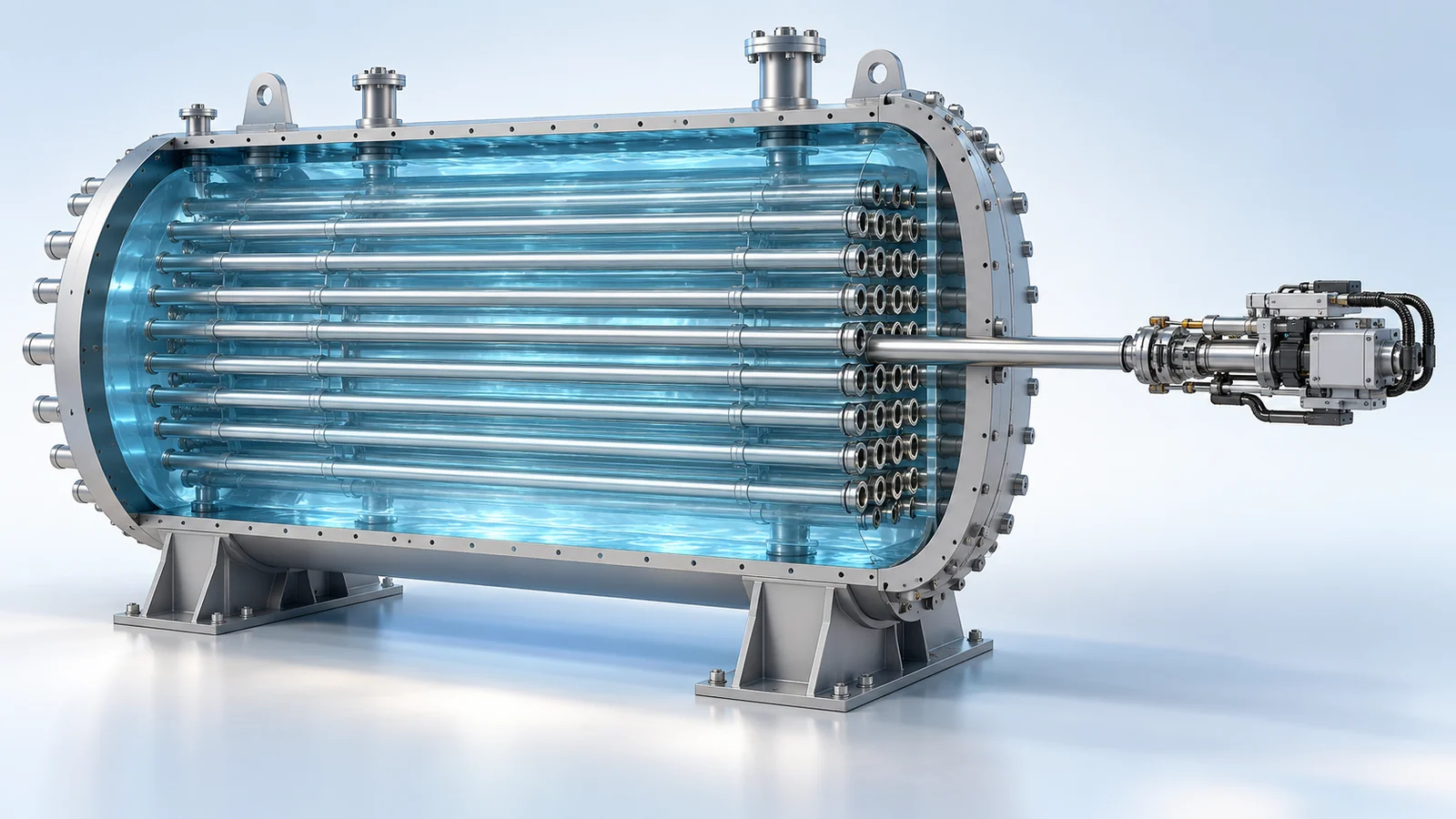
PHWR (CANDU) Characteristics — pressure tubes, natural uranium, on-power refuelling
CANDU-6 keeps its high-pressure D₂O coolant in 380 pressure tubes inside a cool calandria, burns natural uranium with about 16 bundles a day of on-power refuelling, and offsets a positive void reactivity with two independent shutdown systems.

Power coefficient — reactivity per 1 % power and the power defect
α_P = MTC·dT_M/dP + FTC·dT_F/dP (not MTC + FTC); its integral is the power defect, about −1,200 pcm at BOL and −2,100 pcm at EOL in a Westinghouse training example.

Present Worth — six interest factors, IDC, decommissioning funds and levelized cost
P = F/(1+i)ⁿ: with CRF = SFF + i and the end-of-period convention, the same factors give decommissioning contributions, interest during construction (19.8 % in the worked example) and the levelized cost.
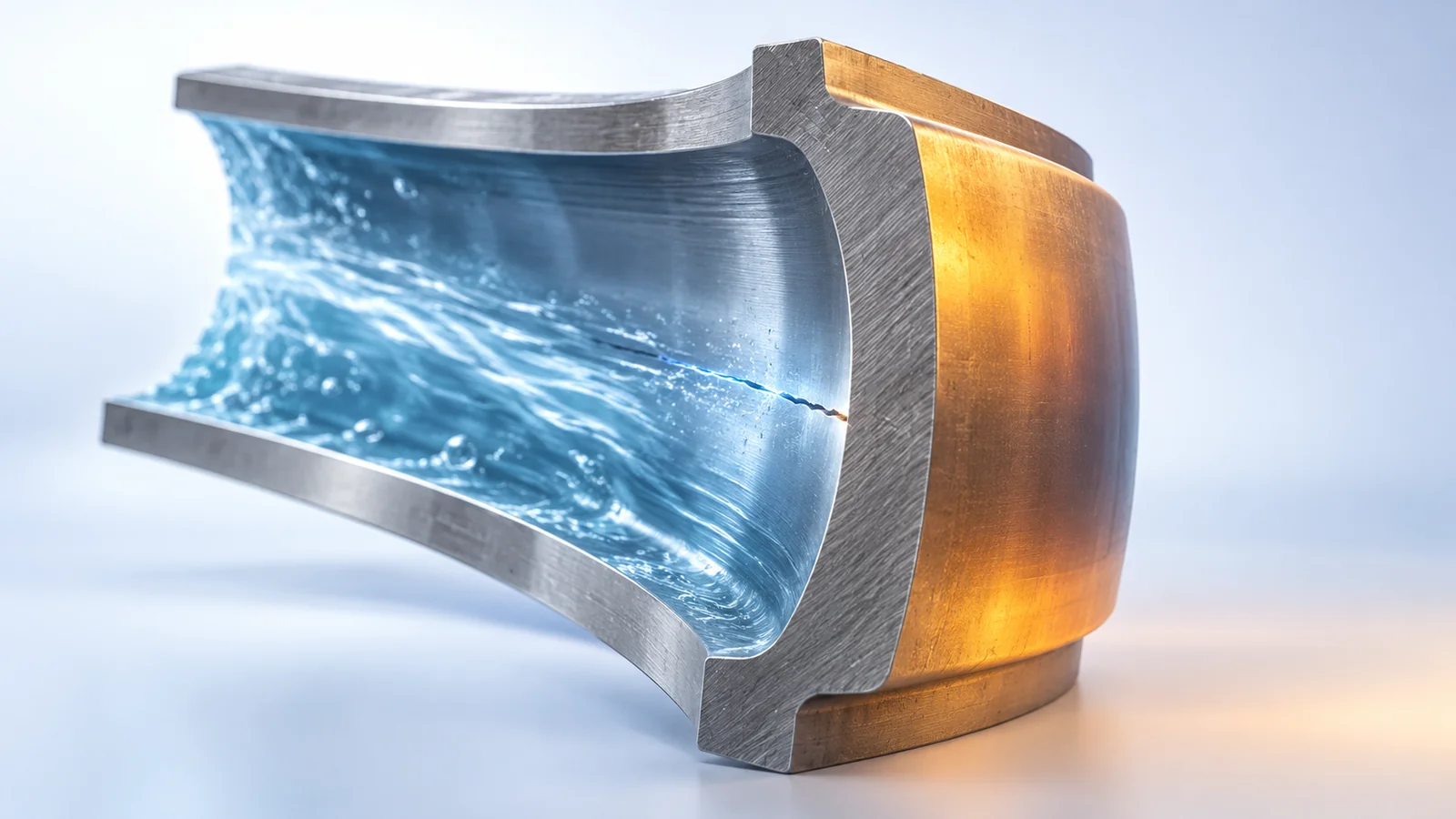
Pressurized thermal shock — overcooling, repressurization and RTPTS
PTS is severe overcooling with concurrent or later high pressure; on embrittled beltline material KI can exceed KIC, so RTPTS is limited to 270 °F (axial welds, plates) and 300 °F (circumferential welds).
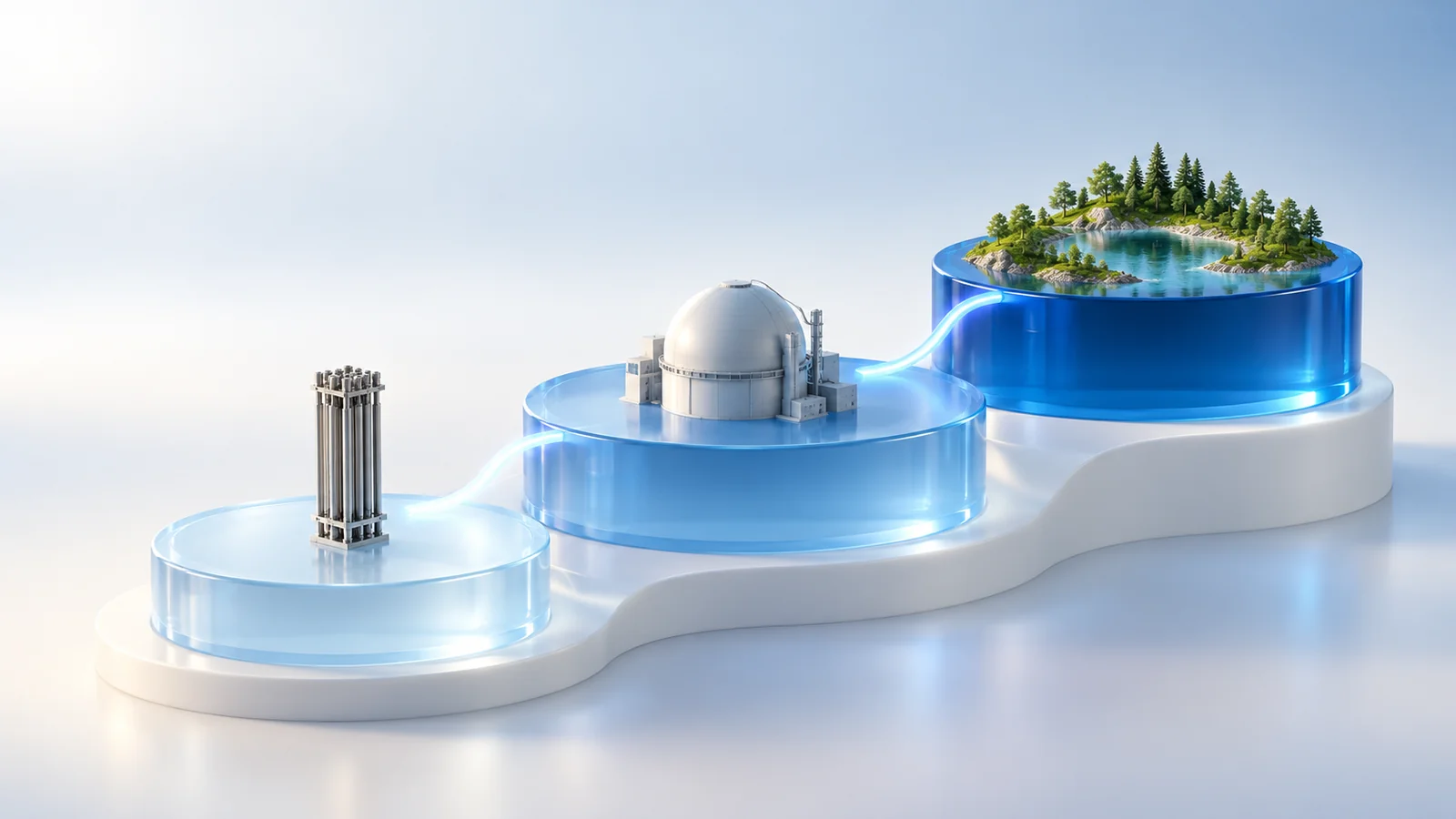
PSA — Level 1, 2 and 3 scope, steps and outputs
Level 1 ends at core damage (CDF), Level 2 at the release to the environment (release-category frequencies, LRF, LERF) and Level 3 at off-site health risk (CCDF); PSA complements, not replaces, deterministic analysis.