Concept Dictionary archive — page 5
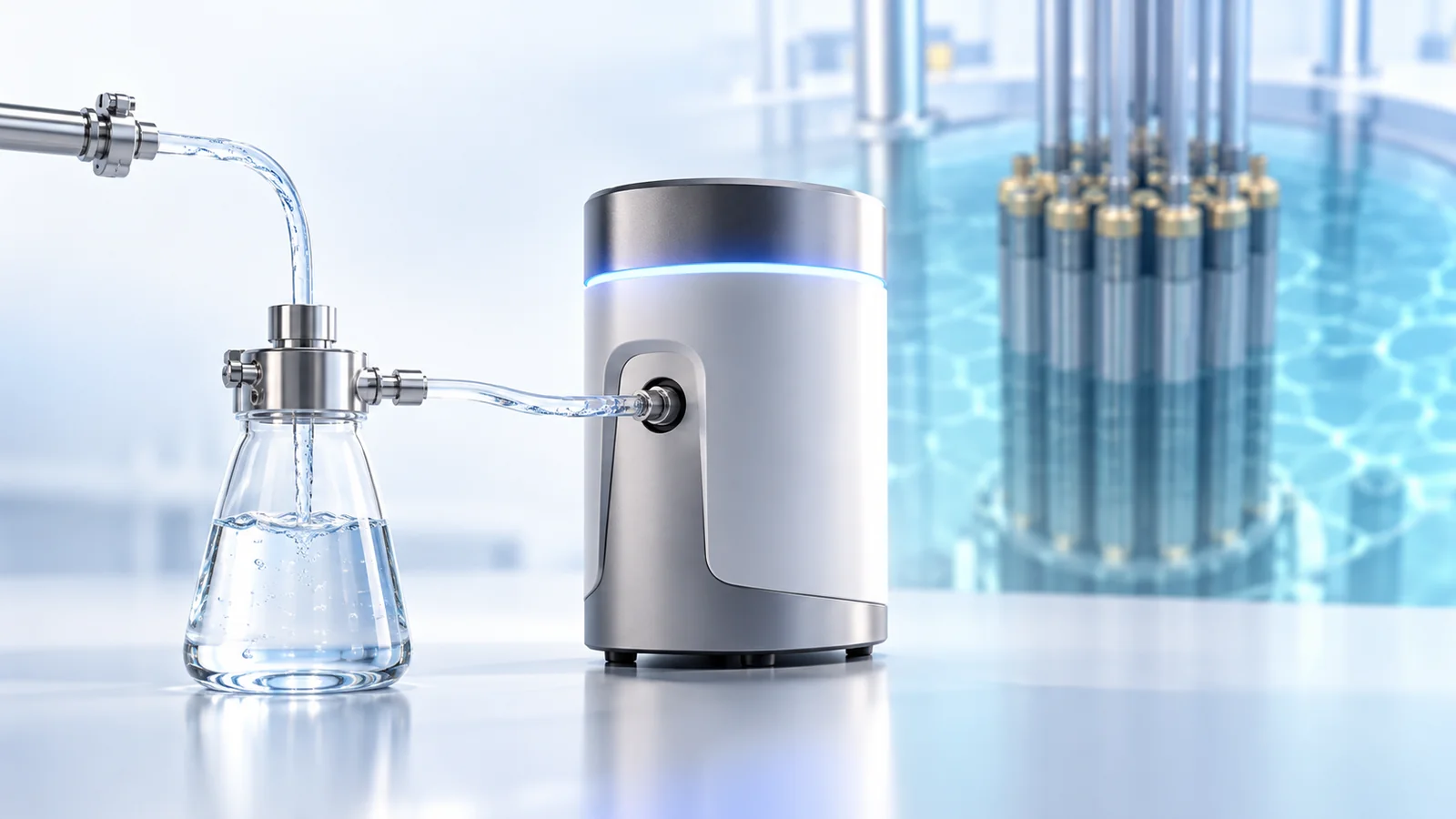
Fuel integrity monitoring — coolant indicators, iodine ratios, sipping and UT
Xe-133 flags a new failure, I-131/I-133 and the R/B slope separate failed rods from tramp uranium, and sipping, UT and visual inspection locate the failed rod at refueling.
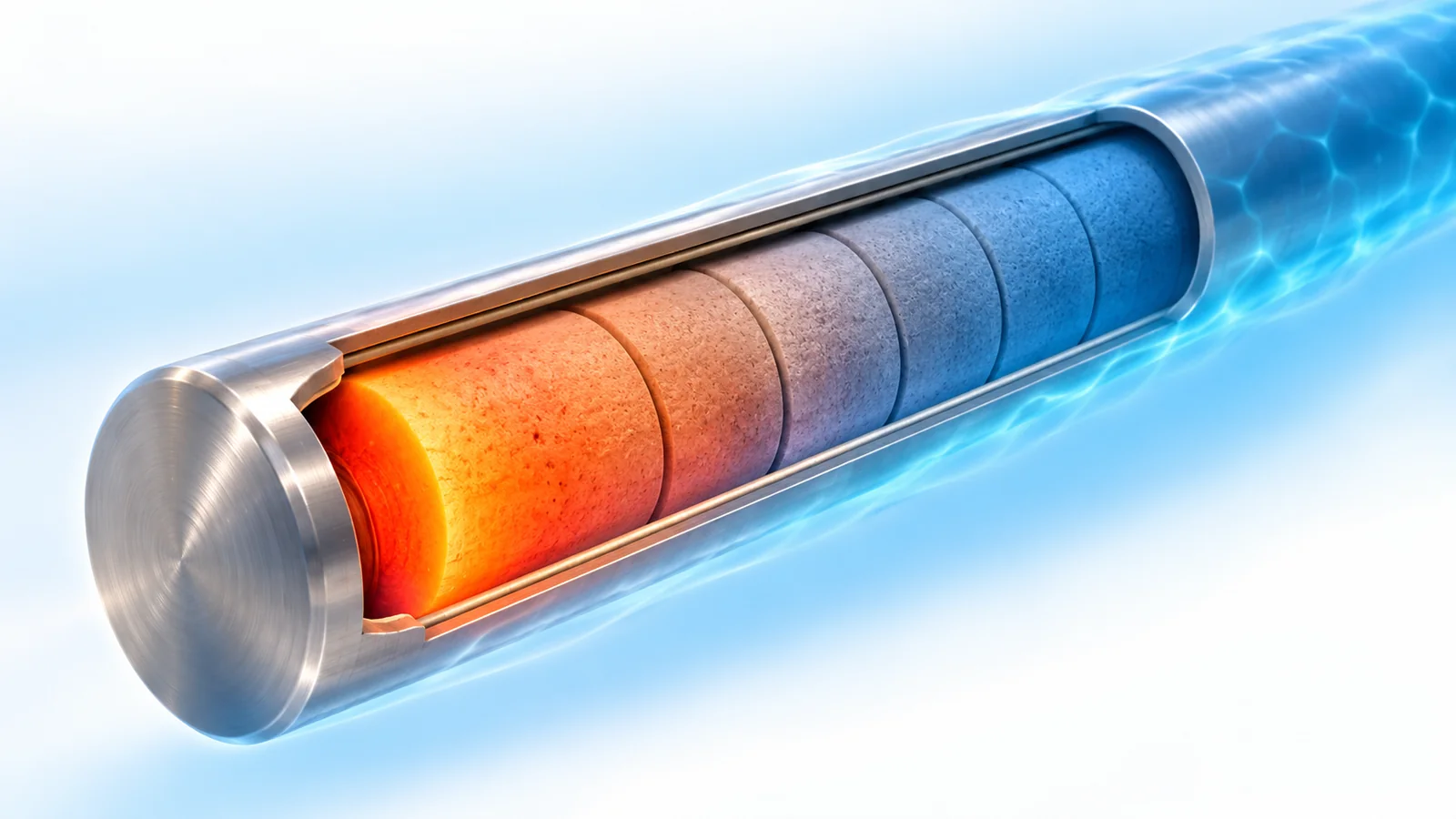
Fuel Rod Temperature — radial resistances, ∫k dT and axial maxima
The pellet center-to-surface drop is q′/(4πk), independent of radius; at 40 kW/m the example centerline reaches about 1,926 °C, and axially the coolant peaks at the outlet, the cladding between, and the centerline just above the mid-plane.
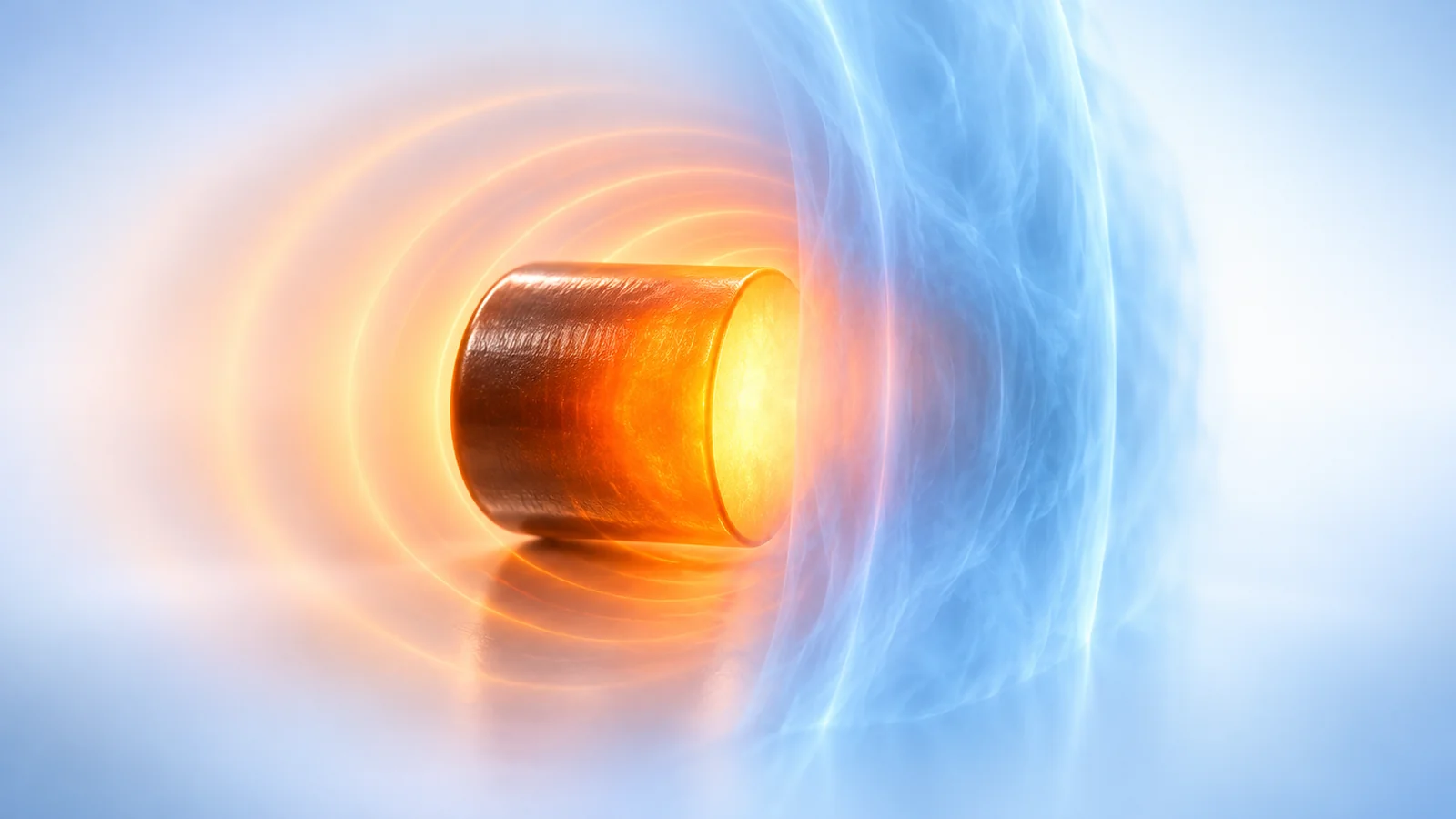
Fuel Temperature Coefficient (FTC) — Doppler broadening and prompt feedback
Doppler broadening keeps the resonance area constant but weakens self-shielding, so U-238 absorption rises with fuel temperature; a large PWR has an FTC of roughly −1 to −2 pcm/°F.
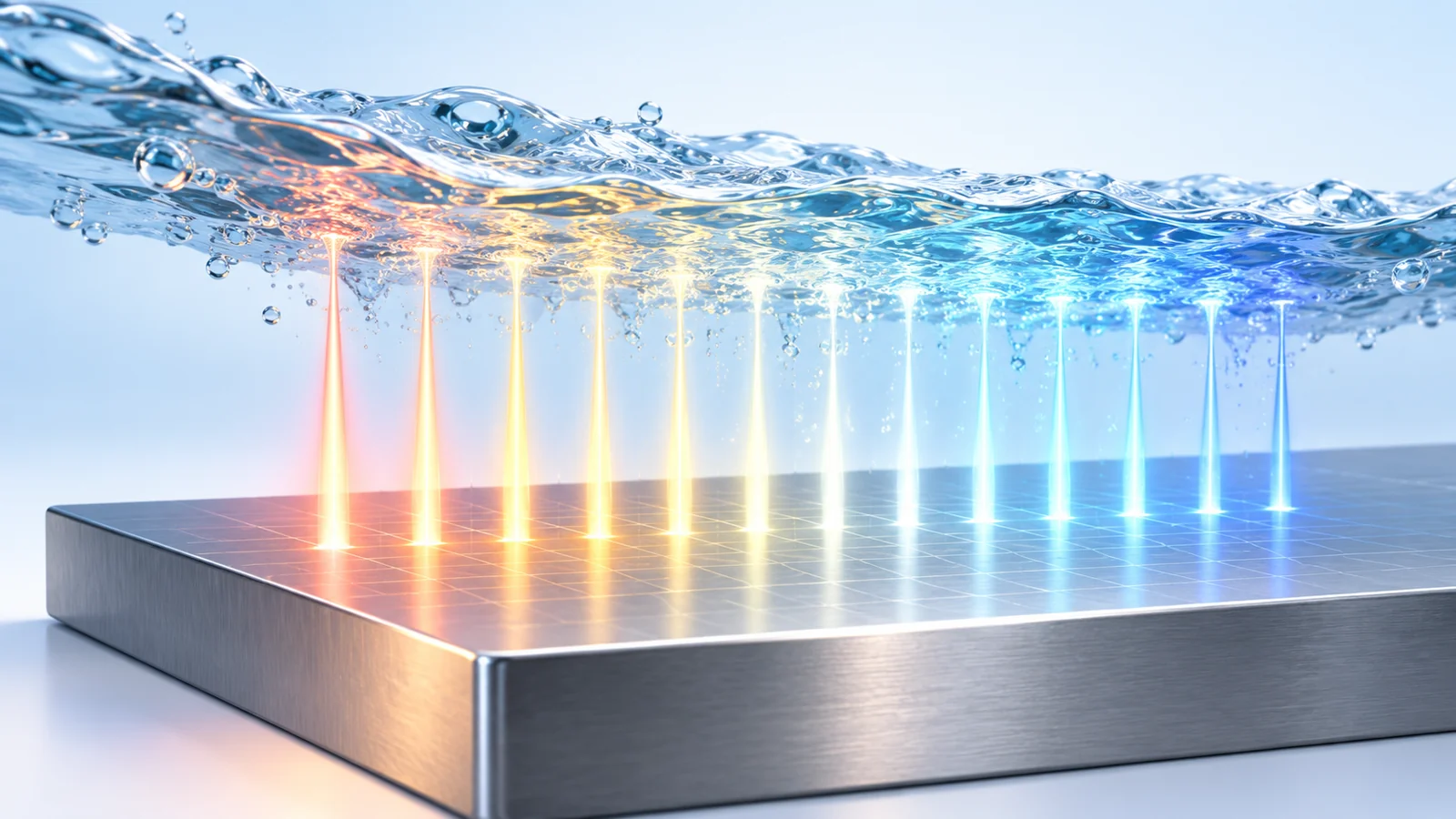
Heat Flux — q‴, q′ and q″, average and peak heat flux
q′ = q‴·πRf² = q″·2πRco; the core-average heat flux is γP/(NπDH) (about 0.6 MW/m² in a PWR) and the peak is FQ times the average (about 1.5 MW/m²).
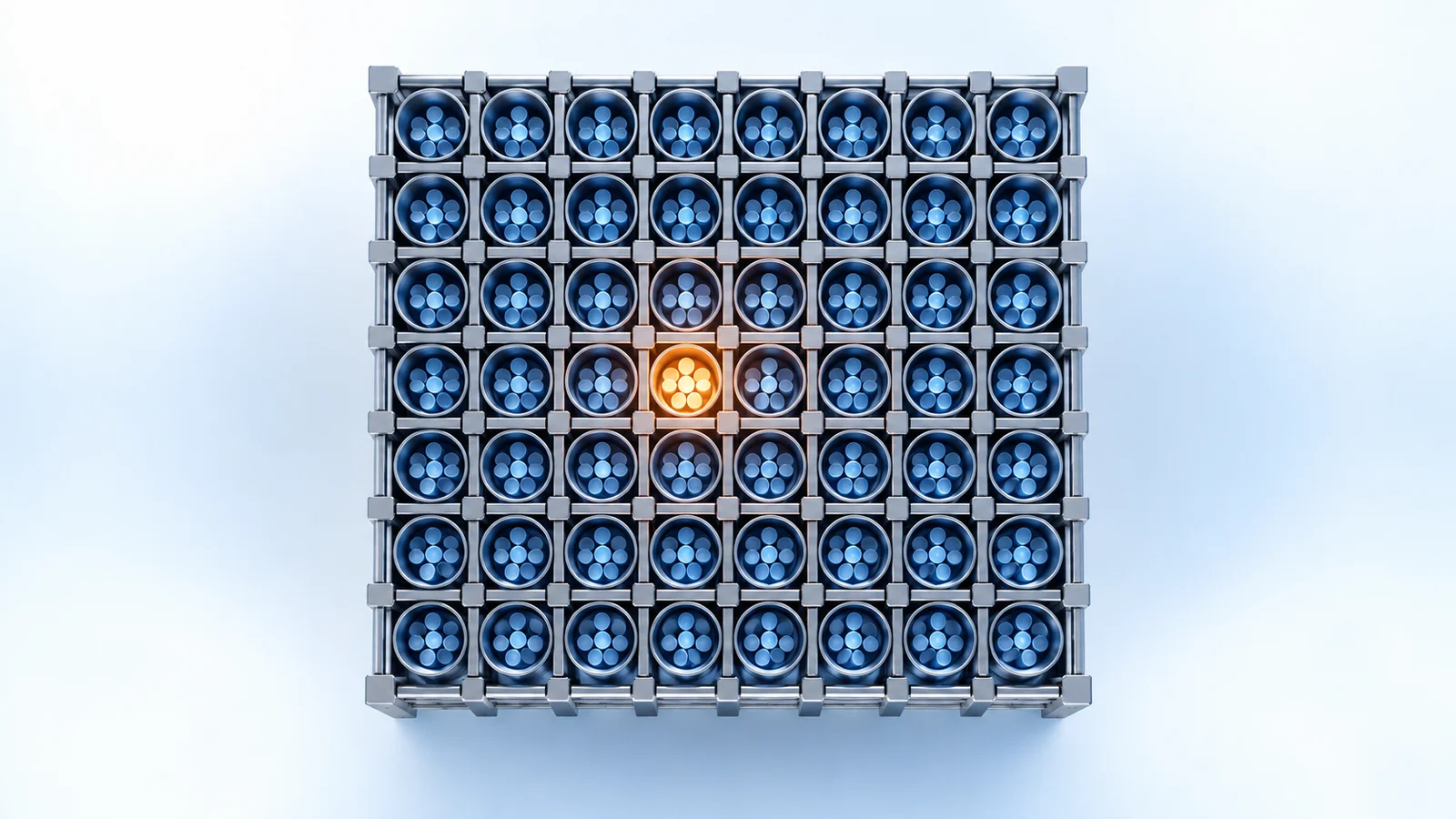
Hot channel factors — FQ, FΔH, nuclear and engineering factors
FQ = q″max/q″avg protects against LOCA peak cladding temperature and fuel melting; FΔH, the ratio of the strongest rod's integrated power to the average, protects the DNB limit.

Hot spot factors and rod count — worked heat flux problem
With F_Q = 1.60 × 1.75 = 2.80, the average heat flux is 0.571 MW/m², the total area 5,250 m² and the core needs about 34,815 rods of 6 mm radius and 4.0 m length.
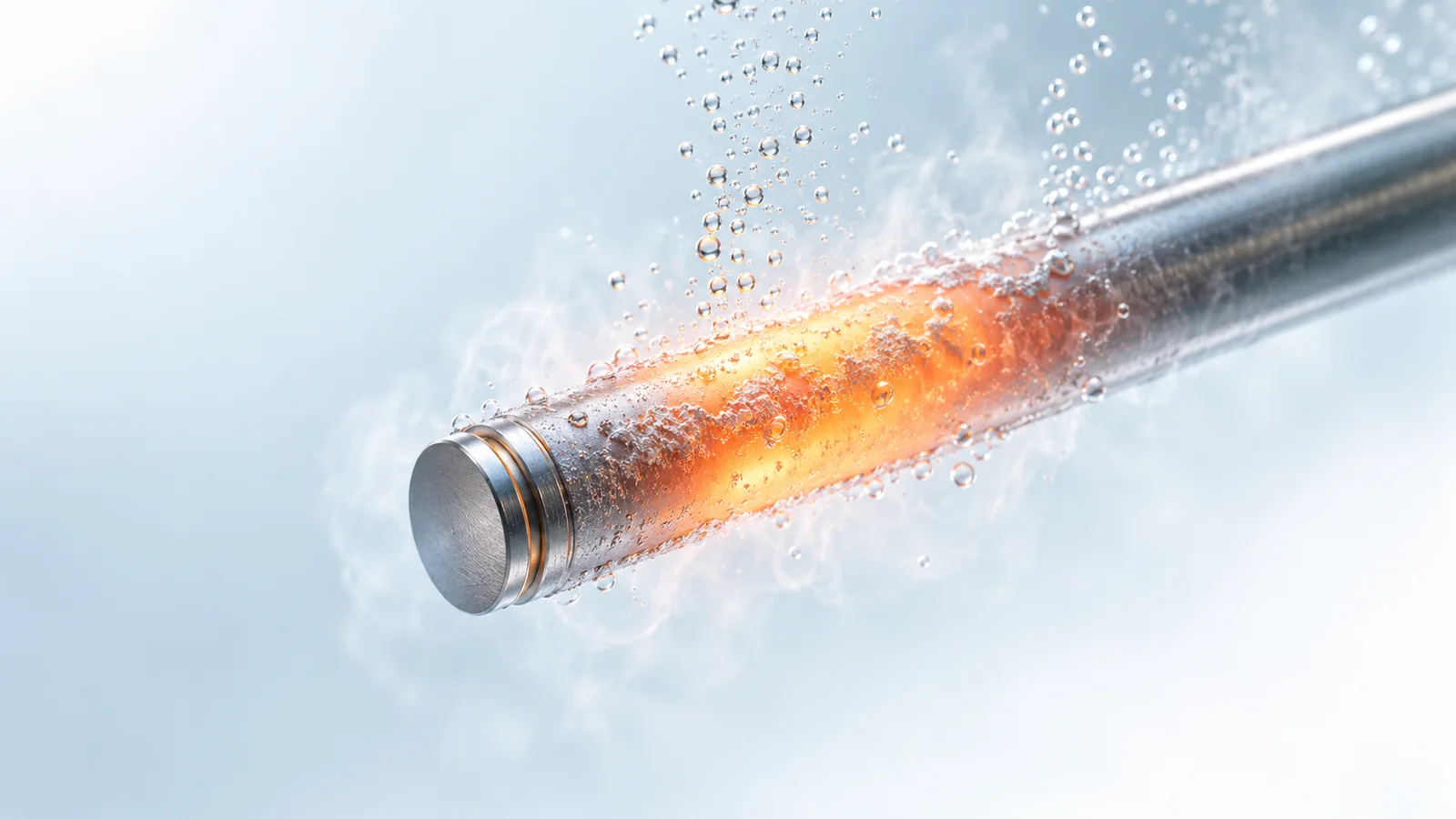
Hydrogen sources in accidents — Zr–steam reaction, rate laws and other sources
Each kilogram of zirconium that reacts with steam gives 0.0442 kg of hydrogen and about 6.4 MJ of heat; the parabolic rate law and thermal feedback make the reaction accelerate sharply above about 1,200 °C.
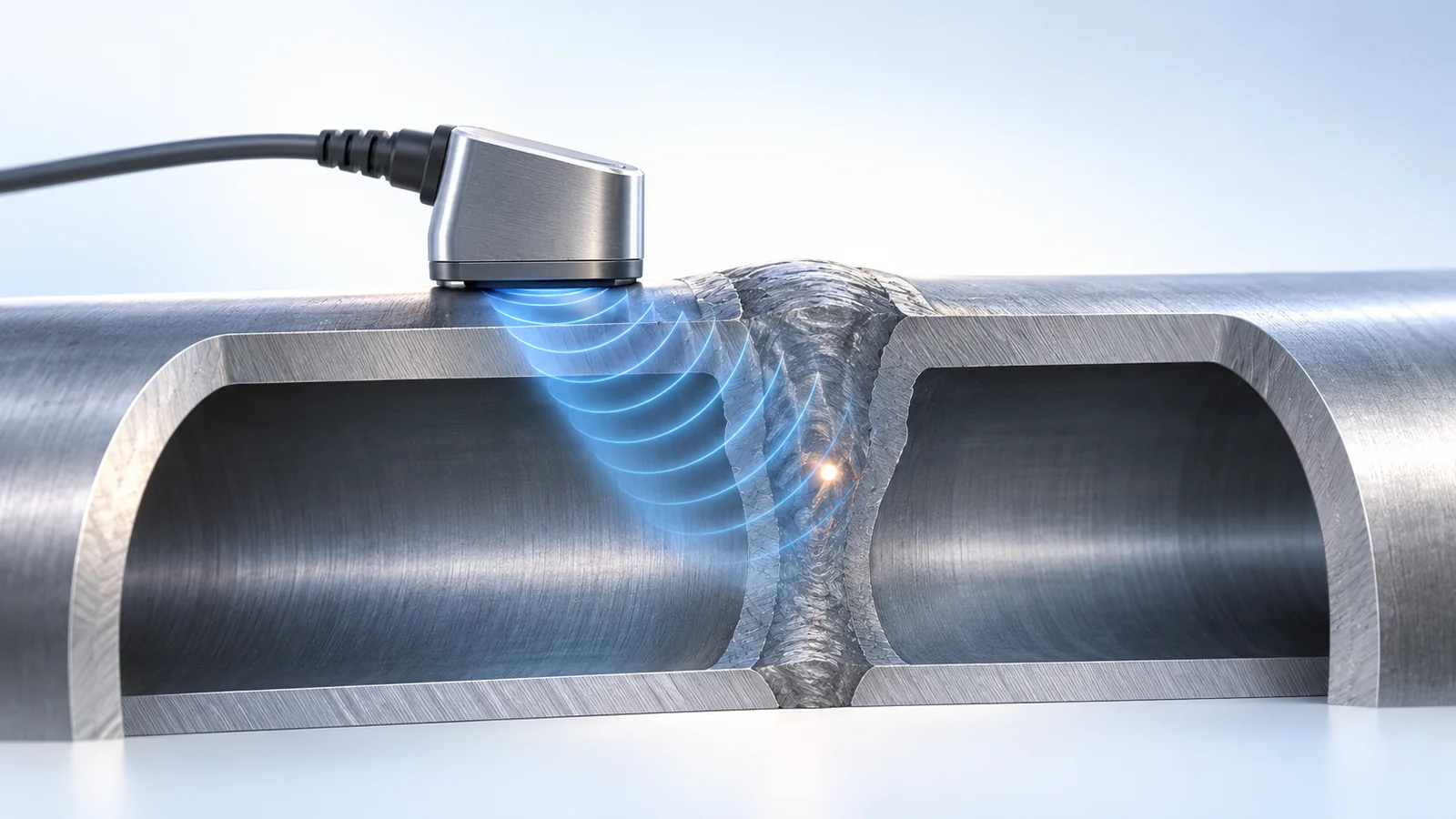
In-Service Inspection (ISI) — 10-year interval, categories, flaw disposition and RI-ISI
ISI runs on a 10-year interval split into three periods with cumulative minimums of 16, 50 and 100 %; flaws beyond IWB-3500 go to repair or IWB-3600 evaluation, and RI-ISI moves examinations to high-risk piping.
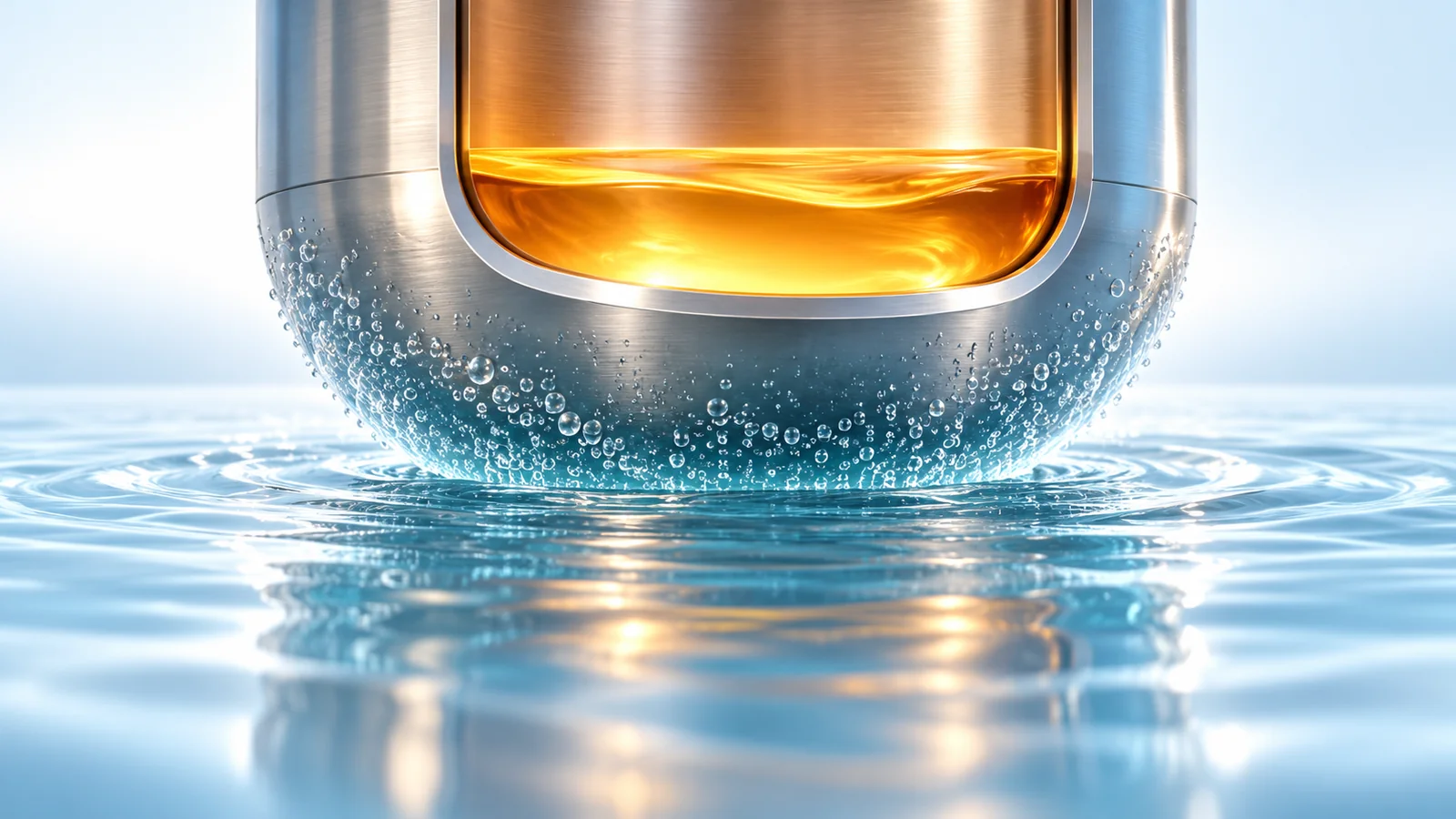
In-vessel retention — external vessel cooling and the heat flux versus CHF limit
IVR prevents vessel failure by external cooling; success requires q″(θ) < q″CHF(θ) everywhere, and the tightest margin is usually at the thin upper metal layer where heat is focused.
INES — levels 0–7, three assessment areas and I-131 equivalent release
INES rates an event in three areas and takes the highest; defence in depth alone stops at level 3, and levels 4–7 for releases use I-131 equivalent boundaries of about 500, 5,000 and 50,000 TBq.