Concept Dictionary archive — page 11
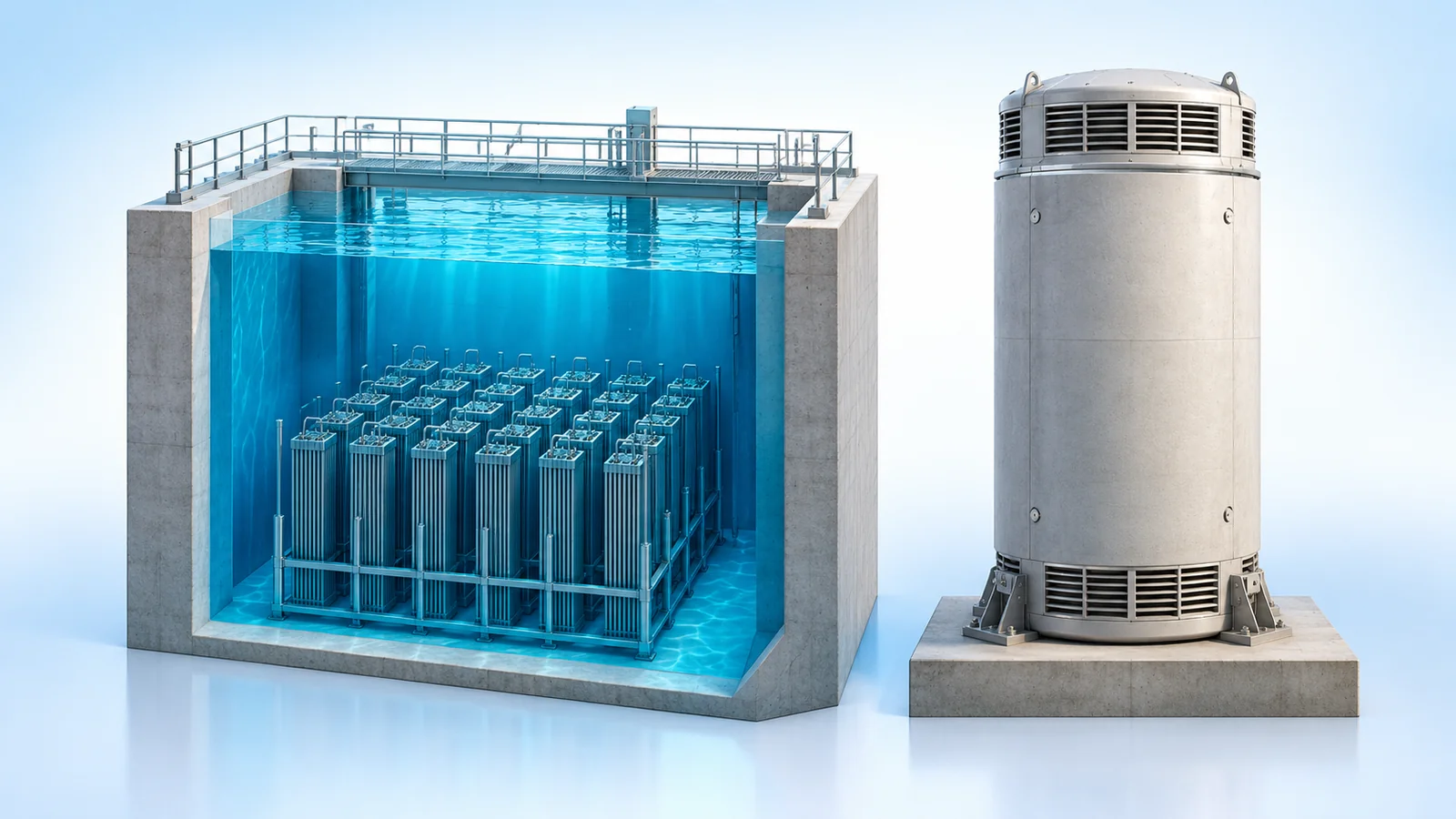
Spent fuel storage — wet, dry, interim storage and final disposal
Storage assumes retrieval and disposal does not; pools must stay at keff ≤ 0.95 even with unborated water, dry casks keep peak cladding temperature at or below 400 °C.
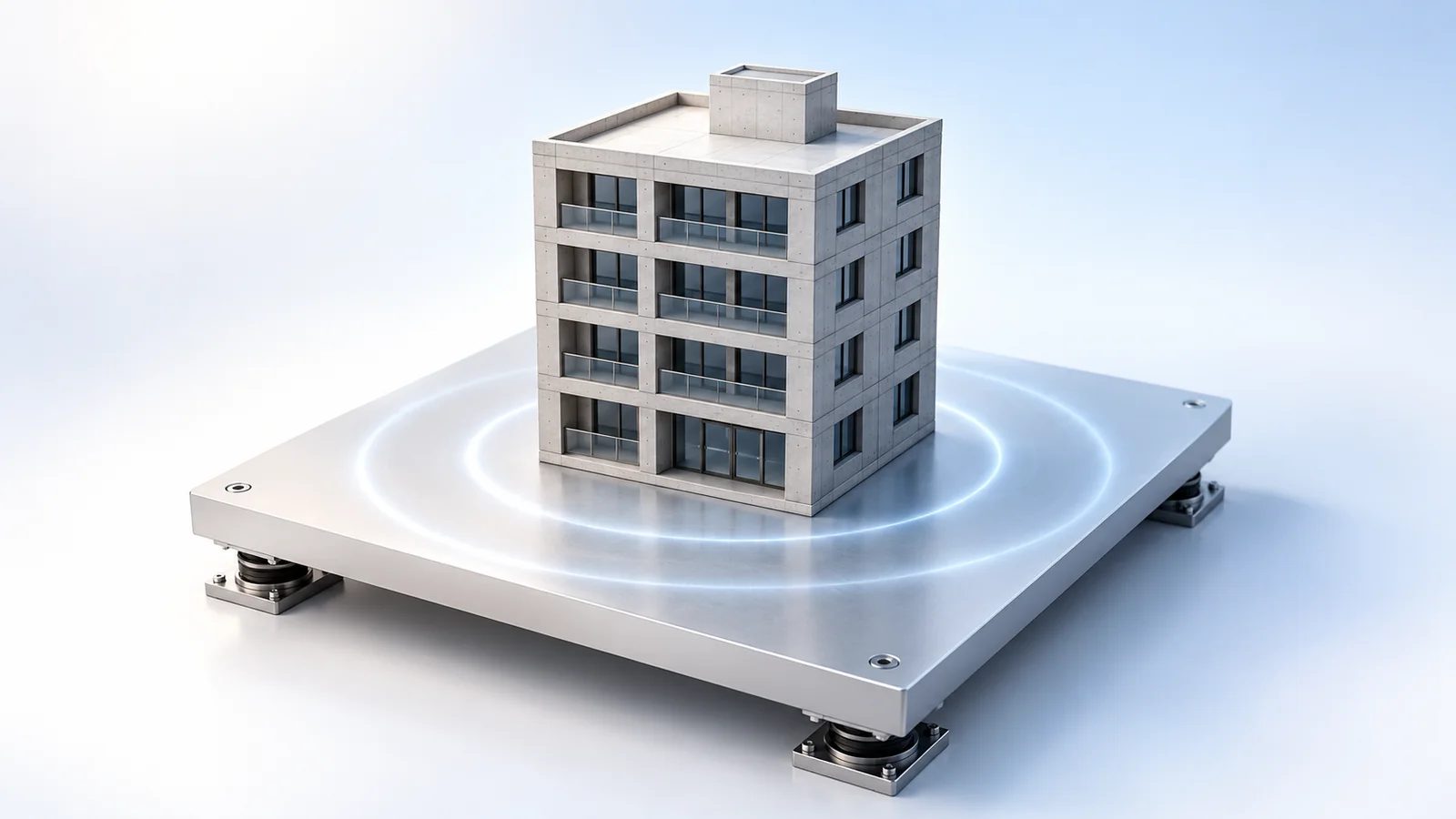
SSE and OBE — design earthquakes, RG 1.60 spectra and OBE exceedance
SSE (minimum 0.1 g) is the design ground motion for safety functions; an OBE of at most SSE/3 needs no design analysis but remains the shutdown criterion, judged by spectrum and CAV.
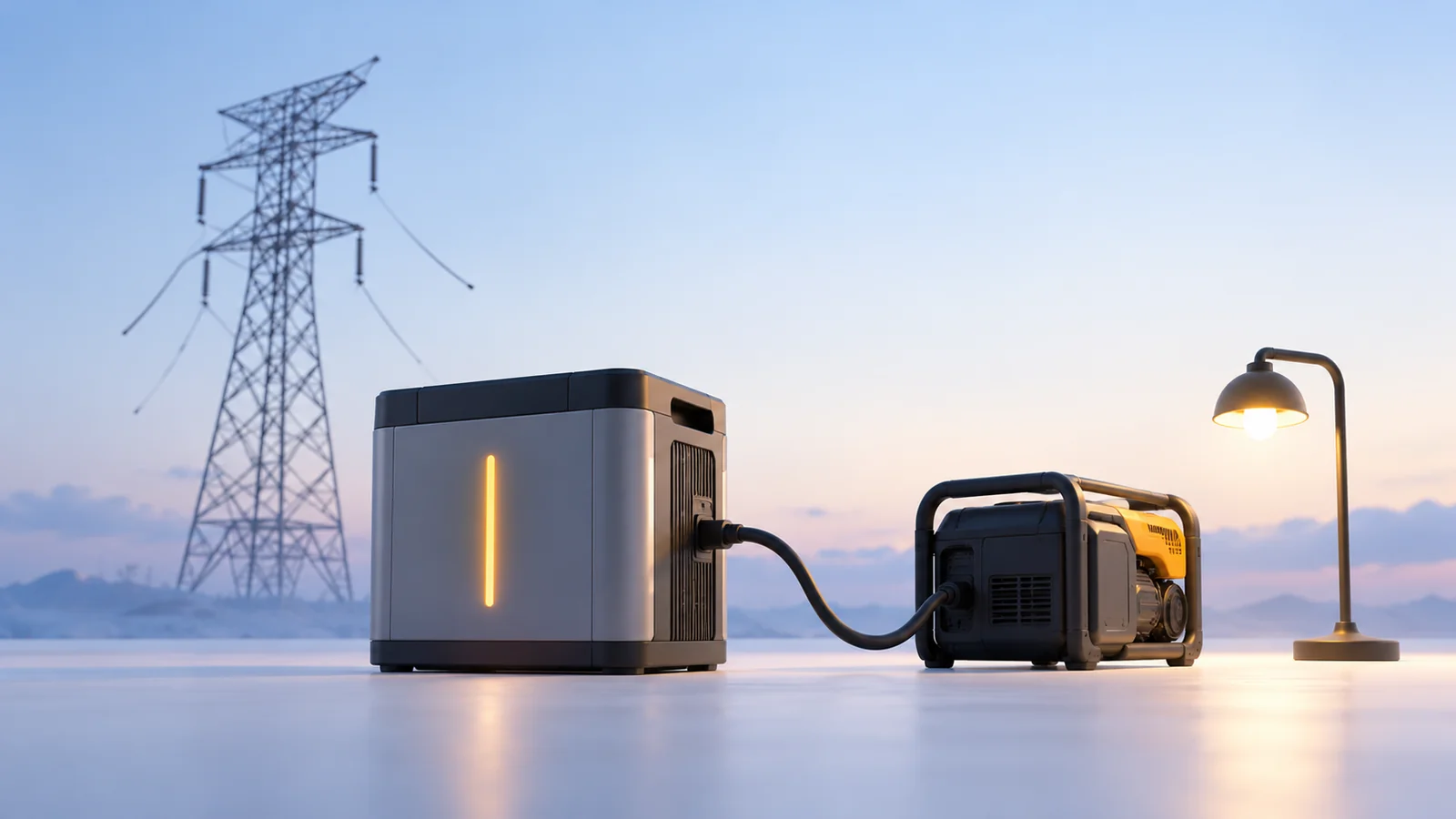
Station blackout — definition, coping duration, AAC and post-Fukushima rules
In an SBO the plant copes with natural circulation, the turbine-driven auxiliary feedwater pump and DC batteries for a coping duration of 2–16 h set by RG 1.155; an AAC shown by test to supply power within 10 minutes removes the need for a coping analysis.
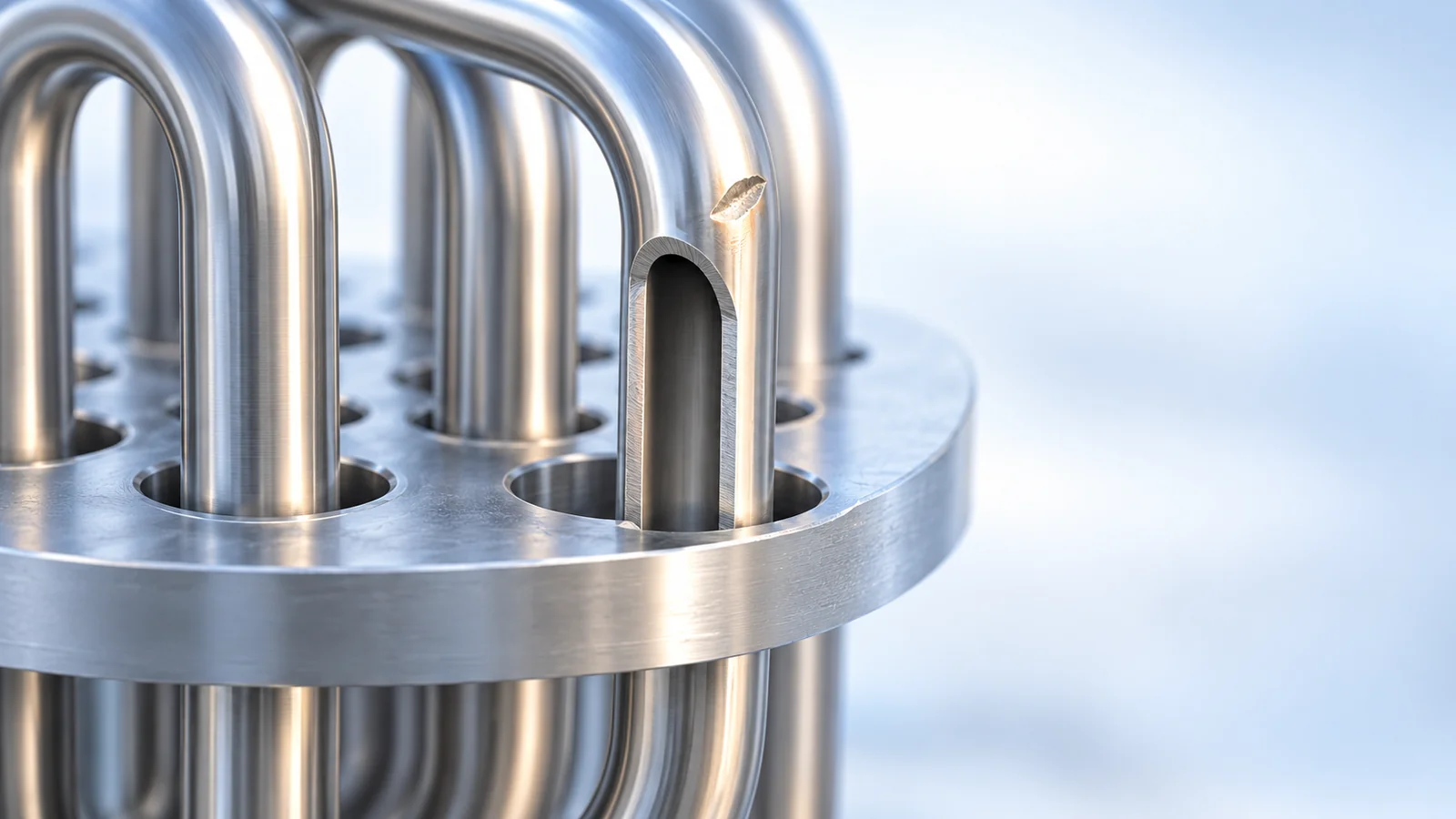
Steam generator tube degradation — mechanisms, ECT and the 40 %TW criterion
Thin SG tubes (wall about 1 mm) degrade by PWSCC, ODSCC/IGA, denting, wear and fatigue; flaws of 40 %TW or deeper are plugged or sleeved, and a 10 % UA loss cuts steam pressure from 6.90 to about 6.75 MPa.
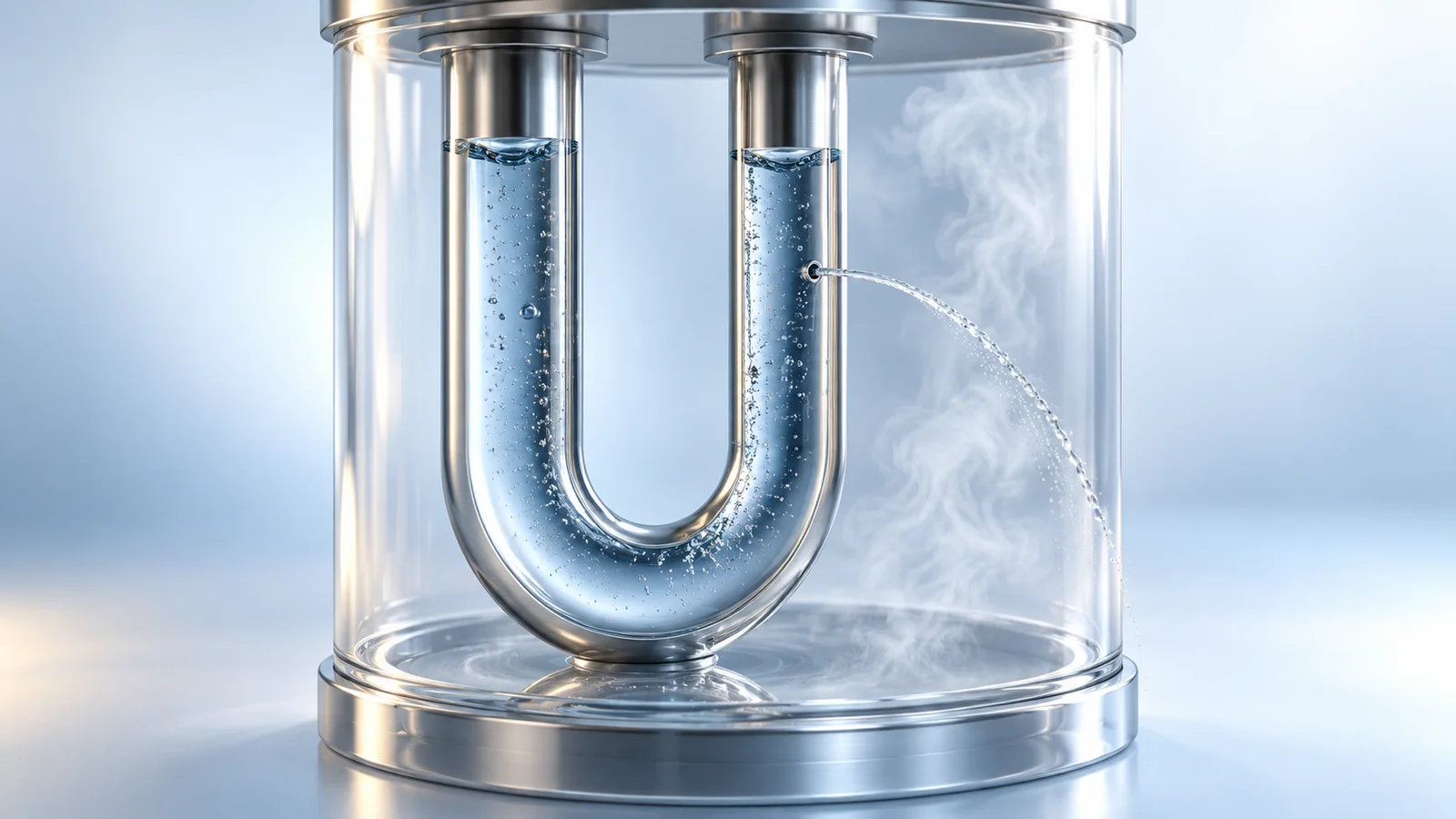
Steam Generator Tube Rupture (SGTR) — bypass and pressure equalization
An SGTR breaches the primary boundary across a ΔP of about 8.5 MPa and bypasses containment through the ADVs and MSSVs; operators cool, depressurize to ΔP = 0 and terminate SI while avoiding MSSV opening and overfill.

Subcritical Multiplication and 1/M — extrapolating to criticality
1/M = CR₀/CR = (1−k)/(1−k₀) falls to zero at criticality; each count-rate doubling halves 1−k, and curvature from detector position makes extrapolations conservative or non-conservative.

Technical Specifications — SL, LSSS, LCO and the four selection criteria
The T/S set safety limits (e.g. RCS pressure 18.96 MPa), LSSS and LCOs with completion times; LCO 3.0.3 requires Mode 3 in 7 h, Mode 4 in 13 h and Mode 5 in 37 h.
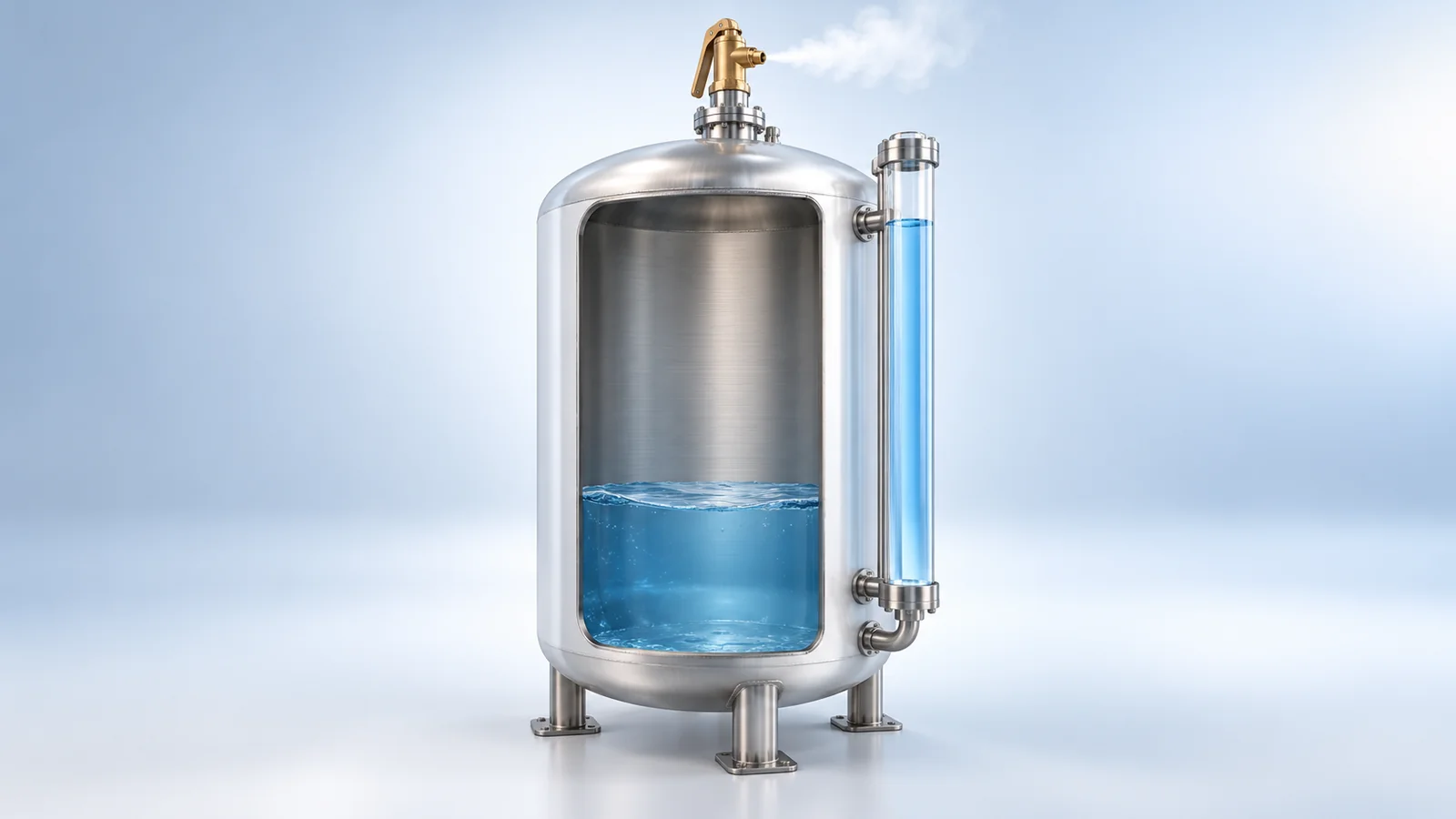
TMI-2 accident — stuck-open PORV and the pressurizer level trap
At TMI-2 in 1979 a stuck-open PORV drained the RCS while a high pressurizer level hid the loss; about 45 % of the core melted, the vessel and containment held, and NUREG-0737 followed.

Tritium — sources, dose coefficients and discharge standards
Tritium (T½ 12.3 years, β⁻ max 18.6 keV) is an internal hazard only; PHWR releases are about 31 times those of PWRs, and HTO passes through liquid treatment with a decontamination factor of 1.
U-235 consumption — fissions, capture (α) and remaining enrichment
1 MWd fissions about 1.05 g of U-235 and consumes about 1.23 g including capture (α ≈ 0.169); enrichment = remaining U-235 / remaining U, e.g. 3 % UO2 100 t after 1.08×10⁶ MWd → 1.73 %.