Concept Dictionary archive — page 7
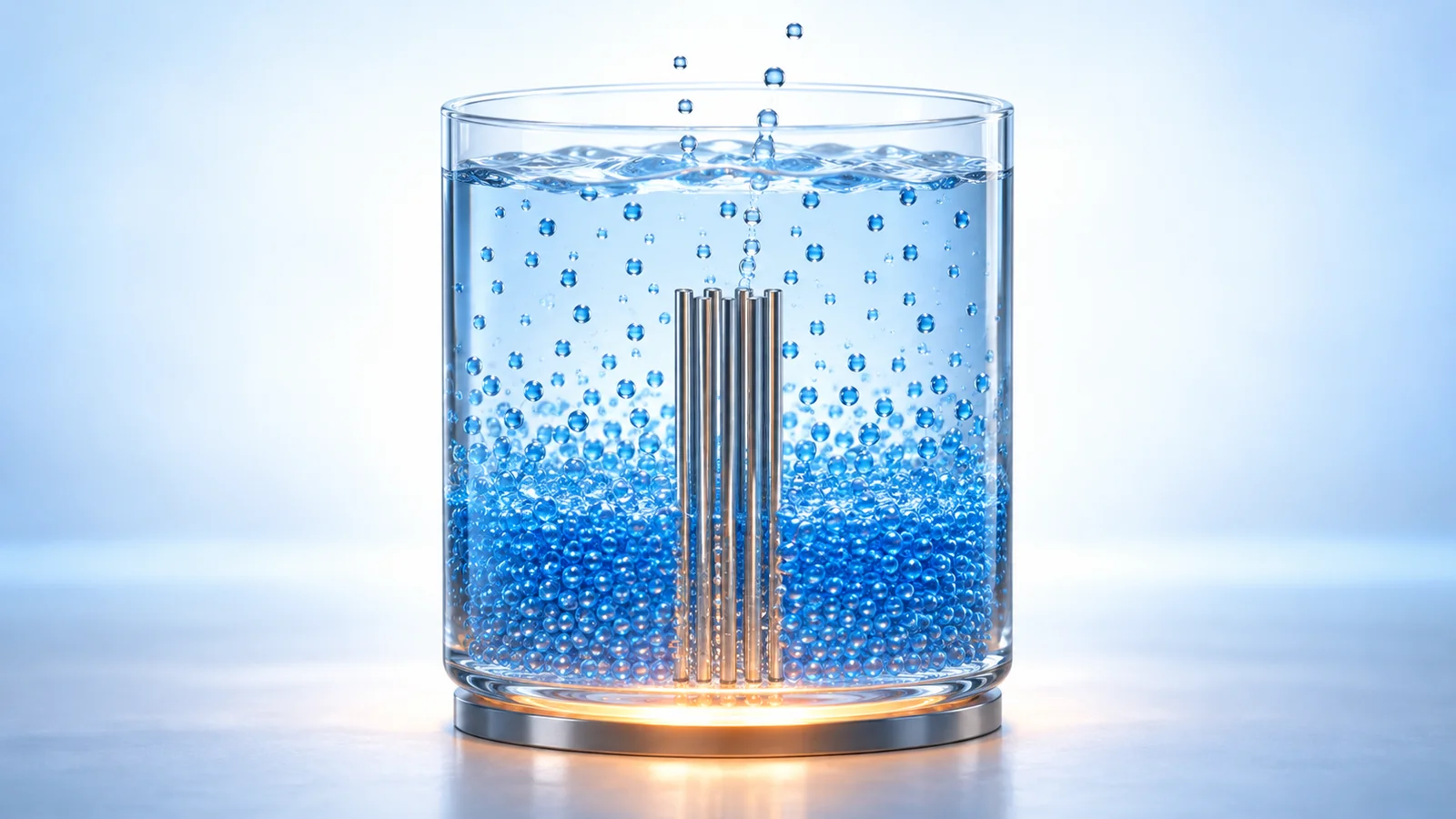
Moderator Temperature Coefficient (MTC) — density effect and positive MTC at BOC
In a light-water reactor the MTC is set mainly by the drop in water density; high BOC boron shifts the k∞ peak left of the design point, so the MTC can be positive at low power.
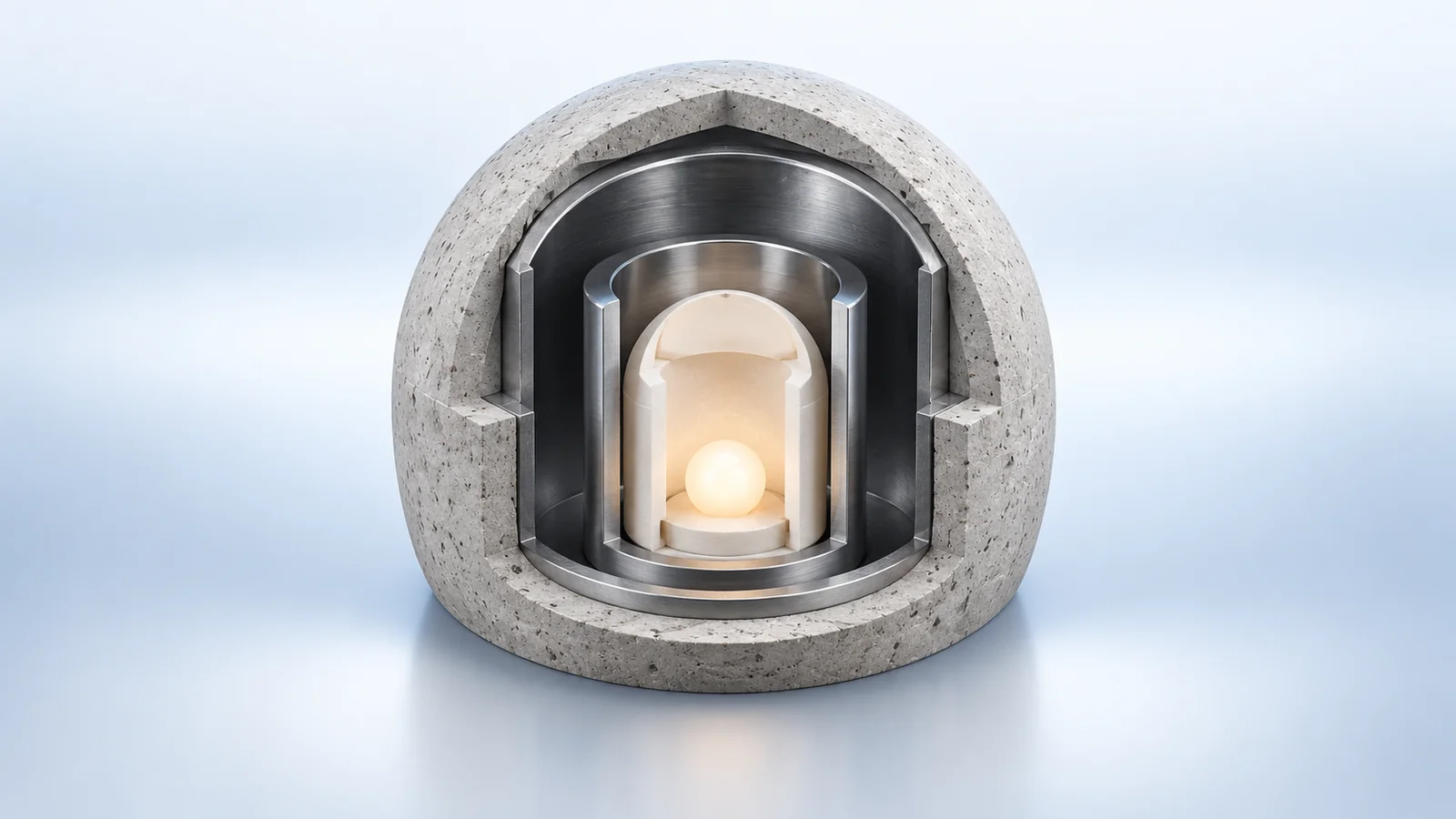
Multiple barriers — four physical barriers and their design limits
Fission products must pass pellet, cladding, RCPB and containment in series; the barriers are not fully independent, so safety functions are assured redundantly to keep them effective.
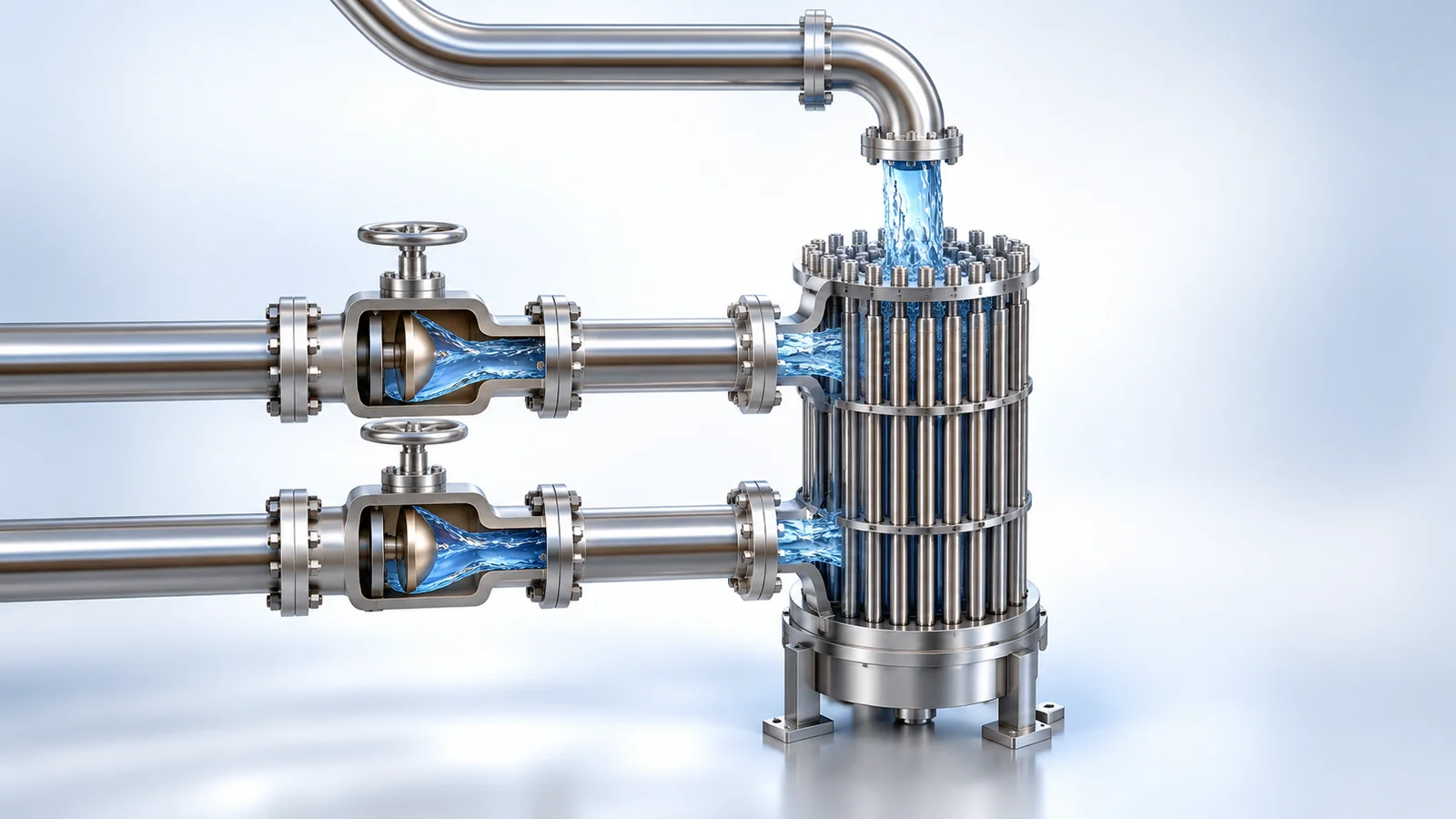
Multiple-failure accidents — typical sequences and DEC-A
Multiple-failure accidents assume loss of a safety function beyond a single failure; typical sequences plus PSA-selected additions must not cause significant damage to reactor or spent fuel pool fuel.

Multiplication Factor — k∞, keff and the six-factor formula
In the DOE teaching example 10,000 fast neutrons become 10,065 after six factors (k∞ = 1.251, keff ≈ 1.0065); η is about 2.07 for U-235, 1.79 at 2.5 % enrichment and 1.33 for natural uranium.
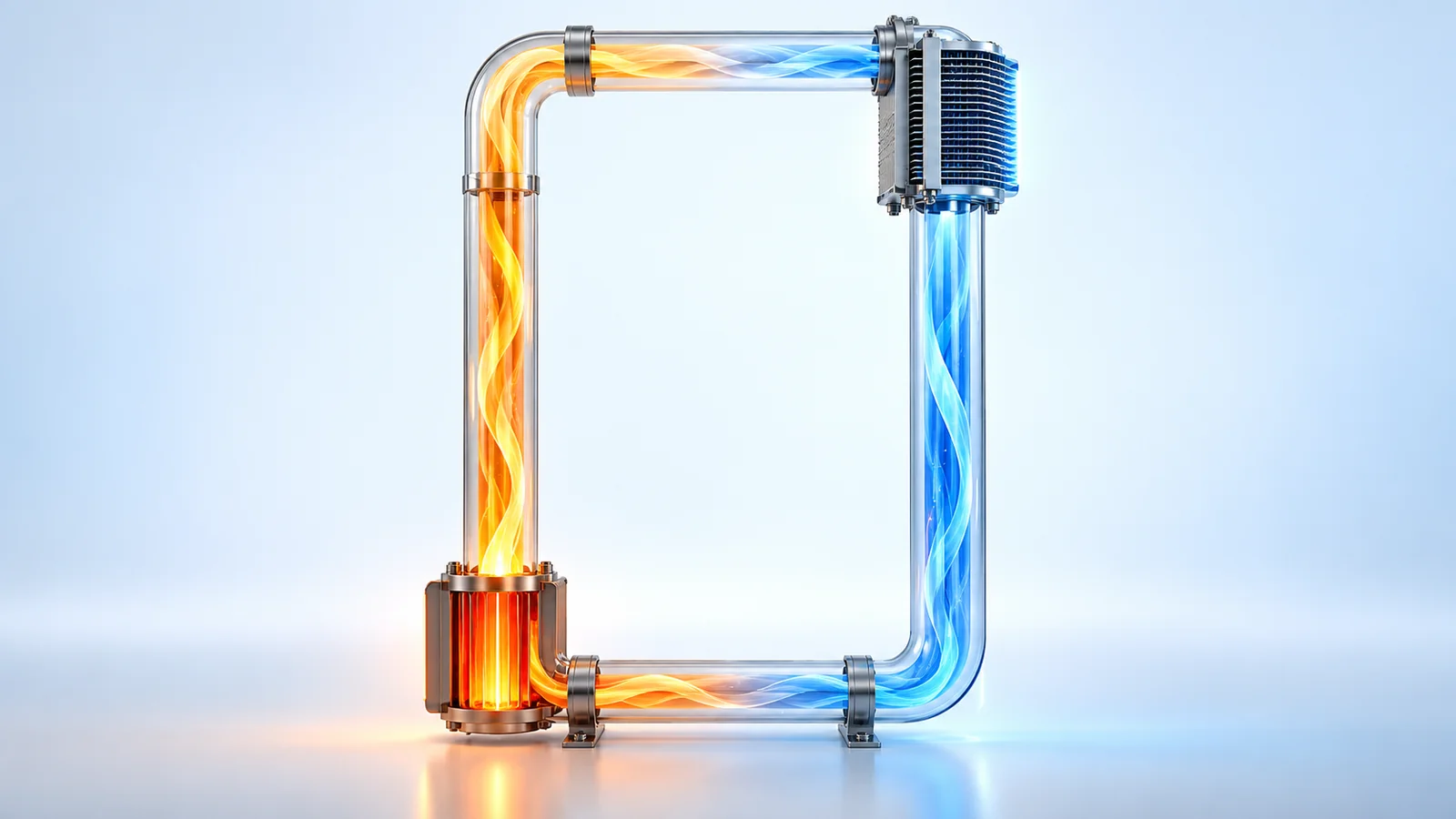
Natural Circulation — thermal-center height, flow relation and the three modes
Natural circulation needs the SG thermal center above the core thermal center; ΔPb = (ρc − ρh)gΔH and ṁ ∝ (QΔH)^1/3, so a 20 % loss of ΔH raises ΔT by only about 7.7 %.

Neutron generation time — ℓp, Λ and ℓ̄, and when Λ changes the period
Prompt neutrons live about 2×10⁻⁵ s in an LWR, giving a prompt-only period of 0.02 s; delayed neutrons raise the mean generation time to about 0.085 s, and Λ matters mainly above prompt critical.

Neutron Slowing Down and Lethargy — u, ξ and collision counts
Lethargy grows by ξ = 1 + α lnα/(1−α) per collision regardless of energy, giving 18, 115 and 152 collisions to thermalize in hydrogen, carbon and oxygen.

Nil-ductility transition temperature — NDTT, RTNDT, DBTT and ART
RTNDT = max(TNDT, TCv − 33 °C) under NB-2331; irradiation raises it by ΔRTNDT = CF × f^(0.28 − 0.10 log f), giving ART = initial RTNDT + ΔRTNDT + margin (191.5 °F at 1/4T in the worked example).

NPP Site Selection — seven criteria, EAB, LPZ and PCD
Siting covers seven items from geology to multiple units; the EAB and LPZ boundaries must stay at or below 250 mSv effective dose in a hypothetical accident, and the population center distance must be at least 1⅓ times the LPZ distance.
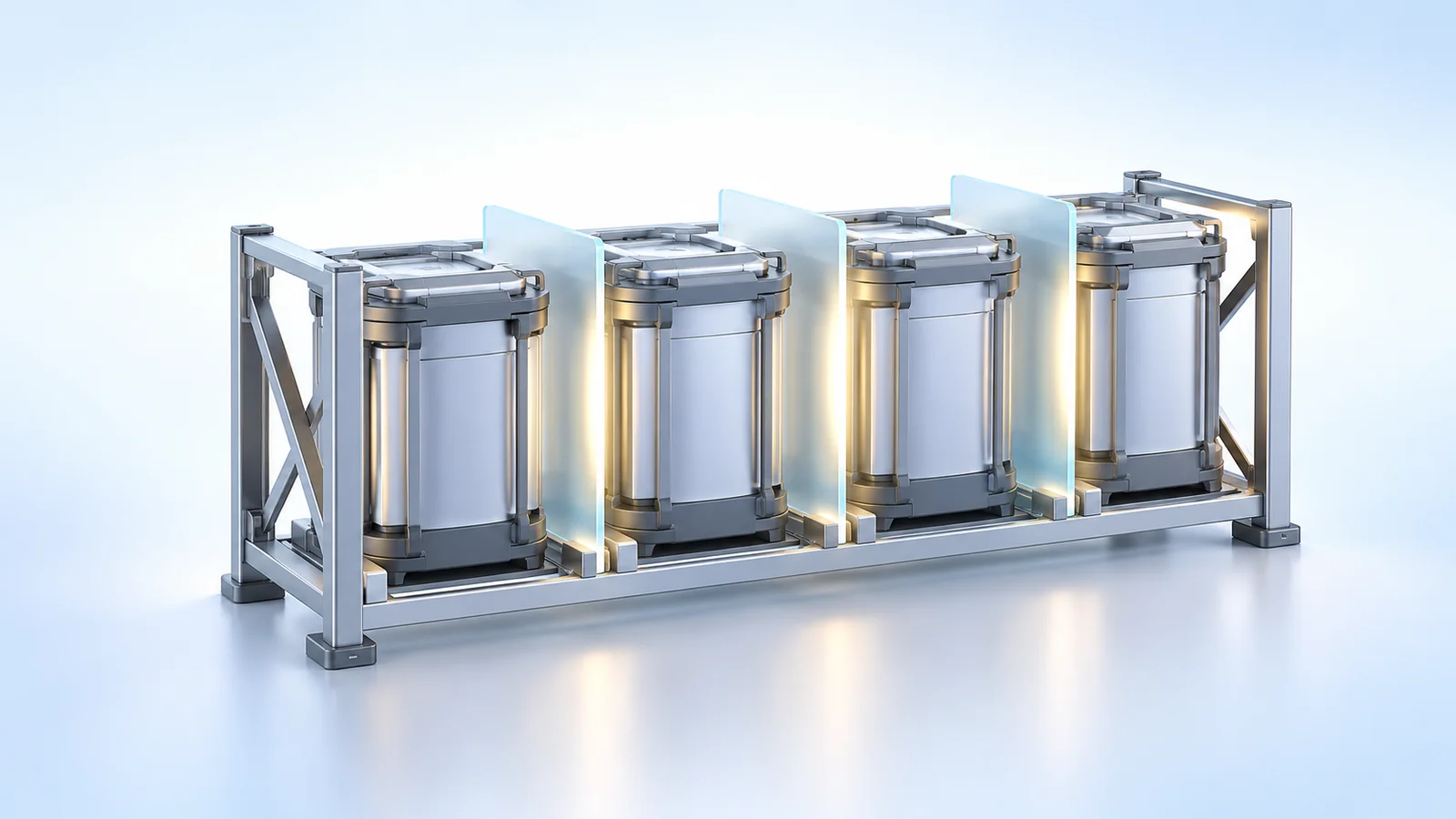
Nuclear criticality safety — control parameters, double contingency and pool keff limits
Spent fuel racks must stay at keff ≤ 0.95 in unborated water at 95/95 (or < 1.0 unborated with boron credit), and designs require two unlikely, independent, concurrent changes before criticality is possible.