Concept Dictionary archive — page 3
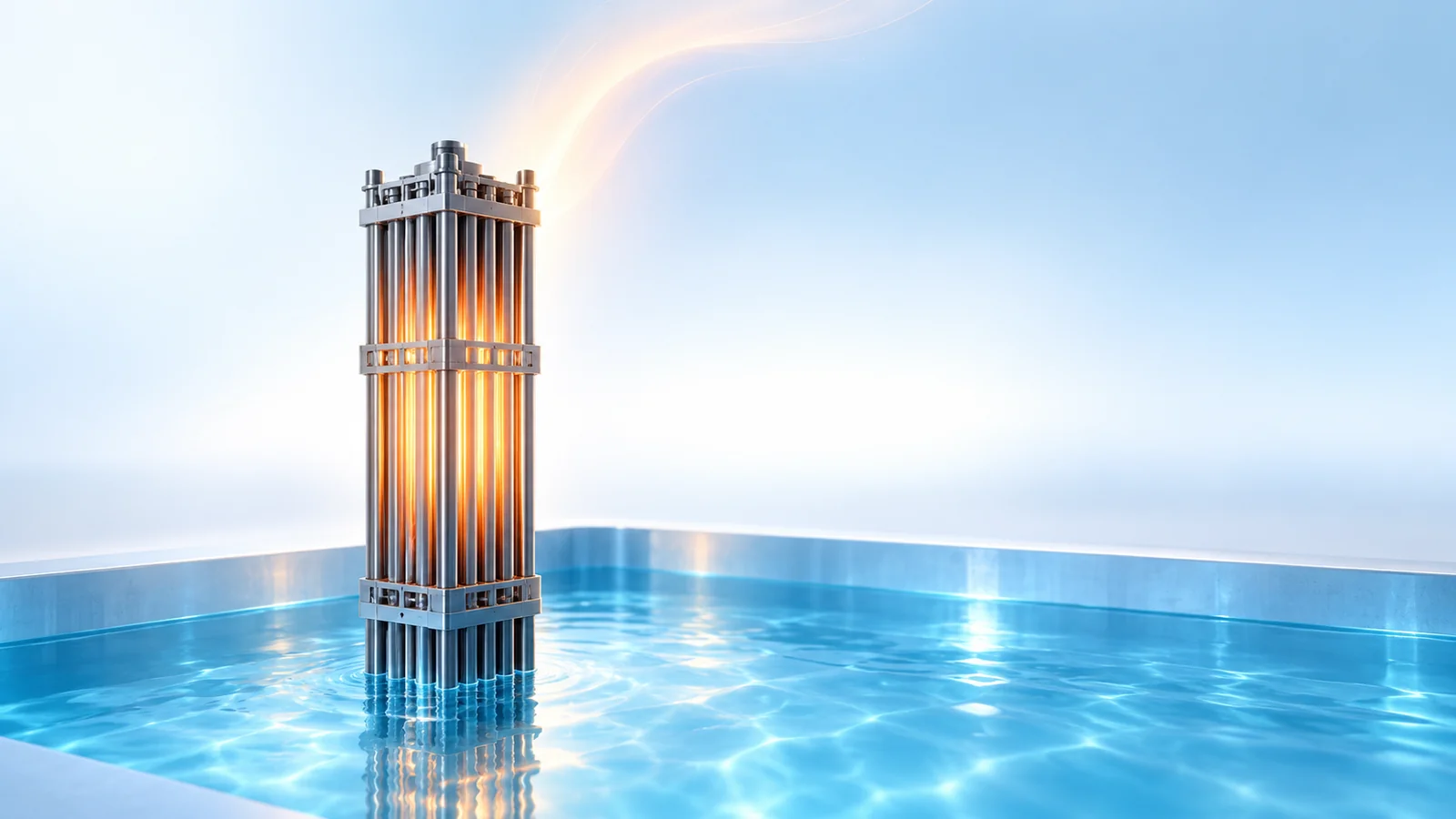
Decay Heat — Way-Wigner formula, operating history and Appendix K
Decay heat from fission-product and actinide decay follows P/P0 = 0.0622[ts⁻⁰·² − (ts + t0)⁻⁰·²]; Appendix K uses 1.2 × the 1971 ANS infinite-operation value at 1.02 × power.

Defence in depth — five functional levels and independence between them
Five independent levels (prevention, control, accident control, severe-accident mitigation, off-site response) protect the physical barriers; early or large releases must be practically eliminated.

Delayed neutron fraction β and βeff — nuclide, importance and burnup
βeff = I·β̄ weights delayed neutrons by importance; I ≈ 0.97 in a large PWR, and Pu-239 build-up lowers βeff from about 623 to 503 pcm over a cycle in an illustrative calculation.

Delayed Neutrons — β, βeff, generation time and reactor period
With β = 0.0065 and a mean precursor life of about 13 s, ℓ̄ ≈ ℓp + β·τ̄ rises to about 0.08 s, giving a 55 s period at ρ = 0.001 instead of 0.02 s.
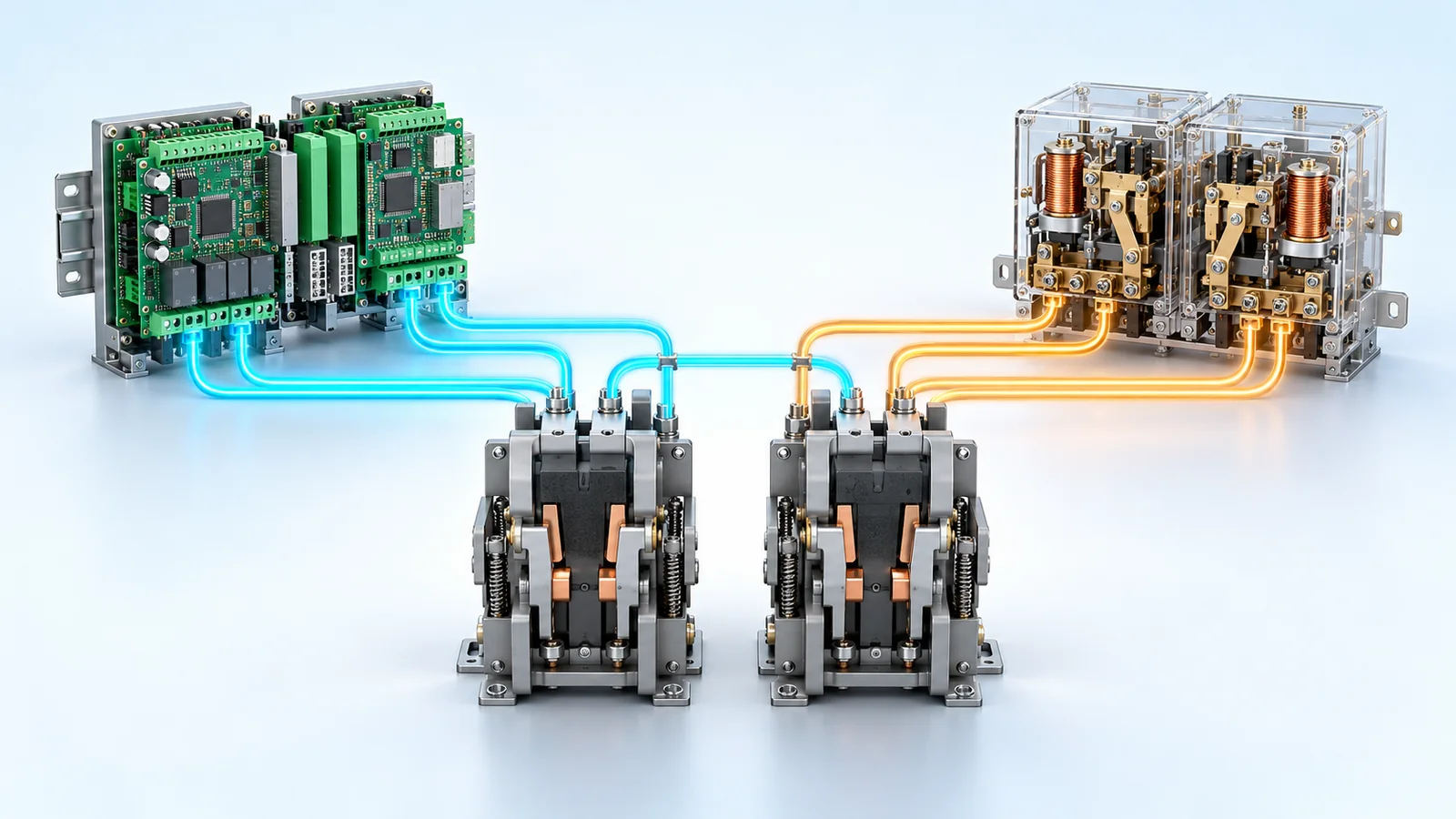
Diverse Protection System (DPS) — an independent trip path against CCF
The DPS is independent of and diverse from the PPS; at OPR1000 plants it trips the reactor by opening the CEDM MG set contacts through 2/2 logic, and the APR1400 DC uses four FPGA channels in 2/4.

DNBR — critical heat flux ratio, MDNBR, 95/95 limit and margin
DNBR = q″CHF/q″ at each location; the core minimum MDNBR must stay at or above the correlation-specific 95/95 limit (1.29 for the APR1400 with KCE-1), and it lies downstream of the peak heat flux.
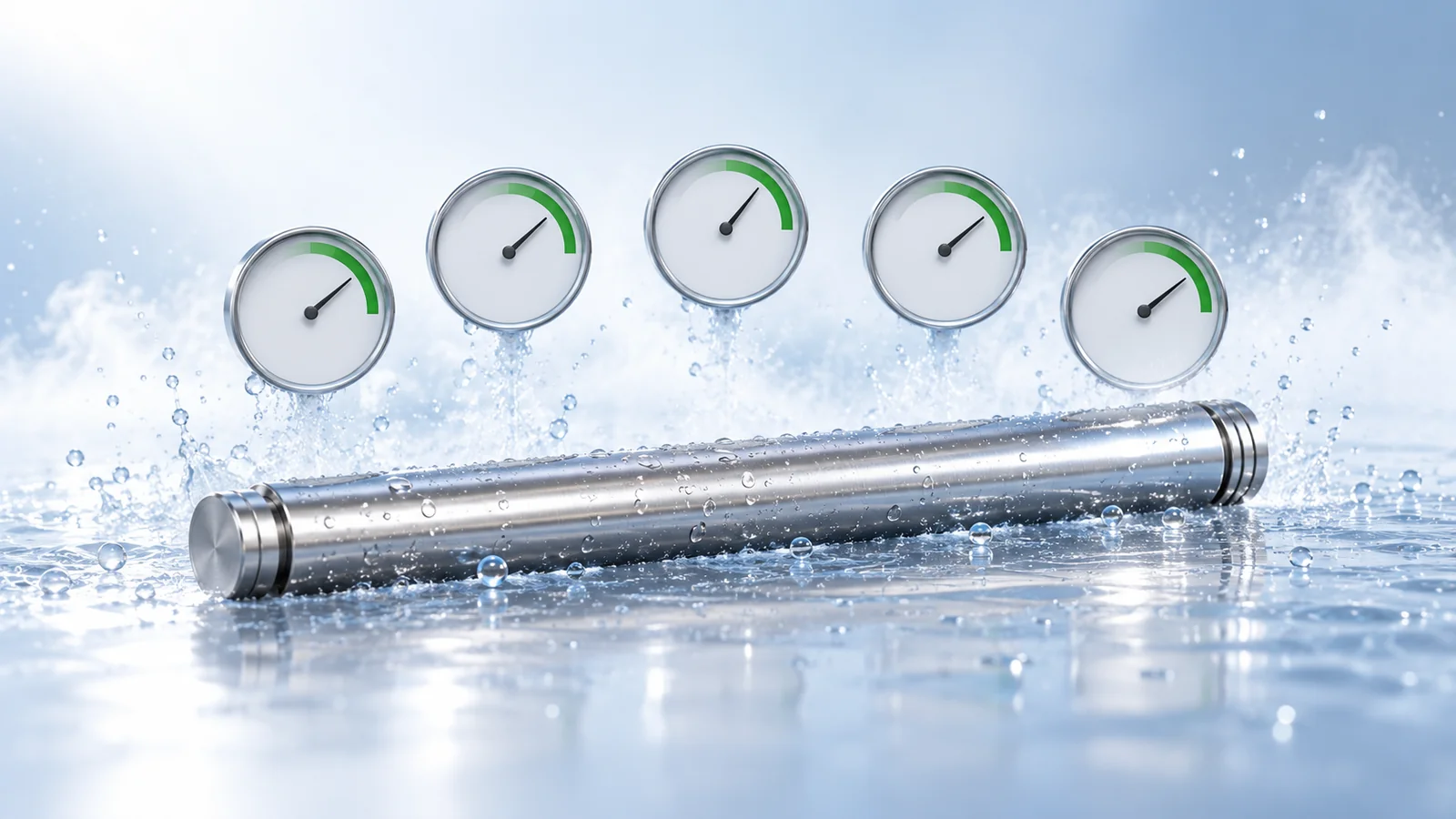
ECCS acceptance criteria — PCT 1,204 °C, ECR 17 %, hydrogen 1 %
Five LOCA criteria (PCT ≤ 1,204 °C, local ECR ≤ 17 %, core-wide H₂ ≤ 1 %, coolable geometry, long-term cooling), judged by Appendix K or a best-estimate 95/95 bound.

Emergency action levels — ICs, barrier matrix and release criteria
EALs are plant-specific observable thresholds attached to initiating conditions; two barriers lost plus the third threatened means a General Emergency, and NEI release ICs use projected dose (0.1, 1, 10 mSv TEDE) rather than dose rate.
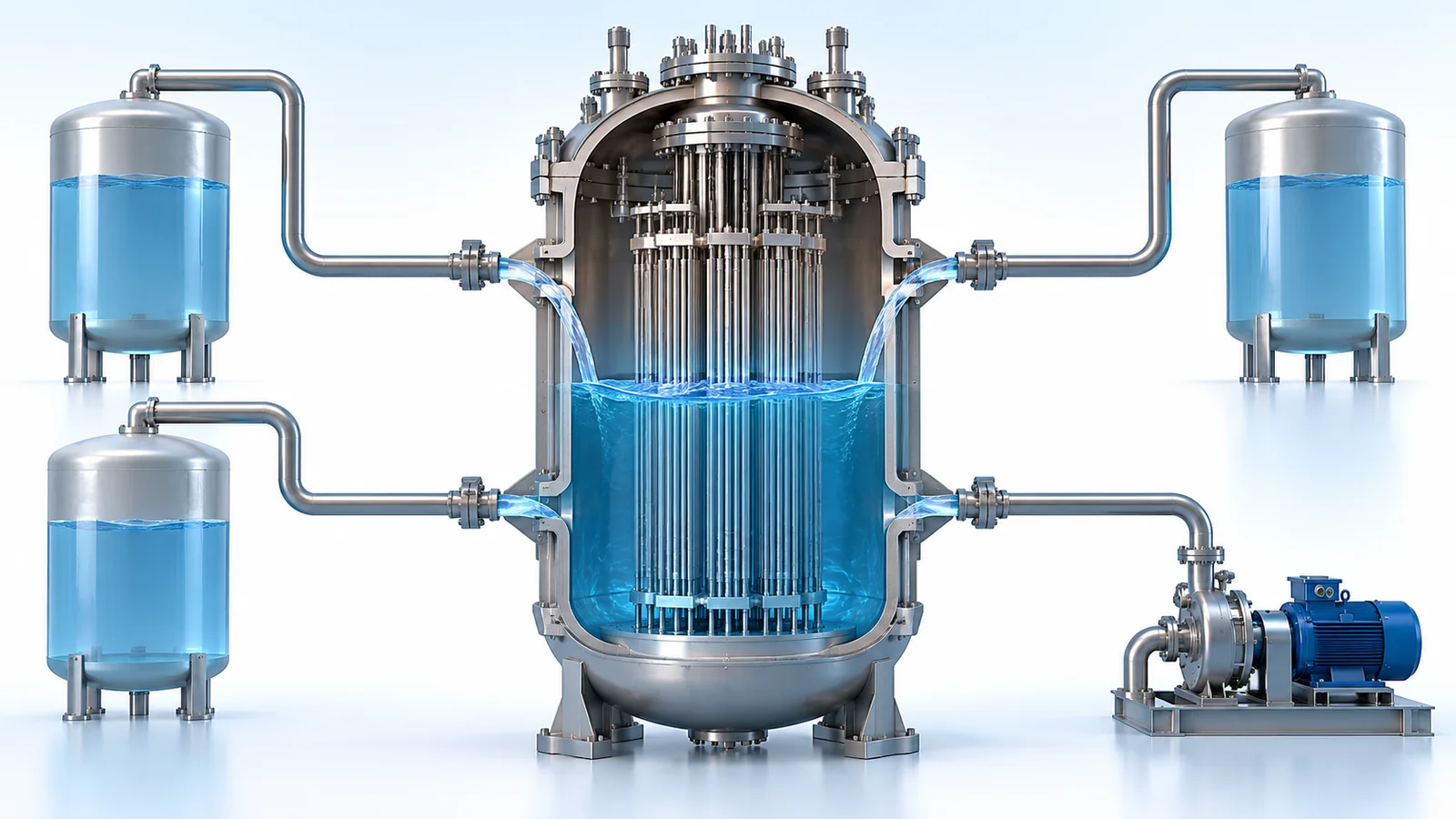
Emergency Core Cooling System (ECCS) — SIT, HPSI, LPSI and recirculation
In the OPR1000, four nitrogen-pressurized SITs, two HPSI and two LPSI pumps inject borated water from the RWT, RAS transfers suction to the sump, and simultaneous hot-leg injection prevents boric acid precipitation.
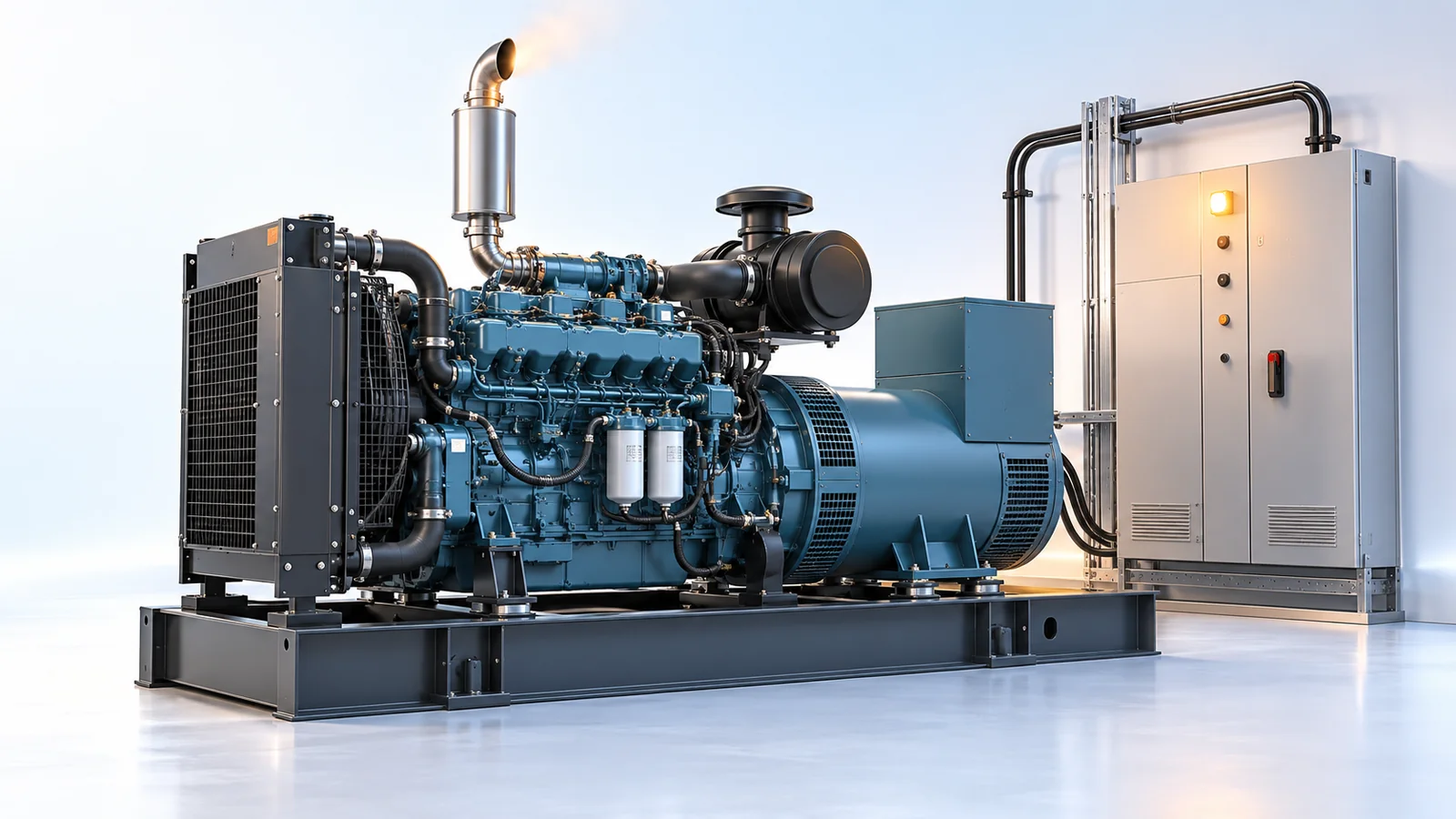
Emergency Diesel Generator (EDG) — start signals, load sequencing and reliability
The EDG starts automatically on LOOP and picks up loads in steps, keeping voltage ≥ 75 % and frequency ≥ 95 % and recovering within 60 % of each interval; its start time is a T/S value (10 s or 17 s).