Concept Dictionary archive — page 10

Reactor Period — stable period, startup rate and the −80 s limit
Prompt neutrons alone would give T = ℓp/(k−1) ≈ 0.01 s for ρ = 0.002; with delayed neutrons the one-group period is 28.1 s, SUR = 26.06/T, and after shutdown the period approaches about −80 s.
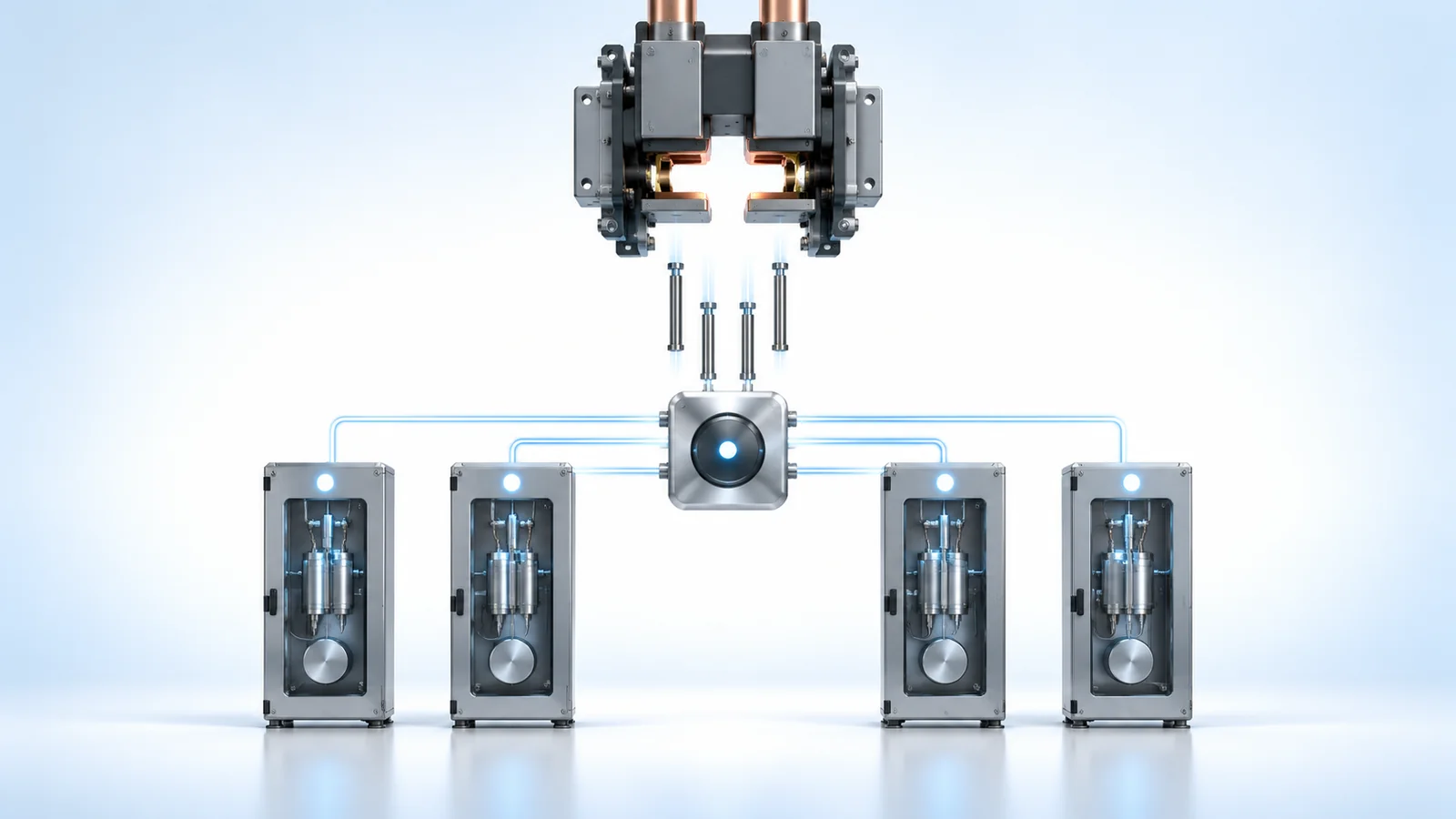
Reactor protection system — four channels, 2/4 logic and design criteria
The RPS trips the reactor when two of four channels of one protective function reach their setpoint; 2/4 ignores one spurious input, tolerates two failed channels, and becomes 2/3 with one channel bypassed.
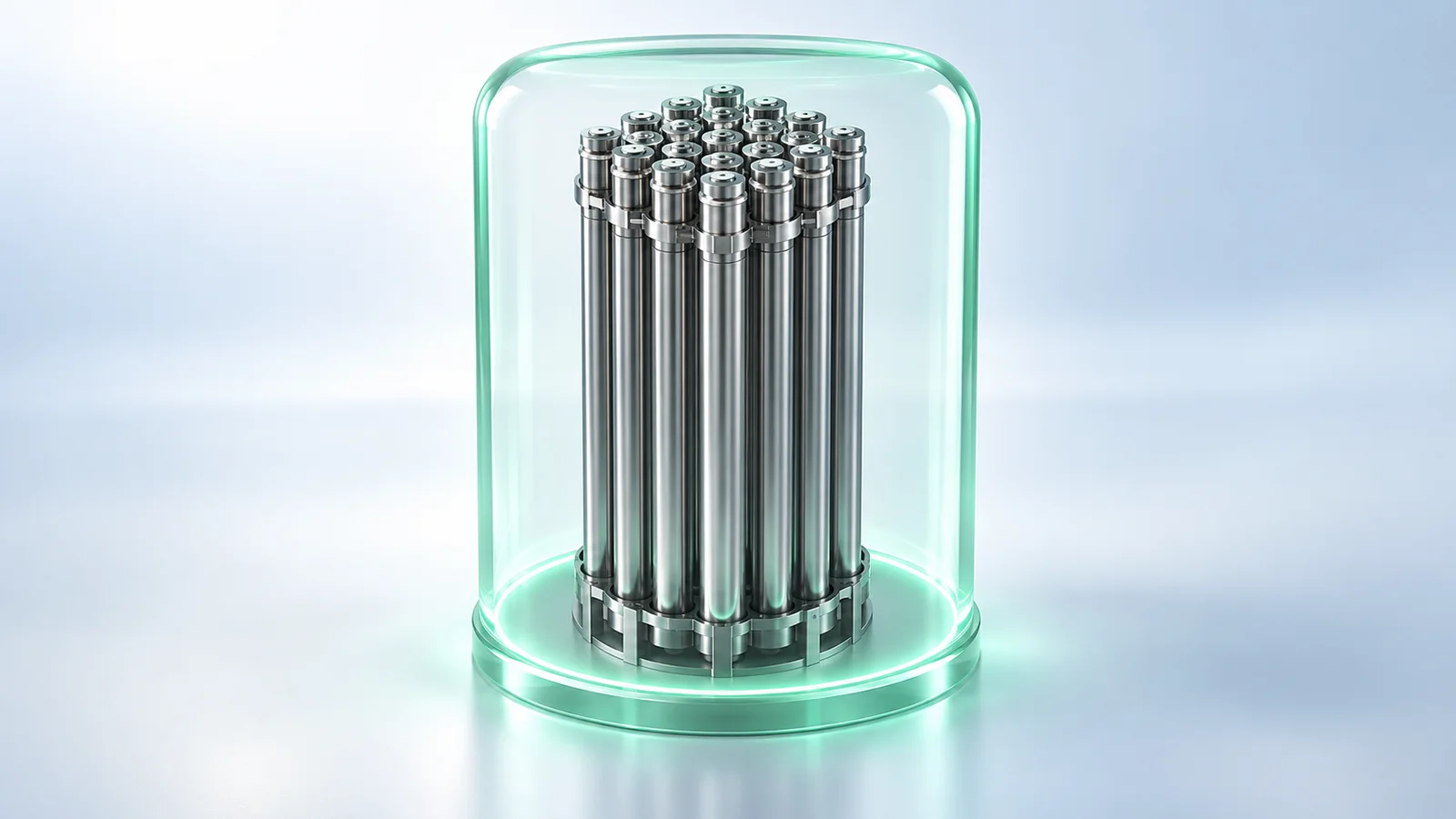
SAFDL — fuel design limits for normal operation and AOOs
SAFDLs (GDC 10) cover fuel damage and failure in normal operation and AOOs, led by MDNBR ≥ 95/95 and no centerline melting, and are protected by the core SL, LSSS and LCOs.
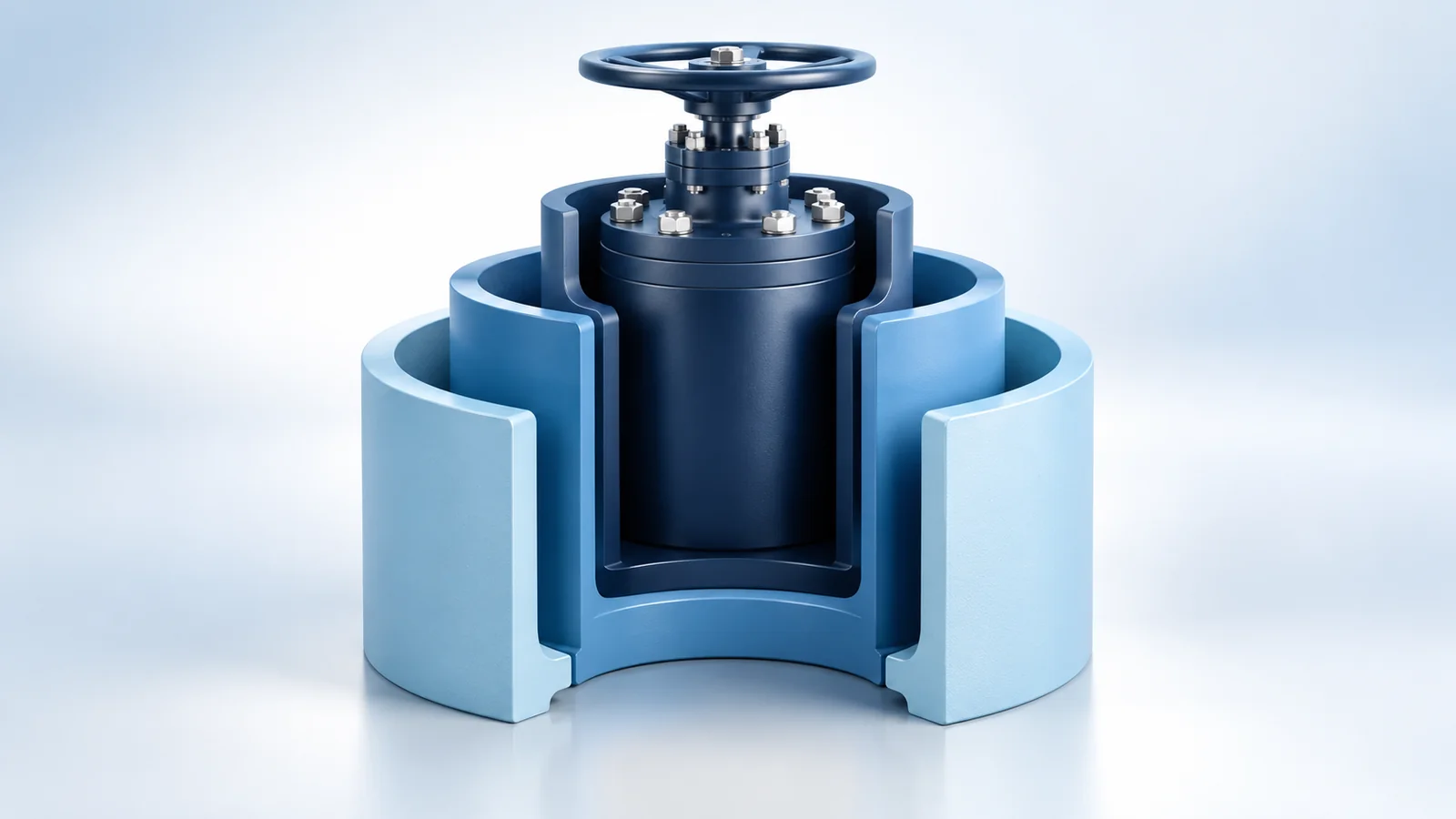
Safety Class — Classes 1, 2, 3 and their codes, seismic and QA links
Safety Class 1 covers RCPB parts whose failure exceeds the coolant makeup capacity, Class 2 containment and emergency cooling, Class 3 support functions; each maps to ASME III Class 1, 2, 3 and quality groups A, B, C.
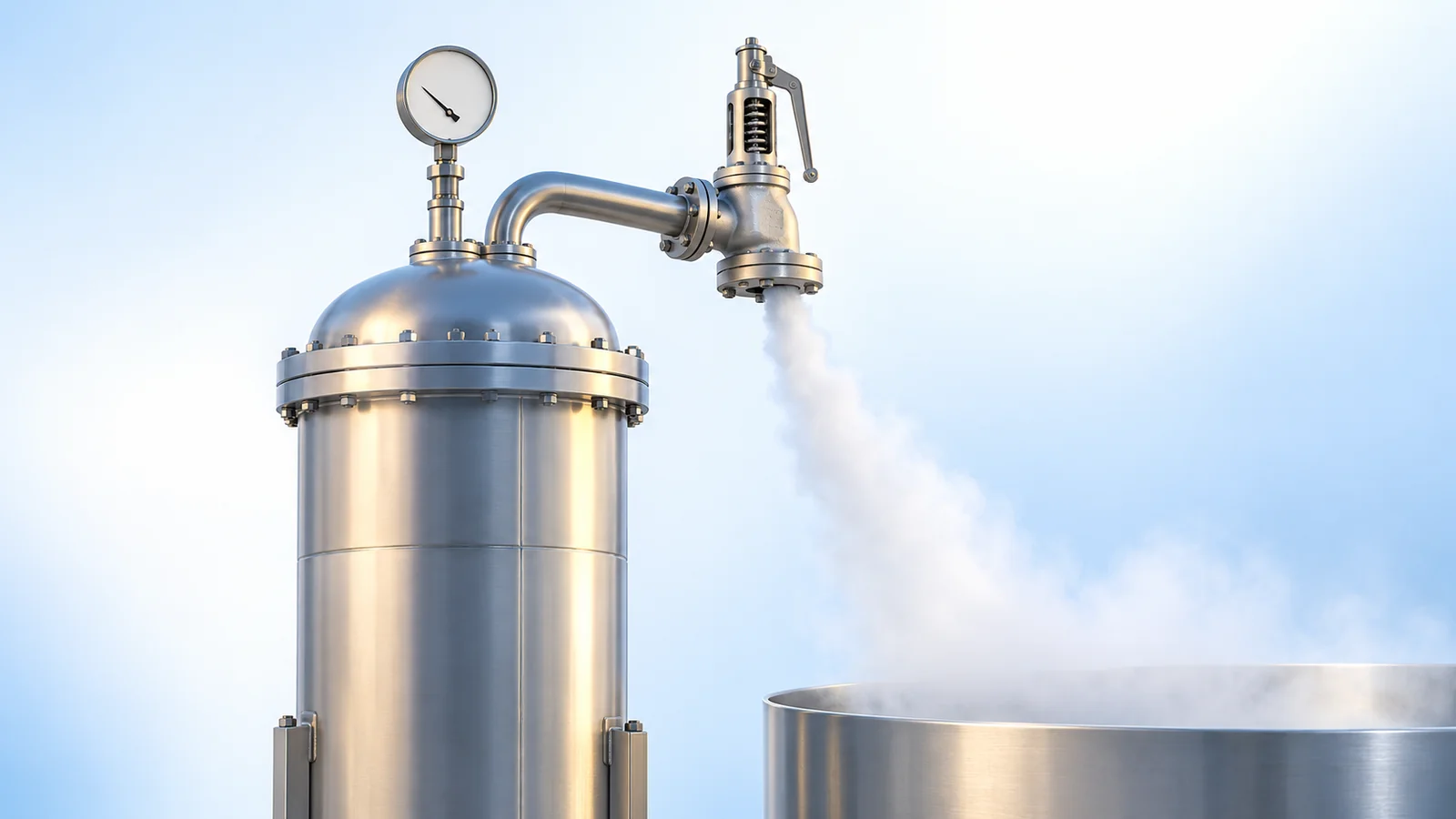
Safety Depressurization System (SDS, SDVS) — feed and bleed and severe-accident depressurization
The SDS lowers RCS pressure below the HPSI shutoff head for feed and bleed; the APR1400 uses four POSRVs (2,470 psia, 244.9 t/h each) and depressurizes to low pressure before vessel failure.
Safety Limits — core SL, RCS pressure SL and violation actions
The core SL (MDNBR ≥ correlation 95/95 limit, centerline temperature below melting) and the RCS pressure SL (2,750 psia = 110 % of design pressure) are protected by LSSS trips; exceeding one requires shutdown, a report and approval before restart.

SAMG — entry, diagnosis, mitigation strategies and exit
SAMG takes over when CET reaches 649 °C and EOP core cooling fails; the TSC uses the DFC to pick among seven strategies, weighing each one's negative impacts against the result of not acting.

Severe accident progression — in-vessel stages and ex-vessel FCI, MCCI, DCH
Fuel liquefies far below the UO2 melting point through oxidation and eutectic reactions; after vessel failure, RCS pressure and cavity water decide between DCH, FCI and MCCI loads on containment.
Shutdown margin — stuck-rod assumption, budget and requirement
SDM = (1 − k_N−1)/k_N−1 with the highest-worth rod fully withdrawn; it is an initial condition of the EOC zero-power MSLB analysis, e.g. 1.3 %Δk/k in a Westinghouse-type COLR.
Single failure criterion — active and passive failures, N+1 and CCF
Assume the initiating event, LOOP and the worst single failure with its consequences; the remaining trains must still meet the acceptance criteria, but this says nothing about common-cause failure.