Concept Dictionary archive — page 4
Emergency operating procedures — SPTA, ORP, FRP and CSFSTs
After a trip, operators check nine safety functions (SPTA), diagnose, follow an event-specific ORP while repeating the SFSC, and fall back to function-based FRPs if diagnosis fails.

Emergency planning zones — PAZ, UPZ and how they are set
IAEA EPR-NPP suggests a PAZ of 3–5 km for precautionary evacuation and a UPZ of 15–30 km for assessment-based actions; actual boundaries follow local conditions, and the radii are preparation ranges, not the reach of radiation.
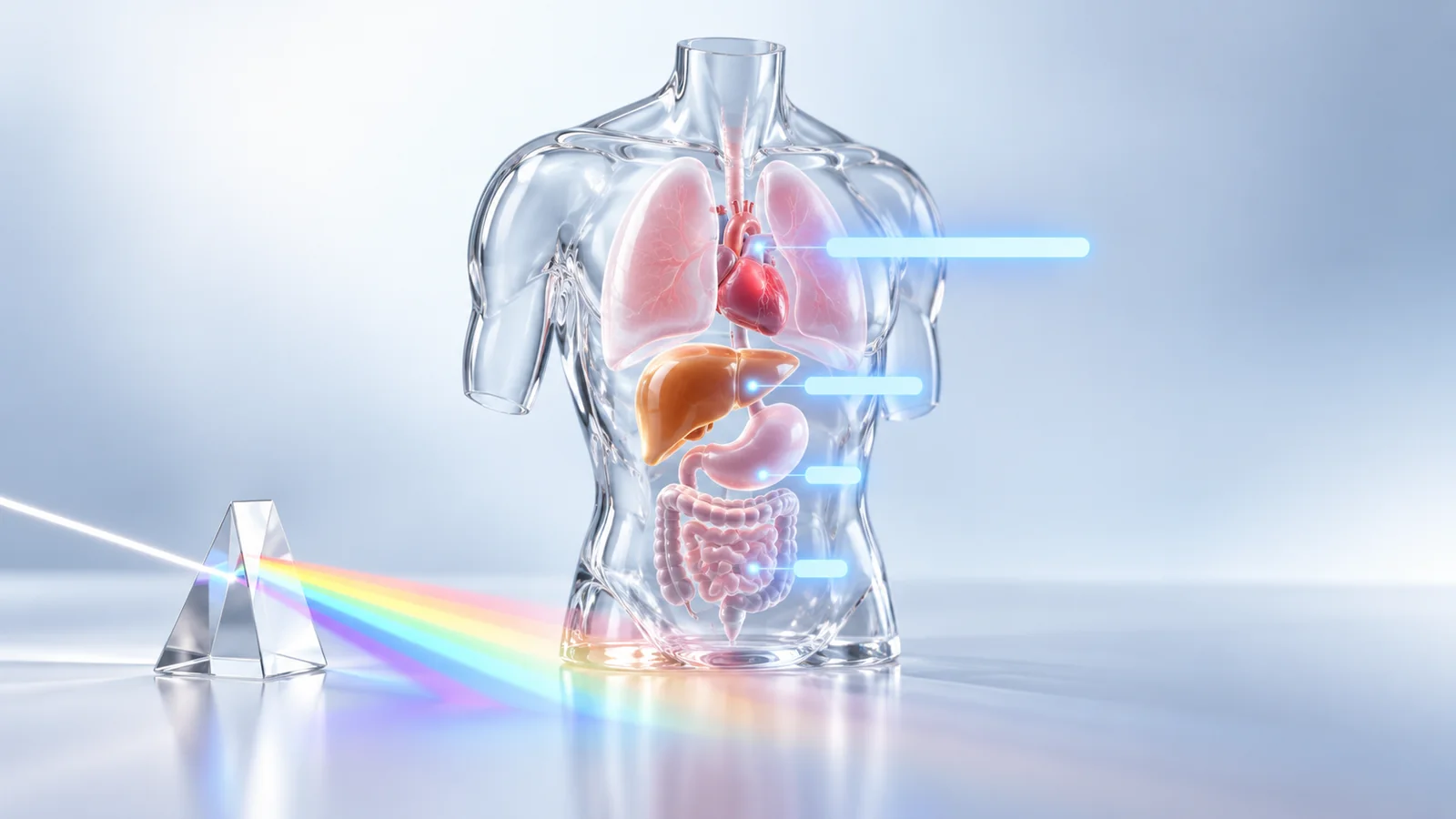
Equivalent and effective dose — wR, wT, ICRP 60 vs 103
HT = Σ wR·DT,R and E = Σ wT·HT (Σw_T = 1), both in Sv; they are protection quantities for a reference person that cannot be measured and are estimated with H*(10) and Hp(10).

ESFAS actuation signals — inputs, setpoints, logic and accidents
ESFAS measures each variable in four channels and initiates SIAS, CIAS, CSAS, MSIS, AFAS or RAS on 2 of 4, latching the action until manual reset except for AFAS cycling.
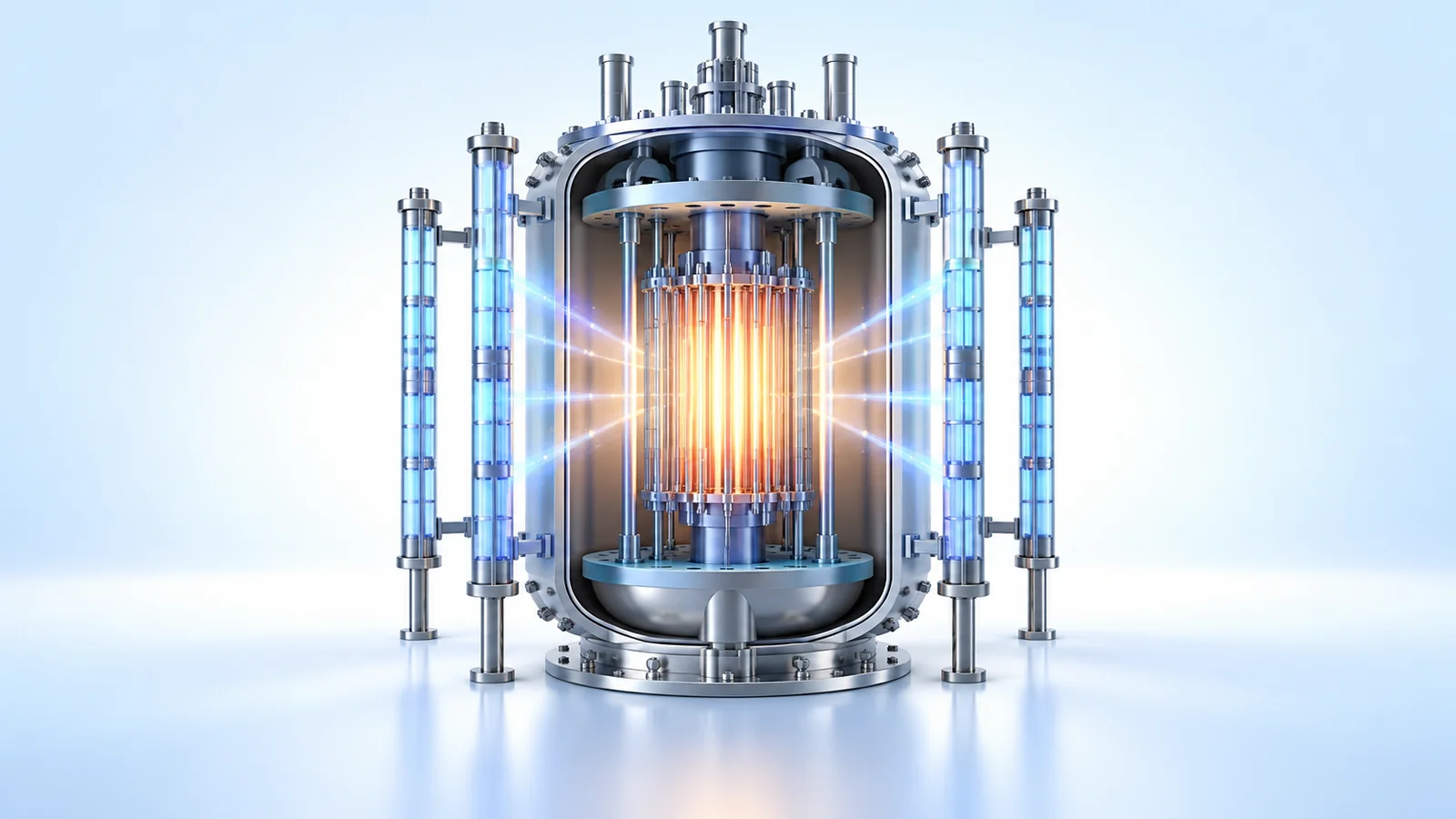
Ex-core neutron flux monitoring — detectors, overlapping ranges, log and linear power
The ENFMS covers source level to 200 % with overlapping ranges: counting, then Campbelling (MSV), then current, with log power for trips and startup rate and linear power for VOPT and the CPC.
Excess Reactivity — cycle reactivity budget and shutdown margin
Excess reactivity ρex = (k_max − 1)/k_max is about 0.29 Δk/k for a cold, clean PWR first core; it shrinks with heat-up, poisons and burnup, and total control worth = ρex + shutdown margin in the same state.
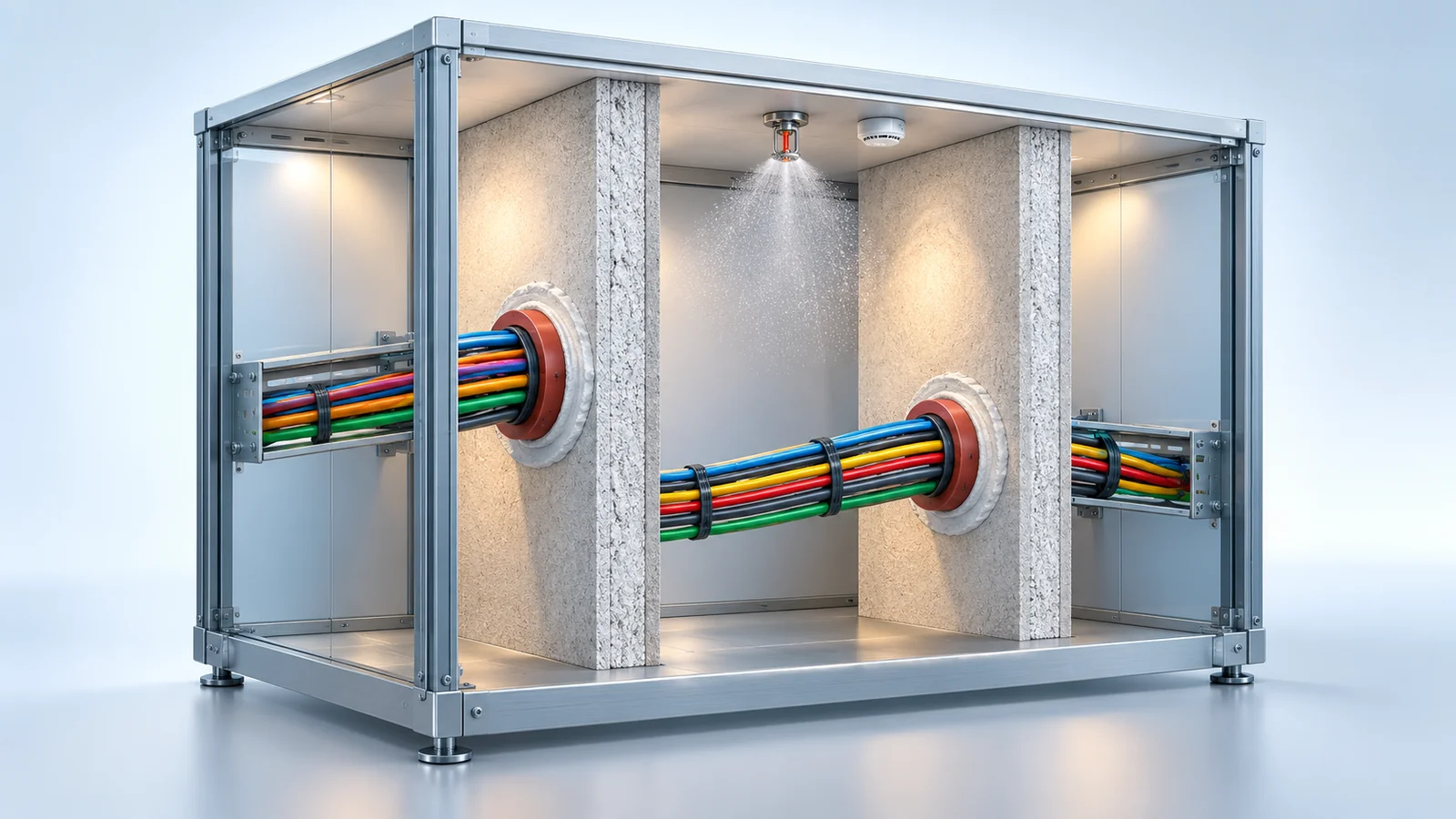
Fire protection — three objectives, App. R separation and safe shutdown
Fire protection rests on prevention, detection and suppression, and protection of safe shutdown, with redundant trains separated by a 3 h barrier, more than 20 ft plus suppression, or a 1 h enclosure plus suppression.

Fission energy and recoverable energy — 207 MeV released, about 200 MeV recovered
A U-235 fission releases about 207 MeV; with 12 MeV of antineutrinos lost and 3–12 MeV of capture γ gained, about 200 MeV becomes heat, so 1 MWd ≈ 2.70×10²¹ fissions ≈ 1.05 g of U-235.

Fission gas release (FGR) — release path, Halden threshold and feedbacks
FGR follows diffusion, boundary bubble growth and interlinkage; the Halden 1 % threshold falls from about 1,311 °C at 10 GWd/tU to 1,079 °C at 50 GWd/tU.
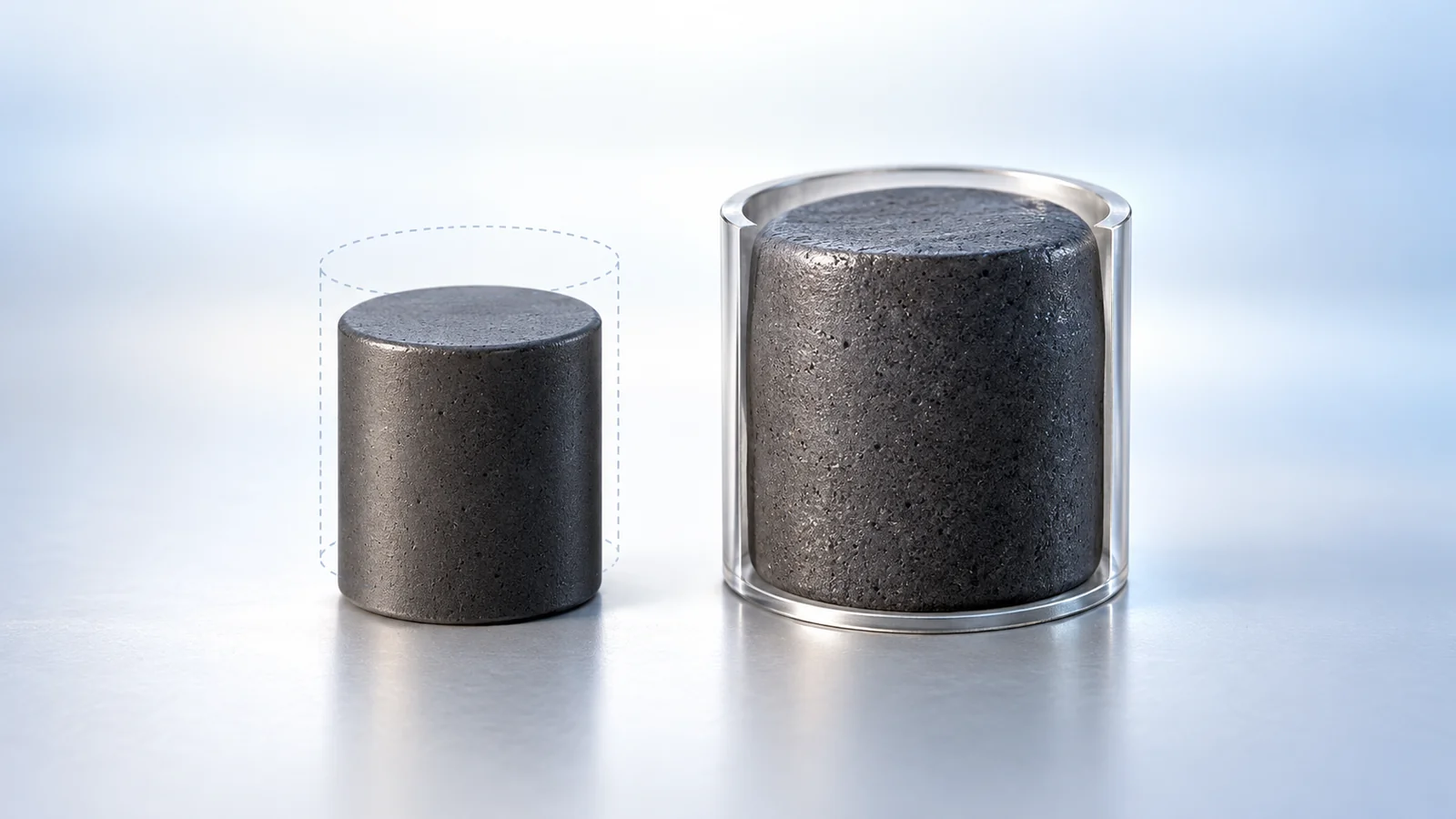
Fuel densification and swelling — net pellet volume vs burnup
Densification removes fine pores early (about −1 % volume, saturating within a few GWd/tU); solid fission-product swelling then adds about 0.9 % per 10 GWd/tU, so the pellet regains its initial volume at 5–20 GWd/tU.